 Preview
 Send
Send Share
Share
 Details

 Download
 Similars
 X-Ray
X-Ray Diaporama
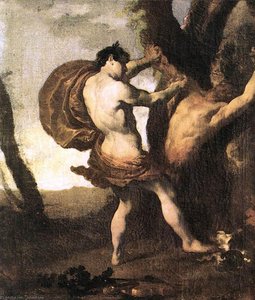
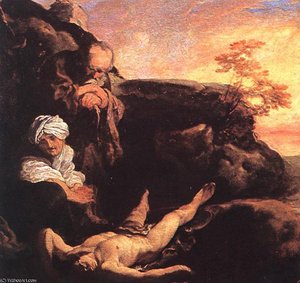
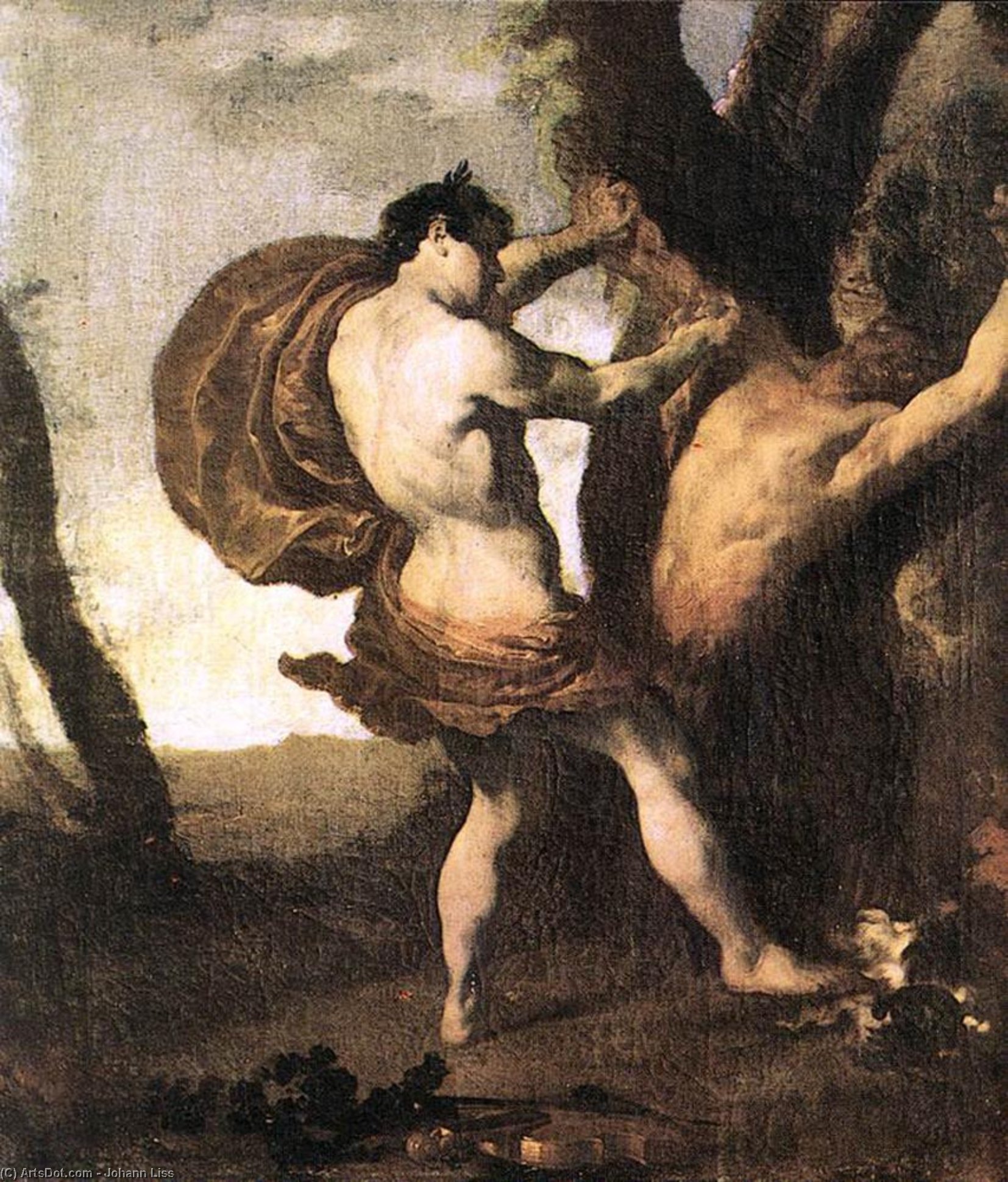
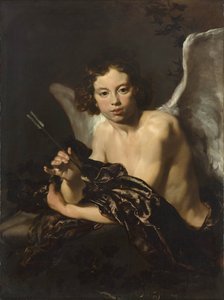
Apollo and Marsyas
 Oil On Canvas
- WallArt
- Baroque
 1627
1627 58.0 x 48.0 cm
 Gallerie dell'Accademia
 Read More
Hand Made Oil Reproduction
Hand-painted oil on canvas in your size and frame, made to order by our artists. ( Buy Print Buy Image)




P118B $10

P118H $10

P118W $10

P438Z $10

P508JH $12

P508YH $12

P805H $10

P805Z $10

P919BZ $10

P919G $10

P919XJ $10

P959ZH $10

P968JZ $12

W106C $8

W218G $10

W218JH $8

W218Y $10

W307PJ $10

W316G $10

W316PJ $8

W316Y $10

W398PJ $8

W4111J $10

W500HY $15

W500JH $15

W692G $12

W849H $8

W940BG $15

W953PJ $8




Pick from our preset sizes that match the artwork's original proportions.

You may enter your own dimensions to fit a specific frame or space. If your selected size does not match the original image's proportions, we will either crop the artwork or extend the painting with additional hand-painted elements. A digital mockup will be sent for your approval before production begins.
Please note that the on-screen preview does not reflect the actual cropping or extension. Only the mockup will accurately show the final composition.
While custom sizes are available, we recommend selecting a dimension from the predefined list to preserve the original proportions.
After order, ArtsDot.com team will email client for instructions and provide a mockup preview
Worldwide Delivery () in 3/4 weeks instead of standard 5 weeks. (17 August). No compromise on quality.

Free Worldwide Express Shipping

High-Quality Linen Canvas

Full Shipping Insurance

Customs Tax Refund Guarantee

True Color Matching Guarantee

60-Day Return Policy (Defects Only)

100% Money-Back Guarantee

Bulk Discount Offer
 Glass option is only available in size under 110 CM

Apollo and Marsyas
Reproduction Medium
Reproduction Size
-


Total Price
$ 263
Artwork Description
A Dramatic Confrontation: Johann Liss's "Apollo and Marsyas"
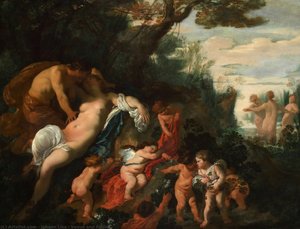
Johann Liss’s “Apollo and Marsyas,” painted in 1627, is more than just a depiction of a classical myth; it’s a powerful exploration of hubris, divine justice, and the intoxicating allure of artistic competition. The canvas pulsates with tension as we witness the fateful moment when Apollo, god of music and light, prepares to deliver judgment upon Marsyas, a satyr who dared challenge him in a musical contest. Liss, working within the vibrant currents of Venetian Baroque painting, captures this ancient conflict with a dramatic flair that draws the viewer directly into the heart of the narrative.
The Myth Unveiled: A Tale of Pride and Punishment
The story itself is steeped in symbolism. Marsyas, representing earthly skill and untamed nature, believed his mastery of the aulos (a double-reeded wind instrument) could rival Apollo’s divine musical prowess, typically associated with the lyre. This act of defiance, this challenge to the established order of the gods, was inherently doomed. The myth served as a cautionary tale—a reminder that mortal ambition should not overstep its boundaries and question the authority of the divine. Liss doesn't shy away from the gravity of the situation; his figures are caught in a moment of heightened emotion – Apollo’s poised strength contrasting with Marsyas’s evident apprehension, hinting at the brutal consequences to come. The presence of other figures surrounding them adds to the sense of solemnity and underscores the significance of this pivotal event.
Baroque Brilliance: Liss's Technique and Style
Liss, influenced by both Italian Mannerism (as noted in early training under Hendrik Goltzius) and the burgeoning Baroque style he encountered in Venice, masterfully employs a hazy, atmospheric technique. Rather than sharp lines and precise detail, Liss favors loose brushstrokes and subtle gradations of color to create an almost dreamlike quality. This approach softens the harshness of the impending punishment while simultaneously amplifying the emotional intensity of the scene. The light itself plays a crucial role; it doesn't illuminate with stark clarity but rather filters through the foliage, casting long shadows and highlighting key figures—Apollo’s commanding presence and Marsyas’s vulnerable form. This technique foreshadowed later Rococo styles, demonstrating Liss’s innovative approach to color and composition.
A Legacy of Artistic Innovation
Johann Liss's career was tragically cut short; he died in 1629, leaving behind a relatively small but impactful body of work. Despite his brief artistic life, Liss left an indelible mark on Venetian painting, influencing later generations of artists like Sebastiano Ricci and Giovanni Battista Tiepolo. "Apollo and Marsyas" stands as a testament to his skill—a compelling narrative rendered with Baroque brilliance, capturing not just the story of a mythological contest but also exploring universal themes of pride, consequence, and the enduring power of art itself. Owning a reproduction of this painting is owning a piece of that legacy – a window into the dramatic world of 17th-century Venetian artistry.
Related Artworks

Artist Biography
Pieter Claesz: The Quiet Master of Light and Still Life
Born in Burgsteinfurt, Germany, in 1597 – a date often debated by scholars – Pieter Claesz emerged as one of the most distinctive figures in 17th-century Dutch painting. While his name might not be as instantly recognizable as Rembrandt or Vermeer, Claesz’s quietly assured style and masterful manipulation of light and atmosphere have secured him a unique place within the history of still life. His work offers a serene contemplation on everyday objects, imbued with an understated elegance that continues to captivate viewers today. He died in Haarlem in 1661, leaving behind a legacy of meticulously observed scenes that reveal a profound understanding of texture, color, and the subtle poetry of domesticity.
Early Life and Training
Information about Claesz’s early life is surprisingly sparse. He was likely apprenticed to a Haarlem painter, though the identity of his master remains unknown. His artistic development coincided with a period of significant change in Dutch art – the rise of the “diamond painters,” a group known for their monochrome still lifes that focused on capturing the play of light and shadow on simple objects. This movement, largely influenced by Italian Mannerism and Caravaggio’s dramatic use of chiaroscuro, provided the foundation for Claesz's distinctive style. Interestingly, he was admitted to the Antwerp Guild of Saint Luke in 1620, suggesting a period of artistic exploration and refinement in Flanders before settling permanently in Haarlem.
A Style Defined by Restraint and Observation
Claesz’s paintings are characterized by an extraordinary restraint. Unlike the more flamboyant still lifes of his contemporaries, he eschewed elaborate compositions and vibrant colors. Instead, he favored a limited palette – primarily browns, grays, blacks, and muted yellows – creating a sense of quiet intimacy and understated beauty. His subjects—breakfast tables laden with simple objects like wine glasses, knives, plates of bread or fish, and bowls of fruit—are rendered with meticulous detail, capturing the textures of metal, glass, and fabric with remarkable accuracy. The key to Claesz’s success lies not in dramatic effects but in his ability to evoke a sense of atmosphere through subtle variations in light and shadow. He expertly used reflected light to create depth and volume, transforming ordinary objects into miniature worlds of quiet contemplation.
- Monochrome Dominance: Claesz’s signature style was defined by the use of monochrome palettes, emphasizing tonal shifts and atmospheric effects.
- Detailed Observation: He meticulously rendered textures – from the sheen of polished silver to the rough surface of linen—demonstrating a keen eye for detail.
- Subtle Lighting: Claesz masterfully manipulated reflected light to create depth, volume, and a sense of realism within his confined spaces.
Influences and Connections
While often considered an independent innovator, Claesz’s work was undoubtedly influenced by several key artistic currents. Caravaggio's dramatic use of light and shadow is evident in the way Claesz employs reflected light to create a sense of drama within his still lifes. Furthermore, he shared stylistic affinities with other Haarlem painters like Jacob van Stoorfoot and Pieter Van Neste, both known for their monochrome landscapes and still lifes. Notably, his son, Nicolaes Pietersz Berchem, continued the family tradition, developing into a renowned landscape painter in his own right, demonstrating a clear lineage of artistic skill and aesthetic sensibility.
Legacy and Historical Significance
Pieter Claesz’s contribution to Dutch still life painting is often underestimated. Despite not achieving widespread fame during his lifetime, his work has been increasingly recognized for its quiet beauty, technical mastery, and profound sense of atmosphere. His paintings offer a unique window into the domestic lives of 17th-century Hollanders, revealing a world of simple pleasures and understated elegance. Today, his works are held in prestigious collections worldwide, including the National Gallery of Art in Washington D.C., and the Frans Hals Museum in Haarlem, ensuring that this “quiet master” continues to be appreciated for his remarkable artistic vision.
His work stands as a testament to the power of restraint, observation, and the ability to find beauty in the everyday—qualities that resonate deeply with viewers centuries after his time.
johann liss
1597 - 1630 , Germany
Quick Facts
- Artistic Movement Or Style: Tonal landscapes
- Artists Or Movements Influenced By This Artist: ['Esaias van de Velde']
- Artists Who Influenced This Artist:
- Jan van Goyen
- Salomon van Ruisdael
- Date Of Birth: 1597
- Date Of Death: 1661
- Full Name: Pieter Claesz van Haarlem
- Nationality: Dutch
- Notable Artworks:
- Breakfast Still Life
- Still Life with a Burning Candle
- Place Of Birth: Burgsteinfurt, Germany
Related Articles

Baroque Drama: Bringing Opulence & Emotion into Contemporary Interiors
Explore the opulent world of Baroque interior design! Discover key elements, modern applications & how to bring dramatic elegance into your home with 's authentic reproductions.

The Dramatic Flourish: Exploring the Baroque Movement's Enduring Legacy in Art History
Explore the dramatic world of Baroque art! Discover iconic artists like Caravaggio & Rubens, defining techniques, and its lasting impact on art history. Expert insights for collectors & enthusiasts at ArtsDot.

Baroque Masterpieces: 10 Paintings That Defined an Era |
Journey through the drama & grandeur of Baroque art! Explore 10 masterpieces by Caravaggio, Rembrandt, Rubens & more. Discover stunning oil paintings, rich colors & timeless stories. Find museum-quality reproductions at .

Dutch Baroque Masters: 10 Paintings That Shaped an Era | ArtsDot
Journey through the Golden Age with our guide to the Top 10 Dutch Baroque masterpieces! Explore iconic paintings by Rembrandt, Vermeer & Frans Hals. Find museum-quality art reproductions and elevate your home decor at ArtsDot.com.

The Visceral Stage: Exploring Dramatic Narratives & Emotional Intensity in Baroque Art
Explore the dramatic world of Baroque art! Discover iconic masters like Caravaggio & Rembrandt, their techniques, and the movement's lasting impact. Expert insights for collectors & enthusiasts at ArtsDot.