

 Preview
 Send
Send Share
Share
 Details

 Download
 Similars
 X-Ray
X-Ray Diaporama
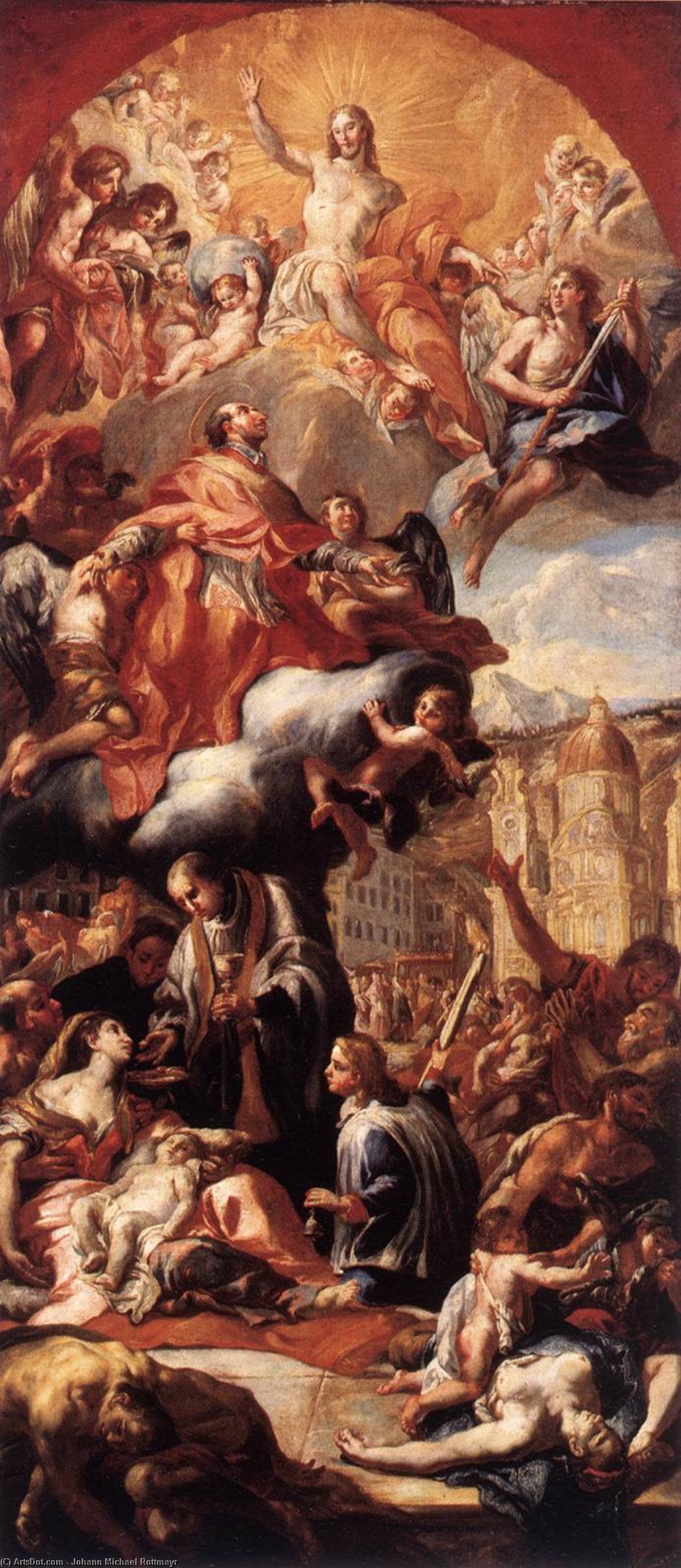
Apotheosis of St Charles Borromeo
 Oil On Canvas
- WallArt
- Baroque
 1721
1721 130.0 x 58.0 cm
 Residenzgalerie
 Read More
Purchase a high-resolution, enhanced digital image, far superior to the online preview.
Each file is meticulously prepared by our in-house specialists using advanced tools and expert manual retouching. We ensure every image has exceptional clarity, precise color accuracy, and fine detail.
The final file is delivered via email within 72 hours, optimized for immediate use in professional, editorial, and print environments. This is the same quality trusted by top-tier design studios, publishers, and galleries.
Digital Image
Download a high-resolution file for personal display, printing, and creative projects. ( Buy Print Buy Hand Made Painting)
Included in Every Digital Image Order
Expert Digital Delivery, Guaranteed
When you choose ArtsDot.com, you're not just getting an image - you're receiving a professionally enhanced digital artwork, crafted with precision and backed by a satisfaction guarantee. Here's everything that comes with your order, automatically:

Fast Email Delivery
Your high-resolution digital image file will be emailed to you within 72 hours of ordering - ready for immediate use.

AI-Enhanced Digital File
Your artwork is professionally optimized using advanced AI tools and manual editing, ensuring maximum detail, clarity, and color accuracy.

Free Lifetime Re-Delivery
Accidentally deleted or lost your file? No worries - we'll resend it to you anytime, free of charge.

No Import Fees - Ever
Enjoy your artwork instantly with zero customs, duties, or delivery fees - digital downloads are always tax-free.

Color Accuracy Guarantee
We ensure your digital image reflects the original colors as closely as possible using professional tools and color management.

60-Day Satisfaction Guarantee
If you're not satisfied with your digital image, we'll revise it or refund 100% within 60 days - no questions asked.

100% Money-Back Guarantee
Not satisfied? Get a full refund within 60 days of receiving your digital file - no questions asked.

Bulk Order Discounts
Buy 3 images, save 10% - Buy 5, save 15% - Buy 10+, save 20%. Great for creative projects, galleries, and agencies.
Collectible Description
A Celestial Ascent: The Apotheosis of St Charles Borromeo
To gaze upon this magnificent depiction of the Apotheosis of St Charles Borromeo is to be swept away by a tide of divine glory and spiritual fervor. Painted in 1721, this large oil on canvas by Johann Michael Rottmayr captures that breathtaking moment when earthly devotion ascends into heavenly recognition. The composition itself is a masterful orchestration of figures—angels, saints, and the central, luminous presence of Christ—all gathered in an overwhelming display of reverence surrounding St Charles Borromeo. It speaks not merely of a saint's life, but of his ultimate triumph of spirit over mortality.
Baroque Grandeur Meets Rococo Light
Johann Michael Rottmayr, whose career spanned the vibrant transition from High Baroque drama into the lighter elegance of Rococo sensibilities, imbues this work with unparalleled dynamism. Having trained in Venice under masters who knew Titian and Veronese, Rottmayr channeled that Italianate love for coloristic richness and dramatic composition into a distinctly Central European vision. The technique employed is breathtaking; one can almost feel the texture of the oil paint as it catches the light, mimicking the very divine illumination depicted. Notice how the figures are arranged—some standing in awe, others kneeling in profound supplication—creating a palpable sense of depth that pulls the viewer directly into the celestial gathering.
Symbolism and Spiritual Weight
The symbolism within this canvas is rich and deeply resonant for the art connoisseur. The central focus on St Charles Borromeo underscores his immense importance within the Counter-Reformation era, a time when religious devotion was expressed with unparalleled fervor in art. The presence of angels serves as visual conduits between the earthly realm and the divine plane. Furthermore, the inclusion of an animal figure toward the left side adds a layer of narrative complexity, often serving as a subtle allegory for virtue or guidance within sacred iconography. Every gesture, every upward gaze, directs the viewer's eye toward the ultimate source of grace.
An Echo of Sacred Splendor in Your Home
For the collector or designer seeking to infuse a space with profound cultural weight and breathtaking artistry, this reproduction offers an unparalleled opportunity. Owning a piece echoing Rottmayr’s grandeur means bringing home more than just decoration; it is acquiring a narrative of faith, artistic mastery, and enduring human aspiration. The scale (130 x 58 cm) ensures that the drama unfolds with appropriate majesty on any substantial wall, serving as a magnificent focal point that commands contemplation and admiration.
Related Artworks



Artist Biography
A Legacy of Light: The Life and Art of Johann Michael Rottmayr
Johann Michael Rottmayr, born in the charming Bavarian town of Lauf an der Pegnitz around 1654 (sources vary between 1654 and 1656), stands as a pivotal figure in the transition from the High Baroque to the Rococo styles in Central Europe. He wasn’t merely a painter; he was a conduit, skillfully channeling the vibrant energy of Italian Renaissance masters through the lens of burgeoning Austrian artistic sensibilities. Rottmayr's journey began within a family already touched by artistry, providing fertile ground for his innate talents to blossom. His formal training commenced under Johann Carl Loth in Venice – a formative experience that would indelibly shape his aesthetic vision. Loth’s tutelage wasn’t simply about technique; it was an immersion into the world of Titian, Veronese, and Tintoretto, instilling within Rottmayr a deep appreciation for coloristic richness, dramatic composition, and the masterful use of light and shadow. This Venetian influence would remain a cornerstone of his style throughout his career. He wasn’t alone in absorbing Italian influences; Hans Adam Weissenkircher, a contemporary from Lauf, also played a crucial role in bringing these artistic currents northwards, fostering a shared aesthetic dialogue that enriched the region's art scene.From Salzburg to Vienna: A Rising Star
Rottmayr’s talent quickly garnered recognition, and in 1689 he secured a prestigious position as the general painter to the Prince-Bishop of Salzburg. This appointment wasn’t just a job; it was an endorsement, providing him with consistent commissions and establishing his reputation within influential circles. He flourished under this patronage, creating both secular and religious works that showcased his growing mastery. His collaboration with Johann Bernhard Fischer von Erlach, a leading architect of the time, proved particularly fruitful. Together they embarked on ambitious projects, seamlessly integrating architecture and painting to create immersive and awe-inspiring spaces. This partnership is beautifully exemplified in the allegorical frescoes at Schloss Frain an der Thaya (now Vranov nad Dyjí in the Czech Republic), where Rottmayr’s skill in illusionistic ceiling painting truly shines. The compositions are not merely decorative; they actively engage with the architectural structure, creating a harmonious and dynamic whole. This period marked a significant step in his artistic development, as he began to synthesize Italian influences with a distinctly Austrian sensibility. His move to Vienna around 1699 further propelled his career, bringing him into contact with a wider network of patrons and artists.Masterpieces of Illusion: The Melk Abbey Dome and Beyond
While Rottmayr produced numerous significant works throughout his career, he is perhaps best remembered for the breathtaking fresco adorning the central dome of Melk Abbey in Austria. Completed with remarkable skill, this masterpiece depicts a glorious vision of heaven – a swirling vortex of figures, light, and color that seems to dissolve the very boundaries between earth and sky. The sheer scale of the work, combined with Rottmayr’s masterful command of perspective and illusionistic techniques, creates an overwhelming sense of awe and spiritual transcendence. It is a testament to his ability to transform architectural space into a realm of divine beauty. Beyond Melk Abbey, Rottmayr left his mark on numerous other churches and palaces across Austria and Germany. His frescoes for the Karlskirche in Vienna, including the *Intercession of Charles Borromeo supported by the Virgin Mary*, are equally impressive, demonstrating his continued exploration of dramatic composition and vibrant color palettes. Even a work held in a private collection, simply titled “Vulcan,” speaks to his versatility and technical prowess. The enduring cultural significance of his Melk Abbey dome was further cemented in 2007 when it was chosen as the central motif for a high-value Austrian commemorative coin – a fitting tribute to an artist whose work continues to inspire wonder centuries later.A Bridge Between Eras: Rottmayr’s Artistic Legacy
Johann Michael Rottmayr's significance extends beyond his individual masterpieces; he played a crucial role in bridging the gap between the Italian Renaissance traditions and the evolving Baroque style in Central Europe. He wasn’t simply imitating Italian art; he was adapting it, infusing it with a distinctly Austrian character. His work embodies a dynamic interplay of light and shadow, vibrant color, and dramatic composition – hallmarks of the Baroque aesthetic. However, his paintings also reveal a growing sensitivity to form and detail, foreshadowing the elegance and refinement of the Rococo period.- Frescoes & Ceiling Paintings: Rottmayr excelled in large-scale fresco paintings, particularly those designed for ceilings, creating dynamic compositions and a sense of soaring space.
- Religious Subjects: A significant portion of his oeuvre is dedicated to religious themes, reflecting the patronage of the Church during that era. He frequently depicted scenes from the Bible and the lives of saints.
- Dramatic Composition: His paintings are characterized by dramatic lighting, vibrant colors, and a sense of movement, creating emotionally engaging experiences for viewers.
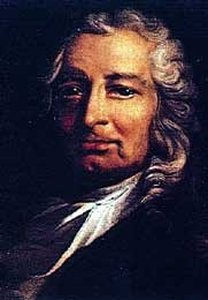
Johann Michael Rottmayr
1654 - 1730 , Germany
Quick Facts
- Artistic Movement Or Style: Baroque
- Artists Or Movements Influenced By This Artist: ['Austrian Baroque painters']
- Artists Who Influenced This Artist: ['Johann Carl Loth']
- Date Of Birth: Dec 11, 1654
- Date Of Death: Oct 25, 1730
- Full Name: Johann Michael Rottmayr
- Nationality: Austrian
- Notable Artworks:
- Melk Abbey Dome
- Intercession of Charles Borromeo
- Vulcan
- Apotheosis St.Charles
- Place Of Birth: Lauf, Germany

