 Preview
 Send
Send Share
Share
 Details

 Download
 Similars
 X-Ray
X-Ray Diaporama
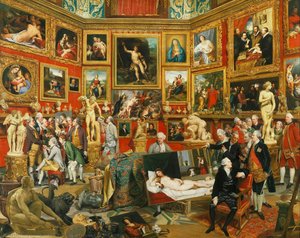
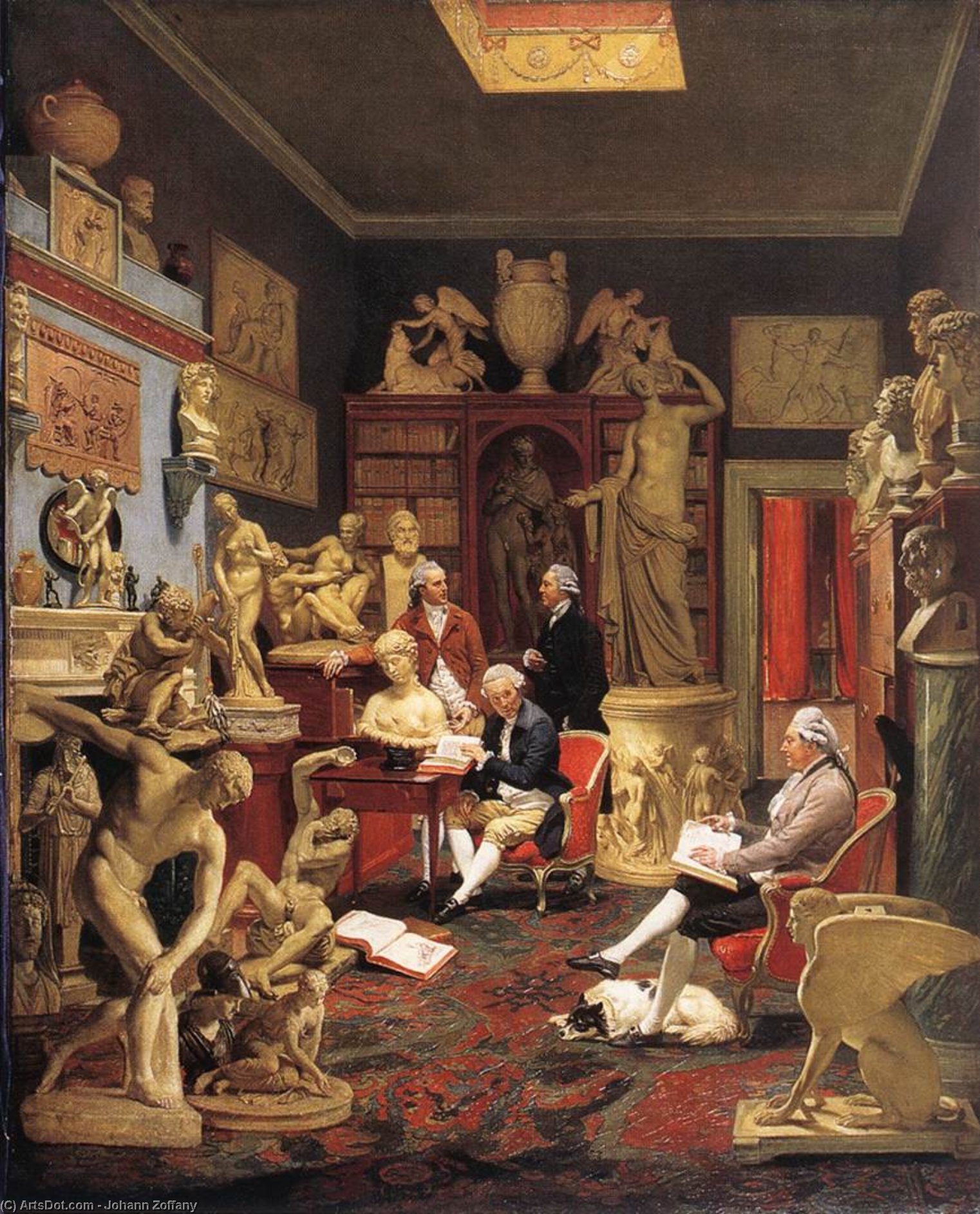
Charles Towneley in his Sculpture Gallery
 Oil
Oil- WallArt
- Rococo
 1782
1782- Early Modern
 127.0 x 102.0 cm
 Towneley Hall Art Gallery And Museum
 Read More
Giclée / Art Print
Museum-quality giclée or canvas print with fast production and flexible finish options. ( Buy Hand Made Painting Buy Image)




P118B $10

P118H $10

P118W $10

P438Z $10

P508JH $12

P508YH $12

P805H $10

P805Z $10

P919BZ $10

P919G $10

P919XJ $10

P959ZH $10

P968JZ $12

W106C $8

W218G $10

W218JH $8

W218Y $10

W307PJ $10

W316G $10

W316PJ $8

W316Y $10

W398PJ $8

W4111J $10

W500HY $15

W500JH $15

W692G $12

W849H $8

W940BG $15

W953PJ $8




Pick from our preset sizes that match the artwork's original proportions.

You may enter your own dimensions to fit a specific frame or space. If your selected size does not match the original image's proportions, we will either crop the artwork or extend the image with a mirrored or solid-fill edge. A digital mockup will be sent for your approval before production begins.
Please note that the on-screen preview does not reflect the actual cropping or extension. Only the mockup will accurately show the final composition.
While custom sizes are available, we recommend selecting a dimension from the predefined list to preserve the original proportions.
Worldwide Delivery () in 2 weeks instead of standard 4/5 weeks. (27 August)

Free Worldwide Express Shipping

High-Quality Linen Canvas

Full Shipping Insurance

Customs Tax Refund Guarantee

True Color Matching Guarantee

60-Day Return Policy (Defects Only)

100% Money-Back Guarantee

Bulk Discount Offer
 Glass option is only available in size under 110 CM

Charles Towneley in his Sculpture Gallery
Giclée / Art Print
Reproduction Size
-


Total Price
$ 63
A Grand Encounter in the Gallery of Antiquity
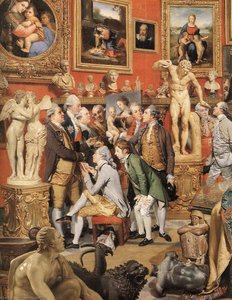
In the luminous masterpiece Charles Towneley in his Sculpture Gallery, painted in 1782 by the virtuoso Johann Zoffany, we are invited to step into a world of refined elegance and intellectual splendor. The canvas serves as more than just a portrait; it is a theatrical stage where the boundaries between private collection and public social life dissolve. At the heart of this composition sits Charles Towneley, surrounded by an assembly of guests that breathe life into his magnificent sanctuary of art. The scene captures a moment of sophisticated conviviality, where the quiet contemplation of marble and oil meets the lively hum of human conversation. As the eye wanders through the gallery, one feels the weight of history and the prestige of a man whose identity is inextricably linked to the treasures he possesses.
Zoffany, a master of capturing the nuances of 18th-century British society, employs a technique that balances meticulous detail with an atmospheric glow. The artist’s ability to render different textures—the cold, smooth surface of classical sculptures, the soft fabrics of period attire, and the gilded frames of surrounding paintings—is nothing short of extraordinary. Through his brush, the gallery becomes a character in itself, filled with light that dances across pedestals and illuminates the faces of the gathered elite. This mastery of light and shadow creates a sense of depth that draws the viewer into the room, making one feel like an unobserved guest at this very gathering.
The Symbolism of Taste and Legacy
Every element within this gallery is steeped in symbolic meaning, designed to communicate the status and erudition of the sitter. The presence of numerous statues and classical paintings is not merely decorative; it is a profound statement of Towneley’s cultural literacy and his connection to the grand traditions of antiquity. In the 18th century, such a collection was a testament to one's "Grand Tour" experiences and an essential marker of aristocratic refinement. The arrangement of figures around the table suggests a harmonious union between art and intellect, where the appreciation of beauty serves as the foundation for social connection.
For the discerning collector or interior designer, this painting offers a profound sense of narrative depth. It is a work that celebrates the curation of life itself. The interplay between the permanent, frozen figures of the sculptures and the transient, living presence of the guests creates a poignant meditation on time and legacy. To hang a reproduction of such a piece is to introduce a sense of historical gravity and cultured warmth into a space, providing an anchor of sophistication that sparks conversation and inspires awe.
An Inspiration for the Modern Interior
Integrating a high-quality reproduction of Zoffany’s work into a contemporary or classical interior provides an immediate infusion of prestige. The painting's complex composition and rich palette of earth tones, golds, and soft highlights make it a versatile centerpiece for grand halls, libraries, or formal dining rooms. It acts as a window into a lost era of grandeur, offering a sense of continuity and timelessness that modern minimalism often lacks.
Whether you are an art lover seeking to honor the legacy of the Rococo period or a designer looking to create a focal point of dramatic elegance, Charles Towneley in his Sculpture Gallery stands as a pinnacle of achievement. It is a piece that does not merely decorate a wall; it transforms an environment, inviting all who behold it to partake in the timeless beauty of art and the enduring grace of human connection.
Related Artworks
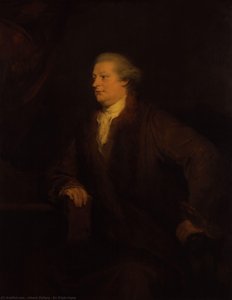
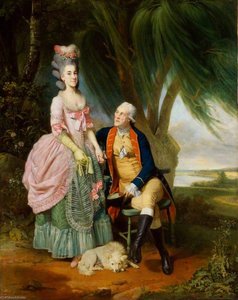
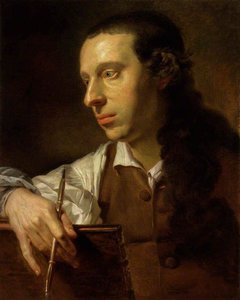
Artist Biography
Johann Zoffany: Life and Legacy
Early Life and Training
Johann Zoffany, born Johannes Josephus Zaufallij in 1733 in Freiburg, Germany, was a painter who achieved renown primarily in England and Italy. Details of his early childhood remain scarce, but it is known he received artistic training from a young age. He initially apprenticed with a sculptor, possibly Melchior Paulus in Ellwangen, before studying with Martin Speer in Regensburg. This foundational period laid the groundwork for his future career.
Journey to Italy and England
In 1750, Zoffany traveled to Rome, entering the studio of Agostino Masucci where he honed his skills within the Italian artistic tradition. He later moved to England in 1760, initially supporting himself by creating decorative designs for clocks made by Stephen Rimbault. This period marked a turning point as he began to establish connections and gain recognition within London’s art scene.
Royal Patronage and Artistic Development
Zoffany quickly attracted the attention of King George III and Queen Charlotte, becoming a favored portraitist of the royal family. His ability to capture informal moments – such as Queen Charlotte and Her Two Eldest Children (1765) – distinguished him from more formal court painters. He was also popular with Austrian imperial family and created a baron of the Holy Roman Empire in 1776 by Empress Maria Theresa.
The Master of ‘Conversation Pieces’
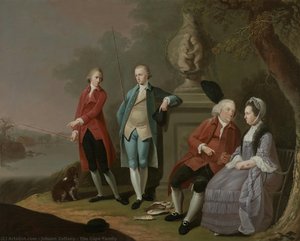
Zoffany became celebrated for his “conversation pieces,” or *conversazione* – informal group portraits depicting social gatherings. He excelled at capturing the personalities and interactions within these scenes, often featuring prominent figures from society, theatre, and literature. His works like The Cope Family (1775) exemplify this style, offering glimpses into the lives of his patrons.
Major Achievements and Notable Works
- Tribuna of the Uffizi (1772-1778): Perhaps his most famous work, a meticulously detailed depiction of the Uffizi Gallery in Florence.
- Dr William Hunter Teaching Anatomy at the Royal Academy (1779): A fascinating portrayal of medical education and scientific inquiry.
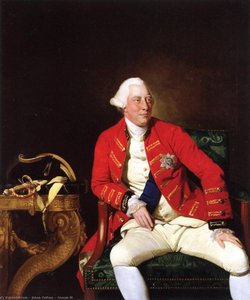
- George III (1771): A regal portrait showcasing the King’s power and elegance.
- Colonel Mordaunt's Cock Match (1784-1786): A vibrant depiction of colonial life in India, capturing a unique cultural event.
Years in India and Later Life
From 1783 to 1789, Zoffany resided in India, where he painted portraits of prominent figures like Warren Hastings and Asaf-ud-Daula. His experiences there influenced his artistic style and subject matter. A remarkable story from this period involves a shipwreck off the Andaman Islands, where survivors resorted to extreme measures for survival.
Influences and Legacy
Zoffany’s work reflects influences from both German precision and Italian artistry. He was influenced by artists like Agostino Masucci and drew inspiration from the Baroque tradition. His style, in turn, influenced contemporaries and later artists interested in portraiture and social commentary. He bridged artistic traditions and left a lasting impact on 18th-century art.
Historical Significance
Johann Zoffany’s paintings provide valuable insights into the social customs, intellectual life, and cultural values of his time. His “conversation pieces” offer intimate portraits of prominent individuals and their world, while his depictions of India contribute to our understanding of colonial history. He remains a significant figure in the history of art, celebrated for his technical skill, insightful observations, and unique artistic vision.
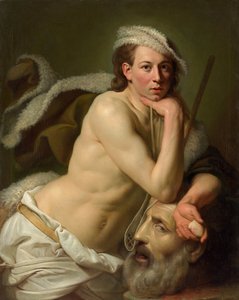
johann zoffany
1733 - 1810 , Germany
Quick Facts
- Birth Date: 1733
- Birth Place: Frankfurt, Germany
- Death Date: 1810
- Movement:
- Neoclassicism
- Realism
- Expressionism
- Name: Johann Zoffany
- Nationality: German
- Notable Works:
- Tribuna of the Uffizi
- Dr William Hunter Teaching Anatomy at the Royal Academy
- George III
- The Flower Girl
- Colonel Mordaunt's Cock Match
Related Articles

Bronze Sculptures That Defined Art History | ArtsDot
Journey through art history with our Top 10 bronze sculptures! Explore masterpieces by Rodin, Michelangelo & more. Discover stories behind iconic statues and find museum-quality reproductions for your home decor at ArtsDot.com.

The Enduring Form: Exploring Themes & Techniques in Sculpture Across Historical Periods
Explore the rich history of sculpture from ancient masterpieces to contemporary innovations. Discover key techniques, influential artists & investment potential for discerning art collectors.
The Enduring Allure of Marble in Art History: From Classical Sculpture to Modern Abstraction
Explore the captivating history of marble sculpture from ancient Greece to modern art. Discover renowned artists like Canova & Michelangelo, carving techniques, and investment insights at ArtsDot.

Bronze Age to Modern Masters: 10 Sculptures That Redefined Art | ArtsDot
Journey through art history with 10 legendary bronze sculptures – from Michelangelo's David to Rodin’s Thinker. Explore the stories, techniques & timeless beauty of these masterpieces. Find museum-quality reproductions & elevate your home decor on ArtsDot.com.

The Enduring Form: Sculpture Across History, Technique & Emotional Resonance
Explore the rich history of sculpture with ArtsDot. Discover key techniques, influential artists & investment potential for discerning collectors. Expert insights into valuing and collecting timeless masterpieces.