

 Preview
 Send
Send Share
Share
 Details

 Download
 Similars
 X-Ray
X-Ray Diaporama
 Stats
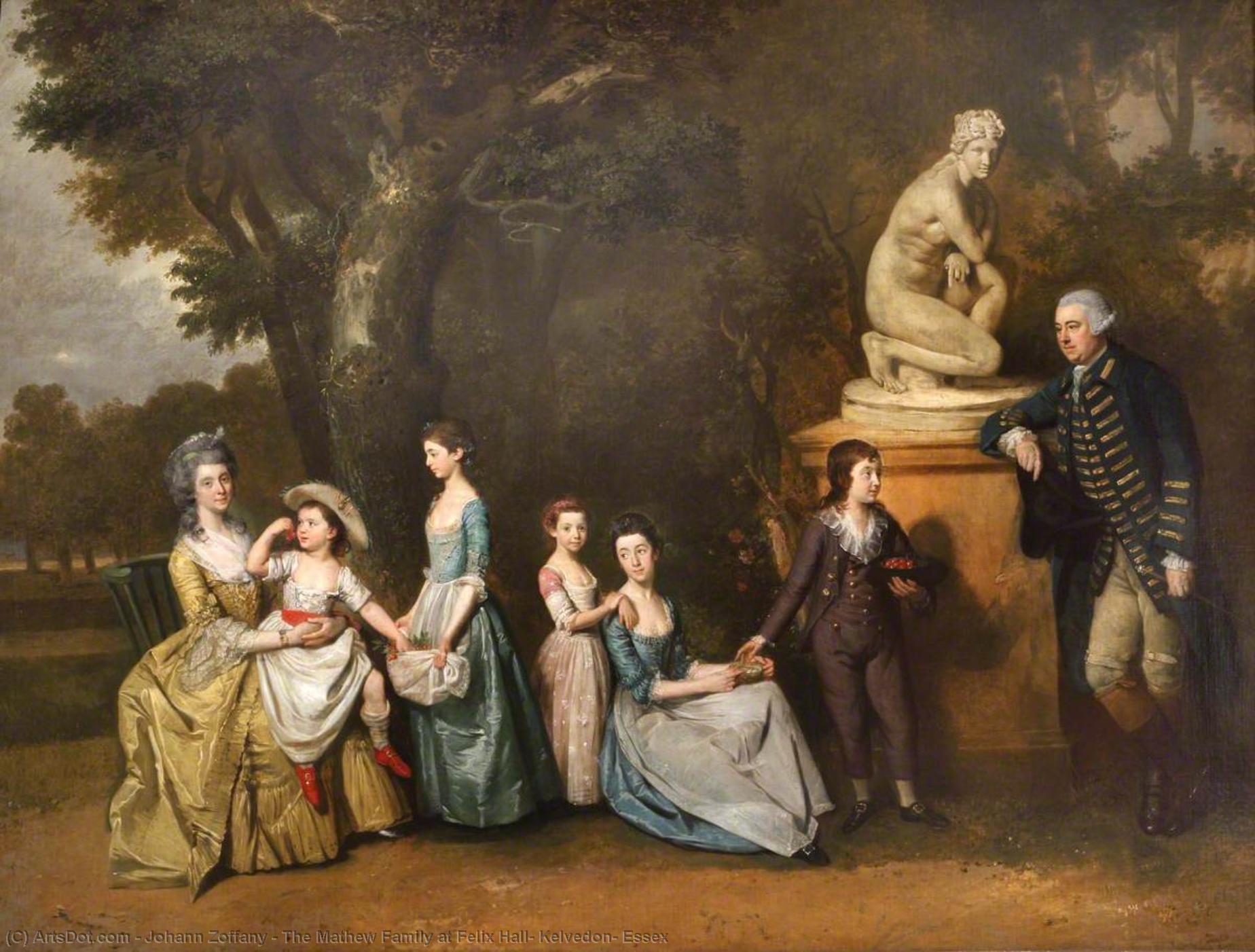
StatsThe Mathew Family at Felix Hall, Kelvedon, Essex
 Oil On Canvas
- WallArt
- Rococo
 1764
1764 118.0 x 156.0 cm
 National Trust
 Read More
Purchase a high-resolution, enhanced digital image, far superior to the online preview.
Each file is meticulously prepared by our in-house specialists using advanced tools and expert manual retouching. We ensure every image has exceptional clarity, precise color accuracy, and fine detail.
The final file is delivered via email within 72 hours, optimized for immediate use in professional, editorial, and print environments. This is the same quality trusted by top-tier design studios, publishers, and galleries.
Digital Image
Download a high-resolution file for personal display, printing, and creative projects. ( Switch to Print Buy Hand Made Painting)
Included in Every Digital Image Order
Expert Digital Delivery, Guaranteed
When you choose ArtsDot.com, you're not just getting an image - you're receiving a professionally enhanced digital artwork, crafted with precision and backed by a satisfaction guarantee. Here's everything that comes with your order, automatically:

Fast Email Delivery
Your high-resolution digital image file will be emailed to you within 72 hours of ordering - ready for immediate use.

AI-Enhanced Digital File
Your artwork is professionally optimized using advanced AI tools and manual editing, ensuring maximum detail, clarity, and color accuracy.

Free Lifetime Re-Delivery
Accidentally deleted or lost your file? No worries - we'll resend it to you anytime, free of charge.

No Import Fees - Ever
Enjoy your artwork instantly with zero customs, duties, or delivery fees - digital downloads are always tax-free.

Color Accuracy Guarantee
We ensure your digital image reflects the original colors as closely as possible using professional tools and color management.

100-Day Satisfaction Guarantee
If you're not satisfied with your digital image, we'll revise it or refund 100% within 100 days - no questions asked.

100% Money-Back Guarantee
Not satisfied? Get a full refund within 100 days of receiving your digital file - no questions asked.

Bulk Order Discounts
Buy 3 images, save 10% - Buy 5, save 15% - Buy 10+, save 20%. Great for creative projects, galleries, and agencies.
A Window into 18th-Century English Society: Zoffany’s ‘The Mathew Family’
Johann Zoffany's “The Mathew Family at Felix Hall, Kelvedon, Essex” is more than just a portrait; it’s a meticulously crafted tableau vivant – a snapshot of a wealthy family immersed in the refined pleasures and social complexities of 18th-century England. Painted in 1764, this remarkable work offers a rare glimpse into the lives of the Mathew clan, set within the opulent surroundings of Felix Hall, a grand estate near Kelvedon in Essex. Zoffany’s genius lies not merely in his technical skill but in his ability to capture an entire social scene, layering observation with theatricality and creating a moment suspended in time.
The painting depicts the Mathew family – Daniel, his wife, and their children – seated within a richly decorated interior. They are surrounded by a collection of intriguing objects: a violoncello, a globe, a taxidermied animal head, and a statue of a male figure, all carefully positioned to suggest intellectual curiosity and social standing. The composition is deliberately asymmetrical, drawing the eye through the group and emphasizing their interconnectedness. Notice how each family member interacts with the surrounding elements – Daniel plays the cello, his son examines the globe, and his wife observes the statue, creating a sense of quiet engagement and shared experience.
Rococo Elegance and Neoclassical Influence
Zoffany’s style is a masterful blend of Rococo and early Neoclassical influences. The vibrant colors, delicate brushstrokes, and intricate detailing characteristic of the Rococo period are evident in the luxurious fabrics, elaborate hairstyles, and the overall sense of playful elegance. However, there's also a grounding in the principles of Neoclassicism – a restrained formality, an emphasis on classical motifs (like the statue), and a desire to create a harmonious and balanced composition. This fusion reflects the artistic trends of the time, where artists sought to combine the exuberance of the past with the ideals of reason and order.
The lighting is particularly noteworthy, creating a soft, diffused glow that illuminates the figures’ faces and clothing while subtly suggesting depth within the room. The artist skillfully uses chiaroscuro – the contrast between light and shadow – to create a sense of drama and highlight key elements of the scene. The muted earth tones—browns, greens, creams—are punctuated by splashes of red, blue, and gold, adding richness and visual interest without overwhelming the overall composition.
Symbolism and Social Commentary
Beyond its aesthetic beauty, “The Mathew Family” is rich in symbolism. The violoncello, a symbol of musical refinement, suggests the family’s cultural sophistication. The globe represents their worldly connections and aspirations. The statue, likely referencing classical mythology, hints at an appreciation for intellectual pursuits and artistic legacy. Furthermore, the painting subtly comments on the social conventions of the era – the importance of family unity, the display of wealth, and the pursuit of knowledge and leisure.
Felix Hall itself played a significant role in the narrative. It was owned by Daniel Mathew, a plantation owner who had made his fortune in Jamaica. The estate’s lavish interiors reflected his status and provided a backdrop for this carefully staged portrait. The inclusion of the statue within the room is particularly interesting; it suggests a connection to classical ideals and reinforces the family's claim to noble lineage.
A Timeless Masterpiece: Reproduction and Legacy
“The Mathew Family at Felix Hall, Kelvedon, Essex” remains a captivating work of art, offering a window into the lives and aspirations of England’s elite in the 18th century. Reproductions by ArtsDot.com allow us to appreciate Zoffany's artistry and immerse ourselves in this remarkable scene. Whether displayed as a statement piece in a grand salon or as a thoughtful addition to a more intimate setting, this painting continues to resonate with viewers today, reminding us of the enduring power of art to capture beauty, evoke emotion, and illuminate the complexities of human experience.
Related Artworks

Artist Biography
Johann Zoffany: Life and Legacy
Early Life and Training
Johann Zoffany, born Johannes Josephus Zaufallij in 1733 in Freiburg, Germany, was a painter who achieved renown primarily in England and Italy. Details of his early childhood remain scarce, but it is known he received artistic training from a young age. He initially apprenticed with a sculptor, possibly Melchior Paulus in Ellwangen, before studying with Martin Speer in Regensburg. This foundational period laid the groundwork for his future career.
Journey to Italy and England
In 1750, Zoffany traveled to Rome, entering the studio of Agostino Masucci where he honed his skills within the Italian artistic tradition. He later moved to England in 1760, initially supporting himself by creating decorative designs for clocks made by Stephen Rimbault. This period marked a turning point as he began to establish connections and gain recognition within London’s art scene.
Royal Patronage and Artistic Development
Zoffany quickly attracted the attention of King George III and Queen Charlotte, becoming a favored portraitist of the royal family. His ability to capture informal moments – such as Queen Charlotte and Her Two Eldest Children (1765) – distinguished him from more formal court painters. He was also popular with Austrian imperial family and created a baron of the Holy Roman Empire in 1776 by Empress Maria Theresa.
The Master of ‘Conversation Pieces’
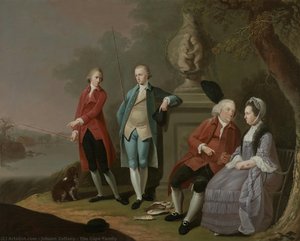
Zoffany became celebrated for his “conversation pieces,” or *conversazione* – informal group portraits depicting social gatherings. He excelled at capturing the personalities and interactions within these scenes, often featuring prominent figures from society, theatre, and literature. His works like The Cope Family (1775) exemplify this style, offering glimpses into the lives of his patrons.
Major Achievements and Notable Works
- Tribuna of the Uffizi (1772-1778): Perhaps his most famous work, a meticulously detailed depiction of the Uffizi Gallery in Florence.
- Dr William Hunter Teaching Anatomy at the Royal Academy (1779): A fascinating portrayal of medical education and scientific inquiry.
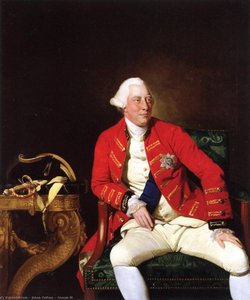
- George III (1771): A regal portrait showcasing the King’s power and elegance.
- Colonel Mordaunt's Cock Match (1784-1786): A vibrant depiction of colonial life in India, capturing a unique cultural event.
Years in India and Later Life
From 1783 to 1789, Zoffany resided in India, where he painted portraits of prominent figures like Warren Hastings and Asaf-ud-Daula. His experiences there influenced his artistic style and subject matter. A remarkable story from this period involves a shipwreck off the Andaman Islands, where survivors resorted to extreme measures for survival.
Influences and Legacy
Zoffany’s work reflects influences from both German precision and Italian artistry. He was influenced by artists like Agostino Masucci and drew inspiration from the Baroque tradition. His style, in turn, influenced contemporaries and later artists interested in portraiture and social commentary. He bridged artistic traditions and left a lasting impact on 18th-century art.
Historical Significance
Johann Zoffany’s paintings provide valuable insights into the social customs, intellectual life, and cultural values of his time. His “conversation pieces” offer intimate portraits of prominent individuals and their world, while his depictions of India contribute to our understanding of colonial history. He remains a significant figure in the history of art, celebrated for his technical skill, insightful observations, and unique artistic vision.
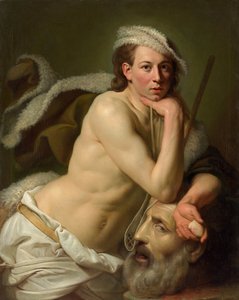
johann zoffany
1733 - 1810 , Germany
Quick Facts
- Birth Date: 1733
- Birth Place: Frankfurt, Germany
- Death Date: 1810
- Movement:
- Neoclassicism
- Realism
- Expressionism
- Name: Johann Zoffany
- Nationality: German
- Notable Works:
- Tribuna of the Uffizi
- Dr William Hunter Teaching Anatomy at the Royal Academy
- George III
- The Flower Girl
- Colonel Mordaunt's Cock Match