

 Preview
 Send
Send Share
Share
 Details

 Download
 Similars
 X-Ray
X-Ray Diaporama
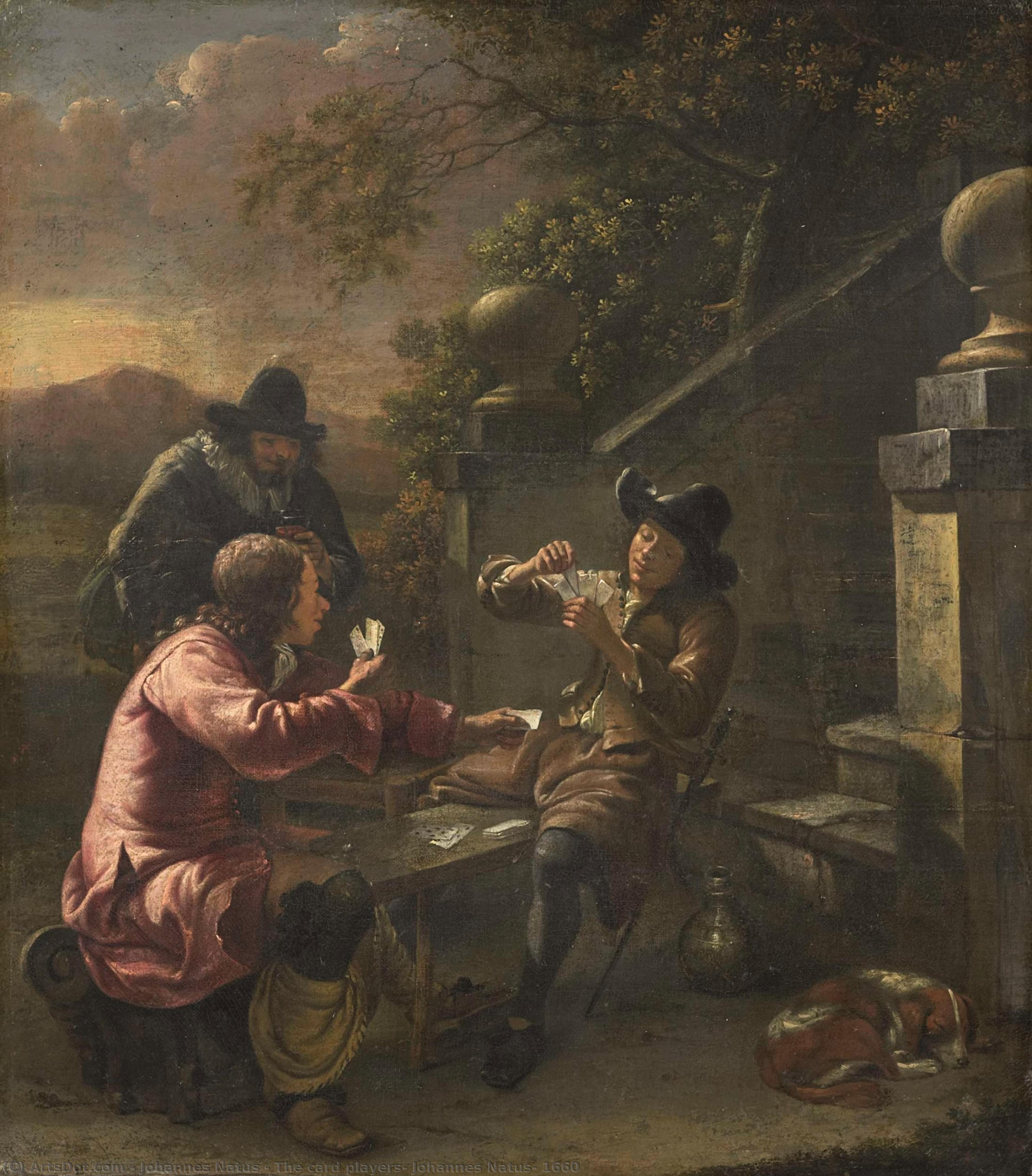
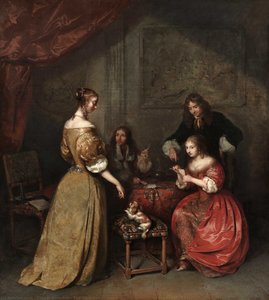
The card players, Johannes Natus, 1660


 Read More
Purchase a high-resolution, enhanced digital image, far superior to the online preview.
Each file is meticulously prepared by our in-house specialists using advanced tools and expert manual retouching. We ensure every image has exceptional clarity, precise color accuracy, and fine detail.
The final file is delivered via email within 72 hours, optimized for immediate use in professional, editorial, and print environments. This is the same quality trusted by top-tier design studios, publishers, and galleries.
Digital Image
Download a high-resolution file for personal display, printing, and creative projects. ( Buy Print Buy Hand Made Painting)
Included in Every Digital Image Order
Expert Digital Delivery, Guaranteed
When you choose ArtsDot.com, you're not just getting an image - you're receiving a professionally enhanced digital artwork, crafted with precision and backed by a satisfaction guarantee. Here's everything that comes with your order, automatically:

Fast Email Delivery
Your high-resolution digital image file will be emailed to you within 72 hours of ordering - ready for immediate use.

AI-Enhanced Digital File
Your artwork is professionally optimized using advanced AI tools and manual editing, ensuring maximum detail, clarity, and color accuracy.

Free Lifetime Re-Delivery
Accidentally deleted or lost your file? No worries - we'll resend it to you anytime, free of charge.

No Import Fees - Ever
Enjoy your artwork instantly with zero customs, duties, or delivery fees - digital downloads are always tax-free.

Color Accuracy Guarantee
We ensure your digital image reflects the original colors as closely as possible using professional tools and color management.

60-Day Satisfaction Guarantee
If you're not satisfied with your digital image, we'll revise it or refund 100% within 60 days - no questions asked.

100% Money-Back Guarantee
Not satisfied? Get a full refund within 60 days of receiving your digital file - no questions asked.

Bulk Order Discounts
Buy 3 images, save 10% - Buy 5, save 15% - Buy 10+, save 20%. Great for creative projects, galleries, and agencies.
Related Artworks

Artist Biography
A Glimpse into the Middelburg World of Johannes Natus
Johannes Natus, a name that whispers from the heart of the Dutch Golden Age, remains an intriguing figure in the landscape of 17th-century genre painting. Active primarily in Middelburg, a thriving port city in the Netherlands, Natus’s career, though relatively short, left behind a small but compelling body of work characterized by its captivating realism and intimate depictions of everyday life. Records place him as a member of the Guild of St. Luke in late 1661 or early 1662, marking his formal entry into the artistic community. Beyond this foundational detail, much about Natus’s personal life remains shrouded in mystery—a common fate for many artists of that era whose lives were not meticulously documented. What *is* clear is a dedication to capturing the essence of Middelburg society, particularly its bustling interiors and the quiet moments shared within them.Genre Scenes and Artistic Specialization
Natus distinguished himself through his specialization in genre scenes—pictures of ordinary people engaged in commonplace activities. This focus was emblematic of the Dutch Golden Age’s burgeoning interest in depicting the lives of the middle class, a departure from the predominantly religious or aristocratic subjects favored in earlier periods. His paintings weren't grand historical narratives; instead, they offered glimpses into taverns filled with smokers and drinkers, cozy rooms where card games unfolded, and the simple rhythms of domestic life. The Card Players, perhaps his most well-known work, exemplifies this dedication. The painting isn’t merely a representation of a game in progress; it's an exploration of human interaction, subtle narratives playing out across faces and gestures. He possessed a remarkable ability to imbue these scenes with a sense of immediacy, drawing the viewer into the world he created.Influences and Artistic Development
Pinpointing Natus’s direct artistic influences is a challenge given the limited scope of his known oeuvre. However, scholars suggest a possible connection to contemporary Italian art, particularly in the large-figure staffage—the figures populating landscapes—present in some of his compositions. This hints at potential travels or exposure to Italianate painting styles circulating within Dutch artistic circles. The lively interplay of light and shadow in his work also suggests an awareness of the Caravaggisti movement, which emphasized dramatic chiaroscuro effects. While not a direct imitator of any single master, Natus absorbed elements from various sources, synthesizing them into a distinctive style that resonated with the tastes of his time. His paintings are characterized by a warmth and naturalism that set him apart.Legacy and Historical Significance
Despite the brevity of his documented career—active roughly between 1658 and 1662—Johannes Natus occupies a noteworthy position within the Dutch Golden Age artistic landscape. His work provides valuable insight into the social customs, interior spaces, and everyday lives of Middelburg’s inhabitants during this period. The Card Players, in particular, stands as a testament to his skill in capturing human psychology and creating compelling narratives within seemingly simple scenes. While not widely celebrated during his lifetime, Natus's paintings have garnered increasing attention from art historians and collectors in recent years, recognizing the unique charm and artistic merit of his work. His legacy lies in offering a quiet but powerful reflection of a specific time and place—a glimpse into the heart of 17th-century Dutch life through the eyes of a skilled and observant artist.Exploring Natus’s Remaining Works
Beyond The Card Players, several other paintings are attributed to Johannes Natus, though their attribution remains subject to ongoing scholarly debate. Works depicting interiors with smokers and drinkers, as well as scenes of peasants engaged in music-making, offer further evidence of his specialization in genre painting. These pieces share the same hallmarks of realism, lively composition, and subtle narrative detail that define his most celebrated work. The scarcity of his paintings only adds to their allure, making each discovery a valuable contribution to our understanding of this intriguing artist and the world he inhabited.- Amsterdam, Rijksmuseum: The Card Players (1660)
- Berlin, Private Collection: Interior with smokers and drinkers (1661)

johannes natus
1661 - , Netherlands
Quick Facts
- Artistic Movement Or Style: Dutch Golden Age
- Date Of Birth: 1661
- Full Name: Johannes Natus
- Nationality: Dutch
- Notable Artworks: ['The Card Players']
- Place Of Birth: Middelburg, Netherlands

