 Preview
 Send
Send Share
Share
 Details

 Download
 Similars
 X-Ray
X-Ray Diaporama
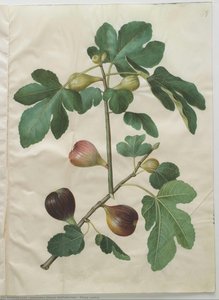
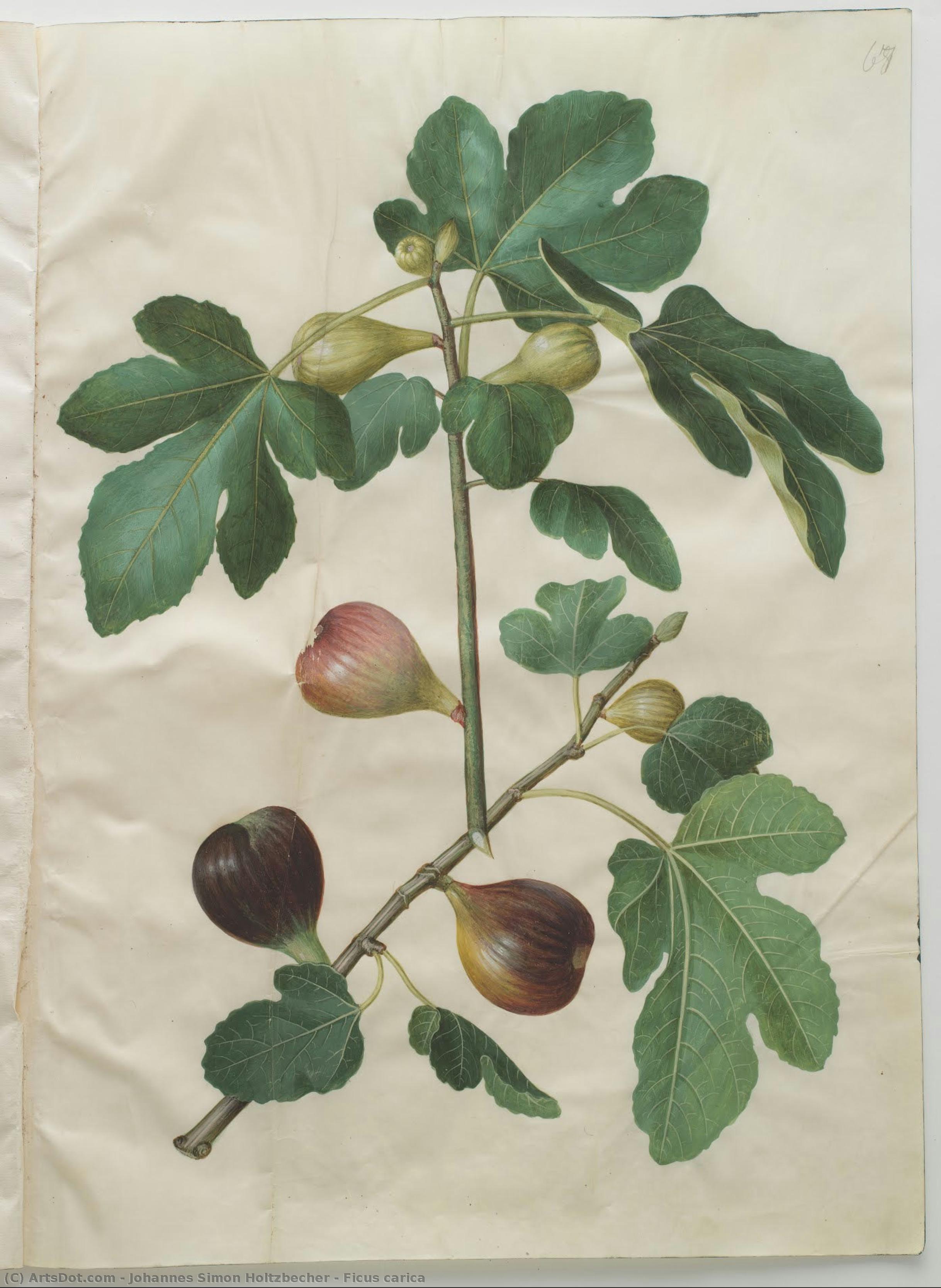
Ficus carica
 Oil
Oil- WallArt
- Baroque
 1659
1659- Early Modern
 38.0 x 50.0 cm
 National Gallery of Denmark
 Read More
Giclée / Art Print
Museum-quality giclée or canvas print with fast production and flexible finish options. ( Buy Hand Made Painting Buy Image)




P118B $10

P118H $10

P118W $10

P438Z $10

P508JH $12

P508YH $12

P805H $10

P805Z $10

P919BZ $10

P919G $10

P919XJ $10

P959ZH $10

P968JZ $12

W106C $8

W218G $10

W218JH $8

W218Y $10

W307PJ $10

W316G $10

W316PJ $8

W316Y $10

W398PJ $8

W4111J $10

W500HY $15

W500JH $15

W692G $12

W849H $8

W940BG $15

W953PJ $8




Pick from our preset sizes that match the artwork's original proportions.

You may enter your own dimensions to fit a specific frame or space. If your selected size does not match the original image's proportions, we will either crop the artwork or extend the image with a mirrored or solid-fill edge. A digital mockup will be sent for your approval before production begins.
Please note that the on-screen preview does not reflect the actual cropping or extension. Only the mockup will accurately show the final composition.
While custom sizes are available, we recommend selecting a dimension from the predefined list to preserve the original proportions.
Worldwide Delivery () in 2 weeks instead of standard 4/5 weeks. (22 August)

Free Worldwide Express Shipping

High-Quality Linen Canvas

Full Shipping Insurance

Customs Tax Refund Guarantee

True Color Matching Guarantee

60-Day Return Policy (Defects Only)

100% Money-Back Guarantee

Bulk Discount Offer
 Glass option is only available in size under 110 CM

Ficus carica
Giclée / Art Print
Reproduction Size
-


Total Price
$ 63
Collectible Description
A Botanical Symphony in Oil
In the quiet, meticulous world of seventeenth-century still life, few works capture the tactile essence of nature as intimately as Johannes Simon Holtzbecher’s Ficus carica. Painted in 1659, this exquisite composition serves as a vibrant window into a moment of botanical abundance. At first glance, the viewer is greeted by a lush tapestry of verdant leaves and sturdy brown branches, but upon closer inspection, the painting reveals a surprising and delightful diversity of life. The artist masterfully weaves together the familiar with the unexpected, placing ripe apples and bright oranges amidst the foliage of the fig tree. This interplay of textures—the smooth skin of the citrus, the matte surface of the orchard fruit, and the organic roughness of the bark—creates a sensory experience that transcends the flat plane of the canvas.
The technique employed by Holtzbecher reflects the profound influence of the Dutch and Flemish masters who defined the Golden Age of still life. His approach is characterized by an almost scientific precision, yet it is never devoid of soul. Every droplet of light reflecting off a fruit's surface and every subtle vein in a leaf is rendered with a devotion to detail that speaks to the era's fascination with naturalism. Through his skilled use of oil, Holtzblecher achieves a luminous depth; the colors are not merely applied but seem to glow from within, particularly the warm, sun-kissed tones of the oranges which provide a striking chromatic contrast to the deep, cool greens of the surrounding leaves.
Symbolism and the Art of Observation
Beyond its surface beauty, Ficus carica invites a deeper contemplation of the natural order and the concept of abundance. In the seventeenth century, botanical paintings were rarely just decorative; they were often imbued with layers of meaning regarding fertility, the seasons, and the fleeting nature of life. The inclusion of various fruits from different climates suggests a celebration of a bountiful, interconnected world. There is a profound sense of harmony in how Holtzbecher arranges these elements—some fruits hang precariously from branches while others rest near the trunk, creating a balanced yet dynamic composition that guides the eye in a rhythmic dance across the work.
For the modern collector or interior designer, this piece offers more than just historical significance; it provides an emotional anchor for any space. The painting possesses a timeless elegance that can breathe life into a contemporary gallery wall or add a layer of classical sophistication to a traditional study. Its ability to evoke the freshness of an orchard and the quiet stillness of a summer afternoon makes it a captivating centerpiece. Owning a high-quality reproduction of such a masterpiece allows one to invite this sense of organic tranquility and historical grandeur into the home, serving as a constant reminder of the enduring beauty found in the smallest details of the natural world.
Related Artworks
Artist Biography
biography and artistic style
johannes simon holtzbecher, a german artist born in nuremberg in 1633, left an indelible mark on the world of art with his exquisite still life and floral compositions. he passed away in 1681, but his works continue to inspire artists and art enthusiasts alike. as a painter and engraver, holtzbecher's style was heavily influenced by the dutch and flemish traditions of still life painting. he worked in gouache, watercolor, and oil, showcasing his versatility as an artist. his meticulous attention to detail and use of rich, vibrant colors have made his works highly sought after.notable works
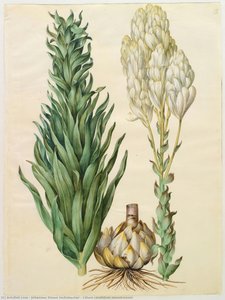
some of holtzbecher's most famous works include:- lilium candidum monstrosum (38 x 50 cm, national gallery of denmark, copenhagen, denmark, gouache) - a stunning example of his skill in capturing the beauty of flowers. [https://ArtsDot.com/@@/d3z3qj-johannes-simon-holtzbecher-lilium-candidum-monstrosum](https://ArtsDot.com/@@/d3z3qj-johannes-simon-holtzbecher-lilium-candidum-monstrosum)
- tulipa gesneriana (38 x 50 cm, national gallery of denmark, copenhagen, denmark, gouache) - a testament to his ability to bring out the intricate details of flowers. [https://ArtsDot.com/@@/d3z3nc-johannes-simon-holtzbecher-tulipa-gesneriana](https://ArtsDot.com/@@/d3z3nc-johannes-simon-holtzbecher-tulipa-gesneriana)
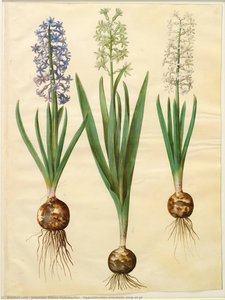
- hyacinthoides orientalis simp et pl (38 x 50 cm, national gallery of denmark, copenhagen, denmark, gouache) - a beautiful example of his work with floral compositions. [https://ArtsDot.com/@@/d3z3py-johannes-simon-holtzbecher-hyacinthoides-orientalis-simp-et-pl](https://ArtsDot.com/@@/d3z3py-johannes-simon-holtzbecher-hyacinthoides-orientalis-simp-et-pl)
legacy and influence
despite passing away in 1681, holtzbecher's legacy lives on through his stunning works. his influence can be seen in many artists who have followed in his footsteps, and his contributions to the world of art remain unparalleled. to explore more of johannes simon holtzbecher's works and learn about other renowned artists, visit [https://ArtsDot.com/@/johannes-simon-holtzbecher](https://ArtsDot.com/@/johannes-simon-holtzbecher). for a deeper understanding of his artistic style and the cultural context in which he worked, check out the national gallery of denmark, copenhagen, denmark, where many of his notable works are on display. /en/art/show/art-d3bcgp-en/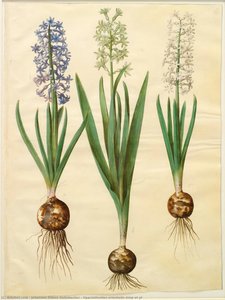
johannes simon holtzbecher
1633 - 1681 , Germany
Quick Facts
- Artistic Movement Or Style: Dutch & Flemish Still Life
- Artists Or Movements Influenced By This Artist: ['Floral Painting']
- Artists Who Influenced This Artist: ['Dutch Masters']
- Date Of Birth: 1633
- Date Of Death: 1681
- Full Name: Johannes Simon Holtzbecher
- Nationality: German
- Notable Artworks:
- Lilium candidum monstrosum
- Tulipa gesneriana
- Hyacinthoides orientalis simp et pl
- Place Of Birth: Nuremberg, Germany
Related Articles
The Bountiful Still Life: Symbolism & Artistic Representation of Fruit Across Art History
Explore the rich history of still life painting & the symbolism of fruit across art movements. Discover masterpieces from Caravaggio to Cézanne with ArtsDot – expert guidance & museum-quality reproductions.
Silent Narratives: Exploring the Enduring Appeal of Still Life Painting Across Centuries
Explore the rich history of still life painting with ArtsDot. Discover Dutch Masters, decode vanitas symbolism & learn about collecting timeless art. Expert insights and museum-quality reproductions.
The Enduring Appeal of Still Life: A Historical & Contemporary Exploration
Explore the rich history & symbolism of still life painting with ArtsDot. Discover masterpieces from the Dutch Golden Age, learn about vanitas art, and find expert guidance for collecting timeless artworks.

Cézanne's Masterpieces: 25 Iconic Artworks to Transform Your Space
Journey through 25 iconic artworks by Paul Cézanne – a master of Impressionism and Post-Impressionism. Explore his landscapes, still lifes, and the stories behind these timeless masterpieces. Discover museum-quality reproductions & curated decor at ArtsDot.com.
Severin Roesen: Evoking National Identity Through American Still Life Painting
Explore the captivating world of Severin Roesen, a major American still life painter influenced by Dutch masters. Discover his lush compositions and the symbolism within his art – a window into 19th-century America.