

 Preview
 Send
Send Share
Share
 Details

 Download
 Similars
 X-Ray
X-Ray Diaporama
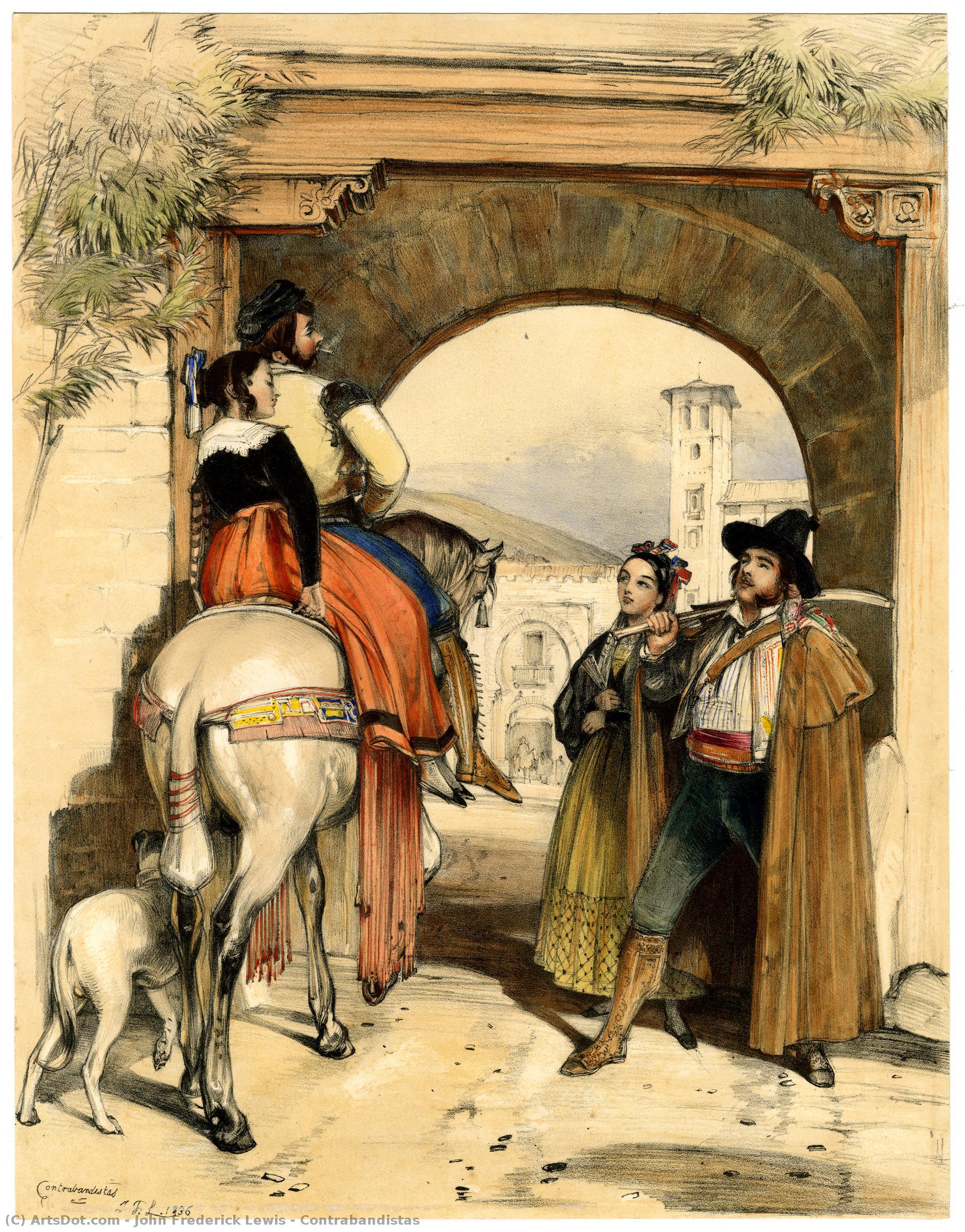
Contrabandistas


 Read More
Purchase a high-resolution, enhanced digital image, far superior to the online preview.
Each file is meticulously prepared by our in-house specialists using advanced tools and expert manual retouching. We ensure every image has exceptional clarity, precise color accuracy, and fine detail.
The final file is delivered via email within 72 hours, optimized for immediate use in professional, editorial, and print environments. This is the same quality trusted by top-tier design studios, publishers, and galleries.
Digital Image
Download a high-resolution file for personal display, printing, and creative projects. ( Buy Print Buy Hand Made Painting)
Included in Every Digital Image Order
Expert Digital Delivery, Guaranteed
When you choose ArtsDot.com, you're not just getting an image - you're receiving a professionally enhanced digital artwork, crafted with precision and backed by a satisfaction guarantee. Here's everything that comes with your order, automatically:

Fast Email Delivery
Your high-resolution digital image file will be emailed to you within 72 hours of ordering - ready for immediate use.

AI-Enhanced Digital File
Your artwork is professionally optimized using advanced AI tools and manual editing, ensuring maximum detail, clarity, and color accuracy.

Free Lifetime Re-Delivery
Accidentally deleted or lost your file? No worries - we'll resend it to you anytime, free of charge.

No Import Fees - Ever
Enjoy your artwork instantly with zero customs, duties, or delivery fees - digital downloads are always tax-free.

Color Accuracy Guarantee
We ensure your digital image reflects the original colors as closely as possible using professional tools and color management.

60-Day Satisfaction Guarantee
If you're not satisfied with your digital image, we'll revise it or refund 100% within 60 days - no questions asked.

100% Money-Back Guarantee
Not satisfied? Get a full refund within 60 days of receiving your digital file - no questions asked.

Bulk Order Discounts
Buy 3 images, save 10% - Buy 5, save 15% - Buy 10+, save 20%. Great for creative projects, galleries, and agencies.
Collectible Description
John Frederick Lewis’s “Contrabandistas”: A Glimpse of Spain’s Shadowed Past
John Frederick Lewis's "Contrabandistas," painted in 1836, is more than just a depiction of a roadside scene; it’s a meticulously crafted window into the complexities of early 19th-century Spain – a nation grappling with political upheaval, economic hardship, and the enduring allure of illicit trade. This remarkable lithograph, now housed within the British Museum's collection, offers a rare insight into the artist’s keen observation of Spanish life and his masterful ability to capture both its rugged beauty and underlying tensions. Lewis, an English Orientalist painter who spent considerable time in Spain and North Africa, brought a distinctly European sensibility to his subject matter, yet he demonstrated a remarkable sensitivity to the local culture and atmosphere.The Scene Unfolds: Narrative and Composition
The painting immediately draws the eye with its dynamic composition. A small group of figures – a woman, presumably a smuggler’s wife or accomplice, and two men on horseback – are positioned before an arched gateway, likely leading to a village square. The architecture itself is significant; the weathered stone arches suggest a history steeped in tradition and perhaps even clandestine activity. The placement of the figures creates a strong diagonal line that guides the viewer's eye through the scene, emphasizing the movement and urgency of the moment. Note the deliberate use of light and shadow – a hallmark of Lewis’s technique – which adds depth and drama to the composition. The man on the left, sporting a hat, appears to be directing the group, while the figure on the right is turned away, adding an element of mystery and perhaps suggesting a hidden agenda. A dog sits patiently near the bottom left corner, a subtle detail that hints at the practical realities of life in this region.Technique and Style: Romanticism with Orientalist Influences
Lewis’s style is firmly rooted in the Romantic movement, characterized by its emphasis on emotion, drama, and the sublime. However, his work also bears a distinct influence from his extensive travels in the East – particularly Morocco and Egypt. This fusion of styles is evident in his meticulous attention to detail, his use of rich colors, and his ability to render complex textures, such as the worn stone of the arches and the rough fabric of the figures’ clothing. The lithograph medium itself—a technique he frequently employed—allowed for a high level of precision and tonal control, enabling him to capture the nuances of light and shadow with remarkable accuracy. The artist's skill in depicting the Spanish landscape is particularly noteworthy; it feels both authentically regional and imbued with a sense of timelessness.Symbolism and Historical Context: Smuggling and Social Commentary
“Contrabandistas” offers a poignant commentary on Spain’s economic realities during this period. The illegal trade in goods – often wine, textiles, or even people – was widespread, providing a vital source of income for many communities but also fueling corruption and instability. The figures depicted are not idealized heroes; they represent individuals caught in the margins of society, engaged in an activity that was both risky and morally ambiguous. The woman’s posture suggests a quiet resilience, while the men on horseback embody the spirit of adventure and perhaps even desperation. Lewis's decision to portray this scene with such realism speaks volumes about his engagement with the social issues of his time. It is important to note that Lewis, unlike many other Orientalist painters, avoided sensationalizing the depiction of women in the Middle East, focusing instead on portraying them with dignity and respect.A Reproduction for Today’s Collector
ArtsDot offers meticulously hand-painted reproductions of “Contrabandistas” that capture the essence of Lewis's original masterpiece. Our skilled artists replicate his meticulous attention to detail, vibrant color palette, and evocative atmosphere with unparalleled accuracy. Whether you are an art enthusiast, a collector seeking to expand your collection, or simply someone looking for a stunning piece of wall décor, our reproduction provides a beautiful and authentic representation of this significant work. It’s a timeless image that speaks volumes about Spanish history, human resilience, and the enduring power of art to illuminate the past. Explore our selection today and bring a touch of 19th-century Spain into your home.Related Artworks

Artist Biography
John Frederick Lewis: A Life in Orientalist Painting
Early Life and Training
John Frederick Lewis, a prominent English Orientalist painter, was born on July 14, 1804, in London. He was the son of Frederick Christian Lewis, an engraver and landscape painter. This familial artistic background undoubtedly influenced his early development. His formal training began under the tutelage of Sir Thomas Lawrence, where he honed his skills alongside fellow artists like Edwin Landseer. This foundational period instilled in him a strong understanding of technique and composition.
Artistic Career & Development
Lewis’s artistic career unfolded through several distinct phases, each marked by evolving styles and thematic focuses:
- Orientalist Period: Lewis embarked on extensive travels throughout the Mediterranean region, meticulously capturing its essence in detailed watercolor and oil paintings. He frequently revisited compositions, rendering them across multiple mediums.
- Spanish & Moroccan Influences (1832-1834): A tour of Spain and Morocco proved pivotal. He produced numerous lithographs later published as “Sketches and Drawings of the Alhambra” (1835) and “Lewis’s Sketches of Spain and Spanish Character” (1836).
- Egyptian Period (1841-1851): His sojourn in Cairo was arguably his most productive. Here, he perfected his Orientalist style, creating highly detailed works showcasing both realistic genre scenes and idealized depictions of upper-class Egyptian interiors.
Notable Works
Lewis created a substantial body of work celebrated for its meticulous detail and evocative atmosphere. Some of his most recognized pieces include:
- A Bedouin (Yale Center for British Art, New Haven) – A watercolor exemplifying his Orientalist style.
- The Ramesseum at Thebes (Yale Center for British Art, New Haven) – Showcasing his remarkable attention to architectural detail.
- A Young Turkish Woman (Yale Center for British Art, New Haven) – Another striking example of his Orientalist work.
- Harem Life in Constantinople - A detailed oil painting depicting Ottoman domestic life.
Influences and Artistic Style
Lewis’s style was shaped by several influences, most notably Sir Thomas Lawrence's emphasis on portraiture and composition. However, his direct observation of Middle Eastern cultures allowed him to develop a unique aesthetic characterized by:
- Meticulous Detail: A commitment to accurately representing textures, patterns, and architectural elements.
- Rich Color Palette: Employing vibrant hues inspired by the landscapes and costumes he encountered.
- Genre Scenes & Interior Views: Focusing on everyday life and intimate domestic settings.
Legacy and Historical Significance
Lewis’s contribution to the art world lies in his significant role in developing Orientalist painting. His meticulous representations of Islamic architecture, furnishings, and costumes set new standards for realism within the genre. He helped popularize a romanticized yet detailed vision of the Middle East among Western audiences. After returning to England in 1851, he continued to paint until his death on August 15, 1876, in Walton-on-Thames.
His work continues to be studied and admired for its artistic merit and historical insight into 19th-century perceptions of the Orient.
John Frederick Lewis
1804 - 1876 , United Kingdom
Quick Facts
- Birth Date: July 14, 1804
- Birth Place: London, United Kingdom
- Death Date: August 15, 1876
- Influenced By: Sir Thomas Lawrence
- Movement: Orientalism
- Name: John Frederick Lewis
- Nationality: British
- Notable Works:
- A Bedouin
- The Ramesseum at Thebes
- A Young Turkish Woman
- Harem Life in Constantinople

