

 Preview
 Send
Send Share
Share
 Details

 Download
 Similars
 X-Ray
X-Ray Diaporama
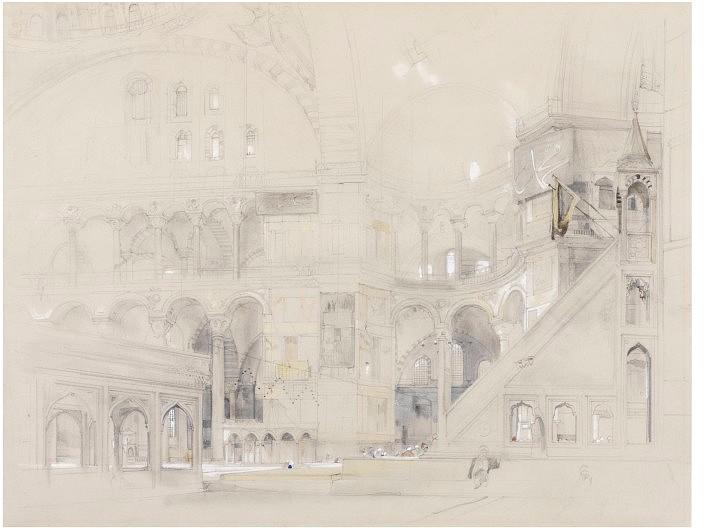
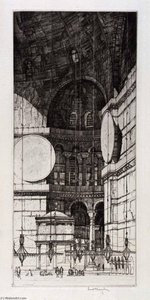
Interior of Hagia Sophia, Constantinople

 Read More
Purchase a high-resolution, enhanced digital image, far superior to the online preview.
Each file is meticulously prepared by our in-house specialists using advanced tools and expert manual retouching. We ensure every image has exceptional clarity, precise color accuracy, and fine detail.
The final file is delivered via email within 72 hours, optimized for immediate use in professional, editorial, and print environments. This is the same quality trusted by top-tier design studios, publishers, and galleries.
Digital Image
Download a high-resolution file for personal display, printing, and creative projects. ( Buy Print Buy Hand Made Painting)
Included in Every Digital Image Order
Expert Digital Delivery, Guaranteed
When you choose ArtsDot.com, you're not just getting an image - you're receiving a professionally enhanced digital artwork, crafted with precision and backed by a satisfaction guarantee. Here's everything that comes with your order, automatically:

Fast Email Delivery
Your high-resolution digital image file will be emailed to you within 72 hours of ordering - ready for immediate use.

AI-Enhanced Digital File
Your artwork is professionally optimized using advanced AI tools and manual editing, ensuring maximum detail, clarity, and color accuracy.

Free Lifetime Re-Delivery
Accidentally deleted or lost your file? No worries - we'll resend it to you anytime, free of charge.

No Import Fees - Ever
Enjoy your artwork instantly with zero customs, duties, or delivery fees - digital downloads are always tax-free.

Color Accuracy Guarantee
We ensure your digital image reflects the original colors as closely as possible using professional tools and color management.

60-Day Satisfaction Guarantee
If you're not satisfied with your digital image, we'll revise it or refund 100% within 60 days - no questions asked.

100% Money-Back Guarantee
Not satisfied? Get a full refund within 60 days of receiving your digital file - no questions asked.

Bulk Order Discounts
Buy 3 images, save 10% - Buy 5, save 15% - Buy 10+, save 20%. Great for creative projects, galleries, and agencies.
Collectible Description
Subject and Composition
This captivating architectural drawing offers a detailed glimpse into the majestic interior of the Hagia Sophia, one of the most iconic symbols of Byzantine architecture and religious history. The sketch captures the grandeur of this historic space, emphasizing its vastness, intricate structural elements, and spiritual ambiance. Architectural features such as soaring arches, ornate columns, sweeping staircases, and multiple balconies evoke a sense of awe and reverence, inviting viewers to imagine the divine atmosphere that once filled this sacred site. The composition guides the eye through the layered depths of the interior, emphasizing verticality and openness, characteristic of monumental ecclesiastical architecture.Style and Technique
Executed with delicate precision, this work exemplifies classical architectural drafting and academic study. The artist employs fine line work, subtle shading, and restrained washes of color to delineate structural forms and textures. The monochromatic palette, primarily composed of soft grays and faint washes, underscores the technical nature of the drawing while also highlighting the spatial complexity of the interior. The use of perspective, with converging lines leading toward the upper levels, enhances the sense of depth and scale. This piece is likely a preparatory sketch or study, reflecting the meticulous planning involved in Byzantine architectural design.Historical Context and Significance
Created during a period when the Hagia Sophia stood as the epitome of Byzantine religious and architectural achievement, this drawing embodies the grandeur and spiritual significance of the structure. Built between 532 and 537 AD under Emperor Justinian I, the Hagia Sophia was a marvel of engineering and artistry, symbolizing the divine authority of the Byzantine Empire. Its innovative use of domes, light, and space influenced countless religious buildings across the centuries. As a site that transitioned from a Christian cathedral to an Ottoman mosque and now a museum and mosque again, the Hagia Sophia remains a powerful testament to cultural resilience and spiritual unity.Symbolism and Emotional Impact
This artwork transcends mere technical representation, capturing the soul of a space that has witnessed centuries of faith, history, and cultural transformation. The unfinished quality of the drawing invites viewers to appreciate the process of architectural creation—an act of human craftsmanship aimed at reaching the divine. The delicate lines and subtle shading evoke a sense of reverence, inspiring awe and contemplation. For art lovers and collectors, this piece offers a profound connection to history and spirituality, serving as a reminder of the enduring power of architecture to inspire and elevate the human spirit.Inspiration for Interior Design and Collection
Perfect for interior designers seeking to evoke historical grandeur or spiritual serenity, this artwork provides a timeless focal point that complements both classical and modern spaces. Its detailed depiction of Byzantine architecture can serve as a centerpiece in a sophisticated collection, inspiring conversations about history, faith, and artistic mastery. Whether displayed in a private study, gallery, or cultural space, this piece invites viewers to explore the majestic interior of one of the world’s most revered architectural masterpieces, making it an invaluable addition for those passionate about history, art, and design.Related Artworks

Artist Biography
John Frederick Lewis: A Life in Orientalist Painting
Early Life and Training
John Frederick Lewis, a prominent English Orientalist painter, was born on July 14, 1804, in London. He was the son of Frederick Christian Lewis, an engraver and landscape painter. This familial artistic background undoubtedly influenced his early development. His formal training began under the tutelage of Sir Thomas Lawrence, where he honed his skills alongside fellow artists like Edwin Landseer. This foundational period instilled in him a strong understanding of technique and composition.
Artistic Career & Development
Lewis’s artistic career unfolded through several distinct phases, each marked by evolving styles and thematic focuses:
- Orientalist Period: Lewis embarked on extensive travels throughout the Mediterranean region, meticulously capturing its essence in detailed watercolor and oil paintings. He frequently revisited compositions, rendering them across multiple mediums.
- Spanish & Moroccan Influences (1832-1834): A tour of Spain and Morocco proved pivotal. He produced numerous lithographs later published as “Sketches and Drawings of the Alhambra” (1835) and “Lewis’s Sketches of Spain and Spanish Character” (1836).
- Egyptian Period (1841-1851): His sojourn in Cairo was arguably his most productive. Here, he perfected his Orientalist style, creating highly detailed works showcasing both realistic genre scenes and idealized depictions of upper-class Egyptian interiors.
Notable Works
Lewis created a substantial body of work celebrated for its meticulous detail and evocative atmosphere. Some of his most recognized pieces include:
- A Bedouin (Yale Center for British Art, New Haven) – A watercolor exemplifying his Orientalist style.
- The Ramesseum at Thebes (Yale Center for British Art, New Haven) – Showcasing his remarkable attention to architectural detail.
- A Young Turkish Woman (Yale Center for British Art, New Haven) – Another striking example of his Orientalist work.
- Harem Life in Constantinople - A detailed oil painting depicting Ottoman domestic life.
Influences and Artistic Style
Lewis’s style was shaped by several influences, most notably Sir Thomas Lawrence's emphasis on portraiture and composition. However, his direct observation of Middle Eastern cultures allowed him to develop a unique aesthetic characterized by:
- Meticulous Detail: A commitment to accurately representing textures, patterns, and architectural elements.
- Rich Color Palette: Employing vibrant hues inspired by the landscapes and costumes he encountered.
- Genre Scenes & Interior Views: Focusing on everyday life and intimate domestic settings.
Legacy and Historical Significance
Lewis’s contribution to the art world lies in his significant role in developing Orientalist painting. His meticulous representations of Islamic architecture, furnishings, and costumes set new standards for realism within the genre. He helped popularize a romanticized yet detailed vision of the Middle East among Western audiences. After returning to England in 1851, he continued to paint until his death on August 15, 1876, in Walton-on-Thames.
His work continues to be studied and admired for its artistic merit and historical insight into 19th-century perceptions of the Orient.
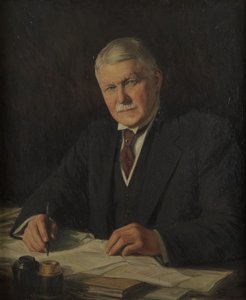
John Frederick Lewis
1804 - 1876 , United Kingdom
Quick Facts
- Birth Date: July 14, 1804
- Birth Place: London, United Kingdom
- Death Date: August 15, 1876
- Influenced By: Sir Thomas Lawrence
- Movement: Orientalism
- Name: John Frederick Lewis
- Nationality: British
- Notable Works:
- A Bedouin
- The Ramesseum at Thebes
- A Young Turkish Woman
- Harem Life in Constantinople

