 Preview
 Send
Send Share
Share
 Details

 Download
 Similars
 X-Ray
X-Ray Diaporama
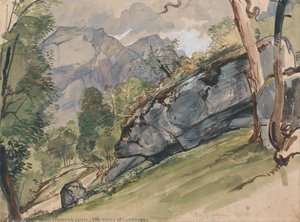
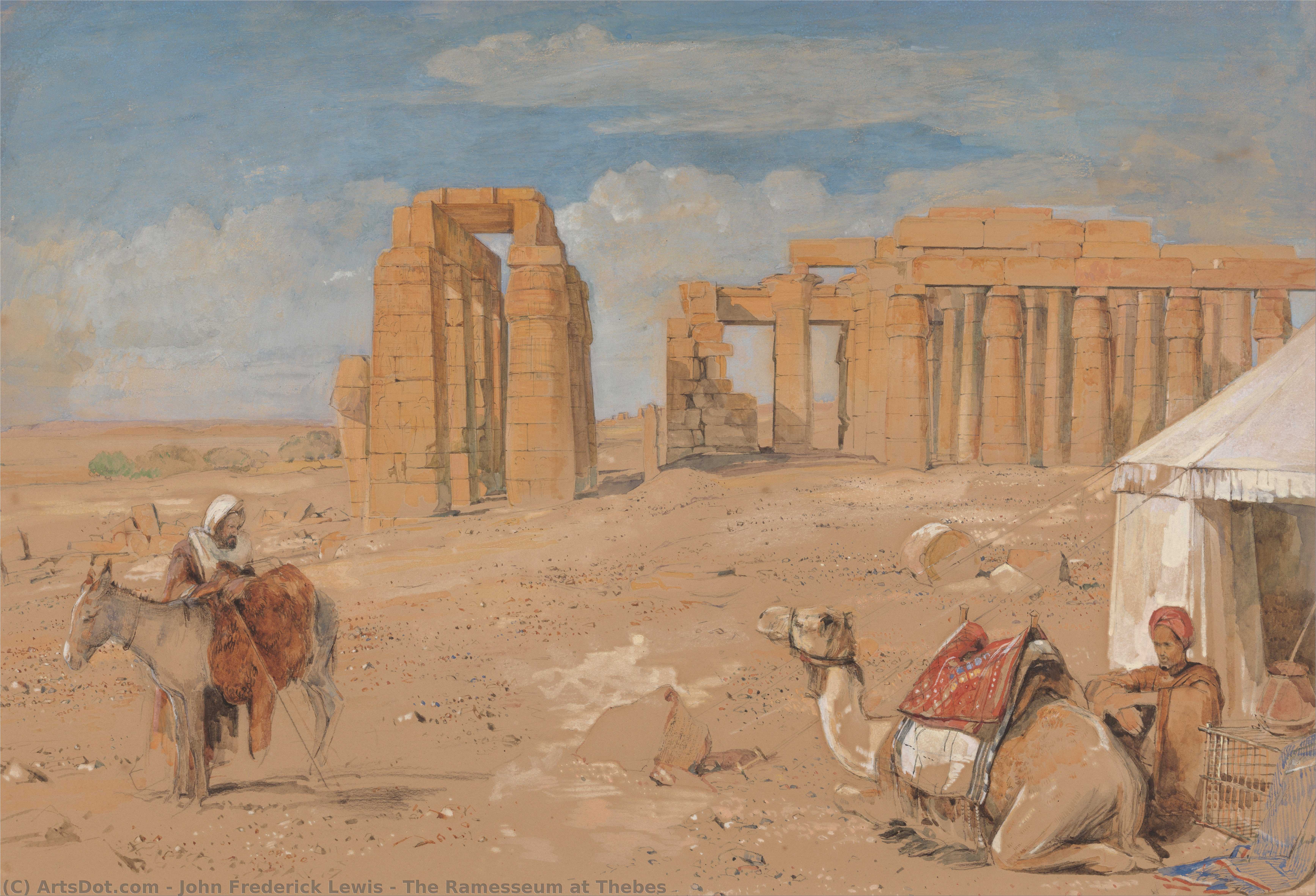
The Ramesseum at Thebes


 Read More
Giclée / Art Print
Museum-quality giclée or canvas print with fast production and flexible finish options. ( Buy Hand Made Painting Buy Image)




P118B $10

P118H $10

P118W $10

P438Z $10

P508JH $12

P508YH $12

P805H $10

P805Z $10

P919BZ $10

P919G $10

P919XJ $10

P959ZH $10

P968JZ $12

W106C $8

W218G $10

W218JH $8

W218Y $10

W307PJ $10

W316G $10

W316PJ $8

W316Y $10

W398PJ $8

W4111J $10

W500HY $15

W500JH $15

W692G $12

W849H $8

W940BG $15

W953PJ $8




Pick from our preset sizes that match the artwork's original proportions.

You may enter your own dimensions to fit a specific frame or space. If your selected size does not match the original image's proportions, we will either crop the artwork or extend the image with a mirrored or solid-fill edge. A digital mockup will be sent for your approval before production begins.
Please note that the on-screen preview does not reflect the actual cropping or extension. Only the mockup will accurately show the final composition.
While custom sizes are available, we recommend selecting a dimension from the predefined list to preserve the original proportions.
Worldwide Delivery () in 2 weeks instead of standard 4/5 weeks. (16 August)

Free Worldwide Express Shipping

High-Quality Linen Canvas

Full Shipping Insurance

Customs Tax Refund Guarantee

True Color Matching Guarantee

60-Day Return Policy (Defects Only)

100% Money-Back Guarantee

Bulk Discount Offer
 Glass option is only available in size under 110 CM

The Ramesseum at Thebes
Giclée / Art Print
Reproduction Size
-


Total Price
$ 63
Collectible Description
A Journey Through Time in Watercolor
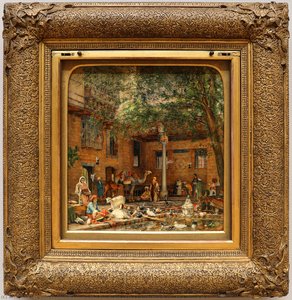
In the delicate, luminous strokes of John Frederick Lewis’s 1851 masterpiece, The Ramesseum at Thebes, the viewer is transported far beyond the confines of nineteenth-century London and into the sun-drenched, evocative landscapes of ancient Egypt. This exquisite watercolor serves as more than a mere topographical record; it is a window into the romanticized spirit of exploration that defined the Victorian era. Through his masterful command of light and transparency, Lewis captures the monumental scale of the Ramesseum ruins, allowing the weathered stone to breathe with the weight of millennia. The composition invites us to wander through the debris of history, where the grandeur of a lost civilization meets the vibrant, pulsing life of the contemporary traveler.
The scene is a tapestry of movement and stillness, meticulously orchestrated to evoke a sense of profound adventure. Amidst the towering, fractured columns, figures emerge like characters in an epic poem—men navigating the desert on camels, travelers pausing to contemplate the shadows, and even the unexpected, majestic presence of an elephant near the center-right. These elements introduce a layer of exoticism and narrative depth, suggesting that while the monuments are silent and static, the world around them remains in constant, rhythmic motion. For the collector or interior designer, this piece offers a captivating focal point that balances the heavy, historical gravity of the ruins with the light, airy spontaneity of watercolor technique.
The Artistry of Orientalism and Light
As a preeminent figure in the Orientalist movement, John Frederick Lewis possessed an unparalleled ability to render the textures of distant lands with scientific precision and poetic soul. In this work, his technique shines through the subtle gradations of color that define the Egyptian heat. The watercolor medium allows for a luminous quality, where the sunlight seems to filter through the atmosphere, casting soft shadows that dance across the ancient masonry. His training under Sir Thomas Lawrence is evident in the sophisticated handling of composition, ensuring that despite the complexity of the figures and animals, the eye is always led back to the architectural majesty of Thebes.
Beyond its aesthetic beauty, The Ramesseum at Thebes carries a deep emotional resonance. It speaks to the human fascination with the ephemeral nature of power and the enduring legacy of art and architecture. There is a poignant tension between the crumbling, colossal structures of the Pharaohs and the transient, everyday activities of the people passing through them. This interplay of the eternal and the momentary makes the painting an incredibly versatile piece for high-end decor; it provides a sophisticated intellectual depth to any room, serving as a conversation starter that bridges the gap between historical scholarship and pure, emotive beauty. To possess a reproduction of this work is to hold a fragment of the nineteenth-century's greatest romantic dream.
Related Artworks
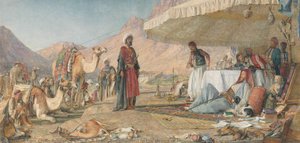
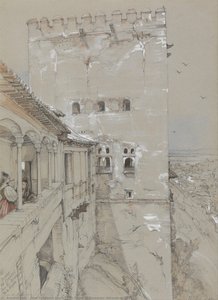
Artist Biography
John Frederick Lewis: A Life in Orientalist Painting
Early Life and Training
John Frederick Lewis, a prominent English Orientalist painter, was born on July 14, 1804, in London. He was the son of Frederick Christian Lewis, an engraver and landscape painter. This familial artistic background undoubtedly influenced his early development. His formal training began under the tutelage of Sir Thomas Lawrence, where he honed his skills alongside fellow artists like Edwin Landseer. This foundational period instilled in him a strong understanding of technique and composition.
Artistic Career & Development
Lewis’s artistic career unfolded through several distinct phases, each marked by evolving styles and thematic focuses:
- Orientalist Period: Lewis embarked on extensive travels throughout the Mediterranean region, meticulously capturing its essence in detailed watercolor and oil paintings. He frequently revisited compositions, rendering them across multiple mediums.
- Spanish & Moroccan Influences (1832-1834): A tour of Spain and Morocco proved pivotal. He produced numerous lithographs later published as “Sketches and Drawings of the Alhambra” (1835) and “Lewis’s Sketches of Spain and Spanish Character” (1836).
- Egyptian Period (1841-1851): His sojourn in Cairo was arguably his most productive. Here, he perfected his Orientalist style, creating highly detailed works showcasing both realistic genre scenes and idealized depictions of upper-class Egyptian interiors.
Notable Works
Lewis created a substantial body of work celebrated for its meticulous detail and evocative atmosphere. Some of his most recognized pieces include:
- A Bedouin (Yale Center for British Art, New Haven) – A watercolor exemplifying his Orientalist style.
- The Ramesseum at Thebes (Yale Center for British Art, New Haven) – Showcasing his remarkable attention to architectural detail.
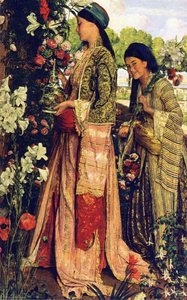
- A Young Turkish Woman (Yale Center for British Art, New Haven) – Another striking example of his Orientalist work.
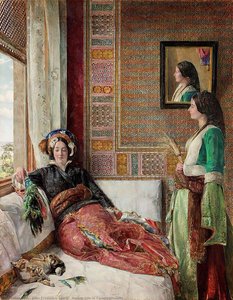
- Harem Life in Constantinople - A detailed oil painting depicting Ottoman domestic life.
Influences and Artistic Style
Lewis’s style was shaped by several influences, most notably Sir Thomas Lawrence's emphasis on portraiture and composition. However, his direct observation of Middle Eastern cultures allowed him to develop a unique aesthetic characterized by:
- Meticulous Detail: A commitment to accurately representing textures, patterns, and architectural elements.
- Rich Color Palette: Employing vibrant hues inspired by the landscapes and costumes he encountered.
- Genre Scenes & Interior Views: Focusing on everyday life and intimate domestic settings.
Legacy and Historical Significance
Lewis’s contribution to the art world lies in his significant role in developing Orientalist painting. His meticulous representations of Islamic architecture, furnishings, and costumes set new standards for realism within the genre. He helped popularize a romanticized yet detailed vision of the Middle East among Western audiences. After returning to England in 1851, he continued to paint until his death on August 15, 1876, in Walton-on-Thames.
His work continues to be studied and admired for its artistic merit and historical insight into 19th-century perceptions of the Orient.
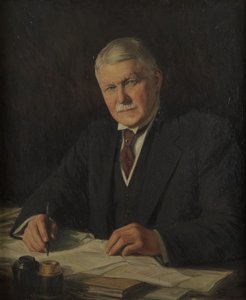
John Frederick Lewis
1804 - 1876 , United Kingdom
Quick Facts
- Birth Date: July 14, 1804
- Birth Place: London, United Kingdom
- Death Date: August 15, 1876
- Influenced By: Sir Thomas Lawrence
- Movement: Orientalism
- Name: John Frederick Lewis
- Nationality: British
- Notable Works:
- A Bedouin
- The Ramesseum at Thebes
- A Young Turkish Woman
- Harem Life in Constantinople
Related Articles
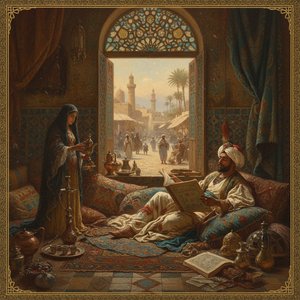
John Frederick Lewis: Orientalism, Detail & Genre Painting in 19th-Century British Art
Explore the captivating Orientalist paintings of John Frederick Lewis! Discover his mastery of detail, genre scenes & influence on 19th-century British art. Learn about his life, techniques & legacy at ArtsDot.

John Singer Sargent's 25 Masterpieces: Portraits & Beyond | ArtsDot
Explore 25 iconic John Singer Sargent paintings – from dazzling portraits to Impressionist landscapes. Discover the stories behind Madame X, El Jaleo & more! Find museum-quality art reproductions and elevate your home decor with ArtsDot.com.

John Constable's Masterpieces: Explore 25 Iconic Landscapes for Your Home
Journey through John Constable's 25 most celebrated landscapes. Explore Romanticism, Dedham Vale & his masterful use of light in iconic paintings like 'Hay Wain'. Find museum-quality art reproductions and elevate your home decor on ArtsDot.com.
John Frederick Herring Sr.: Equestrian Mastery & the Rise of Sporting Art in Victorian England
Explore the life & work of John Frederick Herring Sr., a leading Victorian equestrian artist. Discover his masterpieces, patronage, techniques & investment potential. Expert insights for collectors.

John Frederick Kensett: Luminosity, Landscape & the American Identity
Explore the luminous landscapes of John Frederick Kensett, a master of Luminism and key figure in the Hudson River School. Discover his serene paintings & enduring legacy with ArtsDot.