 Preview
 Send
Send Share
Share
 Details

 Download
 Similars
 X-Ray
X-Ray Diaporama
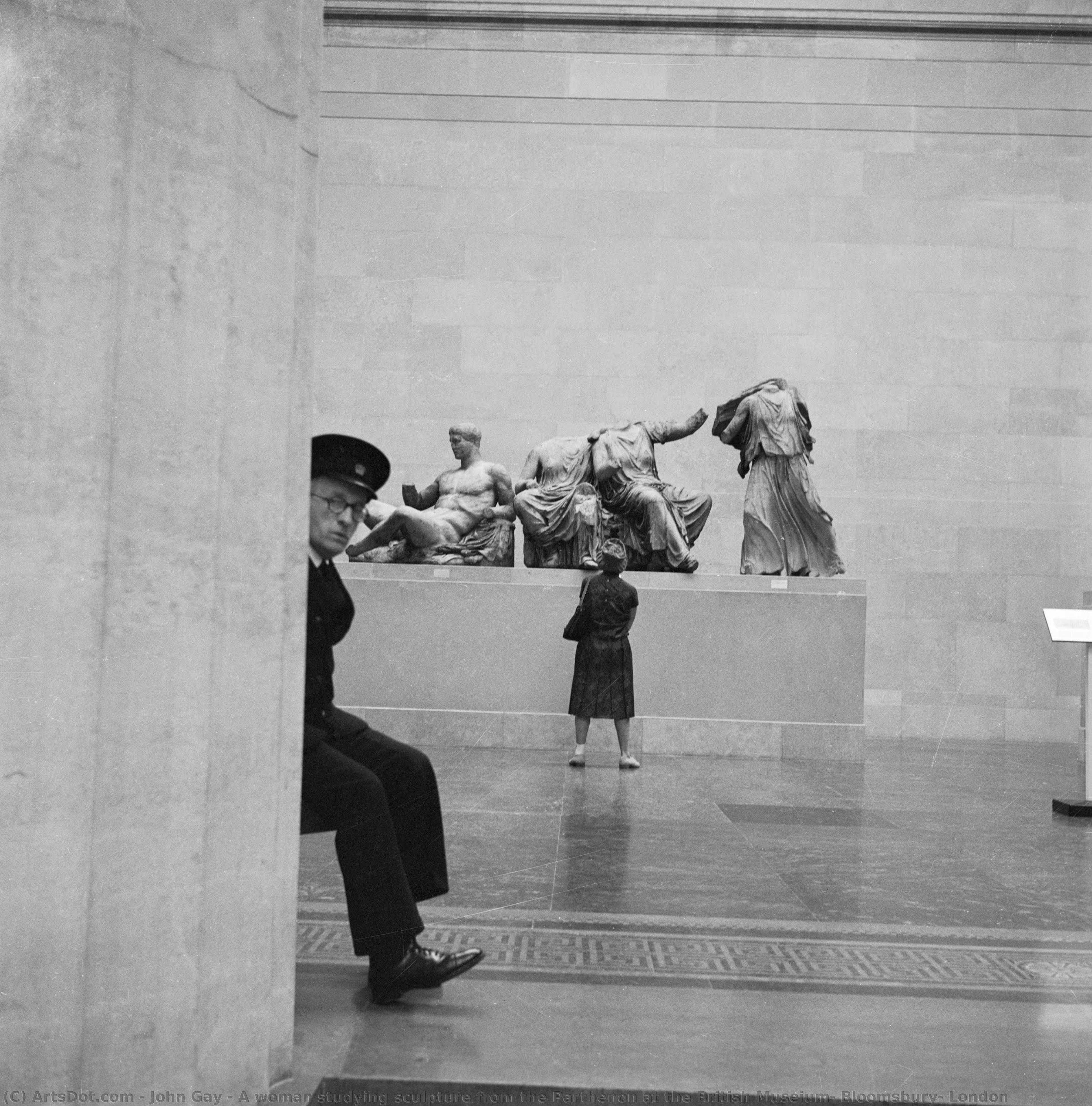
A woman studying sculpture from the Parthenon at the British Museium, Bloomsbury, London


 Read More
Hand Made Oil Reproduction
Hand-painted oil on canvas in your size and frame, made to order by our artists. ( Buy Print Buy Image)




P118B $10

P118H $10

P118W $10

P438Z $10

P508JH $12

P508YH $12

P805H $10

P805Z $10

P919BZ $10

P919G $10

P919XJ $10

P959ZH $10

P968JZ $12

W106C $8

W218G $10

W218JH $8

W218Y $10

W307PJ $10

W316G $10

W316PJ $8

W316Y $10

W398PJ $8

W4111J $10

W500HY $15

W500JH $15

W692G $12

W849H $8

W940BG $15

W953PJ $8




Pick from our preset sizes that match the artwork's original proportions.

You may enter your own dimensions to fit a specific frame or space. If your selected size does not match the original image's proportions, we will either crop the artwork or extend the painting with additional hand-painted elements. A digital mockup will be sent for your approval before production begins.
Please note that the on-screen preview does not reflect the actual cropping or extension. Only the mockup will accurately show the final composition.
While custom sizes are available, we recommend selecting a dimension from the predefined list to preserve the original proportions.
After order, ArtsDot.com team will email client for instructions and provide a mockup preview
Worldwide Delivery () in 3/4 weeks instead of standard 5 weeks. (27 August). No compromise on quality.

Free Worldwide Express Shipping

High-Quality Linen Canvas

Full Shipping Insurance

Customs Tax Refund Guarantee

True Color Matching Guarantee

60-Day Return Policy (Defects Only)

100% Money-Back Guarantee

Bulk Discount Offer
 Glass option is only available in size under 110 CM

A woman studying sculpture from the Parthenon at the British Museium, Bloomsbury, London
Reproduction Medium
Reproduction Size
-


Total Price
$ 288
Artwork Description
A Moment of Contemplation Amidst Antiquity: John Gay’s Portrait of Scholarly Engagement
John Gay's photograph, “A woman studying sculpture from the Parthenon at the British Museum,” captures a serene tableau within the hallowed halls of London’s cultural institution. Executed in 1965, this monochrome print transcends mere documentation; it embodies a profound appreciation for art history and the quiet act of intellectual pursuit. The image speaks volumes about the enduring fascination with classical sculpture and its ability to inspire contemplation—themes that resonate powerfully even today.Composition and Architectural Framing
The photograph’s visual narrative unfolds against a backdrop of imposing neoclassical columns, skillfully employed by Gay to establish a sense of grandeur and guide the viewer's gaze. These architectural elements serve as leading lines, drawing attention towards the central figure – a woman absorbed in examining sculptures originating from the Parthenon. The placement of a museum employee in the foreground introduces an element of human presence, subtly enriching the scene’s narrative complexity without detracting from its contemplative mood. Careful consideration of perspective—primarily one-point—further enhances the image's depth, mirroring the spatial arrangement of the museum itself and reinforcing the feeling of immersion within history.Technical Considerations: Monochrome Elegance
Gay’s masterful technique prioritizes clarity and textural detail through a deliberate choice of monochrome photography. The absence of color lends an air of timelessness to the composition, allowing the viewer to focus on the interplay of light and shadow across the marble sculptures and stone columns. Strong vertical lines dominate the frame, mirroring the columnar structure of the museum and emphasizing stability and grandeur. Geometric shapes—rectangular display cases and cylindrical columns—are softened by the organic forms of the sculptures themselves, creating a harmonious balance between precision and natural beauty. The diffused natural light illuminating the scene contributes to a soft, atmospheric glow, highlighting the contours of the figures and fostering an emotional connection with the subject matter.Symbolism: Beyond Representation
More than just a depiction of a museum visit, Gay’s photograph operates on symbolic levels. It represents the intersection of art appreciation and scholarly inquiry—a celebration of intellectual curiosity and the transformative power of encountering masterpieces from bygone eras. The woman's posture conveys unwavering concentration and engagement with the sculptural artwork, embodying the spirit of dedicated study. Simultaneously, the presence of the museum employee symbolizes the custodianship entrusted to institutions like the British Museum – safeguarding cultural heritage for future generations.Concluding Impression: An Invitation to Reflection
Ultimately, “A woman studying sculpture from the Parthenon at the British Museium” is a testament to Gay’s ability to distill complex ideas into a visually arresting image. It invites viewers to pause and contemplate the enduring legacy of classical art and its capacity to inspire wonder and intellectual stimulation. This photograph remains an evocative reminder that beauty can be found not only in grand monuments but also in the quiet moments of focused observation—a timeless message conveyed with remarkable elegance and sensitivity.Related Artworks

Artist Biography
A Satirical Voice Shaping Georgian England
John Gay, born in the coastal town of Barnstaple, Devonshire, in 1685, was a poet and dramatist whose legacy extends far beyond the boundaries of his own lifetime. He emerged as a prominent figure during the Georgian era, leaving an indelible mark on English literature and culture through his witty observations of society and his groundbreaking ballad opera, The Beggar’s Opera. This enduring masterpiece cemented his reputation as a member of the illustrious Scriblerus Club and established him as one of the most influential writers of his time, capable of blending high art with the gritty realities of London life.
Gay's early life was marked by modest beginnings within a family struggling to maintain its social standing. Though his family had been prominent in the political and economic life of Barnstaple, their fortunes had declined significantly by the time of his birth. Educated at Barnstaple Grammar School, he possessed an innate talent for verse and quickly honed his skills. Following the death of his parents when he was just ten years old, Gay was raised under the care of his uncles. His path was not initially destined for the literary heights; instead, he was apprenticed to a London silk mercer, a trade that provided a stable but uninspiring existence. However, as noted by the historian Samuel Johnson, Gay soon grew weary of the restraint and servility of his occupation, prompting a return to his creative roots and a deeper immersion in the vibrant, often chaotic, world of London's intellectual circles.
The Rise of Satire and the Scriblerus Circle
His literary career began with pastoral poems exploring themes of rural beauty and contemplation, reflecting the sensibilities of the Enlightenment. These early works, such as Rural Sports, showcased a delicate touch and an appreciation for the natural world. Yet, it was his dedication to the art of satire that would truly define his genius. The publication of Rural Sports in 1713, dedicated to Alexander Pope, forged a lasting friendship with one of the greatest poets of the age, a connection that would eventually lead Gay into the heart of the Scriblerus Club.
This legendary literary group, comprised of giants like Jonathan Swift and Alexander Pope, recognized Gay’s sharp wit and welcomed him into their ranks. Together, they embarked on a collaborative mission to mock the perceived follies and pretensions of contemporary literature and society. Within this circle, Gay refined his ability to use humor as a weapon of social critique. His work began to move away from the purely pastoral toward a more audacious engagement with the urban landscape, setting the stage for his most significant contribution to the English stage.
The Phenomenon of The Beggar's Opera
In 1728, Gay achieved unparalleled fame with the publication and performance of The Beggar's Opera. This audacious ballad opera challenged prevailing moral standards by portraying characters from the criminal underworld with a remarkable depth and humor that captivated the public imagination. By elevating figures like the highwayman Captain Macheath and the shrewd businesswoman Polly Peachum to heroic—or at least deeply humanized—status, Gay bridged the gap between the high-brow traditions of opera and the popular folk songs of the streets.
The success of the opera was nothing short of a sensation, sparking considerable controversy across London. It prompted intense discussions about morality, justice, and the role of art in shaping public opinion, as Gay used his characters to mirror the corruption found within the upper echelons of government and society. The characters became household names, and the work's popularity was so immense that it fundamentally altered the trajectory of English theatrical history. Through this masterpiece, Gay proved that satire could be both commercially successful and intellectually profound, leaving behind a legacy that continues to resonate in the study of social commentary and dramatic innovation.
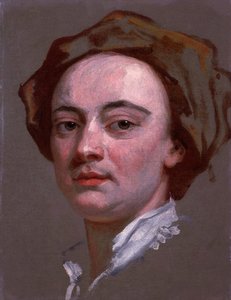
John Gay
1685 - 1732 , United Kingdom
Quick Facts
- Artistic Movement Or Style: Satirical ballad opera
- Artists Or Movements Influenced By This Artist: ['Trivia poem']
- Date Of Birth: Barnstaple, United Kingdom (1685)
- Full Name: John Gay
- Nationality: English
- Notable Artworks: ["The Beggar's Opera"]
- Place Of Birth: Barnstaple
Related Articles

Bronze Sculptures That Defined Art History | ArtsDot
Journey through art history with our Top 10 bronze sculptures! Explore masterpieces by Rodin, Michelangelo & more. Discover stories behind iconic statues and find museum-quality reproductions for your home decor at ArtsDot.com.

Monochrome Visions: Exploring the Aesthetic & Historical Significance of Black & White Photography
Explore the rich history & artistic power of black and white photography. From early techniques to iconic masters like Ansel Adams, discover why monochrome continues to captivate art lovers today. Expert insights for collectors.

John Constable's Masterpieces: Explore 25 Iconic Landscapes for Your Home
Journey through John Constable's 25 most celebrated landscapes. Explore Romanticism, Dedham Vale & his masterful use of light in iconic paintings like 'Hay Wain'. Find museum-quality art reproductions and elevate your home decor on ArtsDot.com.

John Singer Sargent's 25 Masterpieces: Portraits & Beyond | ArtsDot
Explore 25 iconic John Singer Sargent paintings – from dazzling portraits to Impressionist landscapes. Discover the stories behind Madame X, El Jaleo & more! Find museum-quality art reproductions and elevate your home decor with ArtsDot.com.

The Enduring Form: Exploring Themes & Techniques in Sculpture Across Historical Periods
Explore the rich history of sculpture from ancient masterpieces to contemporary innovations. Discover key techniques, influential artists & investment potential for discerning art collectors.