 Preview
 Send
Send Share
Share
 Details

 Download
 Similars
 X-Ray
X-Ray Diaporama
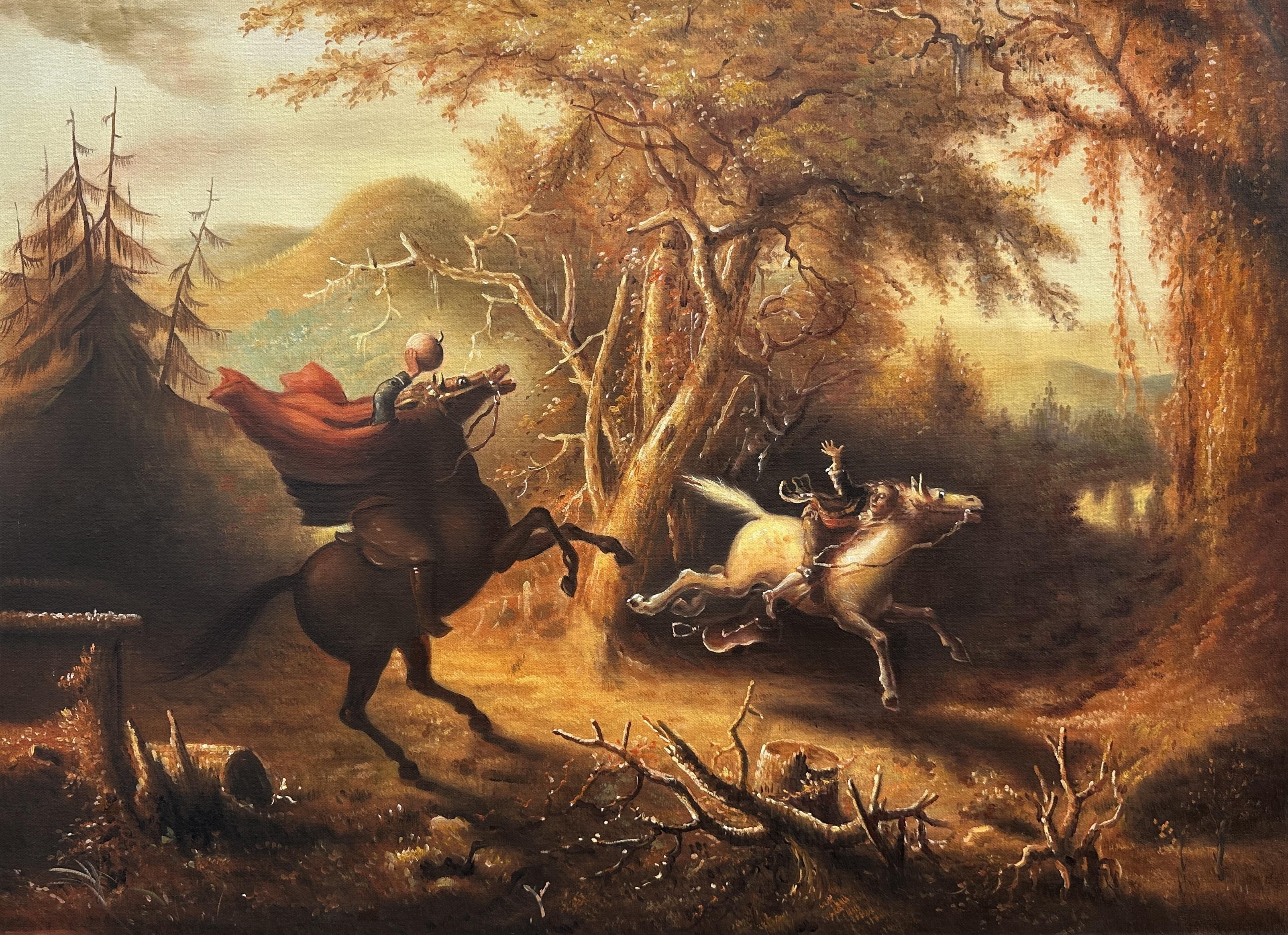
The Headless Horseman Pursuing Ichabod Crane - John Quidor
 Acrylic
- WallArt
- Romanticism
 2026
2026- Studio Hand Painted Art Available Now
 61 x 84 cm
- Artwork Reference (Famous): The Headless Horseman Pursuing Ichabod Crane
 Read More
Stock Discount Oil Painting Available
In-stock hand-painted oil work ready to ship; add framing when you check out. ()






































 Glass option is only available in size under 110 CM

The Headless Horseman Pursuing Ichabod Crane - John Quidor
Stock Discount Oil Painting Available
Reproduction Size
-


Express Shipping
Express Worldwide Shipping. One week. (26 July).
Included
Total Price
$ 132
Artwork Description
A Brushstroke of Legend: Capturing the Thrill of Sleepy Hollow
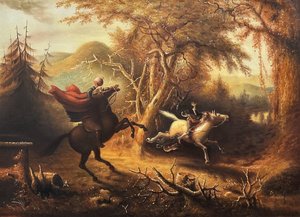
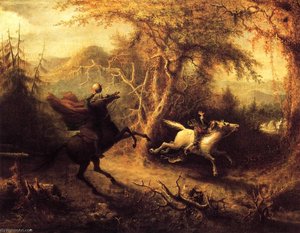
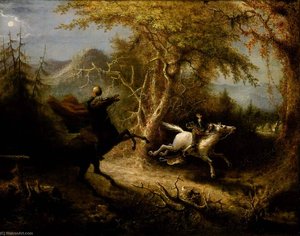
John Quidor’s depiction of “The Headless Horseman Pursuing Ichabod Crane” isn't merely a painting; it’s a visceral plunge into the heart of Washington Irving’s iconic tale. Completed in 1858, this acrylic reproduction on canvas breathes new life into the chilling climax of *The Legend of Sleepy Hollow*, transporting viewers to the moonlit woods where fear and folklore collide. Quidor, a master of literary illustration, possessed an uncanny ability to translate narrative tension onto the canvas, and this work is perhaps his most celebrated achievement.
Echoes of Romanticism
The painting’s artistic roots lie firmly within the American Romantic movement, though it also foreshadows elements of early Realism. Quidor eschews the idealized landscapes often associated with Romanticism in favor of a more rugged and dramatic setting. The color palette—dominated by earthy browns, deep greens, and the stark contrast of moonlight—evokes a sense of age, mystery, and impending doom. This isn’t a serene depiction of nature; it's a landscape actively participating in the drama, a shadowy accomplice to the Horseman’s pursuit.
A Moment Frozen in Time
The subject matter is instantly recognizable: Ichabod Crane, desperately fleeing on his steed, Gunpowder, as the terrifying Headless Horseman closes in. Quidor expertly captures the raw emotion of the scene – Crane's palpable fear, the relentless energy of the chase, and the unsettling presence of the supernatural. The diagonal composition further amplifies this sense of movement and urgency, drawing the eye across the canvas and immersing the viewer in the heart-stopping action.
Technical Brilliance & Collector’s Value
This hand-painted reproduction faithfully recreates Quidor's original brushwork and attention to detail. The acrylic medium allows for rich color saturation and textural depth, ensuring that every nuance of light and shadow is preserved. Collectors will appreciate not only the historical significance of the artwork but also its enduring emotional power. Owning this piece is akin to possessing a tangible fragment of American literary history—a captivating reminder of Irving’s timeless story and Quidor's masterful interpretation.
Bring the Legend Home
At ArtsDot, we believe art should be accessible. This exquisite reproduction allows you to experience the thrill of *The Legend of Sleepy Hollow* in your own home. Each canvas is meticulously crafted by our skilled artisans and can be customized with framing options to perfectly complement your décor. Don’t just admire the legend—live it. Order your hand-painted replica today and add a touch of American folklore to your collection! Visit ArtsDot.com now for exclusive offers and limited-edition prints.
Related Artworks

Artist Biography
Early Life and Artistic Training
John Quidor (1801 – 1885) emerged from the Hudson Valley landscape of upstate New York, a region profoundly shaped by Romantic ideals and burgeoning artistic movements. Born in Tappan, he experienced a formative childhood amidst the burgeoning industrialization of America, though his family maintained ties to rural traditions. Unlike many artists of his era who pursued formal academic training, Quidor’s artistic education was remarkably limited—a single apprenticeship with John Wesley Jarvis, where Henry Inman also trained—leaving him without substantial technical skills beyond copying engravings. This lack of structured instruction proved detrimental to his ambitions and fueled a lawsuit against Jarvis in 1822 alleging inadequate mentorship, damaging his reputation considerably. Despite the setback, Quidor persevered, securing employment as a banner painter and decorative artist for New York City’s fire companies—a role that provided practical experience but yielded no surviving artworks.Literary Inspirations and Artistic Style
Quidor's artistic vision was decisively molded by the literary landscape of his time, particularly the works of Washington Irving and James Fenimore Cooper. He found inspiration in Irving’s tales—most notably “Sleepy Hollow” and “Rip Van Winkle”—capturing the eerie atmosphere and folklore of Dutch New York with meticulous detail. Similarly, Cooper's "The Pioneers" instilled him with a fascination for the American frontier and its dramatic vistas. Influenced by European Romantic painters like William Hogarth, Isaac Cruikshank, James Gillray, Joseph Wright of Derby, and George Morland, Quidor adopted a distinctive style characterized by expressive brushwork, rich color palettes, and an emphasis on capturing fleeting moments of emotion and narrative. His canvases often depicted scenes from literature with palpable energy and psychological depth—a hallmark of Romantic art’s preoccupation with human experience.Notable Paintings and Artistic Output
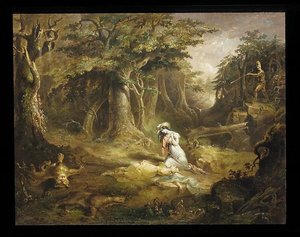
Quidor produced approximately 35 paintings during his career, predominantly focused on literary subjects. Among his most celebrated works are “The Money Diggers” (1832), a depiction of miners seeking fortune in the Appalachian Mountains; “Leatherstocking’s Rescue” (1855), portraying Silas Deane Leatherstocking rescuing a young boy from peril; and "The Headless Horseman" (1855), an iconic illustration of Irving's chilling tale. These paintings exemplify Quidor’s ability to translate literary narratives into visual representations, imbued with Romantic sensibilities. Furthermore, he mentored Thomas Bangs Thorpe and Charles Loring Elliott, fostering the development of younger artists who carried on his stylistic legacy.Tragedy and Legacy
A devastating fire in 1835 destroyed Quidor’s studio located at 46 Canal Street, marking a significant impediment to his artistic endeavors. Despite this misfortune, Quidor continued to paint until his death in Jersey City in 1885. His work remains relatively obscure compared to other Romantic painters of the era, yet it possesses considerable merit—particularly its evocative portrayal of American folklore and literary themes. John Quidor’s contribution to American art history is recognized as a testament to the enduring power of imagination and storytelling within the artistic realm. He stands as an important figure in rediscovering the Romantic spirit in America.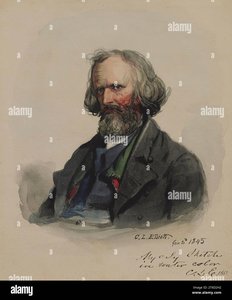
John Quidor
1801 - 1885 , United States of America
Quick Facts
- Artistic Movement Or Style: Romanticism
- Artists Or Movements Influenced By This Artist: ['Hudson River School']
- Artists Who Influenced This Artist:
- William Hogarth
- Isaac Cruikshank
- James Gillray
- Joseph Wright of Derby
- George Morland
- Date Of Birth: 1801
- Date Of Death: 1885
- Full Name: John Quidor
- Nationality: American
- Notable Artworks:
- The Money Diggers
- Leatherstocking's Rescue
- The Headless Horseman
- Place Of Birth: Tappan, United States
Related Articles
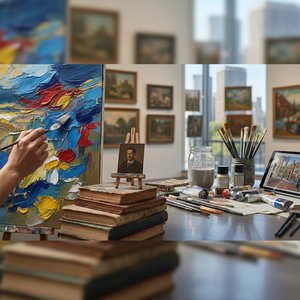
Acrylic Painting: A Comprehensive Exploration of Technique, History & Contemporary Applications
Explore the world of acrylic painting! Discover its rich history, essential techniques, contemporary applications & renowned artists. Expert guide for beginners to professionals.
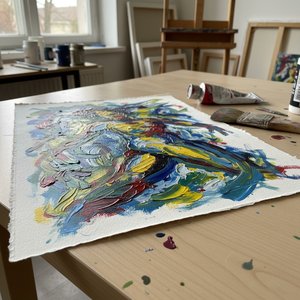
Acrylic on Paper: A Modern Canvas for Contemporary Expression
Explore the versatility of acrylic painting on paper! Discover expert techniques, artist insights & archival practices for creating stunning contemporary art. Learn more at ArtsDot.
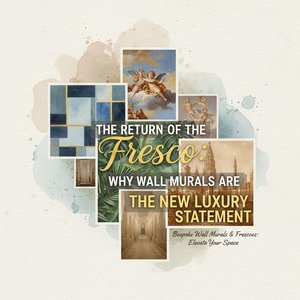
The Return of the Fresco: Why Wall Murals Are the New Luxury Statement
Elevate your space with bespoke wall murals & frescoes. Explore the resurgence of this luxury art form. Expert design guidance & seamless installation – .
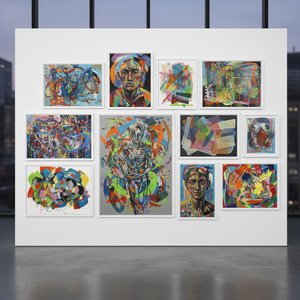
Acrylic Revolution: 10 Masterpieces That Redefined Modern Art | ArtsDot
Explore 10 legendary acrylic paintings that revolutionized modern art! From Helen Frankenthaler's color fields to Richter’s abstract power, discover the stories behind these iconic masterpieces. Find museum-quality reproductions & elevate your home decor on ArtsDot.com.

Acrylic on Canvas: A Modern Masterpiece – Technique, History & Contemporary Expression
Explore the world of acrylic on canvas! Discover its history, techniques & contemporary applications with expert insights from ArtsDot. Find inspiration and elevate your art collection today.