

 Preview
 Send
Send Share
Share
 Details

 Download
 Similars
 X-Ray
X-Ray Diaporama
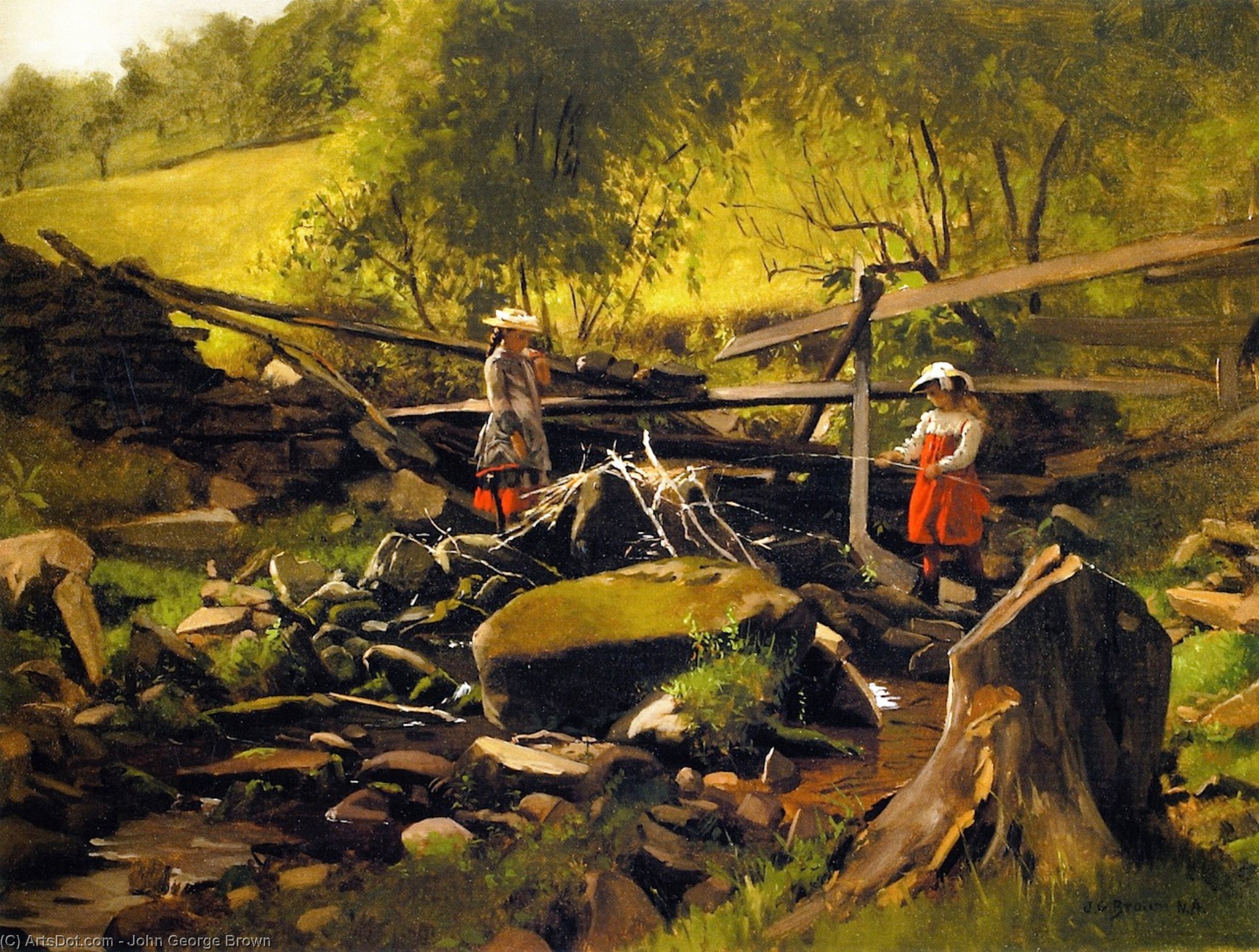
Fishing - Fort Lee, New Jersey


 Read More
Purchase a high-resolution, enhanced digital image, far superior to the online preview.
Each file is meticulously prepared by our in-house specialists using advanced tools and expert manual retouching. We ensure every image has exceptional clarity, precise color accuracy, and fine detail.
The final file is delivered via email within 72 hours, optimized for immediate use in professional, editorial, and print environments. This is the same quality trusted by top-tier design studios, publishers, and galleries.
Digital Image
Download a high-resolution file for personal display, printing, and creative projects. ( Buy Print Buy Hand Made Painting)
Included in Every Digital Image Order
Expert Digital Delivery, Guaranteed
When you choose ArtsDot.com, you're not just getting an image - you're receiving a professionally enhanced digital artwork, crafted with precision and backed by a satisfaction guarantee. Here's everything that comes with your order, automatically:

Fast Email Delivery
Your high-resolution digital image file will be emailed to you within 72 hours of ordering - ready for immediate use.

AI-Enhanced Digital File
Your artwork is professionally optimized using advanced AI tools and manual editing, ensuring maximum detail, clarity, and color accuracy.

Free Lifetime Re-Delivery
Accidentally deleted or lost your file? No worries - we'll resend it to you anytime, free of charge.

No Import Fees - Ever
Enjoy your artwork instantly with zero customs, duties, or delivery fees - digital downloads are always tax-free.

Color Accuracy Guarantee
We ensure your digital image reflects the original colors as closely as possible using professional tools and color management.

60-Day Satisfaction Guarantee
If you're not satisfied with your digital image, we'll revise it or refund 100% within 60 days - no questions asked.

100% Money-Back Guarantee
Not satisfied? Get a full refund within 60 days of receiving your digital file - no questions asked.

Bulk Order Discounts
Buy 3 images, save 10% - Buy 5, save 15% - Buy 10+, save 20%. Great for creative projects, galleries, and agencies.
Collectible Description
A Serene Afternoon by the Water's Edge
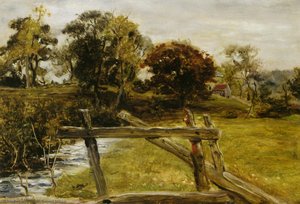
John George Brown’s Fishing - Fort Lee, New Jersey, painted in 1870, transports the viewer to a moment suspended in time—a quintessential scene of late nineteenth-century American leisure. The canvas breathes with an atmosphere of profound tranquility. At its heart are two elegantly depicted women, positioned near a sturdy bridge spanning a gently flowing river. Their posture suggests companionship and quiet contemplation as they gaze down at the water's surface. Scattered rocks dot the foreground, grounding the idyllic scene in tangible nature. Beyond these central figures, glimpses of other people engaged in activities hint at the gentle rhythm of community life unfolding around this natural haven.
Mastery of Light and Atmosphere
Brown’s technical skill is immediately apparent upon viewing the piece. He employed a palette rich with warm colors that seem to emanate from the very landscape itself. His brushwork, described as gentle, does more than merely render an image; it evokes feeling. Observe how he captures the play of light—it dances across the water's surface, suggesting movement even in stillness. This masterful handling of *chiaroscuro* and luminosity gives the painting a palpable depth. It is not just a depiction of a river; it is an exploration of how sunlight interacts with water and earth, transforming the mundane into something sublime.
Historical Echoes of American Leisure
To understand this work is to understand a specific moment in American history—the burgeoning appreciation for outdoor life as a form of respite. In 1870, as industrialization reshaped urban centers, places like Fort Lee became cherished destinations for recreation. Brown captures this cultural shift perfectly. The painting speaks to a yearning for simplicity and connection found away from the smoke and clamor of growing cities. It is an ode to the restorative power of nature, making it not only a historical document but also a timeless meditation on slowing down.
Symbolism of Connection and Calm
The composition subtly weaves together themes of companionship and peace. The two women represent connection—a shared moment of quiet understanding against the backdrop of nature's enduring flow. The river itself is a potent symbol, often representing the passage of time or life’s journey. By placing these elements together, Brown creates a visual poem about finding solace in shared experience. For the collector or designer, this painting offers more than mere decoration; it offers an emotional anchor—a promise of calm for any room it graces.
Bringing the Serenity Home
For those who wish to incorporate this enduring beauty into their own spaces, high-quality reproductions are available, allowing art lovers worldwide to possess a piece of Brown's vision. These handmade oil on canvas interpretations utilize traditional techniques, ensuring that the warmth and delicate brushwork you admire in the original remain faithfully preserved. Owning a reproduction of Fishing - Fort Lee, New Jersey is an invitation to carry the serenity of a late nineteenth-century afternoon into your modern life.
Related Artworks


Artist Biography
A Life Etched in Childhood: The World of John George Brown
John George Brown, a name perhaps less immediately recognizable than some of his contemporaries, nevertheless occupies a significant and deeply affecting niche within the landscape of 19th-century American art. Born in Durham, England, in 1831, his journey was one of determined self-improvement and astute observation, culminating in a career that captured the poignant realities – and often idealized sentiments – surrounding childhood during a period of rapid social change. Brown’s story isn't simply about artistic talent; it’s about an immigrant’s ambition, a keen eye for detail, and a shrewd understanding of the burgeoning American art market. His early life was marked by necessity rather than privilege. Apprenticed to a glass factory at just fourteen years old, he labored to support his family, yet even amidst the demanding work, a passion for drawing persisted. This dedication led him to evening classes at the School of Design in Newcastle, and later, further study at the Trustees Academy in Edinburgh – formative experiences that laid the groundwork for his future artistic endeavors. In 1853, Brown bravely crossed the Atlantic, settling in Brooklyn, New York, a city poised to become both his home and his muse. He continued his education at the Graham Art School and the National Academy of Design, honing his skills under the guidance of instructors like Thomas Seir Cummings, preparing himself for a life dedicated to capturing the essence of American experience.From Portraiture to the Streets: Finding His Voice
Initially establishing himself as a portrait painter, Brown quickly discovered that his true calling lay elsewhere – in the vibrant, often overlooked world of everyday life. He began to focus on genre scenes, and it was through his depictions of street children that he truly found his voice. The 1860s witnessed the rise of Brown’s “street urchin” paintings, images that resonated deeply with a public fascinated by – and perhaps simultaneously troubled by – the realities of urban poverty. These weren't merely sentimental portrayals; they were carefully observed studies of character, capturing the resilience, resourcefulness, and quiet dignity of children navigating difficult circumstances. Bootblacks diligently polishing shoes, newsboys hawking papers on bustling street corners, flower sellers offering their wares – these scenes became Brown’s signature, imbued with a remarkable level of detail and empathy. His work wasn't born in isolation; it was influenced by the Barbizon school, particularly its emphasis on realism and depictions of everyday life, as well as the dramatic use of light and color championed by artists like J.M.W. Turner. However, Brown synthesized these influences into a uniquely American style, one that spoke to the specific social conditions and cultural anxieties of his adopted homeland.A Master of Sentiment and Commerce
Brown was not only an artist but also a remarkably astute businessman. Recognizing the appeal of his work, he strategically copyrighted many of his most popular paintings, allowing for widespread reproduction as chromolithographs and photographic prints. This savvy move dramatically increased his fame and financial success, making him one of the wealthiest genre painters in the United States during his lifetime. However, this commercial success didn’t diminish the artistic merit of his work. Paintings like “The Net Mender” and “The First Point” exemplify his ability to capture moments of quiet beauty and emotional depth. "Claiming the Shot - A Group of Portraits after the Hunt in the Adirondacks" demonstrates a broader range, showcasing his skill in depicting group scenes with remarkable realism. His paintings offered more than just aesthetic pleasure; they provided valuable insights into 19th-century American society, particularly the lives of working children and the changing urban landscape. Often imbued with subtle moral undertones, Brown’s work reflected his belief in the importance of hard work, honesty, and resilience – values that resonated deeply with Victorian audiences.Shifting Focus: From Youth to Age
As Brown matured as an artist, so too did his subject matter evolve. In his later years, he shifted his focus from depicting the energy and vitality of childhood to portraying the quiet dignity and solitude of old age. These paintings often featured elderly individuals in rural settings, evoking a sense of nostalgia for a simpler past. While this shift might seem dramatic, it was a natural progression for an artist deeply concerned with capturing the human condition in all its complexity. He continued to be an active member of various art institutions, serving as vice-president of the National Academy of Design from 1899 to 1904, demonstrating his ongoing commitment to the artistic community. His later works, though different in subject matter, retained the meticulous attention to detail and emotional sensitivity that characterized his earlier paintings.A Lasting Legacy: Echoes of Childhood
John George Brown passed away in New York City in 1913, leaving behind a substantial body of work that continues to captivate and move audiences today. His paintings are held in prestigious collections around the world, including the National Gallery in London and the Detroit Institute of Arts, testament to his enduring artistic significance. He is remembered not only for his technical skill but also for his ability to capture the essence of a particular time and place – Victorian America – with honesty, empathy, and a touch of romanticism. His work serves as a poignant reminder of the challenges faced by children in the 19th century, while simultaneously celebrating their resilience and spirit. Brown’s legacy extends beyond his paintings; he represents a fascinating intersection of artistic talent, entrepreneurial acumen, and social commentary – a true chronicler of American life. His ability to transform everyday scenes into enduring works of art ensures that his vision will continue to resonate with generations to come.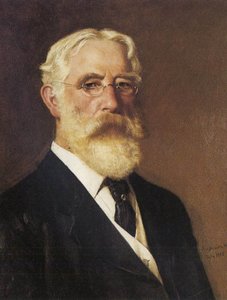
John George Brown
1831 - 1913 , United Kingdom
Quick Facts
- Artistic Movement Or Style: Genre painting, Realism
- Artists Who Influenced This Artist:
- Barbizon school
- William Turner
- Date Of Birth: November 11, 1831
- Date Of Death: February 8, 1913
- Full Name: John George Brown
- Nationality: British-American
- Notable Artworks:
- The Net Mender
- The First Point
- Claiming the Shot
- Place Of Birth: Durham, UK

