 Preview
 Send
Send Share
Share
 Details

 Download
 Similars
 X-Ray
X-Ray Diaporama
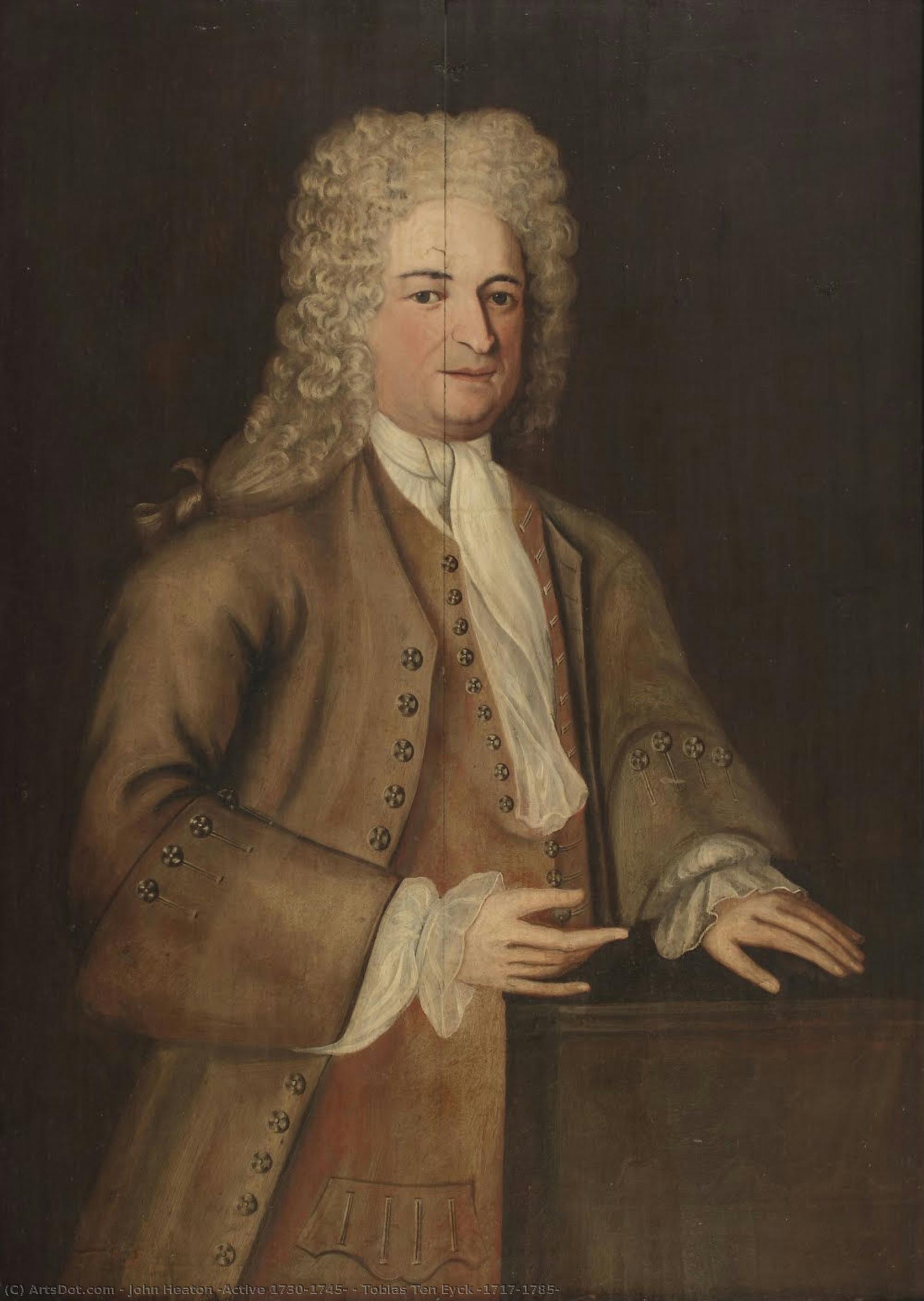
Tobias Ten Eyck (1717-1785)


 Read More
Giclée / Art Print
Museum-quality giclée or canvas print with fast production and flexible finish options. ( Buy Hand Made Painting Buy Image)




































Pick from our preset sizes that match the artwork's original proportions.

You may enter your own dimensions to fit a specific frame or space. If your selected size does not match the original image's proportions, we will either crop the artwork or extend the image with a mirrored or solid-fill edge. A digital mockup will be sent for your approval before production begins.
Please note that the on-screen preview does not reflect the actual cropping or extension. Only the mockup will accurately show the final composition.
While custom sizes are available, we recommend selecting a dimension from the predefined list to preserve the original proportions.
Worldwide Delivery () in 2 weeks instead of standard 4/5 weeks. (27 August)

Free Worldwide Express Shipping

High-Quality Linen Canvas

Full Shipping Insurance

Customs Tax Refund Guarantee

True Color Matching Guarantee

60-Day Return Policy (Defects Only)

100% Money-Back Guarantee

Bulk Discount Offer
 Glass option is only available in size under 110 CM

Tobias Ten Eyck (1717-1785)
Giclée / Art Print
Reproduction Size
-


Total Price
$ 63
Related Artworks







Artist Biography
John Heaton (Active 1730–1745)
John Heaton was a British medallist and sculptor who flourished during the mid-18th century, leaving an indelible mark on the artistic landscape of his time. Though biographical details remain scarce—a common predicament for artists whose reputations were overshadowed by their era—scholarly research has begun to illuminate aspects of his life and career, revealing him as a figure of considerable talent and ambition within the context of Enlightenment Britain. Heaton’s formative years are shrouded in obscurity. Records indicate he was born sometime around 1730, though precise birthdate remains elusive. He hailed from Lincolnshire, England, where he apprenticed under William Hogarth, arguably the most influential portrait painter of his generation. This association instilled in Heaton a deep understanding of artistic conventions and techniques—particularly those employed in portraiture—which would inform his subsequent sculptural endeavors. Hogarth’s emphasis on realism and psychological insight undoubtedly shaped Heaton's approach to capturing human form and emotion. Heaton quickly established himself as a prolific medallist designer, producing numerous commemorative medals celebrating royal events and honoring prominent figures of the British aristocracy. His designs were characterized by meticulous detail and elegant compositions—a hallmark of neoclassical art—reflecting the prevailing aesthetic sensibilities of the period. He skillfully utilized engraving techniques to achieve remarkable tonal gradations and textural effects, demonstrating mastery over the medium’s capabilities. Notably, Heaton's medals often incorporated allegorical imagery, conveying moral lessons and reinforcing notions of civic virtue. His work exemplifies the artistic spirit of the Enlightenment, aligning with its commitment to reason and classical ideals. Beyond his medal commissions, Heaton pursued sculptural projects—primarily busts—that showcased his sculptural prowess. These sculptures were commissioned by wealthy patrons and institutions alike, cementing Heaton’s reputation as a respected artist. Like his medals, Heaton's busts displayed an unwavering dedication to anatomical accuracy and expressive realism. He skillfully employed modeling techniques to capture subtle nuances of facial expression and posture, conveying psychological depth and capturing the essence of his subjects. His sculptures stand as testament to his artistic skill and contribute significantly to the visual record of the era. Heaton’s legacy extends beyond his individual artworks; he played a crucial role in shaping the broader artistic landscape of Britain during the 1730s and 1740s. He was part of a burgeoning group of sculptors who championed classical ideals and embraced innovative techniques—a reaction against Baroque excesses that would propel British sculpture into a new direction. Heaton’s influence can be discerned in the stylistic developments of subsequent generations of artists, demonstrating his enduring contribution to artistic history. Although Heaton's output was relatively modest compared to some contemporaries, his meticulous craftsmanship and adherence to classical principles ensured his place among the most distinguished sculptors of his time—a testament to his talent and dedication.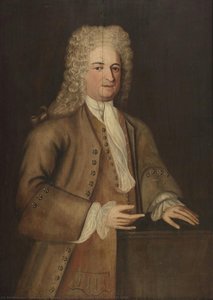
john heaton (active 1730-1745)
United Kingdom
Quick Facts
- Artistic Movement Or Style: Relief Sculpture
- Artists Or Movements Influenced By This Artist: ['Hudson River School']
- Artists Who Influenced This Artist: ['Pisanello']
- Full Name: john heaton
- Nationality: British
- Notable Artworks: ['Perry Hall']
- Place Of Birth: United Kingdom