 Preview
 Send
Send Share
Share
 Details

 Download
 Similars
 X-Ray
X-Ray Diaporama
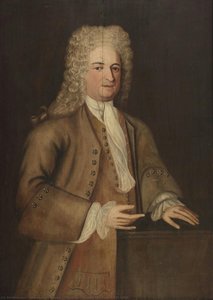
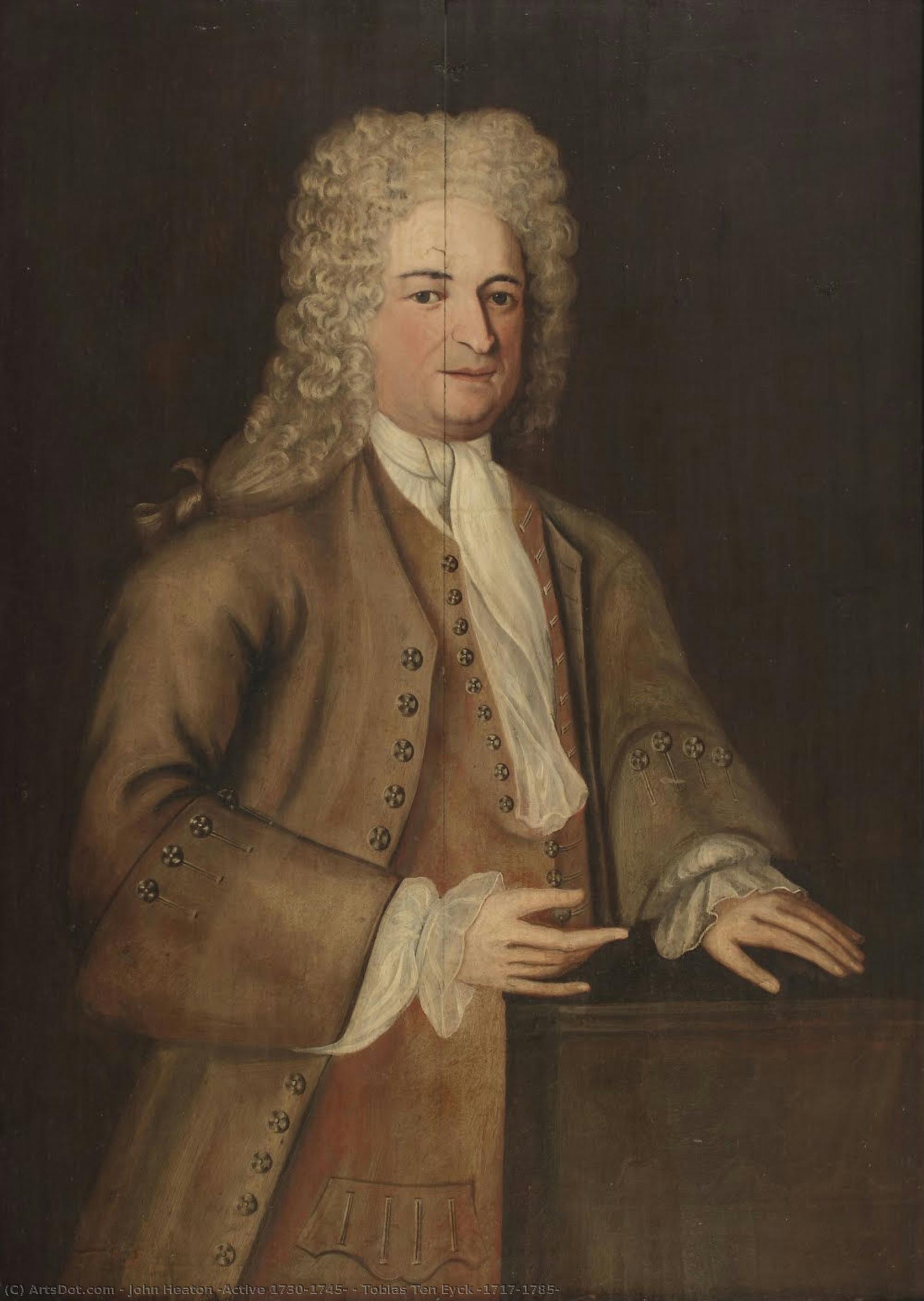
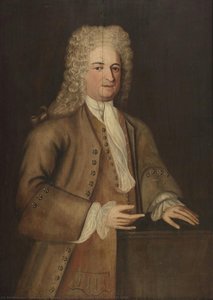
Tobias Ten Eyck (1717-1785)


 Read More
Giclée / Art Print
Museum-quality giclée or canvas print with fast production and flexible finish options. ( Buy Hand Made Painting Buy Image)




































Pick from our preset sizes that match the artwork's original proportions.

You may enter your own dimensions to fit a specific frame or space. If your selected size does not match the original image's proportions, we will either crop the artwork or extend the image with a mirrored or solid-fill edge. A digital mockup will be sent for your approval before production begins.
Please note that the on-screen preview does not reflect the actual cropping or extension. Only the mockup will accurately show the final composition.
While custom sizes are available, we recommend selecting a dimension from the predefined list to preserve the original proportions.
Worldwide Delivery () in 2 weeks instead of standard 4/5 weeks. (29 August)

Free Worldwide Express Shipping

High-Quality Linen Canvas

Full Shipping Insurance

Customs Tax Refund Guarantee

True Color Matching Guarantee

60-Day Return Policy (Defects Only)

100% Money-Back Guarantee

Bulk Discount Offer
 Glass option is only available in size under 110 CM

Tobias Ten Eyck (1717-1785)
Giclée / Art Print
Reproduction Size
-


Total Price
$ 63
Related Artworks








Artist Biography
The Shadowed Legacy of John Heaton
In the quiet corridors of art history, certain names flicker like candlelight in a drafty hall—present enough to illuminate the era, yet shrouded by the heavy veils of time. John Heaton, an artist active between 1730 and 1745, belongs to this evocative category of creators whose true biographies remain partially obscured, leaving behind only the profound echoes of their craftsmanship. While some historical fragments suggest a British medallist and sculptor of great technical precision, other scholarly perspectives identify him as a Scottish-born limner, a portraitist whose brush traveled from the old world to the burgeoning colonial landscapes of North America.
To contemplate Heaton’s life is to wander through the transition between the late Baroque and the dawning Enlightenment. Whether he was engraving the fine details of commemorative medals or applying oil to canvas in the American colonies, his work was deeply rooted in the pursuit of naturalism. If we follow the lineage of the British medallist, we find an artist obsessed with the permanence of metal—capturing royal triumphs and aristocratic dignity through meticulous relief and allegorical depth. His hands, trained in the rigorous traditions of the mid-18th century, possessed a rare ability to translate complex moral narratives into the small, tactile surfaces of coins and plaquettes.
A Vision Across Oceans
The narrative of Heaton takes a fascinating turn when we look toward the colonial frontiers of Albany, New York. Here, the artist emerges not merely as a craftsman of metal, but as a painter of human truth. His known works from the 1730s and 1740s reveal a profound sensitivity to the social complexities of his time. One of the most poignant examples of his mastery is the double portrait of a Van Rensselaer heir and an enslaved youth. In this piece, Heaton moves beyond mere likeness; he captures a hauntingly naturalistic moment that serves as a window into the racialized social order of colonial Dutch American life.
This period of his career demonstrates a remarkable versatility. The same eye for detail required to execute a fine engraving was applied to the soft textures of skin and the heavy fabrics of 18th-century attire. His ability to render light and shadow—the chiaroscuro of the colonial era—allowed him to document the presence of individuals who might otherwise have been lost to the anonymity of history. Through his brush, the faces of both the powerful and the marginalized are preserved with a striking, visceral clarity that continues to challenge and move modern viewers.
Artistic Significance and Enduring Impact
The historical significance of John Heaton lies in his role as a bridge between disparate worlds and mediums. His career represents the intersection of European classical training and the raw, unfolding reality of the New World. Whether through the enduring permanence of a struck medal or the delicate, aging surface of an oil painting, Heaton’s contributions to the visual record are indispensable.
Reflecting on his body of work, several key elements define his artistic identity:
- Technical Versatility: The rare ability to master both the sculptural precision of a medallist and the fluid, emotive requirements of a portrait painter.
- Historical Witness: His capacity to document the intricate social hierarchies and domestic realities of the 18th century with unflinching naturalism.
- Cultural Synthesis: The blending of European artistic conventions—such as neoclassical allegory—with the specific, localized needs of colonial American subjects.
Though the precise dates of his birth and death remain elusive, the impact of John Heaton remains tangible. He stands as a testament to the itinerant artist of the 18th century—a figure of movement and adaptation whose work continues to invite us into the complex, beautiful, and often difficult landscapes of our shared human past.
john heaton (active 1730-1745)
United Kingdom
Quick Facts
- Artistic Movement Or Style: Relief Sculpture
- Artists Or Movements Influenced By This Artist: ['Hudson River School']
- Artists Who Influenced This Artist: ['Pisanello']
- Full Name: john heaton
- Nationality: British
- Notable Artworks: ['Perry Hall']
- Place Of Birth: United Kingdom