 Preview
 Send
Send Share
Share
 Details

 Download
 Similars
 X-Ray
X-Ray Diaporama
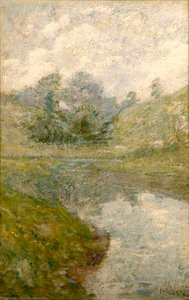
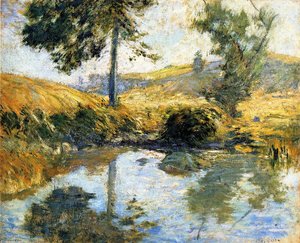
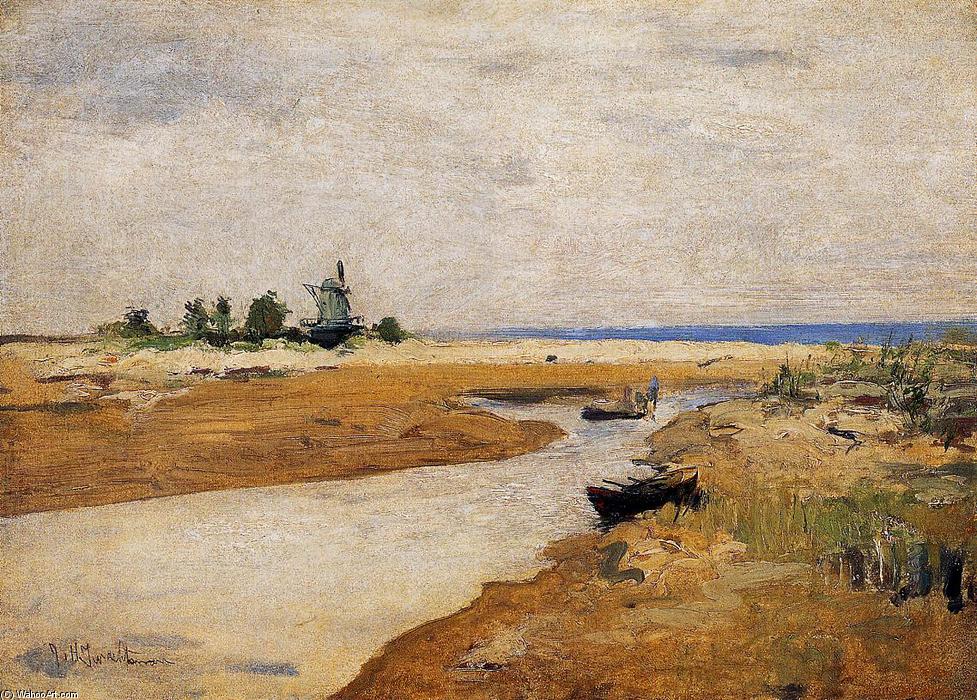
The Inlet


 Read More
Hand Made Oil Reproduction
Hand-painted oil on canvas in your size and frame, made to order by our artists. ( Buy Print Buy Image)




P118B $10

P118H $10

P118W $10

P438Z $10

P508JH $12

P508YH $12

P805H $10

P805Z $10

P919BZ $10

P919G $10

P919XJ $10

P959ZH $10

P968JZ $12

W106C $8

W218G $10

W218JH $8

W218Y $10

W307PJ $10

W316G $10

W316PJ $8

W316Y $10

W398PJ $8

W4111J $10

W500HY $15

W500JH $15

W692G $12

W849H $8

W940BG $15

W953PJ $8




Pick from our preset sizes that match the artwork's original proportions.

You may enter your own dimensions to fit a specific frame or space. If your selected size does not match the original image's proportions, we will either crop the artwork or extend the painting with additional hand-painted elements. A digital mockup will be sent for your approval before production begins.
Please note that the on-screen preview does not reflect the actual cropping or extension. Only the mockup will accurately show the final composition.
While custom sizes are available, we recommend selecting a dimension from the predefined list to preserve the original proportions.
After order, ArtsDot.com team will email client for instructions and provide a mockup preview
Worldwide Delivery () in 3/4 weeks instead of standard 5 weeks. (17 August). No compromise on quality.

Free Worldwide Express Shipping

High-Quality Linen Canvas

Full Shipping Insurance

Customs Tax Refund Guarantee

True Color Matching Guarantee

60-Day Return Policy (Defects Only)

100% Money-Back Guarantee

Bulk Discount Offer
 Glass option is only available in size under 110 CM

The Inlet
Reproduction Medium
Reproduction Size
-


Total Price
$ 263
Artwork Description
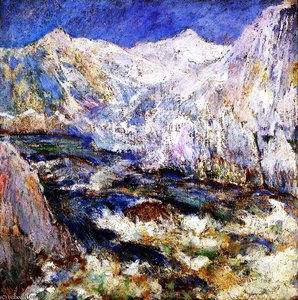
The Inlet: A Symphony of Light and Texture by John Henry Twachtman
John Henry Twachtman’s “The Inlet,” painted in 1881, stands as a cornerstone of American Impressionism—a movement that irrevocably altered the course of landscape painting. More than just a depiction of a coastal scene, it embodies the spirit of its time: a fascination with capturing fleeting moments of beauty and emotion through innovative artistic approaches.
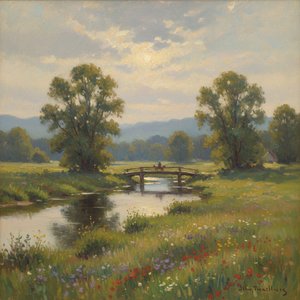
The artwork portrays a tranquil estuary bathed in diffused sunlight, dominated by a prominent windmill perched on the left bank. Scattered boats navigate the waterway, hinting at human presence within this serene environment. Foreground grasses and mudflats lead the eye towards the water’s edge, establishing a harmonious relationship between land and sea.
Twachtman's stylistic choices are immediately apparent. Rejecting academic conventions of precise detail and idealized form—a hallmark of Victorian art—he embraced Impressionistic techniques characterized by loose brushstrokes and an emphasis on luminosity. The artist skillfully layered thin washes of paint, building up color and form through repeated applications, creating a palpable sense of atmosphere.
The dominant impression is one of tranquility and solitude. The hazy light filtering through the overcast sky lends an ethereal quality to the scene, evoking feelings of contemplation and connection with nature. Lines are soft and broken—a deliberate departure from linear perspective—further enhancing the illusion of depth without resorting to traditional techniques.
Texture plays a crucial role in conveying materiality and adding visual interest. Visible brushwork—particularly on the grasses and mudflats—creates a rough surface that mimics the tactile qualities of the landscape itself. This technique underscores Twachtman’s commitment to portraying reality as perceived by the senses, prioritizing feeling over mere representation.
Further research into “The Inlet” reveals its significance within the broader context of Impressionism. Like many artists of his era, Twachtman was influenced by European Impressionists such as Claude Monet and Camille Pissarro, who pioneered the use of plein air painting—working outdoors directly from nature—and prioritizing color and light over meticulous realism.
The windmill itself serves as a symbolic element, representing industry and human endeavor against the backdrop of unspoiled natural beauty. Its placement on the left bank subtly balances the composition, drawing attention to both man-made structures and the grandeur of the landscape.
“The Inlet” continues to resonate with viewers today because it captures something fundamental about the human experience: our desire to find solace and inspiration in the natural world. Twachtman’s masterful execution—his ability to translate fleeting impressions into enduring images—solidifies his place as a seminal figure in American art history.
Consider commissioning a high-quality reproduction of “The Inlet” to bring this evocative landscape into your home or office. Its timeless beauty and textural richness will undoubtedly elevate any interior space.
Related Artworks
Artist Biography
A Pioneer of American Impressionism: The Life and Art of John Henry Twachtman
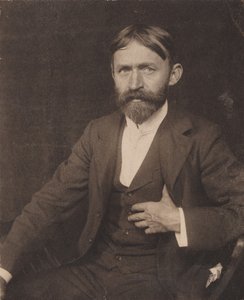
John Henry Twachtman, born in Cincinnati, Ohio, on August 4th, 1853, stands as a pivotal figure in the development of American Impressionism. His journey from academic training to a uniquely personal style reflects not only his artistic evolution but also the broader shifts occurring within the American art world during the late 19th and early 20th centuries. Twachtman’s story is one of constant exploration, a restless pursuit of capturing atmosphere and emotion through color and light, ultimately leaving an indelible mark on the landscape tradition. His initial artistic grounding came under the tutelage of Frank Duveneck in his hometown, a formative experience that instilled within him a dedication to direct observation and a rejection of overly idealized representations. This early training laid the foundation for his later embrace of more progressive techniques.European Influences and the Embrace of Tonalism
Driven by an ambition to refine his skills and broaden his artistic horizons, Twachtman embarked on a period of study in Europe that proved transformative. Between 1875 and 1877, he attended the Academy of Fine Arts in Munich, where he absorbed the principles of a loosely brushed, shadowy technique prevalent at the time. A subsequent visit to Venice with William Merritt Chase further ignited his passion for capturing the nuances of light and atmosphere. These European experiences were crucial in shaping his artistic vision, yet Twachtman never simply replicated what he encountered abroad; instead, he synthesized these influences into something distinctly his own. The period between 1883 and 1885 found him at the Académie Julian in Paris, a turning point where his style began to coalesce towards a softer, more atmospheric approach – a move that would define his signature aesthetic. It was during this Parisian interlude that he fully embraced Tonalism, characterized by muted colors, subtle gradations of tone, and an emphasis on creating mood and atmosphere. Works like *Arques-la-Bataille*, now residing in the Metropolitan Museum of Art, exemplify this period, showcasing his mastery of tonal harmonies and evocative landscapes.The Cos Cob Colony and a Personal Impressionist Style
Upon returning to America, Twachtman settled in Connecticut, purchasing a farm in Greenwich that would become both home and artistic sanctuary. His presence at the burgeoning Cos Cob art colony proved instrumental, fostering a vibrant creative community where ideas were exchanged freely and experimentation was encouraged. He wasn’t merely a resident artist; he became a catalyst, inspiring his friends and students with his innovative techniques and philosophical approach to painting. This period saw Twachtman move beyond strict Tonalism towards a highly personal form of Impressionism. While retaining the emphasis on atmosphere and light, his later works demonstrate a bolder use of color and a more dynamic brushstroke. He frequently depicted snow-covered landscapes of his farm and garden, transforming familiar scenes into poetic meditations on nature’s beauty. His series of vibrant scenes in Gloucester, Massachusetts, foreshadowed a more modernist sensibility in American art, anticipating the abstract explorations that would follow.Legacy and Lasting Impact
John Henry Twachtman's untimely death in 1902 at the age of forty-nine cut short a promising career, but his influence continued to resonate through subsequent generations of American artists. He left behind a body of work that is celebrated for its poetic sensibility, technical mastery, and innovative approach to landscape painting. His paintings are not merely representations of places; they are evocations of mood, atmosphere, and the emotional connection between humanity and nature. Twachtman’s contribution extends beyond his individual canvases; he played a vital role in establishing American Impressionism as a distinct artistic movement. He was a founding member of “The Ten,” a group of artists who sought to break away from the constraints of traditional art institutions and forge their own path. Landscape 3, with its serene depiction of nature, exemplifies his tonalist approach, while works like *Reflections* demonstrate his ability to capture fleeting moments of light and atmosphere. His legacy is further cemented through pieces such as *Brook among the Trees*, a captivating pastel that showcases the beauty and serenity of the natural world. Twachtman’s innovative spirit continues to inspire artists today, solidifying his place as a true pioneer of American Impressionism and a master of tonal landscape painting.Notable Works
- Landscape 3 (c. 1894-1902): A quintessential example of Twachtman’s Tonalist period, showcasing his mastery of atmospheric perspective and subtle color harmonies.
- Arques-la-Bataille (1885): Painted during his time in Paris, this work exemplifies the influence of French Impressionism on his style.
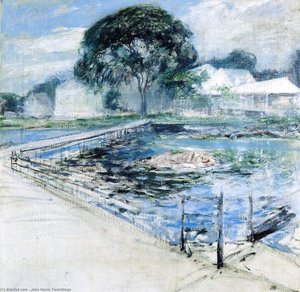
- Reflections (c. 1902): A serene depiction of a dock scene, capturing the play of light and shadow on water.
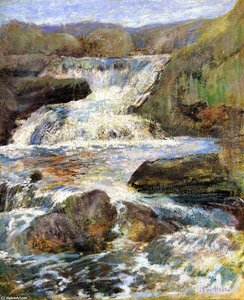
- Brook among the Trees (1891): A captivating pastel that showcases Twachtman’s ability to convey tranquility and natural beauty.
- The Holland Dyke (c. 1886-1890): Demonstrates his skill in capturing atmospheric effects and subtle tonal variations.
John Henry Twachtman
1853 - 1902 , United States of America
Quick Facts
- Artistic Movement Or Style: Impressionism, Tonalism
- Artists Or Movements Influenced By This Artist:
- American Impressionism
- Modernist style
- Artists Who Influenced This Artist:
- Frank Duveneck
- William Merritt Chase
- Date Of Birth: August 4, 1853
- Date Of Death: August 8, 1902
- Full Name: John Henry Twachtman
- Nationality: American
- Notable Artworks:
- Landscape 3
- Arques-la-Bataille
- Springtime
- The Holland Dyke
- Place Of Birth: Cincinnati, USA
Related Articles

John Constable's Masterpieces: Explore 25 Iconic Landscapes for Your Home
Journey through John Constable's 25 most celebrated landscapes. Explore Romanticism, Dedham Vale & his masterful use of light in iconic paintings like 'Hay Wain'. Find museum-quality art reproductions and elevate your home decor on ArtsDot.com.
John Henry Twachtman: Atmospheric Impressionism & the American Landscape
Explore the captivating landscapes of John Henry Twachtman, a pivotal American Impressionist & Tonalist painter. Discover his artistic evolution, key works, and lasting influence on early 20th-century art.

Henri Matisse's Masterpieces: Explore 25 Iconic Paintings & Art Decor Ideas
Journey through Henri Matisse's 25 most iconic paintings! Explore Fauvism, vibrant colors & the stories behind masterpieces like 'The Dance'. Find museum-quality art reproductions and curated decor ideas to elevate your space. Discover all masterpieces on ArtsDot.com.

John Singer Sargent's 25 Masterpieces: Portraits & Beyond | ArtsDot
Explore 25 iconic John Singer Sargent paintings – from dazzling portraits to Impressionist landscapes. Discover the stories behind Madame X, El Jaleo & more! Find museum-quality art reproductions and elevate your home decor with ArtsDot.com.

Beyond the Horizon: 10 Landscape Masterpieces for Your Home Decor
Journey through 10 breathtaking landscape paintings by Monet, Van Gogh & more! Explore iconic artworks, artistic techniques & find inspiration for your home decor. Museum-quality reproductions at ArtsDot.com. Discover all masterpieces on ArtsDot.com