 Preview
 Send
Send Share
Share
 Details

 Download
 Similars
 X-Ray
X-Ray Diaporama
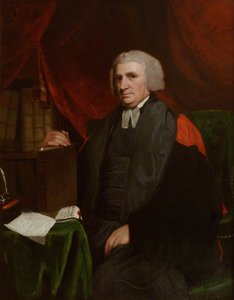
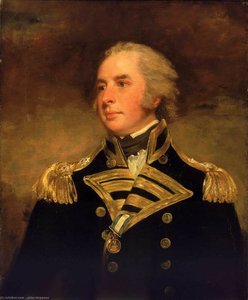
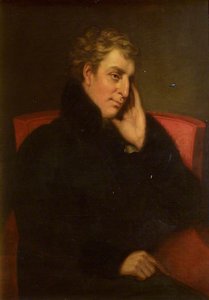
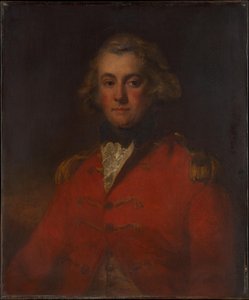
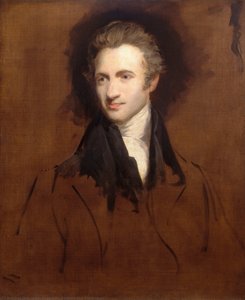
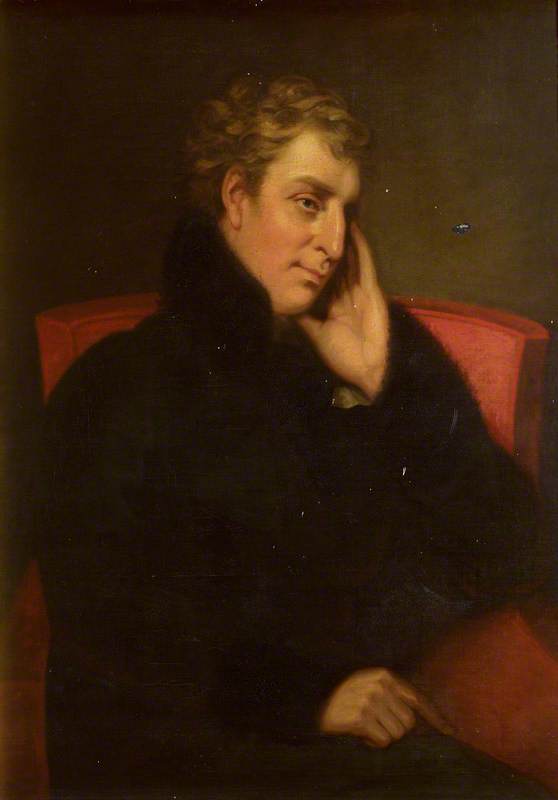
Henry Augustus Dillon Lee (1777–1832), 13th Viscount Dillon of Costello Gallin
 Acrylic On Canvas
- WallArt
- Neoclassicism
 89.0 x 69.0 cm
 Reading Museum
 Read More
Hand Made Oil Reproduction
Hand-painted oil on canvas in your size and frame, made to order by our artists. ( Buy Print Buy Image)




P118B $10

P118H $10

P118W $10

P438Z $10

P508JH $12

P508YH $12

P805H $10

P805Z $10

P919BZ $10

P919G $10

P919XJ $10

P959ZH $10

P968JZ $12

W106C $8

W218G $10

W218JH $8

W218Y $10

W307PJ $10

W316G $10

W316PJ $8

W316Y $10

W398PJ $8

W4111J $10

W500HY $15

W500JH $15

W692G $12

W849H $8

W940BG $15

W953PJ $8




Pick from our preset sizes that match the artwork's original proportions.

You may enter your own dimensions to fit a specific frame or space. If your selected size does not match the original image's proportions, we will either crop the artwork or extend the painting with additional hand-painted elements. A digital mockup will be sent for your approval before production begins.
Please note that the on-screen preview does not reflect the actual cropping or extension. Only the mockup will accurately show the final composition.
While custom sizes are available, we recommend selecting a dimension from the predefined list to preserve the original proportions.
After order, ArtsDot.com team will email client for instructions and provide a mockup preview
Worldwide Delivery () in 3/4 weeks instead of standard 5 weeks. (17 August). No compromise on quality.

Free Worldwide Express Shipping

High-Quality Linen Canvas

Full Shipping Insurance

Customs Tax Refund Guarantee

True Color Matching Guarantee

60-Day Return Policy (Defects Only)

100% Money-Back Guarantee

Bulk Discount Offer
 Glass option is only available in size under 110 CM

Henry Augustus Dillon Lee (1777–1832), 13th Viscount Dillon of Costello Gallin
Reproduction Medium
Reproduction Size
-


Total Price
$ 263
Artwork Description
Henry Augustus Dillon Lee (1777–1832), 13th Viscount Dillon of Costello Gallin – A Portrait Steeped in Royal Dignity
John Hoppner’s depiction of Henry Augustus Dillon Lee, painted circa 1809, transcends mere representation; it embodies the grandeur and sophistication characteristic of English portraiture during the Regency era. This striking canvas captures Lee not merely as an individual but as a symbol of aristocratic lineage and unwavering composure – qualities highly valued within the social circles of London’s elite.
Subject Matter and Composition
The painting centres on Henry Augustus Dillon Lee, a prominent Irish peer who served as Governor General of India from 1830 to 1832. Hoppner skillfully portrays Lee seated upon a crimson chair, his hand pressed delicately to his ear – an arresting gesture that immediately conveys both vulnerability and attentiveness. Two figures stand in the background, providing context without disrupting the focal point; one positioned near the left edge of the frame, likely representing Lee’s secretary or attendant, while the other occupies a more distant location on the right side.
Style and Technique – The Hoppner Palette
Hoppner's style aligns closely with Reynoldsian ideals—a hallmark of British portraiture at the time. He eschewed excessive ornamentation, prioritizing clarity of form and luminous colour to illuminate Lee’s countenance. The artist employed a masterful technique utilizing thin glazes layered upon toned grounds, resulting in an exceptionally rich texture and capturing subtle nuances of light and shadow. Hoppner's palette is dominated by warm hues – reds, golds, and browns – reflecting the opulent tastes of the aristocracy and enhancing the painting’s overall sense of majesty.
Historical Context: The Regency Ascendancy
Painted during the reign of George III, Lee’s portrait reflects the broader cultural landscape of the Regency period. This era witnessed a flourishing of artistic patronage fuelled by royal commissions and a burgeoning middle class eager to acquire artworks that proclaimed social status. Hoppner's work stands as testament to the enduring fascination with capturing likenesses – not merely physical appearances but also inner character—a pursuit central to the values of the time.
Symbolism: Listening for Influence
The posture of Lee, pressing his ear to his chair, is laden with symbolic significance. It suggests a preoccupation with matters of state and an eagerness to discern crucial information – qualities essential for leadership within the British Empire. Furthermore, the crimson chair itself embodies power and prestige, reinforcing Lee’s position as a respected nobleman. Hoppner's careful consideration of these elements elevates the portrait beyond a simple likeness, transforming it into a visual embodiment of aristocratic ideals.
Emotional Impact: A Window Into Victorian Dignity
Ultimately, Hoppner’s Henry Augustus Dillon Lee succeeds in conveying an aura of dignified composure and unwavering self-assurance. The painting invites contemplation on themes of leadership, responsibility, and the pursuit of excellence – emotions that resonate powerfully with viewers even today. It serves as a captivating reminder of the artistic achievements of the Regency era and continues to inspire admiration for Hoppner’s unparalleled skill in capturing both form and spirit.
Related Artworks
Artist Biography
a life of artistry and royal patronage
john hoppner, a prominent english portrait painter, left an indelible mark on the art world with his vibrant colour palette. born in whitechapel, london, in 1758 to german parents, hoppner's life was marked by royal patronage and artistic brilliance.early life and training
- at a young age, hoppner became a chorister at the royal chapel, but his inclination towards art led him to enter the royal academy in 1775.
- in 1778, he received a silver medal for drawing from life, and in 1782, the gold medal for historical painting with his work on king lear.
rise to fame and notable works
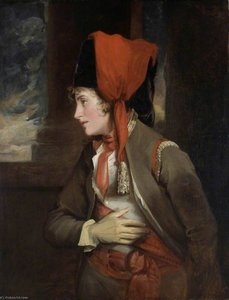
john hoppner's portraits of women and children were deemed his most successful works by competent judges. his touch, characterized by breadth and freedom, gave his paintings a faint reflection of the charm of reynolds. notable works include:- mrs jordan as viola in 'twelfth night', now at english heritage (london, united kingdom), showcasing his mastery over portrait painting.
- his portraits of the prince of wales, the duke and duchess of york, lord rodney, and lord nelson, which were hung in the state apartments at st james's palace, demonstrate his high societal connections.
legacy and later life
john hoppner's life was marked by a chronic liver disease. he died on january 23, 1810. despite this, his legacy endures through his vibrant portraits that continue to captivate art lovers.- explore more of john hoppner's works at https://ArtsDot.com/@/johnhoppner.
- discover the broader context of british art at https://en.wikipedia.org/wiki/art_of_the_united_kingdom.
further reading and exploration
for a deeper dive into the world of british art, consider the following:- discovering the artworks of dyrham park, united kingdom
- sir edwin landseer lutyens, an english architect known for his imaginative adaptations.
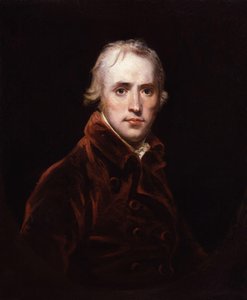
John Hoppner
1758 - 1810 , United Kingdom
Quick Facts
- Artistic Movement Or Style: Portraiture
- Artists Or Movements Influenced By This Artist: ['Reynolds']
- Artists Who Influenced This Artist: ['Joshua Reynolds']
- Date Of Birth: April 4, 1758
- Date Of Death: January 23, 1810
- Full Name: John Hoppner
- Nationality: British
- Notable Artworks:
- Mrs. Jordan as Viola
- Prince of Wales
- Duke of York
- Lord Rodney
- Lord Nelson
- Place Of Birth: Whitechapel, London
Related Articles

John Singer Sargent's 25 Masterpieces: Portraits & Beyond | ArtsDot
Explore 25 iconic John Singer Sargent paintings – from dazzling portraits to Impressionist landscapes. Discover the stories behind Madame X, El Jaleo & more! Find museum-quality art reproductions and elevate your home decor with ArtsDot.com.

John Constable's Masterpieces: Explore 25 Iconic Landscapes for Your Home
Journey through John Constable's 25 most celebrated landscapes. Explore Romanticism, Dedham Vale & his masterful use of light in iconic paintings like 'Hay Wain'. Find museum-quality art reproductions and elevate your home decor on ArtsDot.com.
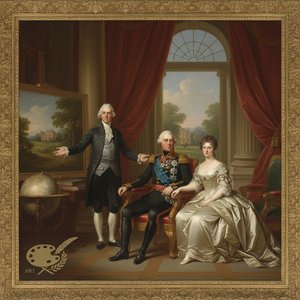
John Hoppner: Portraiture, Patronage & British Identity in the Late Georgian Era
Explore the life & work of John Hoppner, a leading Georgian portraitist. Discover his vibrant style, influential patrons, and lasting impact on British art history. Expert insights for collectors.

19th Century Masterpieces: 10 Paintings That Defined an Era | ArtsDot
Journey through 19th century art with ArtsDot! Explore 10 iconic paintings – from Monet & Renoir to Courbet – and discover the stories behind Romanticism, Realism & Impressionism. Find museum-quality reproductions for your home decor. Explore the full collection online!
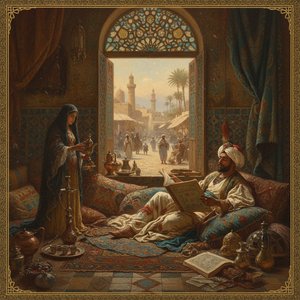
John Frederick Lewis: Orientalism, Detail & Genre Painting in 19th-Century British Art
Explore the captivating Orientalist paintings of John Frederick Lewis! Discover his mastery of detail, genre scenes & influence on 19th-century British art. Learn about his life, techniques & legacy at ArtsDot.