 Preview
 Send
Send Share
Share
 Details

 Download
 Similars
 X-Ray
X-Ray Diaporama
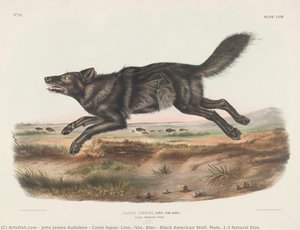
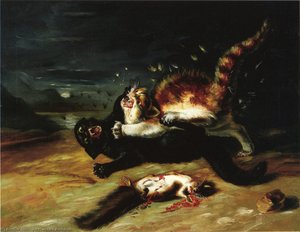
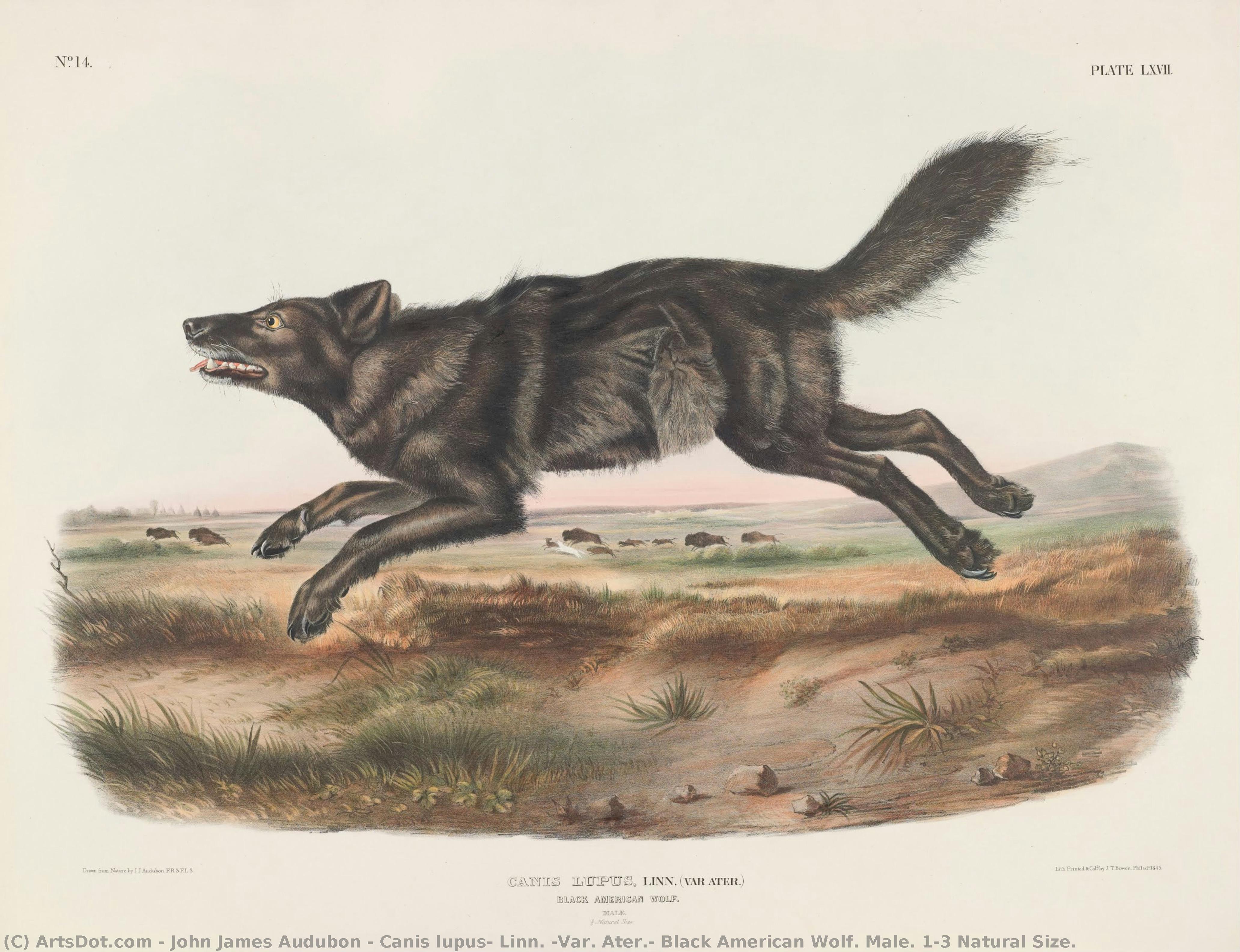
Canis lupus, Linn. (Var. Ater.) Black American Wolf. Male. 1/3 Natural Size.
 Acrylic On Canvas
- WallArt
- Romanticism
 1845
1845- 19th Century
 69.0 x 53.0 cm
 Amon Carter Museum of American Art
 Read More
Hand Made Oil Reproduction
Hand-painted oil on canvas in your size and frame, made to order by our artists. ( Buy Print Buy Image)




P118B $10

P118H $10

P118W $10

P438Z $10

P508JH $12

P508YH $12

P805H $10

P805Z $10

P919BZ $10

P919G $10

P919XJ $10

P959ZH $10

P968JZ $12

W106C $8

W218G $10

W218JH $8

W218Y $10

W307PJ $10

W316G $10

W316PJ $8

W316Y $10

W398PJ $8

W4111J $10

W500HY $15

W500JH $15

W692G $12

W849H $8

W940BG $15

W953PJ $8




Pick from our preset sizes that match the artwork's original proportions.

You may enter your own dimensions to fit a specific frame or space. If your selected size does not match the original image's proportions, we will either crop the artwork or extend the painting with additional hand-painted elements. A digital mockup will be sent for your approval before production begins.
Please note that the on-screen preview does not reflect the actual cropping or extension. Only the mockup will accurately show the final composition.
While custom sizes are available, we recommend selecting a dimension from the predefined list to preserve the original proportions.
After order, ArtsDot.com team will email client for instructions and provide a mockup preview
Worldwide Delivery () in 3/4 weeks instead of standard 5 weeks. (16 August). No compromise on quality.

Free Worldwide Express Shipping

High-Quality Linen Canvas

Full Shipping Insurance

Customs Tax Refund Guarantee

True Color Matching Guarantee

60-Day Return Policy (Defects Only)

100% Money-Back Guarantee

Bulk Discount Offer
 Glass option is only available in size under 110 CM

Canis lupus, Linn. (Var. Ater.) Black American Wolf. Male. 1/3 Natural Size.
Reproduction Medium
Reproduction Size
-


Total Price
$ 263
Artwork Description
A Moment of Wild Grace: John James Audubon’s “Canis lupus, Linn. (Var. Ater.) Black American Wolf”
John James Audubon's "Canis lupus, Linn. (Var. Ater.) Black American Wolf," painted in 1845, is more than a depiction of a creature; it’s a visceral embodiment of the untamed spirit of the American wilderness. This meticulously rendered portrait of a male black wolf, captured mid-leap as he pursues his prey across a vibrant grassy field, speaks to Audubon's unparalleled ability to translate observation into art – a skill honed through years spent immersed in the natural world.
- Subject Matter: The painting centers on the iconic Black American Wolf (Canis lupus ater), a subspecies distinguished by its melanistic coloration. Audubon’s choice of subject reflects his broader commitment to documenting North America's diverse fauna, particularly those threatened by westward expansion and hunting.
- Composition & Technique: Executed in Audubon’s signature style – characterized by dramatic diagonals, intense detail, and a remarkable sense of movement – the painting utilizes a 1/3 natural size scale, allowing for an almost overwhelming intimacy with the subject. The artist's use of layering, achieved through numerous thin glazes of oil paint, creates a luminous quality that captures the texture of fur, feathers, and foliage with astonishing realism.
The Audubon Legacy: A Pioneer of Natural History Illustration
John James Audubon (1785-1851), born Jean-Jacques Rabine in Les Cayes, Haiti, was a revolutionary figure in the history of art and science. His journey began amidst the complexities of colonial Saint-Domingue – a landscape teeming with exotic birds that ignited his lifelong passion for ornithology. Despite lacking formal academic training, Audubon’s self-taught approach, combined with relentless dedication and an almost obsessive attention to detail, resulted in some of the most celebrated wildlife illustrations ever created. His work wasn't merely about depicting animals; it was a profound engagement with their behavior, habitat, and place within the broader ecosystem.
The painting’s historical context is crucial to understanding its significance. Audubon produced “Birds of America” during a period of rapid westward expansion in the United States, a time when the nation's relationship with its natural resources was being fiercely debated. His work served as both a scientific record and a powerful argument for conservation – albeit one that predated widespread environmental awareness.
Symbolism & Emotional Impact
The dynamic pose of the wolf—a creature often associated with cunning, strength, and independence—imbues the painting with symbolic weight. The wolf’s pursuit of prey represents the fundamental struggle for survival, a theme deeply rooted in the natural world. Furthermore, the inclusion of scattered birds adds another layer to the composition, suggesting a delicate balance within the ecosystem – a reminder of the interconnectedness of all living things.
Beyond its symbolic content, “Canis lupus, Linn. (Var. Ater.) Black American Wolf” evokes a powerful emotional response. The painting’s dramatic lighting and intense detail create a sense of immediacy, drawing the viewer into the heart of the action. It is a testament to Audubon's ability to capture not just the appearance of an animal, but also its raw energy and untamed spirit.
Dimensions & Reproduction
This hand-painted reproduction faithfully captures every nuance of Audubon’s original masterpiece. Measuring 69 x 53 cm, it is a substantial artwork that will make a striking addition to any collection or interior space. ArtsDot offers this stunning piece as part of our commitment to preserving and celebrating the world's greatest artistic heritage.
Related Artworks
Artist Biography
A Life Etched in Feather and Field
John James Audubon, a name synonymous with American ornithology and art, was a figure of remarkable ambition, meticulous observation, and undeniable complexity. Born Jean-Jacques Rabin in 1785 in Les Cayes, Saint-Domingue – modern-day Haiti – his origins were steeped in the contradictions of colonial life. The son of a French naval officer and plantation owner, and a mother whose identity remains shrouded in some historical debate—possibly a free woman of color—Audubon’s early years were marked by a unique perspective, shaped by both privilege and the realities of a society built on exploitation. This Caribbean landscape, vibrant with exotic birds and lush vegetation, ignited within him a lifelong fascination with the natural world, a passion that would ultimately define his legacy. Following unrest in Saint-Domingue, he was sent to France for safety and education, though formal schooling never fully captured his restless spirit. It was during this period that his artistic inclinations began to blossom, nurtured by lessons in drawing and watercolor, yet always driven by an independent streak.The Pursuit of Avian Perfection
Audubon’s path wasn't immediately directed towards art or science; he dabbled in various ventures – a shopkeeper, a taxidermist, even attempting mining and mercantile pursuits—all while relentlessly pursuing his passion for birds. These early struggles, however, were crucial in honing his observational skills and developing the resilience needed to undertake his monumental life’s work: *The Birds of America*. This wasn't merely an artistic endeavor; it was a scientific undertaking of unprecedented scope. Between 1827 and 1838, Audubon embarked on a journey across North America, meticulously documenting nearly 500 bird species in life-size detail. He didn’t simply paint birds as static specimens; he captured them in dynamic poses, engaged in flight, feeding, or interacting with their environment. This revolutionary approach—portraying birds *within* their habitats—set his work apart from previous ornithological illustrations. The sheer scale of the paintings was breathtaking, demanding immense skill and unwavering dedication. Each bird was rendered with astonishing accuracy, showcasing not only its physical characteristics but also a sense of its individual character and vitality.Technique and Collaboration: A Masterful Synthesis
Audubon’s artistic technique was as innovative as his subject matter. He primarily employed watercolor on large sheets of paper, utilizing vibrant colors and meticulous detail to bring each bird to life. His compositions were often dramatic, emphasizing the birds' energy and grace. However, *The Birds of America* wasn’t a solitary creation. While Audubon created the original watercolors, their transformation into prints relied heavily on the expertise of engravers Robert Havell Sr. and later his son, Robert Havell Jr. These skilled artisans painstakingly translated Audubon’s delicate brushstrokes into stunning aquatint engravings, ensuring that the beauty and accuracy of the originals were faithfully reproduced for a wider audience. This collaboration was essential to the project's success, demonstrating the power of combining artistic vision with technical mastery. Beyond birds, Audubon also extended his artistic focus to mammals, creating detailed depictions of animals like the American bison and various species of foxes, further showcasing his commitment to documenting North America’s diverse wildlife.A Legacy Marked by Complexity
John James Audubon's impact extends far beyond the realm of art and ornithology. His work became an invaluable resource for scientists and naturalists, providing a detailed visual record of North American birdlife at a critical time when many species faced habitat loss and decline. He pioneered a field observation-based approach to studying birds, emphasizing meticulous documentation of behavior and habitat alongside his illustrations—a departure from earlier methods reliant on preserved specimens. This dedication helped raise awareness about the importance of conservation, contributing to the growing environmental movement in the 19th century. The National Audubon Society, founded in his honor, continues this vital work today. However, it’s crucial to acknowledge a darker side to Audubon's legacy. Recent scholarship has revealed troubling aspects of his life, including his ownership of enslaved people and his problematic views on race. He also engaged in questionable scientific practices, including the theft of human remains for research purposes. These revelations force us to confront the complexities of historical figures and grapple with their contributions within the context of their time—acknowledging both their achievements and their failings.Enduring Influence and Continued Exploration
Despite these controversies, Audubon’s artistic and scientific contributions remain significant. His work continues to inspire artists, scientists, and conservationists alike. The legacy extends through his son, John Woodhouse Audubon, who continued his ornithological studies, and the skilled engravers like Robert Havell Sr. and Jr., whose craftsmanship brought his vision to life. Exploring related figures such as Alfred Tennyson Agate, a contemporary naturalist, or Theodore Roosevelt Jr., an artist captivated by the American West, provides further context for the artistic and scientific landscape of Audubon’s era. His paintings are not merely beautiful representations of birds; they are windows into a vanished world, testaments to the power of observation, and reminders of our responsibility to protect the natural heritage he so passionately documented.- Related Artists: John Woodhouse Audubon, Robert Havell Sr., Robert Havell Jr., Alfred Tennyson Agate, Theodore Roosevelt Jr.
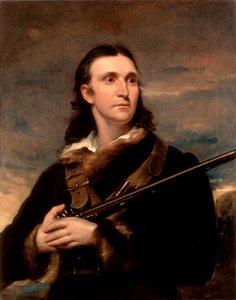
John James Audubon
1785 - 1851 , Haiti
Quick Facts
- Artistic Movement Or Style: Romanticism
- Artists Or Movements Influenced By This Artist:
- John Woodhouse Audubon
- Robert Havell Jr.
- Date Of Birth: April 26, 1785
- Date Of Death: January 27, 1851
- Full Name: John James Audubon
- Nationality: French-American
- Notable Artworks:
- Birds of America
- American Stork
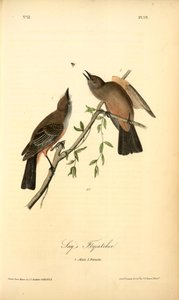
- Say's Flycatcher
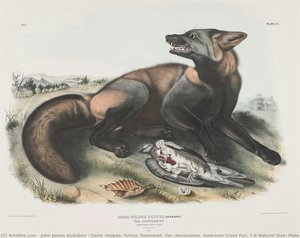
- American Cross Fox
- Place Of Birth: Les Cayes, Haiti
Related Articles
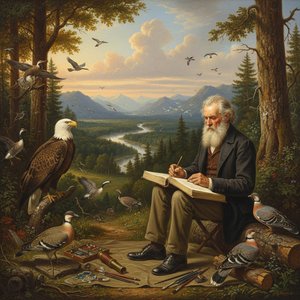
John James Audubon: A Life Immersed in Ornithological Art & the American Wilderness
Explore the life & art of John James Audubon, pioneer of ornithological illustration! Discover his stunning 'Birds of America' watercolors and complex legacy. Hand-painted reproductions available at ArtsDot.

John Singer Sargent's 25 Masterpieces: Portraits & Beyond | ArtsDot
Explore 25 iconic John Singer Sargent paintings – from dazzling portraits to Impressionist landscapes. Discover the stories behind Madame X, El Jaleo & more! Find museum-quality art reproductions and elevate your home decor with ArtsDot.com.

John Constable's Masterpieces: Explore 25 Iconic Landscapes for Your Home
Journey through John Constable's 25 most celebrated landscapes. Explore Romanticism, Dedham Vale & his masterful use of light in iconic paintings like 'Hay Wain'. Find museum-quality art reproductions and elevate your home decor on ArtsDot.com.

Whistler's Masterpieces: Explore 25 Iconic Paintings & Aesthetic Art for Your Home
Journey through 25 iconic James Abbott McNeill Whistler paintings! Explore his masterpieces of Aestheticism, from 'Nocturne in Black and Gold' to captivating portraits. Find museum-quality art reproductions & elevate your home decor with ArtsDot.com. Discover the full collection online.

Sir Alfred Munnings' Masterpieces: 25 Paintings That Define Equine Art | ArtsDot
Explore 25 iconic Sir Alfred Munnings paintings! Discover the beauty of British Impressionism, equine art & rural England. Find museum-quality reproductions and elevate your home decor with ArtsDot. Explore the full collection online.