 Preview
 Send
Send Share
Share
 Details

 Download
 Similars
 X-Ray
X-Ray Diaporama
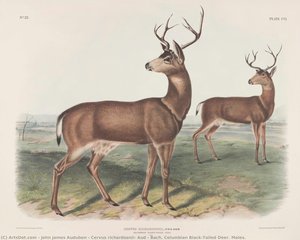
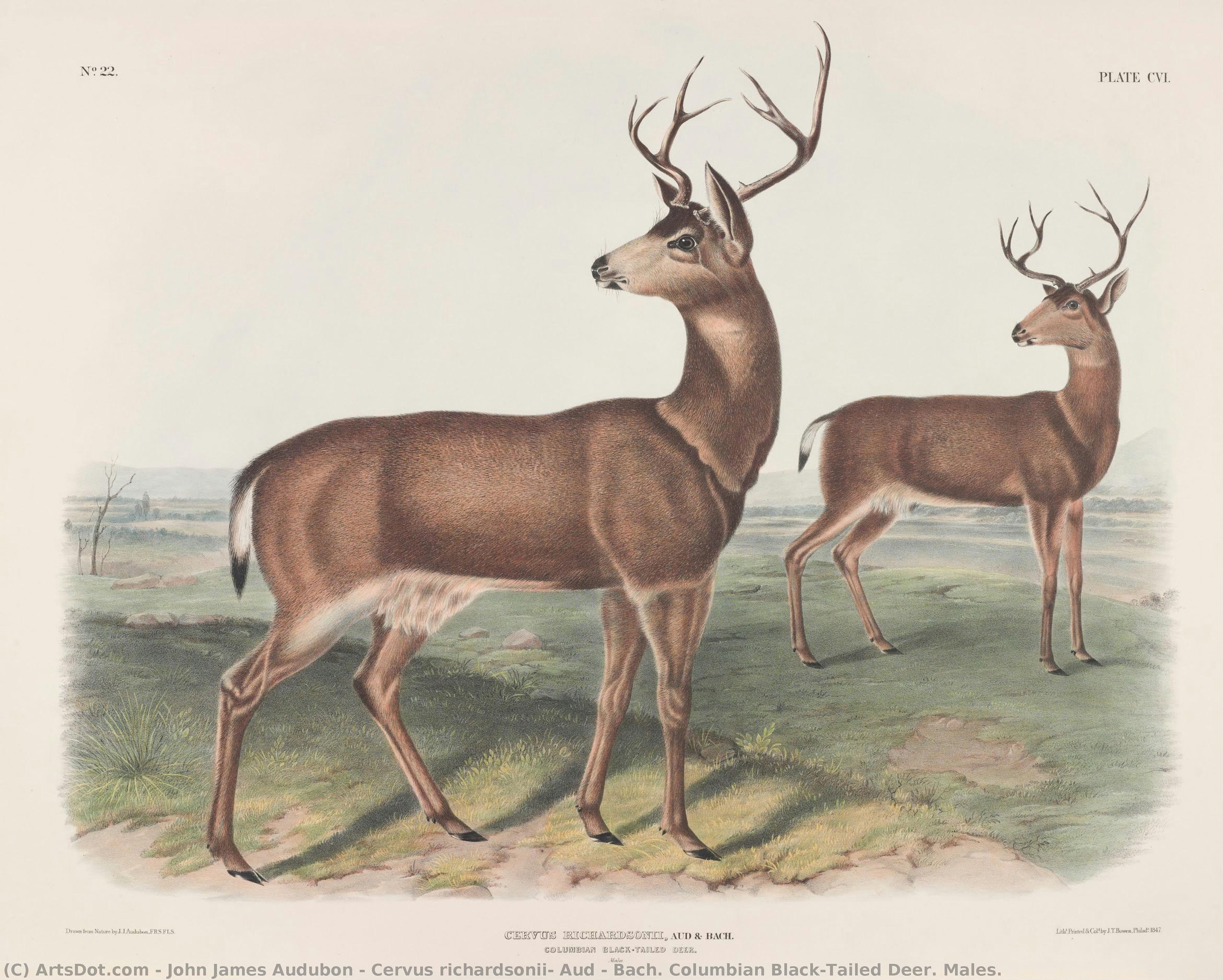
Cervus richardsonii, Aud & Bach. Columbian Black-Tailed Deer. Males.
 Acrylic On Canvas
- WallArt
- Romanticism
 1847
1847 70.0 x 55.0 cm
 Amon Carter Museum of American Art
 Read More
Giclée / Art Print
Museum-quality giclée or canvas print with fast production and flexible finish options. ( Buy Hand Made Painting Buy Image)




P118B $10

P118H $10

P118W $10

P438Z $10

P508JH $12

P508YH $12

P805H $10

P805Z $10

P919BZ $10

P919G $10

P919XJ $10

P959ZH $10

P968JZ $12

W106C $8

W218G $10

W218JH $8

W218Y $10

W307PJ $10

W316G $10

W316PJ $8

W316Y $10

W398PJ $8

W4111J $10

W500HY $15

W500JH $15

W692G $12

W849H $8

W940BG $15

W953PJ $8




Pick from our preset sizes that match the artwork's original proportions.

You may enter your own dimensions to fit a specific frame or space. If your selected size does not match the original image's proportions, we will either crop the artwork or extend the image with a mirrored or solid-fill edge. A digital mockup will be sent for your approval before production begins.
Please note that the on-screen preview does not reflect the actual cropping or extension. Only the mockup will accurately show the final composition.
While custom sizes are available, we recommend selecting a dimension from the predefined list to preserve the original proportions.
Worldwide Delivery () in 2 weeks instead of standard 4/5 weeks. (16 August)

Free Worldwide Express Shipping

High-Quality Linen Canvas

Full Shipping Insurance

Customs Tax Refund Guarantee

True Color Matching Guarantee

60-Day Return Policy (Defects Only)

100% Money-Back Guarantee

Bulk Discount Offer
 Glass option is only available in size under 110 CM

Cervus richardsonii, Aud & Bach. Columbian Black-Tailed Deer. Males.
Giclée / Art Print
Reproduction Size
-


Total Price
$ 63
Collectible Description
A Portrait of the American Wild: Audubon’s *Cervus richardsonii*
John James Audubon's 1847 painting, *Cervus richardsonii*, depicting a Columbian Black-Tailed Deer, stands as more than just a meticulously rendered wildlife portrait; it is a window into the burgeoning scientific and artistic landscape of early America. Executed in watercolor on paper, this work embodies Audubon’s revolutionary approach to natural history illustration – a commitment to capturing not merely the appearance of a subject but also its essence within its natural habitat. The deer itself, identified as *Cervus richardsonii*, a subspecies native to the western United States, is presented with an almost palpable sense of alertness and vitality. Its posture, head held high, ears pricked forward, immediately conveys a feeling of awareness, suggesting it’s keenly observing its surroundings – a detail that elevates this image beyond a simple depiction of animal form.
Audubon's technique is characterized by an extraordinary level of realism achieved through painstaking observation and masterful execution. He didn’t simply sketch; he studied. He spent countless hours in the field, patiently observing deer in their natural environment, meticulously documenting their movements, behaviors, and subtle variations in plumage and coloration. This dedication to direct observation is reflected in every detail of the painting – from the delicate texture of its fur to the intricate patterns of its antlers. The artist’s use of watercolor allows for a remarkable luminosity and depth, capturing the dappled sunlight filtering through the grasses and creating an illusion of three-dimensionality that was remarkably innovative for the time.
The Audubon Legacy: A Scientific Revolution
Audubon's work represents a pivotal moment in the history of natural science. Prior to his *Birds of America* (1827–1839), ornithological illustrations were often produced by engravers, resulting in flattened, stylized images that lacked the dynamism and immediacy of life. Audubon’s watercolor technique, combined with his commitment to depicting birds in their natural habitats – perched on branches, soaring through the air, or interacting with their environment – revolutionized the field. He wasn't just illustrating; he was documenting a world previously unseen with such detail and accuracy. His meticulous approach set a new standard for scientific illustration, influencing generations of artists and scientists to come.
The *Cervus richardsonii* painting is part of a larger series known as the Quadrupeds, a monumental project aimed at documenting all North American mammals. This ambitious undertaking reflected Audubon’s belief that understanding the natural world required not only artistic skill but also rigorous scientific inquiry. The Quadrupeds were intended to be more than just beautiful illustrations; they were meant to serve as valuable resources for scientists, naturalists, and anyone interested in learning about the diverse fauna of America.
Symbolism and the American Landscape
Beyond its technical brilliance, *Cervus richardsonii* carries a potent symbolic weight. The deer itself is deeply ingrained in American folklore and mythology, often associated with grace, agility, and connection to the wilderness. In Native American traditions, the deer represents respect for nature and the interconnectedness of all living things. Audubon’s depiction aligns with this symbolism, portraying the animal as a vital component of the American landscape – a creature perfectly adapted to its environment.
Furthermore, the painting speaks to the burgeoning sense of national identity in 19th-century America. As the country expanded westward, there was a growing desire to define what it meant to be “American.” Audubon’s work helped to shape this narrative by celebrating the beauty and diversity of the nation's natural resources. The image embodies the spirit of exploration, discovery, and the romantic ideal of the untamed wilderness – themes that resonated deeply with the American public.
A Timeless Masterpiece: Reproduction and Beyond
Today, *Cervus richardsonii* remains a treasured example of Audubon’s artistic genius. Reproductions, such as those offered by ArtsDot.com, allow us to appreciate the intricate details and emotional depth of this remarkable painting. The original, created in 1847, is held at the Amon Carter Museum of American Art in Fort Worth, Texas, a testament to its enduring significance. Whether displayed in a private collection or incorporated into an interior design scheme, Audubon’s *Cervus richardsonii* continues to captivate and inspire, reminding us of the beauty and wonder of the natural world.
Related Artworks
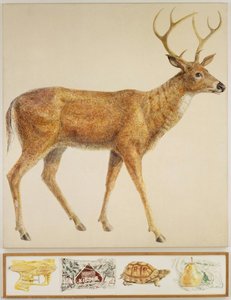
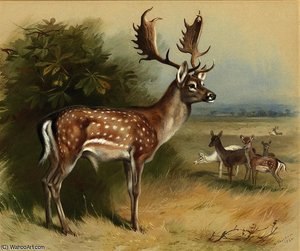
Artist Biography
A Life Etched in Feather and Field
John James Audubon, a name synonymous with American ornithology and art, was a figure of remarkable ambition, meticulous observation, and undeniable complexity. Born Jean-Jacques Rabin in 1785 in Les Cayes, Saint-Domingue – modern-day Haiti – his origins were steeped in the contradictions of colonial life. The son of a French naval officer and plantation owner, and a mother whose identity remains shrouded in some historical debate—possibly a free woman of color—Audubon’s early years were marked by a unique perspective, shaped by both privilege and the realities of a society built on exploitation. This Caribbean landscape, vibrant with exotic birds and lush vegetation, ignited within him a lifelong fascination with the natural world, a passion that would ultimately define his legacy. Following unrest in Saint-Domingue, he was sent to France for safety and education, though formal schooling never fully captured his restless spirit. It was during this period that his artistic inclinations began to blossom, nurtured by lessons in drawing and watercolor, yet always driven by an independent streak.The Pursuit of Avian Perfection
Audubon’s path wasn't immediately directed towards art or science; he dabbled in various ventures – a shopkeeper, a taxidermist, even attempting mining and mercantile pursuits—all while relentlessly pursuing his passion for birds. These early struggles, however, were crucial in honing his observational skills and developing the resilience needed to undertake his monumental life’s work: *The Birds of America*. This wasn't merely an artistic endeavor; it was a scientific undertaking of unprecedented scope. Between 1827 and 1838, Audubon embarked on a journey across North America, meticulously documenting nearly 500 bird species in life-size detail. He didn’t simply paint birds as static specimens; he captured them in dynamic poses, engaged in flight, feeding, or interacting with their environment. This revolutionary approach—portraying birds *within* their habitats—set his work apart from previous ornithological illustrations. The sheer scale of the paintings was breathtaking, demanding immense skill and unwavering dedication. Each bird was rendered with astonishing accuracy, showcasing not only its physical characteristics but also a sense of its individual character and vitality.Technique and Collaboration: A Masterful Synthesis
Audubon’s artistic technique was as innovative as his subject matter. He primarily employed watercolor on large sheets of paper, utilizing vibrant colors and meticulous detail to bring each bird to life. His compositions were often dramatic, emphasizing the birds' energy and grace. However, *The Birds of America* wasn’t a solitary creation. While Audubon created the original watercolors, their transformation into prints relied heavily on the expertise of engravers Robert Havell Sr. and later his son, Robert Havell Jr. These skilled artisans painstakingly translated Audubon’s delicate brushstrokes into stunning aquatint engravings, ensuring that the beauty and accuracy of the originals were faithfully reproduced for a wider audience. This collaboration was essential to the project's success, demonstrating the power of combining artistic vision with technical mastery. Beyond birds, Audubon also extended his artistic focus to mammals, creating detailed depictions of animals like the American bison and various species of foxes, further showcasing his commitment to documenting North America’s diverse wildlife.A Legacy Marked by Complexity
John James Audubon's impact extends far beyond the realm of art and ornithology. His work became an invaluable resource for scientists and naturalists, providing a detailed visual record of North American birdlife at a critical time when many species faced habitat loss and decline. He pioneered a field observation-based approach to studying birds, emphasizing meticulous documentation of behavior and habitat alongside his illustrations—a departure from earlier methods reliant on preserved specimens. This dedication helped raise awareness about the importance of conservation, contributing to the growing environmental movement in the 19th century. The National Audubon Society, founded in his honor, continues this vital work today. However, it’s crucial to acknowledge a darker side to Audubon's legacy. Recent scholarship has revealed troubling aspects of his life, including his ownership of enslaved people and his problematic views on race. He also engaged in questionable scientific practices, including the theft of human remains for research purposes. These revelations force us to confront the complexities of historical figures and grapple with their contributions within the context of their time—acknowledging both their achievements and their failings.Enduring Influence and Continued Exploration
Despite these controversies, Audubon’s artistic and scientific contributions remain significant. His work continues to inspire artists, scientists, and conservationists alike. The legacy extends through his son, John Woodhouse Audubon, who continued his ornithological studies, and the skilled engravers like Robert Havell Sr. and Jr., whose craftsmanship brought his vision to life. Exploring related figures such as Alfred Tennyson Agate, a contemporary naturalist, or Theodore Roosevelt Jr., an artist captivated by the American West, provides further context for the artistic and scientific landscape of Audubon’s era. His paintings are not merely beautiful representations of birds; they are windows into a vanished world, testaments to the power of observation, and reminders of our responsibility to protect the natural heritage he so passionately documented.- Related Artists: John Woodhouse Audubon, Robert Havell Sr., Robert Havell Jr., Alfred Tennyson Agate, Theodore Roosevelt Jr.
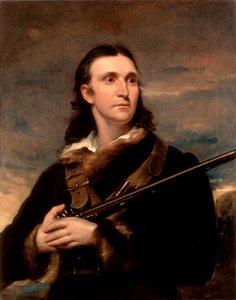
John James Audubon
1785 - 1851 , Haiti
Quick Facts
- Artistic Movement Or Style: Romanticism
- Artists Or Movements Influenced By This Artist:
- John Woodhouse Audubon
- Robert Havell Jr.
- Date Of Birth: April 26, 1785
- Date Of Death: January 27, 1851
- Full Name: John James Audubon
- Nationality: French-American
- Notable Artworks:
- Birds of America
- American Stork
- Say's Flycatcher
- American Cross Fox
- Place Of Birth: Les Cayes, Haiti
Related Articles

John Singer Sargent's 25 Masterpieces: Portraits & Beyond | ArtsDot
Explore 25 iconic John Singer Sargent paintings – from dazzling portraits to Impressionist landscapes. Discover the stories behind Madame X, El Jaleo & more! Find museum-quality art reproductions and elevate your home decor with ArtsDot.com.

John Constable's Masterpieces: Explore 25 Iconic Landscapes for Your Home
Journey through John Constable's 25 most celebrated landscapes. Explore Romanticism, Dedham Vale & his masterful use of light in iconic paintings like 'Hay Wain'. Find museum-quality art reproductions and elevate your home decor on ArtsDot.com.
John James Audubon: A Life Immersed in Ornithological Art & the American Wilderness
Explore the life & art of John James Audubon, pioneer of ornithological illustration! Discover his stunning 'Birds of America' watercolors and complex legacy. Hand-painted reproductions available at ArtsDot.

Dark Masterpieces: 10 Iconic Paintings Dominated by Black Tones |
Explore 10 iconic paintings dominated by black tones, from Rembrandt’s chiaroscuro to Goya's dark expressions. Discover the stories behind these masterpieces & find museum-quality art reproductions for your home at .
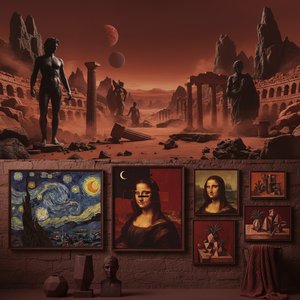
Mars Black Masterpieces: 10 Iconic Paintings & Timeless Art Decor Ideas
Delve into the power of 'Mars Black' with 10 iconic paintings by masters like Rembrandt & Caravaggio. Explore dramatic chiaroscuro, gothic art, and timeless beauty. Find museum-quality reproductions & elevate your home decor on .