 Preview
 Send
Send Share
Share
 Details

 Download
 Similars
 X-Ray
X-Ray Diaporama
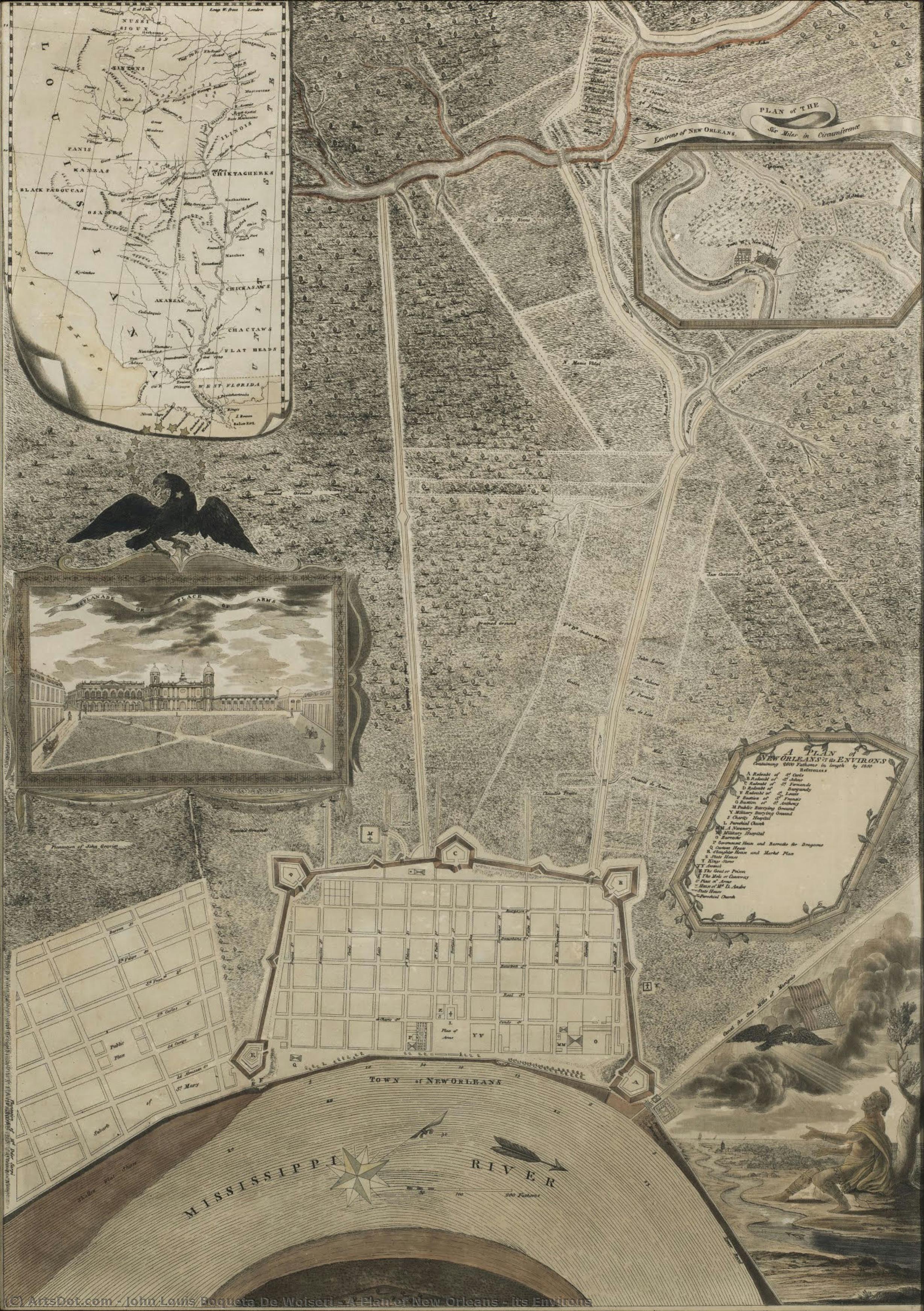
A Plan of New Orleans & its Environs


 Read More
Hand Made Oil Reproduction
Hand-painted oil on canvas in your size and frame, made to order by our artists. ( Buy Print Buy Image)




































Pick from our preset sizes that match the artwork's original proportions.

You may enter your own dimensions to fit a specific frame or space. If your selected size does not match the original image's proportions, we will either crop the artwork or extend the painting with additional hand-painted elements. A digital mockup will be sent for your approval before production begins.
Please note that the on-screen preview does not reflect the actual cropping or extension. Only the mockup will accurately show the final composition.
While custom sizes are available, we recommend selecting a dimension from the predefined list to preserve the original proportions.
After order, ArtsDot.com team will email client for instructions and provide a mockup preview
Worldwide Delivery () in 3/4 weeks instead of standard 5 weeks. (16 August). No compromise on quality.

Free Worldwide Express Shipping

High-Quality Linen Canvas

Full Shipping Insurance

Customs Tax Refund Guarantee

True Color Matching Guarantee

60-Day Return Policy (Defects Only)

100% Money-Back Guarantee

Bulk Discount Offer
 Glass option is only available in size under 110 CM

A Plan of New Orleans & its Environs
Reproduction Medium
Reproduction Size
-


Total Price
$ 263
Artwork Description
Related Artworks
Artist Biography
John Louis Boqueta de Woiseri (1775 – 1815): A Pioneer of Louisiana Landscape Painting
John Louis Boqueta de Woiseri was a French artist born in Paris in 1775, inheriting artistic talent from his father, Jean-Claude Dezauche, who was himself a respected engraver and publisher of geographical maps. This familial connection profoundly shaped Boqueta’s own creative path, fostering an early fascination with precision and visual representation—skills that would serve him exceptionally well throughout his life. He pursued engraving alongside teaching art and undertaking diverse engineering projects, demonstrating a multifaceted intellectual curiosity uncommon for his era.- Early Life & Training: Boqueta’s formative years were spent honing his artistic abilities under Dezauche's tutelage, immersing himself in the techniques of etching and mastering the art of capturing landscapes with meticulous detail. This foundational training instilled a dedication to accuracy that would characterize his subsequent endeavors.
- Movements to New Orleans & Philadelphia: Around 1798, Boqueta established residency in New Orleans, capitalizing on the burgeoning Louisiana Territory’s artistic vibrancy and attracting patronage from prominent planters like Jean Baptiste Bellefleur. He continued his artistic pursuits in Philadelphia and New York until 1811, absorbing influences from European Romanticism while simultaneously developing a distinctive style rooted in observation and technical mastery.
A Visionary Landscape Artist: View of New Orleans
Boqueta’s most celebrated achievement remains “View of New Orleans,” executed in 1803. Taken from the plantation of the Marigny, this panoramic depiction embodies the spirit of Louisiana’s early republic—a testament to Boqueta's ability to synthesize topographical knowledge with artistic sensitivity. The painting showcases a remarkable grasp of atmospheric perspective and color palettes, capturing the grandeur of the Mississippi River delta and conveying a palpable sense of place. It stands as one of the earliest documented representations of New Orleans, offering invaluable insight into the city’s visual culture during its formative years.
- Technique & Style: Boqueta employed a masterful engraving technique—a process he perfected under Dezauche—to achieve unparalleled clarity and tonal nuance in his artwork. His compositions prioritized compositional balance and careful attention to detail, reflecting the influence of neoclassical principles alongside an evolving Romantic sensibility.
- Influence of Jean-Claude Dezauche: Like many artists of his time, Boqueta benefited greatly from his father’s expertise as a geographer and engraver. Dezauche's meticulous mapping skills undoubtedly instilled in Boqueta a similar commitment to accurate observation and precise rendering—a hallmark of his artistic style.
Beyond the Canvas: Architectural Plans & Scientific Observation Boqueta’s interests extended beyond painting, encompassing architectural design and scientific exploration. He produced detailed plans for New Orleans and its environs in 1803, demonstrating a keen understanding of urban planning and engineering—skills that would prove invaluable to Louisiana's development during the Napoleonic era. Furthermore, Boqueta conducted geological surveys of Louisiana, furthering his commitment to empirical observation and contributing to the burgeoning field of scientific illustration.
Legacy & Significance Though Boqueta’s life was tragically cut short in 1815, “View of New Orleans” remains a cornerstone of Louisiana art history—a seminal work that solidified Boqueta's reputation as one of the era’s foremost landscape painters. His meticulous approach to artistic representation and his dedication to documenting the natural beauty of Louisiana continue to inspire admiration and scholarly study. He represents an important figure in bridging the gap between classical engraving traditions and the emerging Romantic movement, leaving behind a legacy that endures through his enduring masterpiece.
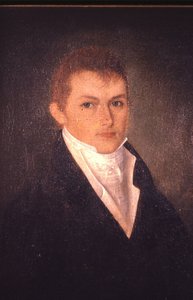
john louis boqueta de woiseri
1775 - 1815 , France
Quick Facts
- Artistic Movement Or Style: Engraver
- Artists Who Influenced This Artist: ['Jean-Claude Dezauche']
- Date Of Birth: 1775 Paris France
- Date Of Death: 1815
- Full Name: John Louis Boqueta de Woiseri
- Nationality: French
- Notable Artworks: ['View of New Orleans. Taken from the Plantation of the Marigny']
- Place Of Birth: Paris France