 Send
Send Share
Share
 Details

 Download
 Similars
 Diaporama
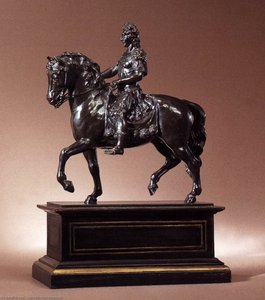
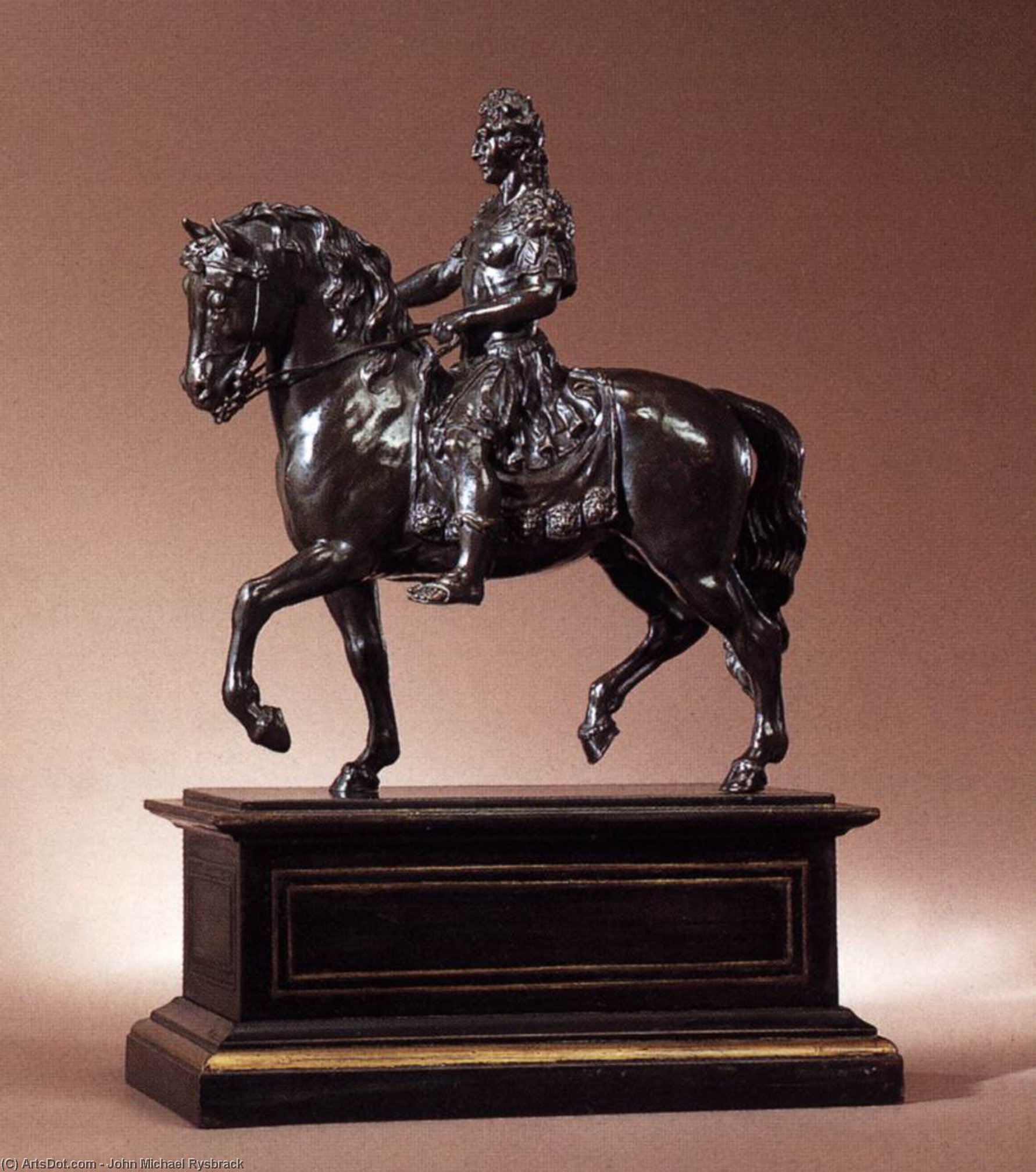
Equestrian Statue of King William III


 Read More
Giclée / Art Print
Museum-quality giclée or canvas print with fast production and flexible finish options. ( Buy Hand Made Painting Buy Image)




































Pick from our preset sizes that match the artwork's original proportions.

You may enter your own dimensions to fit a specific frame or space. If your selected size does not match the original image's proportions, we will either crop the artwork or extend the image with a mirrored or solid-fill edge. A digital mockup will be sent for your approval before production begins.
Please note that the on-screen preview does not reflect the actual cropping or extension. Only the mockup will accurately show the final composition.
While custom sizes are available, we recommend selecting a dimension from the predefined list to preserve the original proportions.
Worldwide Delivery () in 2 weeks instead of standard 4/5 weeks. (22 August)

Free Worldwide Express Shipping

High-Quality Linen Canvas

Full Shipping Insurance

Customs Tax Refund Guarantee

True Color Matching Guarantee

60-Day Return Policy (Defects Only)

100% Money-Back Guarantee

Bulk Discount Offer
 Glass option is only available in size under 110 CM

Equestrian Statue of King William III
Giclée / Art Print
Reproduction Size
-


Total Price
$ 63
Collectible Description
A Monument of Bronze and Majesty
In the heart of Bristol’s Queen Square, amidst the architectural whispers of history, stands a figure of enduring power: the Equestrian Statue of King William III. Crafted by the master Flemish sculptor John Michael Rysbrack, this bronze masterpiece is far more than a mere likeness of a monarch; it is a profound intersection of political triumph and artistic evolution. As one gazes upon the mounted figure, there is an immediate sense of movement and command, as if the horse’s rhythmic stride and the rider's steady hand are frozen in a moment of eternal victory. The sculpture captures the very essence of the 18th century—a period where the dramatic flair of the Baroque began to yield to the disciplined, noble grace of Neoclassicism.
The subject itself, William III, is portrayed not merely as a king, but as a Roman general, draped in classical attire that evokes the timeless authority of antiquity. This deliberate choice by Rysbrack serves to link the British Crown to the legendary stability of the Roman Empire, reinforcing the legitimacy and strength of the monarchy following the transformative Glorious Revolution of 1689. For the collector or admirer of fine art, the statue offers a window into an era where sculpture was used as a sophisticated language of statecraft, blending personal portraiture with grand historical allegory.
The Mastery of Rysbrack’s Hand
To appreciate this work is to appreciate the technical virtuosity of John Michael Rysbrack. Born in Antwerp, Rysbrack brought a uniquely Continental sensibility to the English landscape, characterized by an unparalleled anatomical precision. The creation of such a bronze monument required an arduous and complex process: from the initial delicate wax modeling to the intense heat of the molten metal pours. Each layer of patination applied to the bronze surface serves to enhance the sculpture's three-dimensionality, creating deep, velvety shadows within the folds of the king’s cloak and bright, reflective highlights along the horse’s muscular flanks.
The texture of the piece is a sensory delight, offering a tactile richness that makes it a captivating subject for any high-quality reproduction. One can trace the subtle variations in the bronze—the smoothness of the polished armor contrasting against the rugged, energetic mane of the horse. This interplay of light and shadow, achieved through masterful casting, ensures that the sculpture remains dynamic regardless of the lighting conditions. For interior designers seeking to introduce a sense of gravitas and historical depth into a space, the presence of such a classical form provides an anchor of sophistication and intellectual weight.
A Legacy of Strength and Stability
Beyond its physical beauty, the statue carries a heavy symbolic burden. It was erected in 1736 as a testament to Whig sentiment, celebrating the parliamentary recognition of the Crown’s authority. The equestrian pose—the rider controlling a powerful, moving beast—serves as a potent metaphor for leadership and the triumph of order over chaos. There is an emotional resonance in the work that transcends its historical origins; it speaks to the universal human desire for stability, dignity, and the enduring legacy of greatness.
Whether viewed as a cornerstone of Bristol’s heritage or as a pinnacle of Neoclassical achievement, the Equestrian Statue of King William III continues to inspire awe. It is a piece that demands attention, inviting viewers to contemplate the complex dance between art and politics, and between the fleeting nature of human life and the permanence of bronze. For those looking to adorn their collections with works that embody both historical significance and aesthetic perfection, Rysbrack’s creation remains an incomparable standard of excellence.
Related Artworks
Artist Biography
A Flemish Hand in the English Baroque: The Life and Art of John Michael Rysbrack
Born in Antwerp in 1694, John Michael Rysbrack emerged as a pivotal figure in 18th-century British sculpture. His story is one of artistic migration, skillful adaptation, and the forging of a unique style that blended the dynamism of Flemish Baroque tradition with the growing embrace of Classical ideals in England. Rysbrack wasn’t simply an importer of continental styles; he became a defining force in shaping the aesthetic landscape of his adopted homeland. His father, Pieter Rijsbraeck, was a landscape painter, instilling within young John an early appreciation for visual artistry. This familial artistic inclination led to formal training under Michiel van der Voort (the Elder) in Antwerp from 1706 to 1712—a foundational period where the principles of classical form were deeply ingrained. By 1714/1715, Rysbrack had established himself sufficiently to join the Guild of St. Luke in Antwerp and even take on apprentices, signaling his ascent as a master craftsman within the Flemish artistic community. The family’s creative spirit extended beyond John; his brothers Pieter Andreas and Gerard also pursued successful painting careers, eventually joining him in London, creating a vibrant hub of artistic talent transplanted to English soil.From Antwerp Workshop to London Prominence
The year 1720 marked a turning point as Rysbrack relocated to London, a city poised for an era of significant cultural and artistic development. He quickly ascended to prominence, becoming one of the most sought-after sculptors in England. Unlike many artists who worked in isolation, Rysbrack established a substantial workshop—a bustling center of production staffed by numerous assistants, including fellow Flemish sculptors like Gaspar van der Hagen and James Francis Verskovis. This allowed him to undertake large-scale commissions with efficiency while maintaining consistently high quality. His success wasn’t accidental; it stemmed from an astute understanding of the British elite's tastes—a desire for grandeur tempered by a growing appreciation for Classical restraint. Early patronage from influential figures like Edward Lord Harley (later 2nd Earl of Oxford) and Sarah, Duchess of Marlborough provided crucial early support and visibility. Relationships with clients such as Henry Hoare, who commissioned several works and even bequeathed Rysbrack a model of Hercules in his will, demonstrate the depth of trust and artistic connection he fostered. Correspondence with Sir Edward Littleton offers invaluable insights into the practicalities of sculpture production during this period—the challenges of materials, logistics, and the collaborative nature of workshop practice.Monuments to Memory: Major Works and Artistic Style
Rysbrack’s oeuvre is remarkably diverse, encompassing monumental sculptures, elegant portrait busts, and intricate funerary monuments. Perhaps his most celebrated achievement is the monument to Sir Isaac Newton in Westminster Abbey—a grand and imposing work that encapsulates both the scientific brilliance of its subject and Rysbrack's mastery of large-scale sculptural composition. The equestrian statue of Marlborough stands as a testament to his ability to capture movement, power, and heroic stature. However, it is in his portrait busts – those of Walpole, Bolingbroke, and Alexander Pope among others – that Rysbrack’s talent for psychological insight truly shines. He didn't merely replicate physical likenesses; he sought to convey the character, intellect, and personality of each sitter. The bust of George Hamilton, 1st Earl of Orkney, is particularly noteworthy, depicting the subject as a Roman centurion—a deliberate allusion to his distinguished military career and a demonstration of Rysbrack’s ability to imbue sculpture with historical context. The monument at St Michael and All Angels Church in Badminton, featuring depictions of the 2nd and 3rd Duke of Beaufort in Roman attire, showcases his skill in complex allegorical compositions. Even his bronze equestrian statue of King William III in Queen Square, Bristol, highlights his versatility across different materials.A Lasting Legacy: Rysbrack’s Influence on British Sculpture
John Michael Rysbrack's impact on the development of 18th-century British sculpture is undeniable. For decades, he dominated the scene, shaping artistic trends and influencing a generation of sculptors through his workshop training. He played a crucial role in popularizing both portraiture and funerary monuments, establishing a distinctive aesthetic that skillfully balanced Baroque dynamism with Classical restraint—a style that resonated deeply with the cultural sensibilities of the time. His work reflects not only artistic innovation but also the complex social hierarchies and patronage networks of 18th-century Britain, offering valuable insights into the period’s values and priorities. While his later years saw a slight decline in commissions, his legacy endured through the continued influence of his style and the widespread presence of his works throughout England. Rysbrack's story is a compelling example of how an immigrant artist could not only thrive but also fundamentally contribute to the artistic identity of a new nation—leaving behind a body of work that continues to inspire and captivate audiences today. His sculptures remain powerful statements of artistry, ambition, and the enduring human desire for commemoration.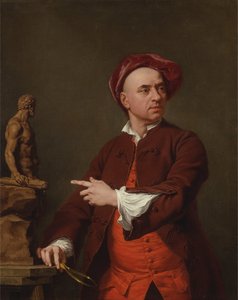
John Michael Rysbrack
1694 - 1770 , Belgium
Quick Facts
- Artistic Movement Or Style: Baroque & Classical
- Artists Or Movements Influenced By This Artist: ['British sculpture']
- Artists Who Influenced This Artist: ['Michiel van der Voort']
- Date Of Birth: 1694
- Date Of Death: 1770
- Full Name: John Michael Rysbrack
- Nationality: Flemish
- Notable Artworks:
- Newton Monument
- Marlborough Statue
- Busts: Walpole, Pope
- Orkney Bust
- Badminton Monument
- William III Statue
- Place Of Birth: Antwerp, Belgium
Related Articles

Bronze Sculptures That Defined Art History | ArtsDot
Journey through art history with our Top 10 bronze sculptures! Explore masterpieces by Rodin, Michelangelo & more. Discover stories behind iconic statues and find museum-quality reproductions for your home decor at ArtsDot.com.

Bronze Age to Modern Masters: 10 Sculptures That Redefined Art | ArtsDot
Journey through art history with 10 legendary bronze sculptures – from Michelangelo's David to Rodin’s Thinker. Explore the stories, techniques & timeless beauty of these masterpieces. Find museum-quality reproductions & elevate your home decor on ArtsDot.com.

The Enduring Form: Exploring Themes & Techniques in Sculpture Across Historical Periods
Explore the rich history of sculpture from ancient masterpieces to contemporary innovations. Discover key techniques, influential artists & investment potential for discerning art collectors.
The Enduring Form: Sculpture Across History, Technique & Emotional Resonance
Explore the rich history of sculpture with ArtsDot. Discover key techniques, influential artists & investment potential for discerning collectors. Expert insights into valuing and collecting timeless masterpieces.
The Enduring Legacy of Bronze Sculpture: History, Techniques & Contemporary Interpretations
Explore the rich history & enduring appeal of bronze sculpture. Learn about casting techniques, iconic artists, collecting tips, & contemporary interpretations. Expert insights for discerning art collectors.