

 Preview
 Send
Send Share
Share
 Details

 Download
 Similars
 X-Ray
X-Ray Diaporama
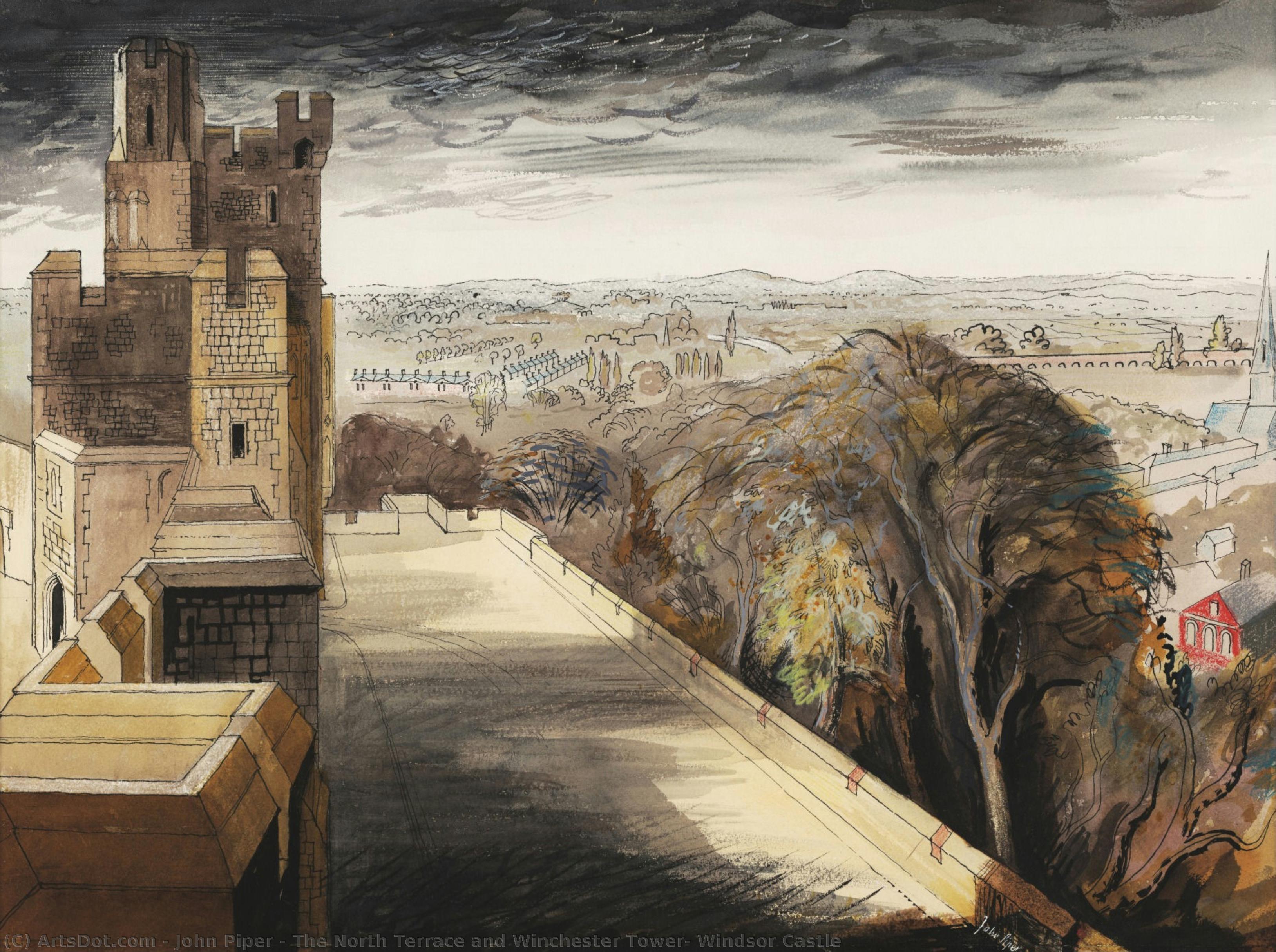
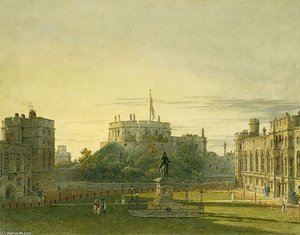
The North Terrace and Winchester Tower, Windsor Castle


 Read More
Purchase a high-resolution, enhanced digital image, far superior to the online preview.
Each file is meticulously prepared by our in-house specialists using advanced tools and expert manual retouching. We ensure every image has exceptional clarity, precise color accuracy, and fine detail.
The final file is delivered via email within 72 hours, optimized for immediate use in professional, editorial, and print environments. This is the same quality trusted by top-tier design studios, publishers, and galleries.
Digital Image
Download a high-resolution file for personal display, printing, and creative projects. ( Buy Print Buy Hand Made Painting)
Included in Every Digital Image Order
Expert Digital Delivery, Guaranteed
When you choose ArtsDot.com, you're not just getting an image - you're receiving a professionally enhanced digital artwork, crafted with precision and backed by a satisfaction guarantee. Here's everything that comes with your order, automatically:

Fast Email Delivery
Your high-resolution digital image file will be emailed to you within 72 hours of ordering - ready for immediate use.

AI-Enhanced Digital File
Your artwork is professionally optimized using advanced AI tools and manual editing, ensuring maximum detail, clarity, and color accuracy.

Free Lifetime Re-Delivery
Accidentally deleted or lost your file? No worries - we'll resend it to you anytime, free of charge.

No Import Fees - Ever
Enjoy your artwork instantly with zero customs, duties, or delivery fees - digital downloads are always tax-free.

Color Accuracy Guarantee
We ensure your digital image reflects the original colors as closely as possible using professional tools and color management.

60-Day Satisfaction Guarantee
If you're not satisfied with your digital image, we'll revise it or refund 100% within 60 days - no questions asked.

100% Money-Back Guarantee
Not satisfied? Get a full refund within 60 days of receiving your digital file - no questions asked.

Bulk Order Discounts
Buy 3 images, save 10% - Buy 5, save 15% - Buy 10+, save 20%. Great for creative projects, galleries, and agencies.
Collectible Description
A Stormy Vista: John Piper’s Windsor Castle
The watercolour “The North Terrace and Winchester Tower, Windsor Castle” by John Piper isn't merely a depiction of a stately building; it’s a carefully constructed meditation on power, vulnerability, and the enduring spirit of Britain. Painted during the tumultuous years of World War II, this artwork transcends its historical context to offer a timeless exploration of atmosphere and architectural grandeur. Piper, a master of capturing both the solidity of stone and the dynamism of light, transforms the familiar silhouette of Windsor Castle into something profoundly evocative – a fortress wrestling with the elements, a symbol simultaneously imposing and subtly threatened.
The scene unfolds beneath a dramatic, bruised sky, rendered in layers of charcoal grey and deep indigo. These aren’t the cheerful blues of a summer afternoon; they are the colors of impending storm, hinting at both danger and resilience. The castle itself, a pale grey monolith against this turbulent backdrop, appears almost vulnerable, its towers reaching upwards like supplicating arms. Piper's meticulous attention to detail – the rough texture of the stone, the subtle variations in tone – grounds the scene in reality while simultaneously elevating it to a realm of symbolic weight. The artist’s choice to omit human figures further intensifies this effect, focusing our gaze entirely on the architecture and its relationship with the natural world.
Technique and Artistic Vision
Piper's technique is characterized by a remarkable blend of observation and imagination. He wasn’t simply sketching Windsor Castle; he was actively engaging with it, seeking to capture not just its appearance but also its essence. The watercolours are built up in thin, translucent layers, creating an astonishing sense of depth and luminosity. Notice how the light catches on the stonework, revealing intricate details while simultaneously suggesting a vastness that stretches beyond the frame. Piper’s use of dry brushstrokes adds to this textural richness, imbuing the scene with a palpable sense of movement – as if the wind is whipping across the terrace.
The commission itself provides fascinating insight into Piper's artistic process and the anxieties of wartime Britain. Queen Elizabeth II, acutely aware of the potential devastation of bombing raids, commissioned a series of watercolour views of Windsor Castle to document its state in case of damage. This seemingly pragmatic request ultimately yielded a profoundly poetic work, reflecting Piper’s deep understanding of both architecture and the human condition. The artist's initial reluctance to paint “spring days” – preferring the dramatic intensity of storm clouds – reveals his artistic temperament and his refusal to compromise his vision.
Symbolism and Historical Resonance
Beyond its immediate visual appeal, "The North Terrace and Winchester Tower" is rich in symbolic meaning. The castle itself represents the enduring legacy of British monarchy, a symbol of stability and tradition amidst constant change. However, the stormy sky serves as a potent metaphor for the challenges faced by Britain during World War II – uncertainty, fear, and the threat of destruction. The tower, reaching towards the heavens, can be interpreted as a beacon of hope, a testament to resilience in the face of adversity.
Furthermore, Piper’s choice of subject matter—a relatively unassuming view of Windsor Castle—is itself significant. In a time of national crisis, he selected a scene that offered both beauty and contemplation, reminding viewers of the enduring values of their nation. The painting's creation during wartime underscores its emotional depth, transforming a simple landscape into a powerful statement about the spirit of Britain.
A Timeless Masterpiece for Collectors
Reproductions of “The North Terrace and Winchester Tower” capture much of the original’s atmospheric power and intricate detail. Whether displayed in a grand hall or a smaller study, this artwork evokes a sense of timelessness and quiet contemplation. Its evocative imagery and rich symbolism make it an ideal addition to any collection, offering both aesthetic pleasure and historical insight. Consider commissioning a hand-painted reproduction – a faithful recreation that honors Piper’s artistic vision while preserving the unique qualities of his technique.
Related Artworks

Artist Biography
A Life Immersed in the British Landscape
John Egerton Christmas Piper, born in 1903 in the Surrey countryside near Epsom, was an artist whose life and work became inextricably linked to the spirit of Britain. From his earliest explorations as a child – sketching churches and monuments during bicycle rides through the rolling hills – a deep fascination with the nation’s architectural heritage and natural beauty took root. Though initially enrolled at Epsom College, Piper found its structured environment stifling, preferring instead the freedom of independent observation and artistic expression. His formal training began at Richmond School of Art, followed by a brief period at the Royal College of Art in London, which he left before completing his studies, perhaps sensing that conventional academic routes wouldn’t fully accommodate his burgeoning vision. This early restlessness foreshadowed a career marked by stylistic evolution and an unwavering commitment to personal artistic exploration. Piper's beginnings were steeped in a family of solicitors, yet it was the visual world, not the legal one, that truly captured his imagination.
From Abstraction to a Distinctive British Vision
Piper’s artistic journey began with experimentation in abstraction, influenced by the burgeoning modernist movements of the 1930s and connections forged through groups like the Seven and Five Society. However, he soon embarked on a path that would define his unique contribution to British art: a return to representational painting infused with an intensely personal sensibility. He didn’t simply depict what he saw; he interpreted it through a lens of Romanticism, imbuing landscapes, churches, and ruins with a palpable sense of history, atmosphere, and often, melancholy. His paintings are characterized by expressive brushwork, bold color palettes, and a keen eye for the textures and forms that reveal the essence of his subjects. This wasn’t merely topographical painting; it was an emotional response to place. Piper's versatility extended beyond paint, encompassing tapestry designs, book jackets, screen-prints, photography, fabrics, and ceramics – demonstrating a restless creative energy and a desire to explore diverse artistic mediums. He collaborated extensively with other artists, poets like John Betjeman and Geoffrey Grigson on the celebrated Shell Guides, and craftsmen such as potter Geoffrey Eastop and artist Ben Nicholson, enriching his own work through these cross-disciplinary exchanges.
Wartime Witness: Coventry Cathedral and National Trauma
The outbreak of World War II proved to be a pivotal moment in Piper’s career. Appointed an official war artist, he turned his attention to documenting the devastating impact of bombing raids on Britain's historic buildings. His depictions of bomb-damaged churches, most notably those of Coventry Cathedral following its destruction in 1940, resonated deeply with a nation grappling with loss and resilience. These weren’t detached observations; they were visceral portrayals of trauma, rendered with an urgency and emotional intensity that captured the collective grief of a country at war. The images became iconic symbols of national suffering but also of enduring spirit. Piper's work transcended mere documentation; it served as a powerful testament to the fragility of civilization and the importance of preserving cultural heritage in the face of destruction. His subsequent designs for the stained-glass windows of the rebuilt Coventry Cathedral, unveiled in 1962, were not simply replacements but transformative works that infused the new structure with a sense of hope and renewal.
Legacy and Enduring Influence
John Piper’s contribution to British art extends far beyond his wartime depictions. His lifelong exploration of the British landscape – its churches, ruins, coastal scenes, and rolling hills – helped redefine perceptions of landscape painting and fostered a renewed appreciation for Britain's architectural heritage. He wasn’t simply recording what existed; he was interpreting it through a uniquely personal vision, imbuing it with layers of meaning and emotion. His later years saw him produce numerous limited-edition prints, making his work accessible to a wider audience. Recognized as one of the most important British artists of the 20th century, Piper received the honor of being appointed a Companion of Honour (CH) in 1978, acknowledging his significant contributions to art and culture. Today, his works are held in numerous public collections, including Tate Britain and regional museums across the UK, ensuring that his evocative vision continues to inspire and captivate generations to come. Piper’s legacy lies not only in the beauty of his paintings but also in his ability to capture the essence of a nation – its history, its spirit, and its enduring connection to the land.
- Early Influences: Abstract art movements, Romanticism
- Key Themes: British landscape, architectural heritage, wartime trauma, spirituality
- Notable Collaborations: John Betjeman, Geoffrey Grigson, Geoffrey Eastop, Ben Nicholson

John Piper
1903 - 1992 , United Kingdom
Quick Facts
- Artistic Movement Or Style: Neo-Romanticism, Expressionism
- Artists Or Movements Influenced By This Artist: ['British landscape painting']
- Artists Who Influenced This Artist:
- Ben Nicholson
- Henry Moore
- Date Of Birth: 1903
- Date Of Death: 1992
- Full Name: John Egerton Christmas Piper
- Nationality: British
- Notable Artworks:
- Coventry Cathedral
- Castle Howard Temple
- Park Place
- Ruined Cottage
- Place Of Birth (City And Country): Epsom, United Kingdom

