 Preview
 Send
Send Share
Share
 Details

 Download
 Similars
 X-Ray
X-Ray Diaporama
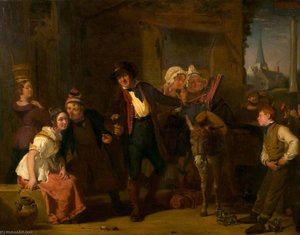
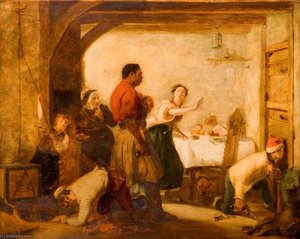
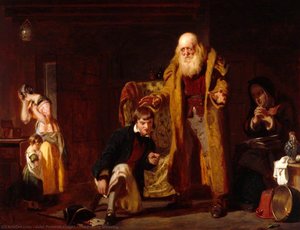
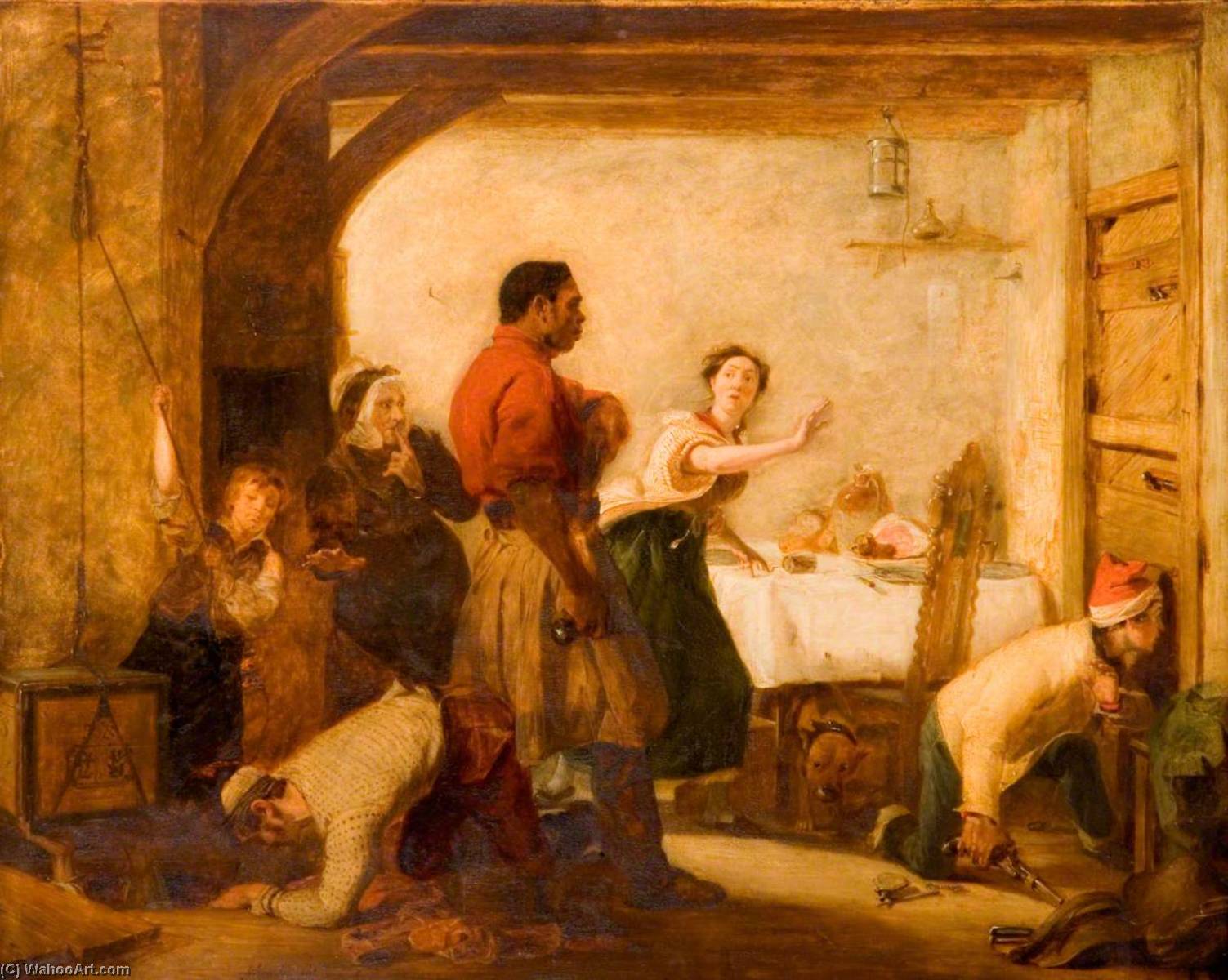
Smugglers Alarmed
 Oil
Oil- WallArt
- Victorian Realism
 1830
1830- 19th Century
 60.0 x 75.0 cm
 The Shire Hall Gallery
 Read More
Hand Made Oil Reproduction
Hand-painted oil on canvas in your size and frame, made to order by our artists. ( Buy Print Buy Image)




P118B $10

P118H $10

P118W $10

P438Z $10

P508JH $12

P508YH $12

P805H $10

P805Z $10

P919BZ $10

P919G $10

P919XJ $10

P959ZH $10

P968JZ $12

W106C $8

W218G $10

W218JH $8

W218Y $10

W307PJ $10

W316G $10

W316PJ $8

W316Y $10

W398PJ $8

W4111J $10

W500HY $15

W500JH $15

W692G $12

W849H $8

W940BG $15

W953PJ $8




Pick from our preset sizes that match the artwork's original proportions.

You may enter your own dimensions to fit a specific frame or space. If your selected size does not match the original image's proportions, we will either crop the artwork or extend the painting with additional hand-painted elements. A digital mockup will be sent for your approval before production begins.
Please note that the on-screen preview does not reflect the actual cropping or extension. Only the mockup will accurately show the final composition.
While custom sizes are available, we recommend selecting a dimension from the predefined list to preserve the original proportions.
After order, ArtsDot.com team will email client for instructions and provide a mockup preview
Worldwide Delivery () in 3/4 weeks instead of standard 5 weeks. (16 August). No compromise on quality.

Free Worldwide Express Shipping

High-Quality Linen Canvas

Full Shipping Insurance

Customs Tax Refund Guarantee

True Color Matching Guarantee

60-Day Return Policy (Defects Only)

100% Money-Back Guarantee

Bulk Discount Offer
 Glass option is only available in size under 110 CM

Smugglers Alarmed
Reproduction Medium
Reproduction Size
-


Total Price
$ 263
Artwork Description
A Moment Frozen in Chaos: The Drama of Smugglers Alarmed
In the dimly lit interiors of the nineteenth century, few scenes capture the tension of clandestine life as vividly as John Prescott Knight’s Smugglers Altarmed. This masterful historical narrative transports the viewer directly into a room thick with suspense and the sudden, sharp intrusion of justice. The painting depicts the precise heartbeat when a hidden world of illicit trade is shattered by the arrival of authority. As we gaze upon the scene, we are not merely observers but witnesses to a dramatic confrontation; men and women, caught in the midst of their secret assembly, react with a visceral range of emotions—from the desperate kneeling of those seeking mercy to the startled stillness of those frozen by the unexpected raid.
Knight, a virtuoso of Victorian narrative painting, utilizes a rich, atmospheric palette to heighten the psychological weight of the encounter. The composition is expertly balanced between the domesticity of the dining setting and the encroaching chaos of the arrest. On one side, the familiar elements of a shared meal—a heavy wooden table, scattered bottles, and humble bowls—suggest a momentary peace that has been violently interrupted. The interplay of light and shadow, characteristic of Knight’s academic training, casts deep, dramatic silhouettes across the room, emphasizing the cluttered, claustrophobic nature of the smugglers' hideout and drawing the eye toward the central figures caught in this legal storm.
Mastery of Technique and Historical Resonance
The technical execution of Smugglers Alarmed reflects the rigorous academic standards of the mid-1800s. Through meticulous brushwork, Knight renders the textures of old-fashioned fabrics, the glint of glass bottles, and the weathered surfaces of wooden furniture with remarkable precision. This attention to detail serves a greater purpose than mere realism; it grounds the historical drama in a tangible reality that feels both authentic and immediate. The artist’s ability to direct the viewer's gaze through the strategic placement of figures and objects creates a rhythmic movement across the canvas, leading us from the secondary dining area on the left toward the primary site of conflict on the right.
For the discerning collector or interior designer, this piece offers more than just historical interest; it provides a profound emotional anchor for any space. The painting’s inherent drama makes it an extraordinary focal point for a study, a library, or a formal dining room, where its themes of justice and hidden truths can resonate with the surrounding decor. As a high-quality reproduction, this artwork preserves the soul of Knight’s original vision, offering an opportunity to invite the sophisticated storytelling of the Victorian era into a modern setting. It is a piece that invites conversation, prompting reflections on the thin line between law and transgression, and the sudden ways in which our private worlds can be irrevocably changed.
Related Artworks
Artist Biography
A Legacy of Light and Line: The Life of John Prescott Knight
In the grand tapestry of Victorian art, few figures occupied a position as influential and multifaceted as John Prescott Knight. Born in 1803 into an environment of intellectual prestige—the son of the esteemed barrister Edward Knight—Knight’s early life was steeped in the refined sensibilities of the British upper class. This upbringing provided more than just social standing; it offered a profound connection to the cultural currents of his time. His formative years at Eton College, under the watchful eye of the poet and illustrator William Hayley Jr., planted the seeds of a lifelong devotion to the visual arts. It was here that Knight first mastered the delicate nuances of watercolor, a medium that would later inform the atmospheric sensitivity found in his more mature oil compositions.
As his talent matured, Knight moved beyond the pastoral charm of landscape painting toward the rigorous demands of academic portraiture. His journey led him to Somerset House, where he immersed himself in the formal study of oil techniques, refining a style that would eventually bridge the gap between Romanticism and the psychological realism of the mid-Victorian era. This evolution was not merely technical but deeply philosophical, as he sought to move beyond simple likeness to capture the very essence of his subjects' characters.
The Architect of the Royal Academy
Knight’s career was defined by a rare combination of creative brilliance and institutional leadership. His election as a Fellow of the Royal Academy in 1829 marked his ascent into the highest echelons of the British art world. However, it was his extraordinary tenure as the Secretary to the Academy—a position he held for over five decades—that allowed him to shape the very trajectory of English art history. In this capacity, Knight acted as a gatekeeper and a guide, navigating the complex politics of the London art scene and facilitating the growth of the institution during a period of immense cultural transformation.
This administrative mastery did not come at the expense of his personal artistry. On the contrary, his deep involvement in the Academy provided him with an unparalleled vantage point from which to observe the shifting tides of taste. He witnessed the transition from the sweeping, dramatic landscapes influenced by Turner to a new era of focused, character-driven portraiture. His ability to maintain his creative relevance while managing the administrative heart of British art remains one of the most remarkable feats of his professional life.
Mastery of Portraiture and Dramatic Narrative
The true hallmark of Knight’s oeuvre lies in his profound command of chiaroscuro and emotional resonance. While many of his contemporaries focused on the external trappings of wealth and status, Knight sought the internal landscape of the human soul. His portraits are celebrated for their uncanny ability to capture fleeting expressions and subtle psychological depths, utilizing dramatic contrasts of light and shadow to create a sense of living presence. Through these techniques, he imbued his canvases with an atmosphere that feels both intimate and timeless.
Beyond the individual portrait, Knight demonstrated a remarkable aptitude for large-scale, complex compositions that blended historical narrative with theatrical flair. His works often functioned as much like stage productions as they did paintings, capturing grand moments of historical significance with a sense of movement and drama. His contributions to the art of the era can be summarized through several key artistic pillars:
- Psychological Depth: The use of subtle facial nuances to reveal the inner lives and temperaments of his sitters.
- Atmospheric Technique: A masterful application of light and shadow to heighten the emotional impact of a scene.
- Narrative Ambition: The ability to compose large-scale group scenes that convey historical weight and theatrical energy.
- Institutional Influence: A lifelong dedication to the Royal Academy, ensuring the continuity of academic excellence in Britain.
Ultimately, John Prescott Knight remains a cornerstone of 19th-century British art. He was an artist who understood that a portrait is not merely a record of a face, but a window into an era. Through his dual legacy as a painter of profound sensitivity and a pillar of the artistic establishment, he helped define the visual language of the Victorian age.
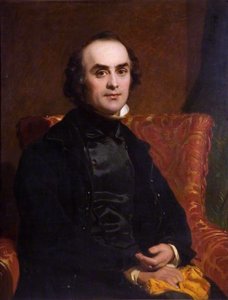
john prescott knight
1803 - 1881
Quick Facts
- Artistic Movement Or Style: Victorian Portraiture
- Artists Or Movements Influenced By This Artist: ['Romanticism']
- Artists Who Influenced This Artist:
- Sir Thomas Lawrence
- William Hayley
- Date Of Birth: 1803
- Date Of Death: 1881
- Full Name: John Prescott Knight
- Nationality: English
- Notable Artworks:
- Waterloo Banquet
- The Duchess of Sutherland
- Place Of Birth: London, England
Related Articles

John Singer Sargent's 25 Masterpieces: Portraits & Beyond | ArtsDot
Explore 25 iconic John Singer Sargent paintings – from dazzling portraits to Impressionist landscapes. Discover the stories behind Madame X, El Jaleo & more! Find museum-quality art reproductions and elevate your home decor with ArtsDot.com.

John Constable's Masterpieces: Explore 25 Iconic Landscapes for Your Home
Journey through John Constable's 25 most celebrated landscapes. Explore Romanticism, Dedham Vale & his masterful use of light in iconic paintings like 'Hay Wain'. Find museum-quality art reproductions and elevate your home decor on ArtsDot.com.
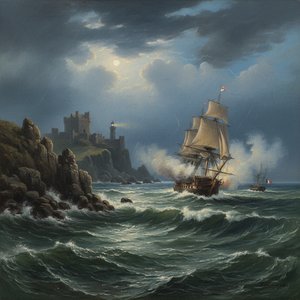
John Wilson Carmichael: Evoking Scottish Identity Through Dramatic Marine Painting
Explore the dramatic marine paintings of John Wilson Carmichael (1800-1868), a Victorian master renowned for his realistic seascapes and historical naval scenes. Discover his life, style & available hand-painted reproductions at ArtsDot.
John Graham Gilbert: Rediscovering a Victorian Master of Narrative & Portraiture
Discover the captivating world of John Graham Gilbert, a Victorian master! Explore his portraits, genre scenes & illustrations. Learn about his influences, legacy & find high-quality reproductions at ArtsDot.
John Gilbert: A Comprehensive Exploration of Technique, Context, and Enduring Legacy in Victorian Genre Painting
Explore the life & art of John Gilbert, a prolific Victorian painter renowned for his captivating genre scenes and Venetian-inspired style. Discover his legacy with ArtsDot.