 Preview
 Send
Send Share
Share
 Details

 Download
 Similars
 X-Ray
X-Ray Diaporama
John Campbell


 Read More
Hand Made Oil Reproduction
Hand-painted oil on canvas in your size and frame, made to order by our artists. ( Buy Print Buy Image)




































Pick from our preset sizes that match the artwork's original proportions.

You may enter your own dimensions to fit a specific frame or space. If your selected size does not match the original image's proportions, we will either crop the artwork or extend the painting with additional hand-painted elements. A digital mockup will be sent for your approval before production begins.
Please note that the on-screen preview does not reflect the actual cropping or extension. Only the mockup will accurately show the final composition.
While custom sizes are available, we recommend selecting a dimension from the predefined list to preserve the original proportions.
After order, ArtsDot.com team will email client for instructions and provide a mockup preview
Worldwide Delivery () in 3/4 weeks instead of standard 5 weeks. (17 August). No compromise on quality.

Free Worldwide Express Shipping

High-Quality Linen Canvas

Full Shipping Insurance

Customs Tax Refund Guarantee

True Color Matching Guarantee

60-Day Return Policy (Defects Only)

100% Money-Back Guarantee

Bulk Discount Offer
 Glass option is only available in size under 110 CM

John Campbell
Reproduction Medium
Reproduction Size
-


Total Price
$ 263
Artwork Description
A Dignified Gaze: Exploring John Robertson Reid's Portrait of John Campbell
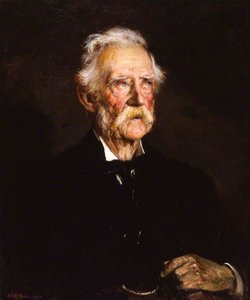
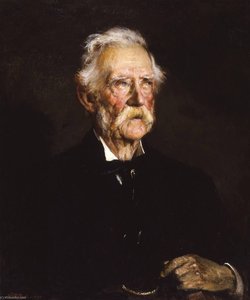
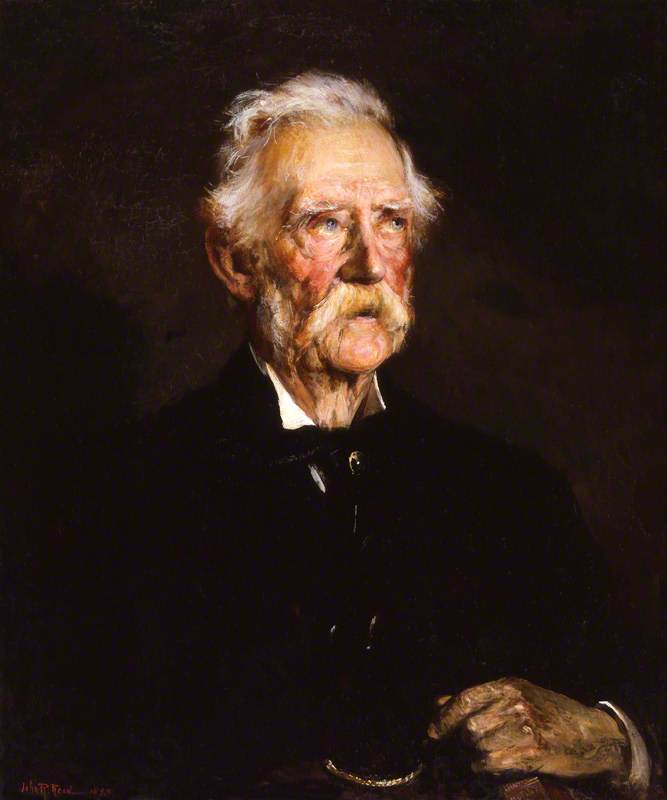
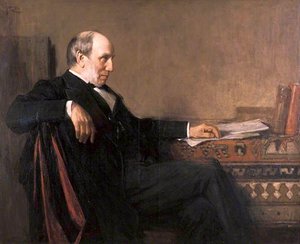
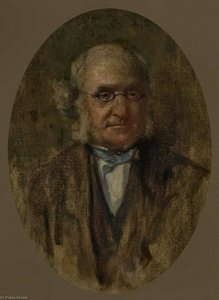
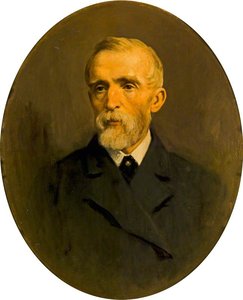
This striking oil painting presents a formal portrait of an elderly gentleman, identified as John Campbell. Created in 1893 by Scottish artist John Robertson Reid, the artwork embodies the meticulous realism and dignified aesthetic characteristic of late 19th-century portraiture. More than just a likeness, it offers a glimpse into a moment frozen in time, conveying wisdom, experience, and a quiet gravitas.
Composition & Technique: A Study in Realism
The composition is carefully structured to draw the viewer's attention directly to Campbell’s face. He is positioned slightly off-center against a dark, contrasting background, emphasizing his features and attire. The artist demonstrates exceptional skill in rendering textures – the rough quality of the white hair, the subtle wrinkles on the skin, and the smooth drape of the dark suit are all meticulously captured. Reid's technique utilizes oil paints on canvas with subtly blended brushstrokes, creating a remarkably realistic surface. The lighting, originating from the upper left, skillfully sculpts the face with shadows, adding depth and volume to the subject.
Historical Context & Symbolism
Painted during a period of significant social change in Britain, this portrait reflects the values placed on experience and status. Formal portraits like this were often commissioned by individuals seeking to document their position within society. The dark background can be interpreted as symbolizing formality or perhaps even a sense of mystery surrounding the subject's life. Campbell’s clasped hands and serious expression suggest a man of wisdom and authority, embodying the Victorian ideal of dignified restraint. While specific details about John Campbell remain elusive, the painting itself speaks to a broader narrative of societal standing and personal character in late 19th-century Britain.
Emotional Impact & Artistic Legacy
Beyond its technical brilliance, this portrait evokes a sense of quiet contemplation. The viewer is invited to consider the life experiences etched upon Campbell’s face – the lines around his eyes, the firmness of his jawline. John Robertson Reid's ability to capture not just physical likeness but also an underlying emotional depth elevates this work beyond a mere representation; it becomes a poignant study of human character. Reid himself was known for depicting scenes of Cornish life and daily routines, demonstrating a keen eye for detail and a talent for portraying ordinary individuals with dignity and respect. This portrait of John Campbell stands as a testament to his skill and a compelling window into the past.
Related Artworks


Artist Biography
Early Life and Artistic Foundations
John Robertson Reid, born on August 6th, 1851, in Scotland, embarked on a journey that would see him capture the essence of British life with remarkable detail and sensitivity. His initial artistic training under George Chalmers and William MacTaggart laid a solid foundation for his future endeavors, instilling within him a respect for traditional techniques alongside an emerging interest in capturing the natural world directly from observation. This early period was characterized by a dedication to plein air painting – working outdoors, directly before the subject – a practice that would become central to his artistic identity and set him apart from many of his contemporaries. He honed his skills depicting the Surrey countryside, often employing local people as models, creating scenes imbued with authenticity and a quiet dignity.The Cornish Years: A Flourishing Career
In the early 1880s, Reid relocated to Cornwall, a region that would profoundly influence his artistic output for decades. The rugged coastline, picturesque villages, and vibrant community provided an endless source of inspiration. It was here that his career truly flourished. He became known for his ability to portray everyday life with both realism and emotional depth. Scenes of coastal activity, family gatherings, and rural pursuits filled his canvases, offering a glimpse into the lives of ordinary people during the Victorian era. This period saw him move toward what would become his signature style – a blend of Naturalism, influenced by artists like Sir George Clausen, and elements of Realism inspired by French painters such as Jules Bastien-Lepage, with subtle hints of Impressionistic techniques in his handling of light and color.Presidency and Recognition
Reid’s talent and dedication did not go unnoticed. In 1886, he was elected President of the Society of British Artists, a prestigious position that provided him with increased visibility and access to London's art circles. He further solidified his standing in the artistic community by becoming President of the Society of Sculptors, Painters and Gravers in 1898. These roles not only elevated his profile but also allowed him to champion the work of other artists and contribute to the broader cultural landscape. His paintings were increasingly sought after, and he gained a reputation for capturing the spirit of the age with honesty and grace.A Unique Approach: Cricket Matches and Social Commentary
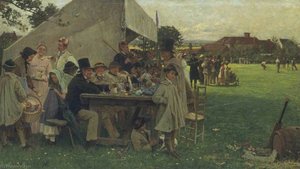
While Reid excelled in portraying various aspects of British life, his depictions of country cricket matches are particularly noteworthy. “A Country Cricket Match,” painted at The Well House in West Sussex, is a prime example of his ability to blend sporting action with social observation. These paintings weren’t merely records of a game; they were detailed portraits of Victorian society, capturing the interactions and nuances of village life. He meticulously documented the scene on location, adding layers of authenticity that resonated with viewers. Beyond cricket, Reid's work often subtly commented on the changing social dynamics of the time, portraying the lives of working-class individuals with respect and dignity – a refreshing perspective in an era often dominated by depictions of the upper classes.Legacy and Influence
John Robertson Reid passed away on February 10th, 1926, leaving behind a rich artistic legacy. His work continues to be admired for its technical skill, emotional depth, and insightful portrayal of Victorian life. He was not only a talented painter but also a dedicated advocate for the arts, fostering a sense of community among his peers. His sisters, Lizzie Reid and Flora MacDonald Reid, were also exhibiting artists, demonstrating a strong artistic lineage within the family. Furthermore, he was the great-uncle of Sir Norman Reid, who later served as Director of the Tate Gallery, further cementing the family’s contribution to the art world. His paintings offer a valuable window into a bygone era, capturing the beauty and complexity of British society with enduring appeal.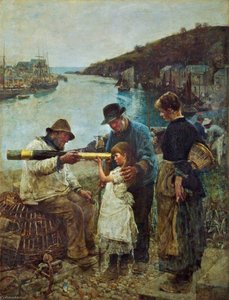
john robertson reid
1851 - 1926
Quick Facts
- Artistic Movement Or Style: Impressionism
- Artists Or Movements Influenced By This Artist: ['Cornish Impressionism']
- Artists Who Influenced This Artist:
- William Holman Hunt
- George Frederic Watts
- Date Of Birth: August 6, 1851
- Date Of Death: February 10, 1926
- Full Name: John Robertson Reid
- Nationality: Scottish
- Notable Artworks:
- Leaving School
- Rival Grandfathers
- John Campbell
- Place Of Birth: Edinburgh, Scotland
Related Articles

John Singer Sargent's 25 Masterpieces: Portraits & Beyond | ArtsDot
Explore 25 iconic John Singer Sargent paintings – from dazzling portraits to Impressionist landscapes. Discover the stories behind Madame X, El Jaleo & more! Find museum-quality art reproductions and elevate your home decor with ArtsDot.com.

John Constable's Masterpieces: Explore 25 Iconic Landscapes for Your Home
Journey through John Constable's 25 most celebrated landscapes. Explore Romanticism, Dedham Vale & his masterful use of light in iconic paintings like 'Hay Wain'. Find museum-quality art reproductions and elevate your home decor on ArtsDot.com.
Romantic Realism's Finest: 10 Masterpieces for Your Home | ArtsDot
Explore 10 defining masterpieces of Romantic Realism! Discover Courbet, Millet & Daumier's powerful paintings—capturing emotion and social realities. Find museum-quality reproductions for your home at ArtsDot.com.

Echoes of Society: Exploring Social Realism's Enduring Legacy in Art
Explore the powerful world of Social Realism art! Discover key artists, masterpieces & its profound social commentary. Expert insights into this influential movement's history and enduring legacy.

American Realism: Social Commentary & Artistic Representation in Early 20th-Century Painting
Explore the powerful social commentary & artistic representation of American Realism. Discover key artists like Bellows & Sloan, and understand the movement's lasting impact on 20th-century art history.