 Preview
 Send
Send Share
Share
 Details

 Download
 Similars
 X-Ray
X-Ray Diaporama
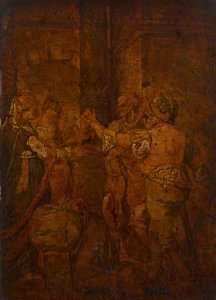
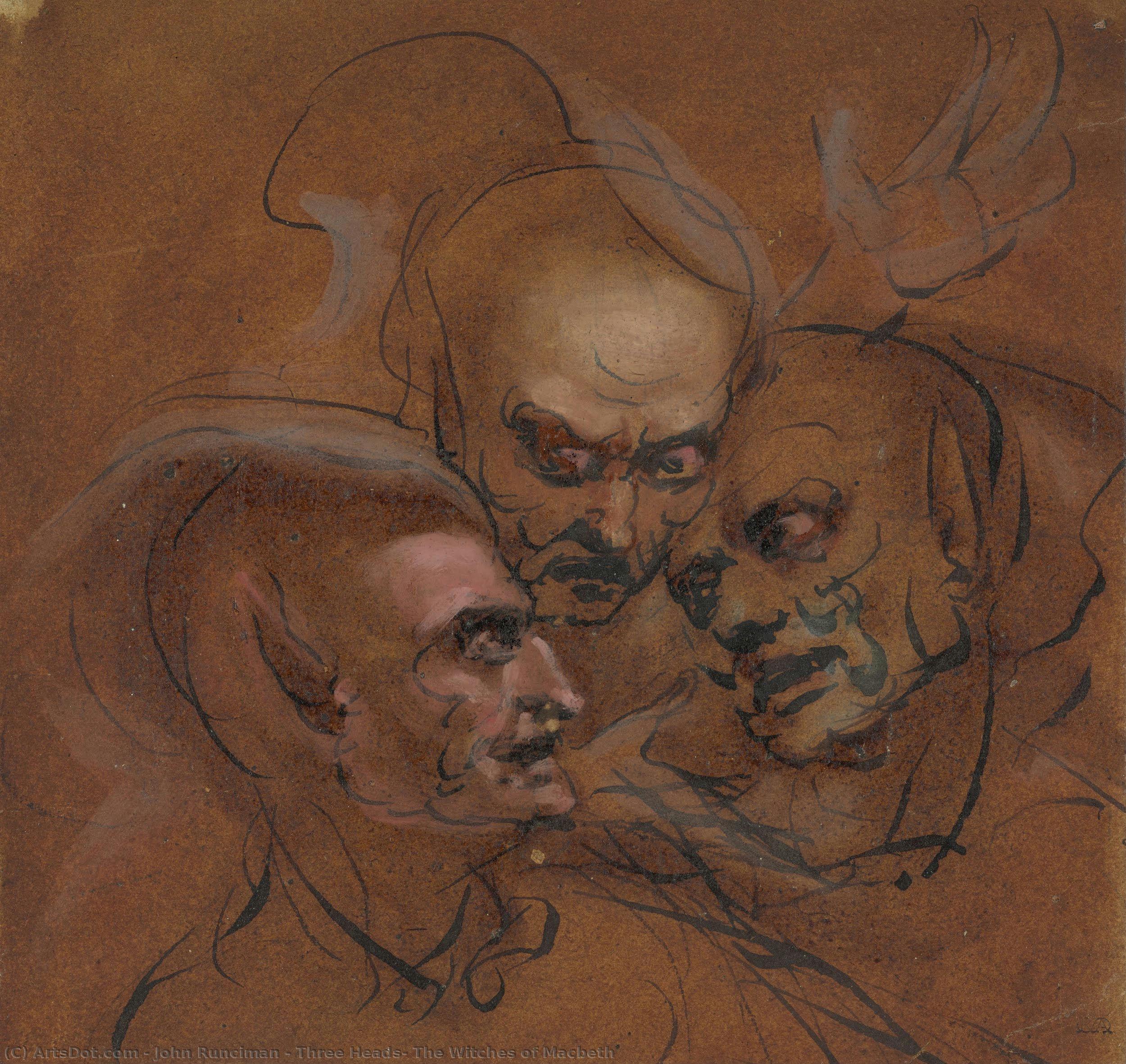
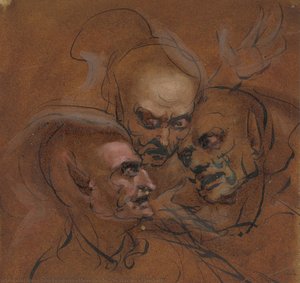
Three Heads: The Witches of Macbeth


 Read More
Hand Made Oil Reproduction
Hand-painted oil on canvas in your size and frame, made to order by our artists. ( Buy Print Buy Image)




P118B $10

P118H $10

P118W $10

P438Z $10

P508JH $12

P508YH $12

P805H $10

P805Z $10

P919BZ $10

P919G $10

P919XJ $10

P959ZH $10

P968JZ $12

W106C $8

W218G $10

W218JH $8

W218Y $10

W307PJ $10

W316G $10

W316PJ $8

W316Y $10

W398PJ $8

W4111J $10

W500HY $15

W500JH $15

W692G $12

W849H $8

W940BG $15

W953PJ $8




Pick from our preset sizes that match the artwork's original proportions.

You may enter your own dimensions to fit a specific frame or space. If your selected size does not match the original image's proportions, we will either crop the artwork or extend the painting with additional hand-painted elements. A digital mockup will be sent for your approval before production begins.
Please note that the on-screen preview does not reflect the actual cropping or extension. Only the mockup will accurately show the final composition.
While custom sizes are available, we recommend selecting a dimension from the predefined list to preserve the original proportions.
After order, ArtsDot.com team will email client for instructions and provide a mockup preview
Worldwide Delivery () in 3/4 weeks instead of standard 5 weeks. (17 August). No compromise on quality.

Free Worldwide Express Shipping

High-Quality Linen Canvas

Full Shipping Insurance

Customs Tax Refund Guarantee

True Color Matching Guarantee

60-Day Return Policy (Defects Only)

100% Money-Back Guarantee

Bulk Discount Offer
 Glass option is only available in size under 110 CM

Three Heads: The Witches of Macbeth
Reproduction Medium
Reproduction Size
-


Total Price
$ 263
Artwork Description
A Supernatural Encounter in Ink and Gouache
In the hauntingly ephemeral sketch Three Heads: The Witches of Macbeth, the viewer is thrust into a realm where the boundaries between reality and nightmare dissolve. Created around 1768 by the Scottish artist John Runciman, this work serves as a visceral window into the late eighteenth-century fascination with the macabre and the theatrical. The subject matter—the prophetic, unsettling trio from Shakespeare’s most famous tragedy—is rendered not through grand, sweeping strokes, but through a rapid, expressive execution that captures the very essence of supernatural dread. Each face emerges from the shadows with a distinct, unsettling personality; while one head possesses a more defined, detailed structure, the others seem to dissolve into the murky depths of the background, suggesting a presence that is both physically present and spiritually fleeting.
The technique employed by Runciman is nothing short of masterful in its economy of means. Utilizing a warm brown wash on paper, the artist has strategically applied light gouache to highlight specific features, creating a flickering, candlelight effect that breathes life into the grotesque. This interplay of light and shadow—a precursor to the dramatic chiaroscuro often found in Romanticism—gives the figures an eerie, luminous quality, as if they are manifesting out of a thick, nocturnal mist. The texture of the paper and the fluidity of the wash contribute to a sense of immediacy, making the viewer feel as though they have stumbled upon a private, feverish vision captured in a moment of intense creative inspiration.
The Legacy of the Roman Circle
To understand the profound emotional weight of this piece, one must look toward the historical context of Runciman’s travels. In 1767, Runciman and his brother Alexander journeyed to Rome, where they became part of an international circle of artists orbiting the influential figure Henri Fuseli. This group was united by a shared passion for the dramatic, the fantastic, and the literary, often drawing profound inspiration from the works of Shakespeare and classical mythology. It was during this Roman period that Runciman’s style underwent a transformative shift, becoming significantly more vibrant and expressive. This specific work, once misidentified by historians as a study of satyrs, reveals the artist's true intent: to capture the psychological terror and prophetic weight of the Macbeth witches.
For the discerning collector or interior designer, Three Heads: The Witches of Macbeth offers more than just a visual experience; it provides a conversation piece steeped in literary history and artistic evolution. The dark, earthy tones and the dramatic, almost skeletal features of the faces make it an ideal centerpiece for spaces that demand character, depth, and a touch of the avant-garde. Whether placed in a study lined with classical literature or as a bold statement in a contemporary gallery setting, this reproduction brings the haunting beauty of the Scottish Enlightenment’s fascination with the occult into the modern home, inviting all who gaze upon it to contemplate the thin veil between the known and the unknown.
Related Artworks
Artist Biography
John Runciman: A Brief, Dramatic Life of an Eighteenth-Century Scottish Artist
John Runciman (1744 – c. 1768 or 1769), a name largely absent from mainstream art history, nevertheless produced a remarkably potent body of work during his tragically short career. Born in Edinburgh, Scotland, into a family with strong connections to the shipping industry—his father, Walter Runciman, was a prominent figure—Runciman’s artistic path diverged significantly from the established norms of the time, marked by an intense emotionalism and a fascination with biblical narratives and historical scenes. His life, tragically cut short at the age of just twenty-four or twenty-five, is as compelling as the dramatic paintings he created, offering a poignant glimpse into the world of a struggling artist in the late 18th century.
Runciman’s early artistic training occurred within the framework of the Foulis Academy in Glasgow, a renowned institution that fostered a generation of Scottish artists. He apprenticed under Robert Norie, a landscape painter, and later partnered with his brother, Alexander Runciman, also an artist. This collaboration initially focused on landscapes, but Runciman quickly gravitated towards more emotionally charged subjects—particularly biblical scenes—demonstrating a willingness to experiment with style and technique. Crucially, he benefited from the patronage of Robert Alexander of Edinburgh, who provided financial support that enabled him to pursue his artistic ambitions in Rome between 1767 and 1768. This period proved formative, exposing him to the works of masters like Rembrandt and allowing him to develop a distinctive style characterized by dramatic lighting, intense color palettes, and a palpable sense of movement.
Runciman’s artistic output during this Roman sojourn was remarkably prolific, producing self-portraits, studies of biblical figures, and several finished paintings. His most celebrated works from this period include “Flight into Egypt,” currently housed in the National Gallery of Scotland, a powerfully evocative depiction of Mary and Joseph fleeing to Egypt, imbued with an almost theatrical quality. The painting’s use of chiaroscuro—the dramatic contrast between light and dark—creates a sense of urgency and emotional intensity. Another significant work is “King Lear in the Storm,” a monumental canvas depicting Shakespeare's tragic king confronting a raging tempest at sea. This piece, also held by the National Gallery, showcases Runciman’s ability to capture both the physical drama of the scene and the psychological turmoil of its central figure. The painting’s composition—a dynamic interplay of figures against a turbulent sky—demonstrates his growing mastery of perspective and color.
Despite his artistic promise, Runciman's career was plagued by personal difficulties and ultimately cut short by illness. His health deteriorated rapidly in 1768, and he reportedly destroyed many of his works, partly due to the harsh criticism from fellow artist James Nevay. This act, often interpreted as a rejection of his own art, speaks volumes about the pressures faced by artists during that era—the constant need to prove one’s worth and the vulnerability to negative critique. His untimely death in Naples at the age of twenty-four or twenty-five left behind a relatively small but intensely expressive body of work. However, Runciman's legacy endures through his paintings, which continue to captivate viewers with their dramatic intensity and emotional depth.
Runciman’s Style and Influences
Runciman’s artistic style can be characterized as a synthesis of influences—a blend of Baroque drama, Rembrandt’s chiaroscuro technique, and the emerging Romantic sensibility. His use of light and shadow is particularly striking, creating a sense of theatricality and emotional intensity that sets his work apart from many of his contemporaries. He was deeply influenced by the works of Rembrandt, evident in his masterful manipulation of light and his ability to convey complex emotions through subtle gestures and expressions. The influence of Caravaggio is also apparent in his dramatic compositions and use of tenebrism.
Furthermore, Runciman’s work reflects the broader artistic trends of the late 18th century—a growing interest in biblical narratives, a fascination with historical subjects, and an increasing emphasis on emotional expression. His paintings are not merely depictions of events; they are explorations of human experience—of faith, suffering, and redemption. The dramatic lighting and dynamic compositions contribute to this sense of heightened emotion, creating works that resonate deeply with viewers.
Major Works
John Runciman’s oeuvre is relatively small, but his major works stand as testaments to his artistic talent and expressive power. Among the most significant paintings are:
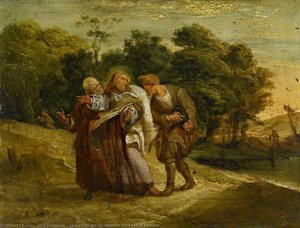
- Flight into Egypt (National Gallery of Scotland): A powerful depiction of Mary and Joseph fleeing persecution, characterized by dramatic lighting and emotional intensity.
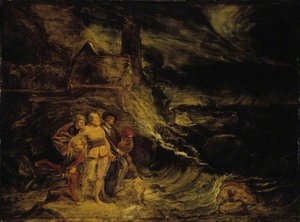
- King Lear in the Storm (National Gallery of Scotland): A monumental canvas depicting Shakespeare’s tragic king confronting a raging tempest at sea, showcasing Runciman's mastery of composition and color.
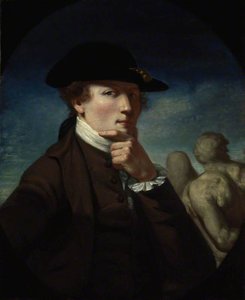
- Self-Portrait (c. 1767): A revealing portrait that offers insight into the artist’s personality and artistic ambitions.
Historical Significance
Despite his relatively obscure status in art history, John Runciman's work holds a significant place within the context of 18th-century Scottish painting. He represents a bridge between the more traditional landscape traditions of the era and the emerging Romantic movement—a period characterized by emotional intensity, dramatic subject matter, and an interest in exploring the darker aspects of human experience. Runciman’s paintings are not merely aesthetically pleasing; they offer a valuable window into the artistic and cultural currents of his time. His tragically short life serves as a poignant reminder of the challenges faced by artists—particularly those who dared to break from established conventions and pursue their own unique vision.
john runciman
1744 - 1766
Quick Facts
- Artistic Movement Or Style: Biblical & Historical
- Artists Or Movements Influenced By This Artist: ['Alexander Runciman']
- Artists Who Influenced This Artist: ['Rembrandt']
- Date Of Birth: 1744
- Date Of Death: 1768 (or 1769)
- Full Name: John Runciman
- Nationality: Scottish
- Notable Artworks:
- Flight into Egypt
- King Lear
- Place Of Birth: Edinburgh, Scotland
Related Articles
The Eloquent Line: Exploring the Artistic Significance of Sketches Across Movements and Media
Explore the profound artistic significance of sketches throughout history. From Renaissance masters to modern innovators like Van Gogh & Guston, discover how these foundational works reveal technique, emotion, and vision. Learn more at ArtsDot.
Rosy Brown Hues: 10 Master Paintings & Timeless Decor Ideas |
Explore 10 iconic paintings bathed in captivating rosy brown tones! From Rembrandt to Titian, discover the stories behind these masterpieces & their warm color palettes. Find museum-quality art reproductions and decor inspiration at .

Sandy Brown Masterpieces: 10 Iconic Paintings & Timeless Decor Ideas
Explore 10 iconic paintings bathed in captivating sandy brown tones! From Rembrandt to Monet, discover the stories behind these timeless masterpieces & find museum-quality art reproductions for your home. Explore the full collection on ArtsDot.com.
John George Brown: Capturing American Life & Sentiment in 19th-Century Genre Painting
Explore the captivating genre paintings of John George Brown, celebrated for his realistic depictions of 19th-century American life. Discover his legacy & find museum-quality reproductions at ArtsDot.
Earthy Hues & Masterpieces: Top 10 Paintings with 'Mushroom' Tones |
Explore 10 iconic paintings with captivating 'mushroom' tones! Discover Van Gogh, Monet & Rembrandt’s masterpieces—earthy palettes, rich history & artistic techniques. Find museum-quality art reproductions and curated decor ideas at