 Preview
 Send
Send Share
Share
 Details

 Download
 Similars
 X-Ray
X-Ray Diaporama
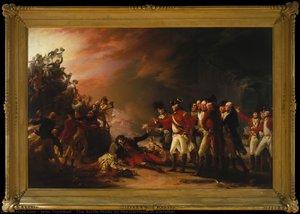
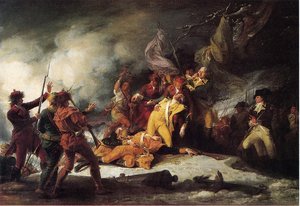
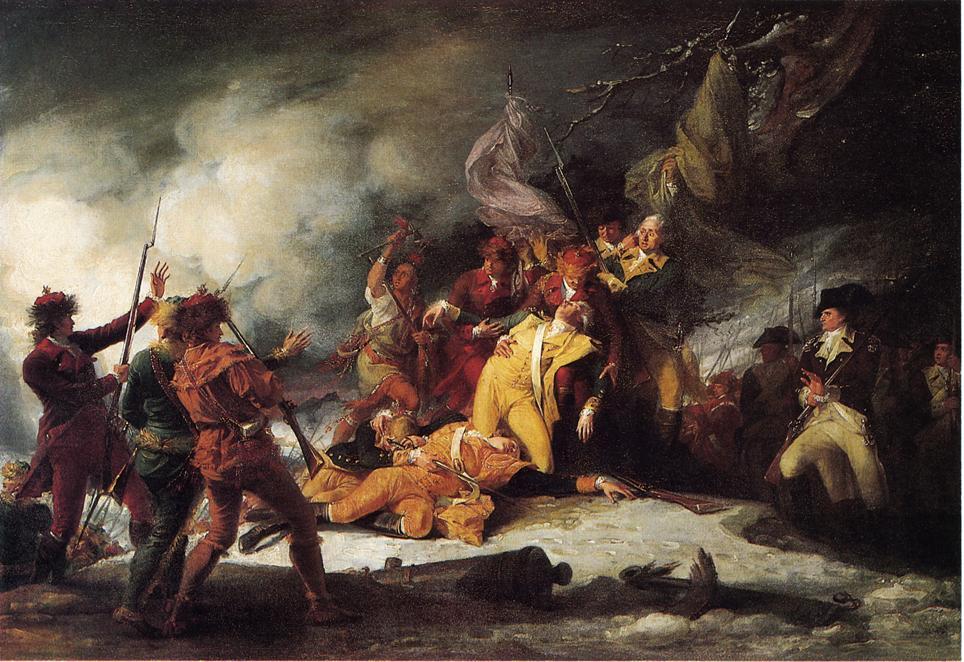
The Death of General Montgomery in the Attack on Quebec, December 31, 1775


 Read More
Hand Made Oil Reproduction
Hand-painted oil on canvas in your size and frame, made to order by our artists. ( Buy Print Buy Image)




P118B $10

P118H $10

P118W $10

P438Z $10

P508JH $12

P508YH $12

P805H $10

P805Z $10

P919BZ $10

P919G $10

P919XJ $10

P959ZH $10

P968JZ $12

W106C $8

W218G $10

W218JH $8

W218Y $10

W307PJ $10

W316G $10

W316PJ $8

W316Y $10

W398PJ $8

W4111J $10

W500HY $15

W500JH $15

W692G $12

W849H $8

W940BG $15

W953PJ $8




Pick from our preset sizes that match the artwork's original proportions.

You may enter your own dimensions to fit a specific frame or space. If your selected size does not match the original image's proportions, we will either crop the artwork or extend the painting with additional hand-painted elements. A digital mockup will be sent for your approval before production begins.
Please note that the on-screen preview does not reflect the actual cropping or extension. Only the mockup will accurately show the final composition.
While custom sizes are available, we recommend selecting a dimension from the predefined list to preserve the original proportions.
After order, ArtsDot.com team will email client for instructions and provide a mockup preview
Worldwide Delivery () in 3/4 weeks instead of standard 5 weeks. (16 August). No compromise on quality.

Free Worldwide Express Shipping

High-Quality Linen Canvas

Full Shipping Insurance

Customs Tax Refund Guarantee

True Color Matching Guarantee

60-Day Return Policy (Defects Only)

100% Money-Back Guarantee

Bulk Discount Offer
 Glass option is only available in size under 110 CM

The Death of General Montgomery in the Attack on Quebec, December 31, 1775
Reproduction Medium
Reproduction Size
-


Total Price
$ 263
Artwork Description
A Frozen Moment of Heroic Sacrifice: Trumbull’s “The Death of General Montgomery”
John Trumbull's "The Death of General Montgomery in the Attack on Quebec, December 31, 1775" isn’t merely a historical painting; it’s a visceral tableau of loss and valor, meticulously rendered with an almost unbearable intensity. Completed in 1786, this monumental canvas captures a pivotal moment during the American Revolutionary War – the fatal wounding of General Richard Montgomery as he led his troops against British fortifications in Quebec City. More than just a depiction of battle, it’s a profound meditation on leadership, sacrifice, and the brutal realities of war, imbued with a dramatic theatricality that continues to resonate today.
The painting immediately commands attention through its dynamic composition. Trumbull employs a powerful diagonal thrust, pulling the viewer's eye from Montgomery’s prone form in the lower left corner towards the chaotic swirl of combat and the distant silhouette of Quebec City. The scene is steeped in a dramatic chiaroscuro – an interplay of intense light and deep shadow – that heightens the sense of urgency and despair. The snow-covered landscape, rendered with meticulous detail, contributes to the painting’s bleakness, emphasizing the unforgiving nature of the environment and mirroring Montgomery's own fate.
A Study in Contrasts: Technique and Artistic Influences
Trumbull’s masterful technique is evident in every brushstroke. He demonstrates a remarkable command of color, utilizing rich, saturated hues – particularly crimson for Montgomery’s bloodied uniform and the fiery glow of the battlefield – to create a dramatic visual impact. The figures are rendered with an almost sculptural quality, their forms defined by strong outlines and carefully sculpted drapery. Notably, Trumbull draws heavily from the conventions established by Benjamin West, his mentor, particularly in the composition and theatrical staging of the scene. Elements reminiscent of West’s “The Death of General Wolfe” – a similar dramatic lighting scheme, a fallen hero amidst a chaotic battlefield – are subtly present, demonstrating Trumbull's assimilation of West’s style while forging his own distinct artistic voice.
The artist’s attention to detail extends beyond the figures themselves. The weaponry, the uniforms, and even the snow itself are rendered with painstaking accuracy, reflecting a deep understanding of military life and the realities of 18th-century warfare. Furthermore, Trumbull's use of perspective creates a sense of depth and immediacy, drawing the viewer into the heart of the action.
Symbolism and Emotional Resonance
Beyond its technical brilliance, “The Death of General Montgomery” is rich in symbolism. The fallen general, clad in his military attire, represents not only a tragic loss but also embodies the ideals of American independence and the sacrifices made in pursuit of liberty. The bodies of Montgomery’s aides-de-camp, Lieutenant Samuel Cooper and Captain John MacPherson, lying lifeless in the snow, underscore the devastating cost of war – highlighting the vulnerability of even the most esteemed leaders. The inclusion of Oneida chief Joseph Louis Cook, a Native American ally fighting alongside the Americans, speaks to the diverse coalition that comprised the Continental Army.
The painting’s emotional impact is profound and enduring. It evokes a sense of sorrow, loss, and heroic sacrifice – reminding us of the human cost of conflict. The stark realism of the scene, combined with Trumbull's dramatic composition, creates an unforgettable image that continues to captivate viewers centuries after its creation. The painting’s depiction of Montgomery’s final moments is both heartbreaking and inspiring, serving as a powerful testament to the courage and determination of those who fought for American independence.
A Legacy in Reproduction: Bringing History to Life
Reproductions of “The Death of General Montgomery” offer an accessible way to experience this iconic work of art. Whether displayed in a private collection or incorporated into a historical setting, a high-quality reproduction captures the painting’s dramatic intensity and meticulous detail. The image serves as a poignant reminder of a pivotal moment in American history – a testament to the bravery of General Montgomery and the sacrifices made in the pursuit of freedom. Consider commissioning a hand-painted replica for a truly unique and historically significant addition to your space.
Related Artworks
Artist Biography
A Life Etched in Revolution: The World of John Trumbull
John Trumbull, a name synonymous with the visual narrative of America’s birth, was more than just a painter; he was a witness, a soldier, and a chronicler of a nation forging its identity. Born in Lebanon, Connecticut, in 1756, into a family steeped in patriotic fervor – his father, Jonathan Trumbull, served as governor throughout the Revolutionary War – young John’s destiny seemed intertwined with the unfolding drama of independence. A childhood accident tragically cost him the use of one eye, yet this perceived limitation may have paradoxically sharpened his observational skills, contributing to the meticulous detail that would become a hallmark of his artistic style. His early education at Harvard College further cultivated a mind primed for both intellectual rigor and creative expression. Even before fully embracing his calling as an artist, Trumbull’s life was already imbued with a sense of duty and service, sketching fortifications during the Siege of Boston – a foreshadowing of his future role in immortalizing the Revolution on canvas.From Battlefield to Brushstroke: Artistic Formation and Influences
The path to becoming “the Painter of the Revolution” wasn’t immediate. Financial constraints initially led Trumbull down various avenues, but the pull towards art proved irresistible. In 1780, he embarked on a journey to London, seeking tutelage under the esteemed Benjamin West, an American expatriate who had achieved prominence as a history painter. West recognized Trumbull’s potential and encouraged him to focus on scenes from the War of Independence, suggesting smaller-scale works and miniature portraits – a practical approach that allowed Trumbull to hone his skills while establishing a clientele. Over the course of his career, he produced approximately 250 miniatures, demonstrating remarkable versatility and precision. However, West’s influence extended beyond technique; he instilled in Trumbull an appreciation for classical history painting, inspiring him to imbue his work with dramatic composition and allegorical depth. This fusion of historical accuracy and artistic grandeur would define Trumbull's mature style. The experience wasn't without hardship; a brief but alarming arrest on suspicion of espionage – retaliation for the execution of Major André – forced a temporary retreat from British society, yet ultimately solidified his commitment to portraying the American cause.Immortalizing Independence: Masterpieces and Historical Significance
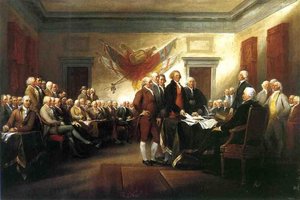
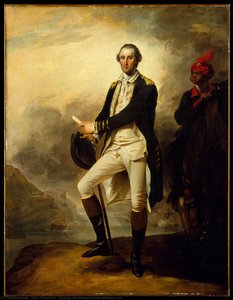
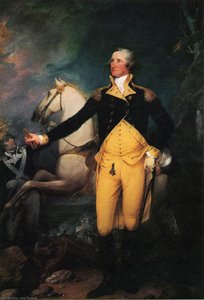
Trumbull’s most enduring legacy lies in his monumental historical paintings, particularly those that now grace the Capitol Rotunda. The Declaration of Independence, perhaps his most iconic work, is a carefully constructed tableau depicting the momentous occasion with remarkable fidelity. It's not merely a record of who was present but an attempt to capture the gravity and solemnity of the event. Famously, this painting found its way onto the reverse of the two-dollar bill, cementing its place in American iconography. Other significant works include The Surrender of Cornwallis at Yorktown, The Surrender of General Burgoyne, and George Washington before the Battle of Trenton. These paintings weren’t simply artistic endeavors; they were acts of national commemoration, designed to inspire patriotism and solidify a shared historical narrative. Trumbull meticulously researched each scene, consulting with veterans and studying contemporary accounts to ensure accuracy. His preparatory sketches, like the Study for Surrender of Cornwallis at Yorktown, reveal his painstaking planning process and dedication to detail. In an era devoid of photographic documentation, Trumbull’s paintings served as invaluable visual records, shaping public understanding of the Revolution and its key figures.A Lasting Legacy: Collections and Enduring Influence
John Trumbull's contributions extend beyond his celebrated canvases. He was a staunch advocate for the arts in America, serving as president of the American Academy of Fine Arts from 1816 to 1835, tirelessly working to foster a vibrant artistic community within the young nation. His paintings are now held in prestigious institutions across the country, including Yale University Art Gallery, the Smithsonian American Art Museum, and the Virginia Museum of Fine Arts, ensuring their accessibility for generations to come. The prominent display of his works within the United States Capitol serves as a lasting tribute to his dedication to both art and history.- His paintings continue to inspire artists and historians alike.
- They offer invaluable insights into the aesthetics and ideals of the early American republic.
- Trumbull’s commitment to historical accuracy set a precedent for future generations of American historical painters.
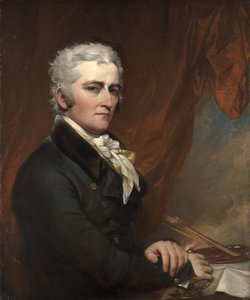
John Trumbull
1756 - 1843 , United Kingdom
Quick Facts
- Artistic Movement Or Style: Historical painting
- Artists Who Influenced This Artist: ['Benjamin West']
- Date Of Birth: June 6, 1756
- Date Of Death: 1843
- Full Name: John Trumbull
- Nationality: American
- Notable Artworks:
- Declaration of Independence
- Surrender of Cornwallis
- George Washington at Trenton
- Place Of Birth: Lebanon, USA
Related Articles

Grant Wood & American Regionalism: Identity, Myth & the Rural Landscape
Explore the world of Grant Wood & American Regionalism with ArtsDot. Discover the symbolism behind 'American Gothic', recurring themes, and the movement's lasting impact on art history. High-quality reproductions available.

The Enduring Legacy of Oil on Canvas: Technique, History & Aesthetic Impact
Explore the rich history & techniques of oil painting – from Renaissance masters to Impressionism. Discover pigments, layering methods, and why this timeless medium endures. Expert insights for artists & art enthusiasts.

American Realism's Defining Works: 10 Masterpieces for Your Home
Explore 10 defining American Realism masterpieces – Hopper, Homer & more. Discover the stories behind these iconic paintings and bring timeless art to your home with ArtsDot's museum-quality reproductions. Explore the full collection online.

Oil on Canvas: A Historical & Technical Exploration of a Timeless Artistic Medium
Explore the rich history & enduring techniques of oil painting on canvas. Discover the science behind its longevity, conservation practices, and contemporary relevance. Expert insights for art enthusiasts.

The Enduring Power of Painting: A Historical & Contemporary Exploration of Form and Emotion
Explore the rich history & enduring techniques of oil painting with ArtsDot. Discover masterpieces, learn about art collecting, and find authentic handmade reproductions crafted by skilled artists.