 Preview
 Send
Send Share
Share
 Details

 Download
 Similars
 X-Ray
X-Ray Diaporama
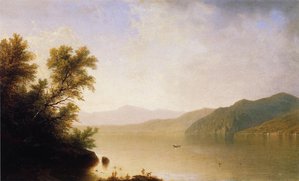
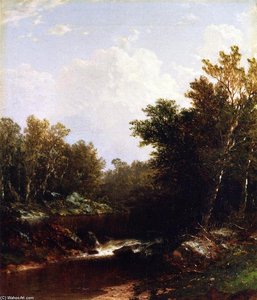
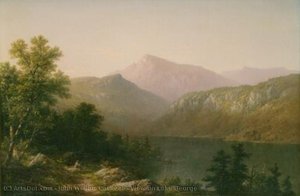
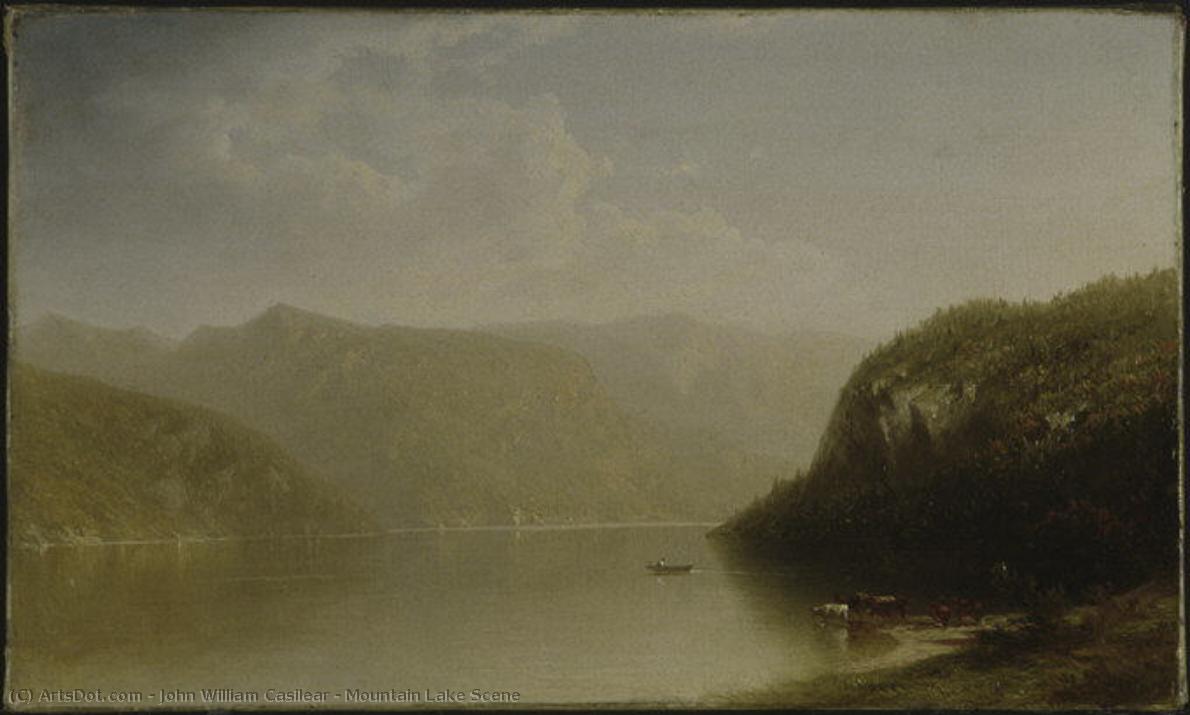
Mountain Lake Scene
 Oil On Canvas
- WallArt
- Hudson River School
 1883
1883- 19th Century
 31.0 x 51.0 cm
 Metropolitan Museum of Art
 Read More
Hand Made Oil Reproduction
Hand-painted oil on canvas in your size and frame, made to order by our artists. ( Buy Print Buy Image)




P118B $10

P118H $10

P118W $10

P438Z $10

P508JH $12

P508YH $12

P805H $10

P805Z $10

P919BZ $10

P919G $10

P919XJ $10

P959ZH $10

P968JZ $12

W106C $8

W218G $10

W218JH $8

W218Y $10

W307PJ $10

W316G $10

W316PJ $8

W316Y $10

W398PJ $8

W4111J $10

W500HY $15

W500JH $15

W692G $12

W849H $8

W940BG $15

W953PJ $8




Pick from our preset sizes that match the artwork's original proportions.

You may enter your own dimensions to fit a specific frame or space. If your selected size does not match the original image's proportions, we will either crop the artwork or extend the painting with additional hand-painted elements. A digital mockup will be sent for your approval before production begins.
Please note that the on-screen preview does not reflect the actual cropping or extension. Only the mockup will accurately show the final composition.
While custom sizes are available, we recommend selecting a dimension from the predefined list to preserve the original proportions.
After order, ArtsDot.com team will email client for instructions and provide a mockup preview
Worldwide Delivery () in 3/4 weeks instead of standard 5 weeks. (17 August). No compromise on quality.

Free Worldwide Express Shipping

High-Quality Linen Canvas

Full Shipping Insurance

Customs Tax Refund Guarantee

True Color Matching Guarantee

60-Day Return Policy (Defects Only)

100% Money-Back Guarantee

Bulk Discount Offer
 Glass option is only available in size under 110 CM

Mountain Lake Scene
Reproduction Medium
Reproduction Size
-


Total Price
$ 263
Artwork Description
A Vision of Tranquility: The Hudson River School Ideal
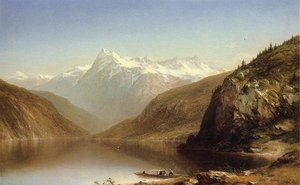
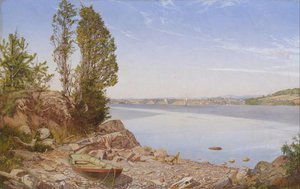
To gaze upon this depiction of a mountain lake scene is to step across the threshold into an era of profound American romanticism. It speaks directly to the soul's yearning for untouched grandeur, embodying the very spirit that fueled the celebrated Hudson River School. This painting does not merely record a vista; it elevates it, transforming natural geography into a sublime meditation on permanence and peace. The composition guides the eye with masterful grace, leading us from the immediate foreground across the glassy expanse of water toward the receding majesty of layered mountains. It is a scene steeped in quiet contemplation, where the vastness of nature dwarfs human concerns, offering instead a sense of belonging within something infinitely larger.
Mastery of Light and Atmosphere
The technical brilliance evident here lies in the handling of light and atmosphere. The artist has employed an exquisite understanding of atmospheric perspective; the distant peaks dissolve into soft, ethereal blues and grays, suggesting miles of humid air separating them from the viewer. This diffusion creates a palpable sense of depth, making the scene feel both immediate and impossibly far away. Notice how the color palette—a harmonious blend of muted greens, earthy browns, and cool blues—does not rely on harsh contrasts but rather on subtle tonal shifts. The technique suggests the careful layering characteristic of oil paint, allowing light to seem as if it is filtering through a gentle, overcast sky, bathing everything in an even, dreamlike glow.
Symbolism of Place and Passage
At the heart of this serene tableau rests a small boat, positioned almost centrally. This single element serves as a potent symbolic anchor. It represents humanity—our journey, our momentary presence—set against the backdrop of timeless geological forces. The lake itself becomes a metaphor for life's passage; calm on the surface yet capable of mirroring immense depth. For the collector or decorator, this piece offers more than mere decoration; it is an emotional conduit, inviting moments of pause and reflection within any room it graces. It whispers of journeys taken and peace found.
Historical Echoes and Enduring Appeal
Dating to 1883, this work stands as a beautiful testament to the artistic ambitions of its time, echoing the grand narratives painted by masters like Casilear himself. The Hudson River School was not just about painting pretty views; it was an assertion of American identity through its unparalleled natural splendor. Owning a reproduction of such a piece allows one to connect with that historical reverence for the sublime—that feeling of awe mixed with slight apprehension when confronted by overwhelming beauty. It is art designed to inspire, to make the viewer breathe deeper and look outward with renewed wonder.
Related Artworks
Artist Biography
John William Casilear: A Life in Landscape
Early Life and Training
- Born: New York City, 1811.
- Casilear’s artistic journey began with an apprenticeship under Peter Maverick, a prominent engraver in New York during the 1820s.
- He further honed his skills studying with Asher Durand, another accomplished engraver who would become a lifelong friend and mentor.
- During the 1830s, Casilear and Durand collaborated as engravers in New York City, establishing themselves within the artistic community.
Transition to Landscape Painting
- Durand’s growing interest in landscape painting, inspired by his friendship with Thomas Cole, sparked a similar passion in Casilear.
- In 1840, Casilear accompanied Durand, John Frederick Kensett, and Thomas Prichard Rossiter on a pivotal trip to Europe.
- This journey involved sketching scenes, visiting art museums, and immersing themselves in the European artistic tradition, profoundly influencing their development as landscape painters.
- Gradually, Casilear dedicated himself more fully to painting, embracing the style that would become known as the Hudson River School.
Artistic Development and Style
- Casilear’s work is characterized by detailed depictions of American scenes, often featuring serene landscapes and luminous light effects.
- He meticulously rendered natural details, capturing the beauty and grandeur of the American wilderness.
- By the mid-1850s, Casilear had completely transitioned to painting full-time, abandoning his engraving career.
- His style evolved within the Hudson River School tradition, emphasizing realism, atmospheric perspective, and a romanticized view of nature.
Major Achievements and Recognition
- In 1851, Casilear was elected as a full member of the National Academy of Design, having been an associate member since 1833.
- He exhibited his works at the National Academy for over fifty years, gaining recognition and establishing himself as a respected artist.
- His paintings were celebrated for their technical skill, aesthetic appeal, and evocative portrayal of the American landscape.
Historical Significance and Legacy
- Casilear played an important role in shaping the Hudson River School style and promoting a uniquely American artistic identity.
- His landscapes contributed to a growing appreciation for the natural beauty of the United States during the 19th century.
- Today, examples of his art are held in prestigious collections such as the Metropolitan Museum of Art (New York), the National Gallery of Art (Washington D.C.), Ringwood Manor (Ringwood, NJ) and the Woodmere Art Museum (Philadelphia, PA).
- Death: Casilear passed away in Saratoga Springs, New York, in 1893, leaving behind a legacy of captivating landscape paintings.
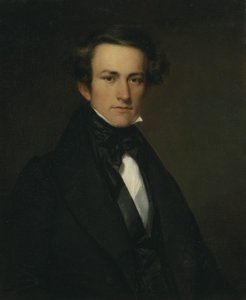
John William Casilear
1811 - 1883 , United States of America
Quick Facts
- Birth Date: 1811
- Birth Place: New York City, United States of America
- Death Date: 1893
- Influenced By:
- Asher Durand
- Thomas Cole
- Movement: Hudson River School
- Name: John William Casilear
- Nationality: American
- Notable Works:
- Lake George
- River Landscape with Sheep
- Mountain Lake Scene
- Mountain Lake
- River Sunset - View of the Catskills
- View on Lake George
- Moonrise on the Coast
- Shore Scene
Related Articles

John Constable's Masterpieces: Explore 25 Iconic Landscapes for Your Home
Journey through John Constable's 25 most celebrated landscapes. Explore Romanticism, Dedham Vale & his masterful use of light in iconic paintings like 'Hay Wain'. Find museum-quality art reproductions and elevate your home decor on ArtsDot.com.
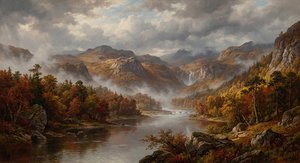
Hudson River School: 10 Masterpieces That Capture America's Wild Beauty | ArtsDot
Journey through America's breathtaking landscapes with our guide to the Top 10 Hudson River School masterpieces. Explore Thomas Cole, Frederic Church & more! Find museum-quality art reproductions and elevate your home decor at ArtsDot.com.
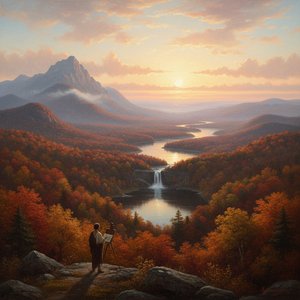
The Sublime Landscape: Exploring the Hudson River School Movement
Explore the captivating world of the Hudson River School! Discover the history, artists, and defining characteristics of this iconic American art movement. Learn about Romanticism's influence & find inspiration for your collection.

Beyond the Horizon: 10 Landscape Masterpieces for Your Home Decor
Journey through 10 breathtaking landscape paintings by Monet, Van Gogh & more! Explore iconic artworks, artistic techniques & find inspiration for your home decor. Museum-quality reproductions at ArtsDot.com. Discover all masterpieces on ArtsDot.com
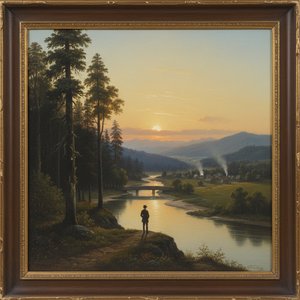
Robert Spencer: Luminism, Narrative & the American Landscape Tradition
Explore the captivating world of Luminism & the Hudson River School with our expert analysis. Discover the history, artists, and enduring beauty of 19th-century American landscape painting. Find museum-quality reproductions at ArtsDot.