 Preview
 Send
Send Share
Share
 Details

 Download
 Similars
 X-Ray
X-Ray Diaporama
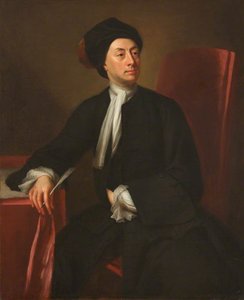
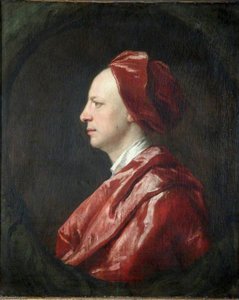
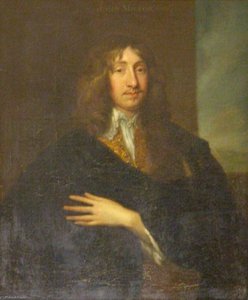
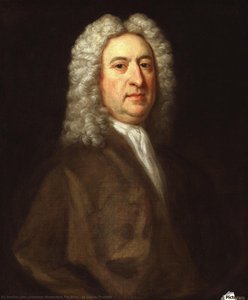
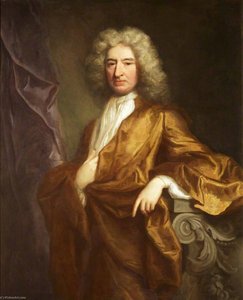
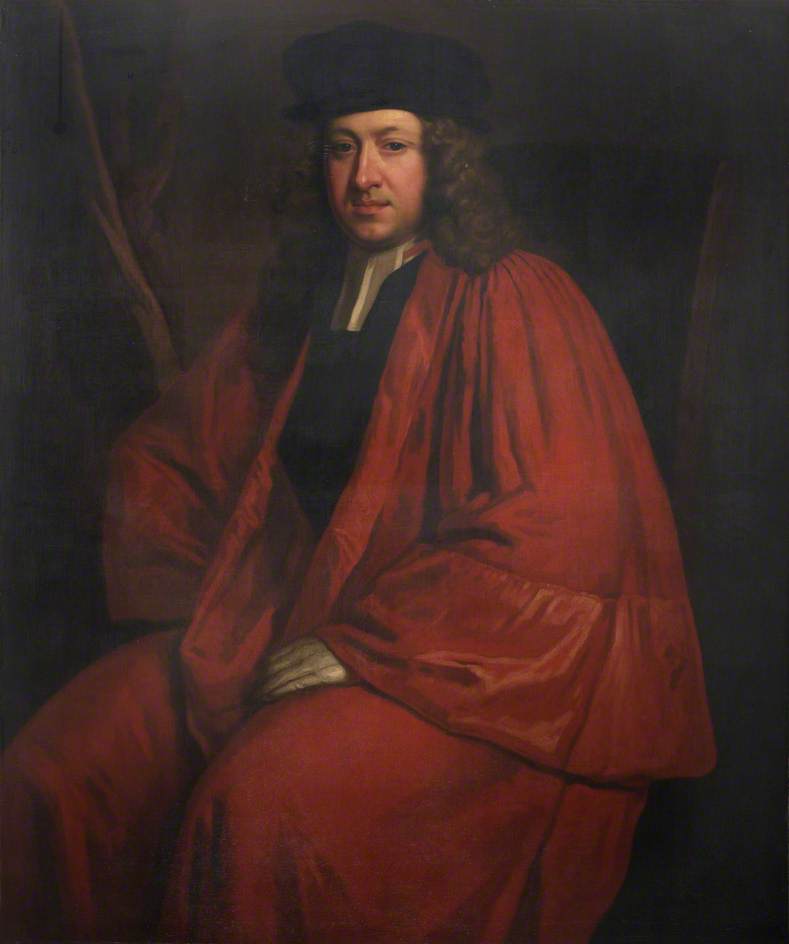
Richard Hale (1670–1728)
 Oil On Canvas
- WallArt
- Baroque
 Early Modern
 127.0 x 102.0 cm
 Bodleian Libraries
 Read More
Hand Made Oil Reproduction
Hand-painted oil on canvas in your size and frame, made to order by our artists. ( Buy Print Buy Image)




P118B $10

P118H $10

P118W $10

P438Z $10

P508JH $12

P508YH $12

P805H $10

P805Z $10

P919BZ $10

P919G $10

P919XJ $10

P959ZH $10

P968JZ $12

W106C $8

W218G $10

W218JH $8

W218Y $10

W307PJ $10

W316G $10

W316PJ $8

W316Y $10

W398PJ $8

W4111J $10

W500HY $15

W500JH $15

W692G $12

W849H $8

W940BG $15

W953PJ $8




Pick from our preset sizes that match the artwork's original proportions.

You may enter your own dimensions to fit a specific frame or space. If your selected size does not match the original image's proportions, we will either crop the artwork or extend the painting with additional hand-painted elements. A digital mockup will be sent for your approval before production begins.
Please note that the on-screen preview does not reflect the actual cropping or extension. Only the mockup will accurately show the final composition.
While custom sizes are available, we recommend selecting a dimension from the predefined list to preserve the original proportions.
After order, ArtsDot.com team will email client for instructions and provide a mockup preview
Worldwide Delivery () in 3/4 weeks instead of standard 5 weeks. (19 August). No compromise on quality.

Free Worldwide Express Shipping

High-Quality Linen Canvas

Full Shipping Insurance

Customs Tax Refund Guarantee

True Color Matching Guarantee

60-Day Return Policy (Defects Only)

100% Money-Back Guarantee

Bulk Discount Offer
 Glass option is only available in size under 110 CM

Richard Hale (1670–1728)
Reproduction Medium
Reproduction Size
-


Total Price
$ 263
Artwork Description
Richard Hale (1670–1728): A Portrait of Dignified Reflection
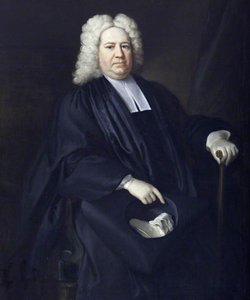
Jonathan Richardson the Elder’s depiction of Richard Hale stands as a testament to the burgeoning aesthetic sensibilities of 18th century England—a masterful blend of observation, intellect, and understated elegance that cemented Richardson's reputation as one of the era’s foremost portraitists. Executed around 1720-25, this oil on canvas painting transcends mere likeness; it embodies a profound engagement with humanist ideals championed by thinkers like Descartes and Locke, reflecting Hale’s status as a respected physician and scholar within London’s intellectual circles.- Subject Matter: The portrait captures Hale seated in a richly appointed study—a deliberate choice signaling his erudition and social standing. His gaze directs outwards, suggesting contemplation and conveying an aura of quiet confidence.
- Style & Technique: Richardson’s approach aligns closely with the prevailing Baroque tradition yet distinguishes itself through meticulous tonal gradations achieved using sfumato—a technique pioneered by Leonardo da Vinci—that softens contours and imbues the figure with a luminous quality. The artist skillfully employs chiaroscuro, manipulating light and shadow to sculpt Hale's form and heighten dramatic effect.
- Historical Context: Painted during the Enlightenment, this artwork embodies the humanist spirit of the time, prioritizing reason and empirical observation alongside artistic beauty. It reflects the growing interest in anatomical accuracy and psychological realism—characteristics that would define Reynolds’s later style and propel British art towards a new era of expressive innovation.
- Symbolism: The inclusion of books within Hale's study serves as a potent symbol of his intellectual pursuits—representing knowledge, erudition, and the pursuit of virtue. The drapery is rendered with careful attention to detail, mirroring classical ideals of proportion and harmony—a stylistic element indicative of Richardson’s engagement with Renaissance art theory.
- Emotional Impact: Despite its restraint, the portrait exudes a sense of dignified composure—capturing Hale's inner character through subtle gestures and facial expressions. The painting invites viewers to contemplate themes of intellectuality, contemplation, and moral integrity—resonating powerfully within the broader context of Enlightenment thought.
Provenance & Significance
This remarkable artwork originates from the Royal College of Physicians in London, underscoring its importance as a visual record of scientific scholarship during the early 18th century. Its acquisition by the institution speaks to the esteem accorded to Hale’s contributions to medicine and intellectual discourse—affirming Richardson's role as a pivotal figure in shaping British artistic and cultural identity. The painting exemplifies Richardson’s commitment to portraying subjects with psychological depth, furthering the development of portraiture as a genre devoted to capturing not merely physical appearance but also inner character.Reproductions & Artistic Inspiration
ArtsDot offers high-quality reproductions of Richard Hale (1670–1728) by Jonathan Richardson the Elder—allowing art enthusiasts worldwide to experience the beauty and intellectual richness of this iconic masterpiece. Explore variations in size and framing options to complement your interior décor—bringing a timeless vision of dignified reflection into your home or workspace.Further Exploration
For more information on Jonathan Richardson the Elder’s life, work, and influence, consult Art UK (Related Artworks
Artist Biography
A Legacy of Light and Logic: The Life of Jonathan Richardson the Elder
In the grand tapestry of eighteenth-century British art, few threads are as intellectually profound or visually enduring as those woven by Jonathan Richardson the Elder. Born in London’s St. Botolph parish on January 12th, 1667, Richardson’s journey was one shaped by both personal hardship and an extraordinary intellectual curiosity. Following the untimely loss of his father, William Richardson, the young artist found himself under the guidance of a stepfather, yet it was through a formal apprenticeship as a scrivener that he first began to hone the precision that would later define his brushwork. His true metamorphosis occurred when he entered the orbit of John Riley, a respected contemporary whose studio served as a crucible for Richardson’s developing talent. This period of training did more than teach him the mechanics of paint; it immersed him in a world where portraiture was not merely a record of likeness, but a profound exploration of character and social standing.
As his career flourished, Richardson emerged as a painter of remarkable distinction, carving out a niche that balanced the formal requirements of aristocratic patronage with a deeply personal, psychological depth. His work often eschewed the flamboyant, theatrical flourishes common in some Baroque circles, opting instead for an understated elegance and a mastery of subtle tonal gradations. Influenced by the dramatic chiaroscuro of Rembrandt and the meticulous observation found in the works of later masters like Wright of Derby, Richardson possessed a unique ability to capture the quiet dignity of his subjects. Whether rendering the intellectual gravity of Richard Hale or the serene, scholarly atmosphere surrounding Matthew Prior, his canvases served as windows into the Enlightenment spirit, prioritizing accuracy and an evocative sense of presence over mere ornamentation.
The Architect of English Art Theory
While his portraits remain cherished for their aesthetic grace, Richardson’s most enduring contribution to the art world lies in his role as a pioneer of art theory. He was far more than a practitioner of the craft; he was its most articulate philosopher. Through his seminal work, An Essay on Painting, published in 1715, Richardson provided a foundational framework for English art that sought to elevate the status of painters from mere craftsmen to respected intellectuals. This treatise did not merely discuss technique; it explored the very nature of beauty, the importance of invention, and the moral weight of the artist's vision. His writings acted as a bridge between the traditions of the Old Masters and the burgeoning national identity of British art, creating a discourse that would resonate for generations.
The historical significance of Richardson’s intellectual labor cannot be overstated, as he is widely credited with sparking the artistic journey of Sir Joshua Reynolds. By establishing a theoretical vocabulary for portraiture—one that emphasized the "grand style" and the importance of character—Richardson laid the groundwork for the Royal Academy and the formalization of art education in England. His influence can be traced through several key pillars of his legacy:
- The Development of Portraiture: He moved the genre away from static documentation toward a more nuanced, psychological exploration of the sitter.
- Artistic Philosophy: His writings provided the first cohesive English-language defense of painting as a high intellectual pursuit.
- Mentorship and Influence: Through his connections with artists like Thomas Hudson and his theoretical impact on Reynolds, he shaped the trajectory of the British school.
- The Enlightenment Connection: His ability to capture the "intellectual dignity" of figures such as George Oxenden helped visually document the era's shift toward reason and classical values.
Ultimately, Jonathan Richardson the Elder remains a monumental figure whose impact is felt both in the silent power of his portraits and the enduring resonance of his words. He was an artist who understood that to paint a face was to attempt to capture a soul, and to write about art was to define the very way a nation sees itself. His life stands as a testament to the power of combining technical mastery with profound philosophical inquiry, ensuring his place in the pantheon of the Great Masters.
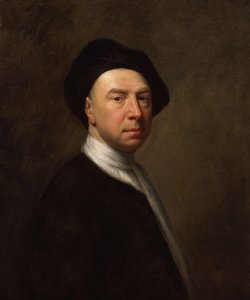
Jonathan Richardson the Elder
1667 - 1745
Quick Facts
- Artistic Movement Or Style: Portraiture
- Artists Or Movements Influenced By This Artist: ['Joshua Reynolds']
- Artists Who Influenced This Artist: ['John Riley']
- Date Of Birth: 1667
- Date Of Death: 1745
- Full Name: Jonathan Richardson the Elder
- Nationality: English
- Notable Artworks:
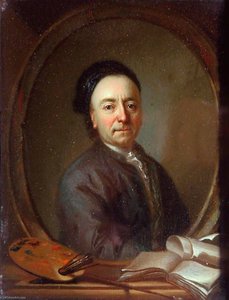
- Portrait of the Artist's Son, Jonathan Richardson the Younger, in his Study
- Portrait of the Artist's Son, Jonathan
- Place Of Birth: London, England
Related Articles

Dark Masterpieces: 10 Iconic Paintings Dominated by Black Tones |
Explore 10 iconic paintings dominated by black tones, from Rembrandt’s chiaroscuro to Goya's dark expressions. Discover the stories behind these masterpieces & find museum-quality art reproductions for your home at .

Baroque Masterpieces: 10 Paintings That Defined an Era |
Journey through the drama & grandeur of Baroque art! Explore 10 masterpieces by Caravaggio, Rembrandt, Rubens & more. Discover stunning oil paintings, rich colors & timeless stories. Find museum-quality reproductions at .

Crimson Threads of Narrative: Exploring Symbolism & Representation in Artworks Featuring the Red Dress
Explore the rich symbolism of the red dress in art history! From ancient power displays to iconic portraits like Cézanne’s 'Madame Cezanne', discover the cultural and artistic significance behind this captivating color. Expert analysis & insights.
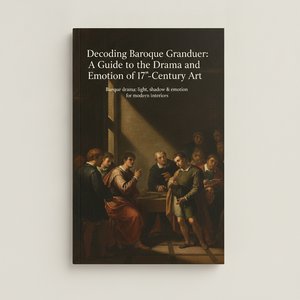
Decoding Baroque Grandeur: A Guide to the Drama and Emotion of 17th-Century Art
Explore the breathtaking drama of 17th-century Baroque art. Our expert guide decodes the use of chiaroscuro, emotional intensity, and historical grandeur to help you appreciate and curate timeless masterpieces for your collection.

The Dramatic Flourish: Exploring the Baroque Movement's Enduring Legacy in Art History
Explore the dramatic world of Baroque art! Discover iconic artists like Caravaggio & Rubens, defining techniques, and its lasting impact on art history. Expert insights for collectors & enthusiasts at ArtsDot.