

 Preview
 Send
Send Share
Share
 Details

 Download
 Similars
 X-Ray
X-Ray Diaporama
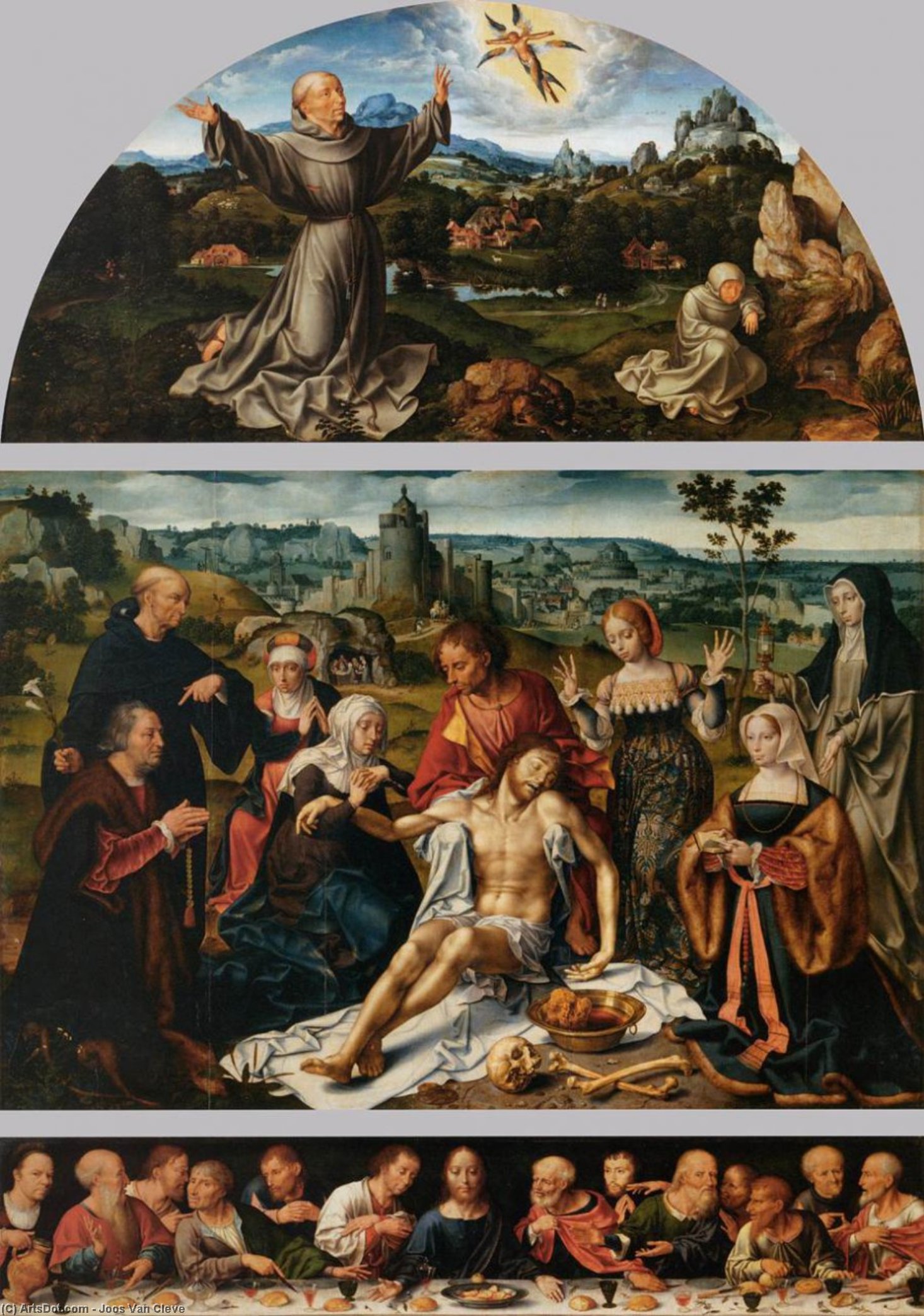
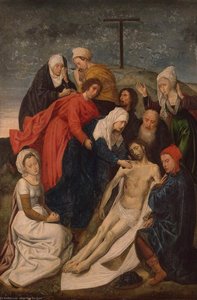
Altarpiece of the Lamentation


 Read More
Purchase a high-resolution, enhanced digital image, far superior to the online preview.
Each file is meticulously prepared by our in-house specialists using advanced tools and expert manual retouching. We ensure every image has exceptional clarity, precise color accuracy, and fine detail.
The final file is delivered via email within 72 hours, optimized for immediate use in professional, editorial, and print environments. This is the same quality trusted by top-tier design studios, publishers, and galleries.
Digital Image
Download a high-resolution file for personal display, printing, and creative projects. ( Buy Print Buy Hand Made Painting)
Included in Every Digital Image Order
Expert Digital Delivery, Guaranteed
When you choose ArtsDot.com, you're not just getting an image - you're receiving a professionally enhanced digital artwork, crafted with precision and backed by a satisfaction guarantee. Here's everything that comes with your order, automatically:

Fast Email Delivery
Your high-resolution digital image file will be emailed to you within 72 hours of ordering - ready for immediate use.

AI-Enhanced Digital File
Your artwork is professionally optimized using advanced AI tools and manual editing, ensuring maximum detail, clarity, and color accuracy.

Free Lifetime Re-Delivery
Accidentally deleted or lost your file? No worries - we'll resend it to you anytime, free of charge.

No Import Fees - Ever
Enjoy your artwork instantly with zero customs, duties, or delivery fees - digital downloads are always tax-free.

Color Accuracy Guarantee
We ensure your digital image reflects the original colors as closely as possible using professional tools and color management.

60-Day Satisfaction Guarantee
If you're not satisfied with your digital image, we'll revise it or refund 100% within 60 days - no questions asked.

100% Money-Back Guarantee
Not satisfied? Get a full refund within 60 days of receiving your digital file - no questions asked.

Bulk Order Discounts
Buy 3 images, save 10% - Buy 5, save 15% - Buy 10+, save 20%. Great for creative projects, galleries, and agencies.
Collectible Description
The Lamentation: A Northern Renaissance Masterpiece
Joos van Cleve’s “Altarpiece of the Lamentation,” painted around 1520, is more than just a depiction of grief; it's a profound meditation on loss, faith, and the human condition. Originating in Krefeld, Germany, and flourishing within the vibrant artistic community of Antwerp, this panel offers a rare glimpse into the sophisticated techniques and evolving sensibilities of Northern Renaissance art. The painting’s power lies not just in its technical mastery but also in its ability to evoke a deeply felt emotional response – a sense of sorrow mingled with spiritual contemplation.
The composition is strikingly divided into three distinct zones: an upper arch, a central panel, and a lower frieze. Within the arch, an angelic figure, rendered with dynamic movement and upward gaze, dominates the scene. This isn’t a passive observer but rather a participant in the profound grief unfolding below – perhaps even witnessing or mediating on the event itself. The central panel focuses on the immediate aftermath of Christ's crucifixion, populated by figures draped in rich, symbolic clothing that speaks to their social standing and spiritual roles. The careful attention to detail—the folds of fabric, the textures of garments, the subtle expressions on faces – is characteristic of van Cleve’s meticulous approach, a hallmark of his workshop.
Beneath this central drama lies the lower frieze, depicting contemporary figures engaged in preparations for a religious ceremony. This element subtly anchors the scene within its historical context, reminding us that grief and devotion are not isolated events but integral parts of daily life. The inclusion of these figures, dressed in attire typical of the 16th century, provides a fascinating contrast to the more stylized representations above, grounding the narrative in a tangible reality.
A Symphony of Color and Technique
Van Cleve’s skill as a painter is immediately apparent in his masterful use of color. Deep blues, rich reds, and earthy browns dominate the palette, creating a sense of solemnity and gravitas. The artist employs a technique known as “oil on wood,” utilizing thin layers of oil paint to achieve remarkable detail and luminosity. Infrared reflectography has revealed an earlier underdrawing beneath the visible paint layer, suggesting that van Cleve meticulously planned his composition and employed a layering process—a common practice in Northern Renaissance painting—to build up depth and complexity.
The drapery is particularly noteworthy, rendered with astonishing realism. Each fold and pleat appears to ripple with movement, conveying both the weight of grief and the dignity of the figures involved. Van Cleve’s ability to capture the nuances of texture – from the rough wool of a beggar's cloak to the shimmering silk of a noblewoman’s gown – is a testament to his keen observational skills and technical prowess.
Symbolism and Spiritual Depth
Beyond its aesthetic qualities, “The Lamentation” is rich in symbolic meaning. The skull resting on a cloth in the lower frieze serves as a stark reminder of mortality—a visual representation of the transience of life and the inevitability of death. The angel’s posture suggests a complex interplay between divine intervention and human suffering; it's not simply an observer but potentially a participant in the sorrow, perhaps even a conduit for God’s compassion.
The figures themselves are imbued with symbolic significance. The Virgin Mary, depicted in prayerful contemplation, embodies maternal grief and unwavering faith. Saint John, rendered with a youthful intensity, represents hope and witness—a reminder that even in the darkest of times, there is always someone to bear testimony to Christ’s sacrifice.
A Window into a Renaissance Workshop
“The Altarpiece of the Lamentation” offers more than just a beautiful image; it provides valuable insight into the workings of a 16th-century art workshop. The presence of an earlier underdrawing, revealed through infrared reflectography, suggests that van Cleve’s work was often based on pre-existing designs—a practice common among artists of the period. The inclusion of multiple figures and details indicates the collaborative nature of the workshop, with different assistants specializing in various aspects of the painting process.
This panel stands as a powerful testament to Joos van Cleve’s artistic vision and technical skill, offering a poignant reflection on human suffering and spiritual devotion. It is a captivating work that continues to resonate with viewers centuries after its creation, inviting contemplation and inspiring awe at the beauty and complexity of Northern Renaissance art.
Related Artworks
Artist Biography
The Master of Antwerp: The Life and Legacy of Joos van Cleve
In the bustling, mercantile heart of sixteenth-century Antwerp, a new era of visual storytelling was unfolding, driven by the brush of Joos van Cleve. Born around 1485 in Krefeld, Germany, this Flemish Renaissance master emerged not merely as a painter of great skill, but as a visionary bridge between two worlds. His career, which flourished from approximately 1511 until his death in 1540, represents a profound moment in art history where the meticulous, detailed traditions of the Netherlandish masters met the sweeping, atmospheric innovations flowing from the Italian Renaissance. To look upon a work by van Cleve is to witness a delicate dance between the tactile reality of Northern Europe and the idealized grace of the South.
The foundations of his genius were laid during his formative years under the tutelage of Jan Joest. This rigorous apprenticeship provided him with more than just technical proficiency; it immersed him in the monumental traditions of late Gothic art. One of his most significant early experiences involved assisting Joest on the high altar of the Kalkar Nikolaikirche, a project that demanded an understanding of grand scale and spiritual gravity. Through this work, van Clecept mastered the complex alchemy of pigment preparation and the painstaking layering of glazes—techniques that would later allow him to imbue his portraits with a lifelike luminosity and his religious scenes with a palpable sense of divinity.
A Synthesis of Northern Detail and Italian Grace
What truly distinguishes Joos van Cleve from his contemporaries was his restless, experimental spirit. While many artists of the period remained tethered to the rigid stylistic dogmas of their local guilds, van Cleve looked toward the horizon. He became a pioneer of Flemish Mannerism, a style characterized by an exceptional sensitivity to color and a remarkable unity of figures within a composition. Perhaps his most enduring contribution to the Northern Renaissance was his revolutionary use of landscape. Rather than utilizing static or symbolic backdrops, he introduced expansive, atmospheric vistas that breathed life into his subjects, creating a sense of depth and continuity between the human figure and the natural world.
This stylistic evolution was deeply influenced by the burgeoning trends in Italy. By integrating elements of Italianate perspective and a more fluid, rhythmic approach to anatomy, he transformed the traditional Flemish portrait into something far more psychologically complex. His subjects were no longer mere icons of status; they possessed an inner life, an emotional resonance that invited the viewer into a silent dialogue. This ability to convey profound human emotion through subtle facial expressions and delicate hand gestures remains one of his most celebrated achievements.
Historical Significance and Artistic Triumph
The legacy of Joos van Cleve is etched into the very fabric of Antwerp’s golden age. As a central figure in the city's artistic community, his workshop became a beacon of innovation, influencing generations of painters who followed. His ability to blend the following elements ensured his lasting impact on the history of European art:
- Technical Mastery: The seamless application of Netherlandish glazing techniques to achieve unparalleled texture and light.
- Compositional Innovation: The integration of vast, panoramic landscapes that expanded the narrative scope of religious and secular painting.
- Psychological Depth: A shift from purely symbolic representation toward a more humanistic, emotive portrayal of his subjects.
- Cultural Synthesis: The successful marriage of Northern European precision with the grace and movement of the Italian Renaissance.
Though his life ended in 1540, the echoes of his artistry continue to resonate. Joos van Cleve did not simply follow the trends of his time; he helped define them, leaving behind a body of work that serves as a testament to the transformative power of artistic synthesis. His paintings remain enduring windows into a period of immense cultural transition, capturing the moment when the medieval world began to dissolve into the light of the modern era.
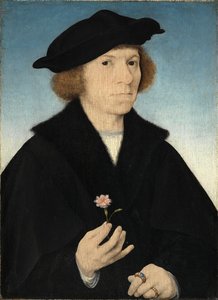
Joos van Cleve
1485 - 1540 , Germany
Quick Facts
- Artistic Movement Or Style: Renaissance Mannerism
- Artists Or Movements Influenced By This Artist: Italian Renaissance
- Artists Who Influenced This Artist: Jan Joest
- Date Of Birth: c. 1485
- Date Of Death: 1540
- Full Name: Joos van Cleve
- Nationality: Flemish
- Notable Artworks:
- The Adoration of the Magi - Left Wing
- The Holy Family
- Portrait of Henry VIII
- Place Of Birth: Krefeld, Germany

