 Preview
 Send
Send Share
Share
 Details

 Download
 Similars
 X-Ray
X-Ray Diaporama
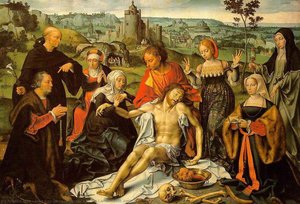
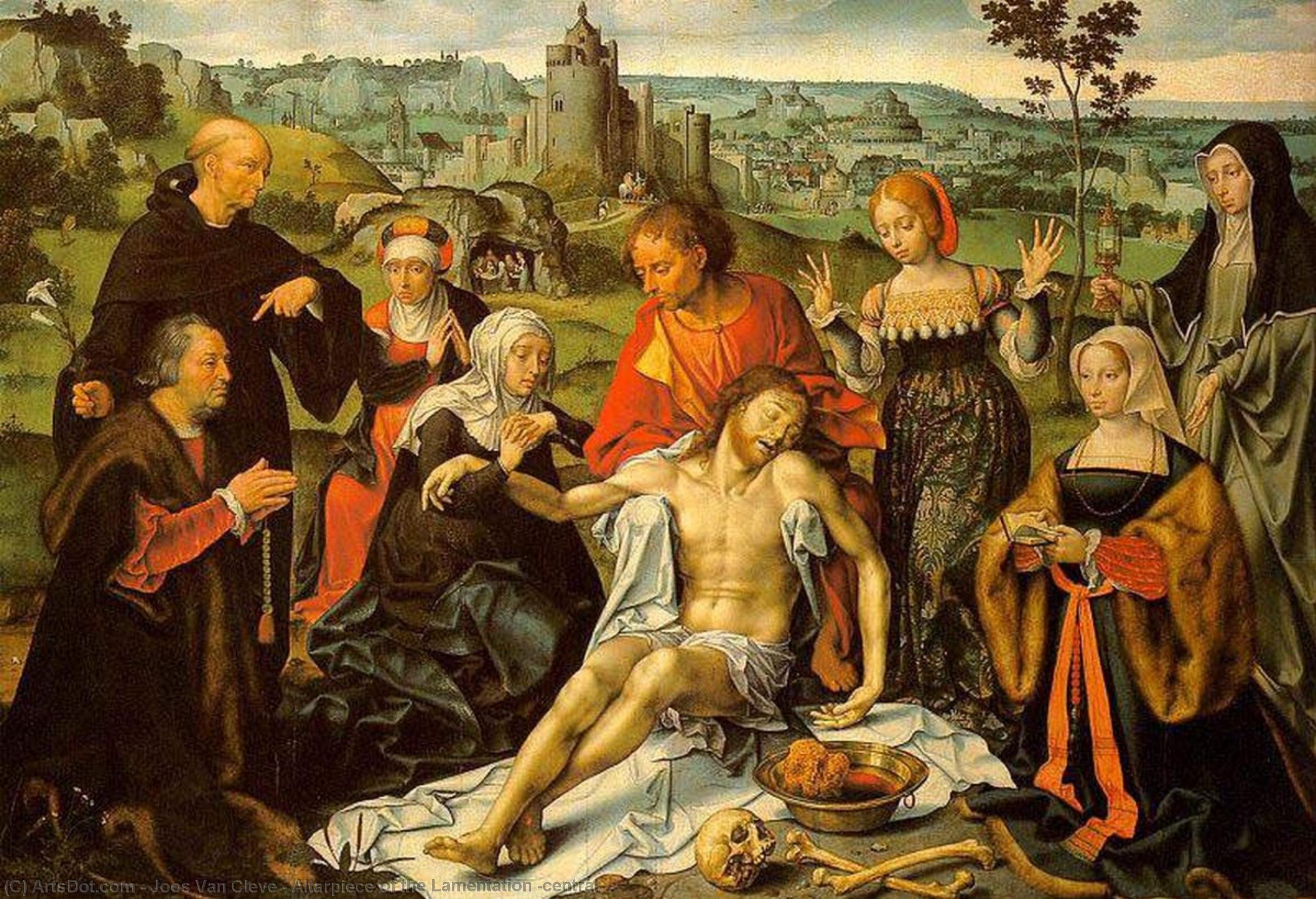
Altarpiece of the Lamentation (central)
 Oil On Canvas
- WallArt
- Northern Renaissance
 1520
1520 145.0 x 206.0 cm
 The Louvre
 Read More
Hand Made Oil Reproduction
Hand-painted oil on canvas in your size and frame, made to order by our artists. ( Buy Print Buy Image)




P118B $10

P118H $10

P118W $10

P438Z $10

P508JH $12

P508YH $12

P805H $10

P805Z $10

P919BZ $10

P919G $10

P919XJ $10

P959ZH $10

P968JZ $12

W106C $8

W218G $10

W218JH $8

W218Y $10

W307PJ $10

W316G $10

W316PJ $8

W316Y $10

W398PJ $8

W4111J $10

W500HY $15

W500JH $15

W692G $12

W849H $8

W940BG $15

W953PJ $8




Pick from our preset sizes that match the artwork's original proportions.

You may enter your own dimensions to fit a specific frame or space. If your selected size does not match the original image's proportions, we will either crop the artwork or extend the painting with additional hand-painted elements. A digital mockup will be sent for your approval before production begins.
Please note that the on-screen preview does not reflect the actual cropping or extension. Only the mockup will accurately show the final composition.
While custom sizes are available, we recommend selecting a dimension from the predefined list to preserve the original proportions.
After order, ArtsDot.com team will email client for instructions and provide a mockup preview
Worldwide Delivery () in 3/4 weeks instead of standard 5 weeks. (27 August). No compromise on quality.

Free Worldwide Express Shipping

High-Quality Linen Canvas

Full Shipping Insurance

Customs Tax Refund Guarantee

True Color Matching Guarantee

60-Day Return Policy (Defects Only)

100% Money-Back Guarantee

Bulk Discount Offer
 Glass option is only available in size under 110 CM

Altarpiece of the Lamentation (central)
Reproduction Medium
Reproduction Size
-


Total Price
$ 263
Artwork Description
The Lamentation’s Silent Echoes: Joos van Cleve's Masterpiece
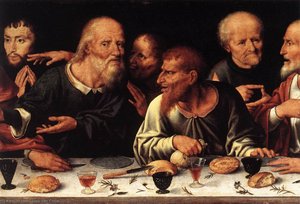
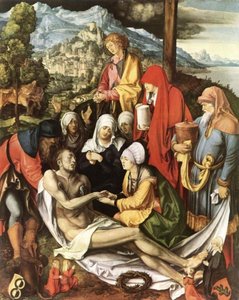
Within the hushed galleries of the Louvre resides a poignant testament to human sorrow and divine grief – Joos van Cleve’s “Altarpiece of the Lamentation (central).” Completed around 1520, this remarkable panel painting transcends mere religious depiction; it becomes a profound meditation on loss, faith, and the enduring power of compassion. Van Cleve, a pivotal figure bridging the Gothic and Renaissance traditions in Antwerp, masterfully blended established techniques with burgeoning Italian influences, creating an artwork that resonates with both familiarity and startling emotional depth.
The scene unfolds with arresting clarity: Christ, recently deceased, is laid upon a simple wooden bier, his body draped in the stark white of death. The composition immediately draws the eye to the central figure – a man lying prone, his arms outstretched in a gesture both vulnerable and accepting. Surrounding him are a constellation of mourners, each rendered with meticulous detail and imbued with distinct emotional responses. Women, identifiable by their flowing garments and expressions of profound grief, cluster around the body, while men stand further back, exhibiting a restrained sorrow that speaks volumes. The figures aren’t idealized; they possess a tangible humanity – wrinkles etched on faces, hands clasped in anguish, eyes brimming with tears. This realism, characteristic of Van Cleve's approach, elevates the scene beyond a purely theological exercise and grounds it firmly within the realm of human experience.
A Symphony of Color and Light
Van Cleve’s technical skill is immediately apparent in his masterful manipulation of color and light. The palette is restrained yet remarkably effective, dominated by somber blues, deep reds, and earthy browns – colors that instinctively evoke a sense of mourning and solemnity. He employs *sfumato*, a technique borrowed from Leonardo da Vinci, to soften the edges of forms and create an atmospheric haze, lending the scene a dreamlike quality. Light falls gently across the figures, illuminating their faces and highlighting the textures of their clothing, while shadows deepen the sense of loss and despair. The use of gold leaf accents – particularly in the folds of Mary’s robe – adds a subtle shimmer, suggesting both the divinity of Christ and the preciousness of his sacrifice.
- Oil on Wood: Van Cleve's choice of medium contributes to the painting's rich texture and luminous quality.
- Sfumato Technique: Creates a hazy, atmospheric effect that enhances the emotional impact of the scene.
- Restrained Palette: The muted colors reinforce the theme of sorrow and loss.
Historical Context and Artistic Innovation
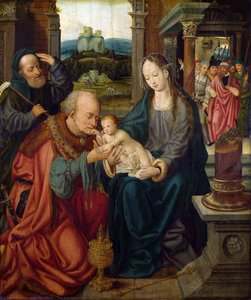
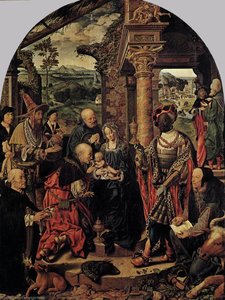
Created during a period of significant artistic transition – the High Renaissance was gaining momentum in Italy, while Northern European artists continued to develop their own distinct styles – “The Lamentation” represents a fascinating synthesis of influences. Van Cleve’s work reflects both the established conventions of Netherlandish painting and the emerging trends of Italian art. Notably, he incorporates elements of landscape into the background, a technique that would become increasingly prevalent in later Northern Renaissance paintings, demonstrating his willingness to experiment and push artistic boundaries. The altarpiece itself was part of a larger composition, likely featuring an “Adoration of the Kings” panel alongside this central Lamentation, creating a complete narrative cycle centered on the life of Christ.
Symbolism and Emotional Resonance
Beyond its technical brilliance, “The Lamentation” is rich in symbolic meaning. The act of lamenting itself represents humanity’s recognition of its own mortality and dependence on divine grace. Mary Magdalene's presence underscores her role as the repentant sinner redeemed by Christ’s sacrifice. The overall composition evokes a profound sense of empathy, inviting viewers to contemplate their own experiences of loss and grief. The painting isn’t simply depicting a historical event; it’s tapping into universal emotions – sorrow, compassion, and faith—making it a timeless masterpiece that continues to move audiences centuries after its creation.
A Legacy in Reproduction
Today, reproductions of “The Altarpiece of the Lamentation (central)” are treasured for their ability to evoke the same powerful emotions as the original. Whether adorning a private study or gracing the walls of a museum, this painting serves as a poignant reminder of humanity’s shared experience of sorrow and the enduring hope offered by faith.
Related Artworks

Artist Biography
The Master of Antwerp: The Life and Legacy of Joos van Cleve
In the bustling, mercantile heart of sixteenth-century Antwerp, a new era of visual storytelling was unfolding, driven by the brush of Joos van Cleve. Born around 1485 in Krefeld, Germany, this Flemish Renaissance master emerged not merely as a painter of great skill, but as a visionary bridge between two worlds. His career, which flourished from approximately 1511 until his death in 1540, represents a profound moment in art history where the meticulous, detailed traditions of the Netherlandish masters met the sweeping, atmospheric innovations flowing from the Italian Renaissance. To look upon a work by van Cleve is to witness a delicate dance between the tactile reality of Northern Europe and the idealized grace of the South.
The foundations of his genius were laid during his formative years under the tutelage of Jan Joest. This rigorous apprenticeship provided him with more than just technical proficiency; it immersed him in the monumental traditions of late Gothic art. One of his most significant early experiences involved assisting Joest on the high altar of the Kalkar Nikolaikirche, a project that demanded an understanding of grand scale and spiritual gravity. Through this work, van Clecept mastered the complex alchemy of pigment preparation and the painstaking layering of glazes—techniques that would later allow him to imbue his portraits with a lifelike luminosity and his religious scenes with a palpable sense of divinity.
A Synthesis of Northern Detail and Italian Grace
What truly distinguishes Joos van Cleve from his contemporaries was his restless, experimental spirit. While many artists of the period remained tethered to the rigid stylistic dogmas of their local guilds, van Cleve looked toward the horizon. He became a pioneer of Flemish Mannerism, a style characterized by an exceptional sensitivity to color and a remarkable unity of figures within a composition. Perhaps his most enduring contribution to the Northern Renaissance was his revolutionary use of landscape. Rather than utilizing static or symbolic backdrops, he introduced expansive, atmospheric vistas that breathed life into his subjects, creating a sense of depth and continuity between the human figure and the natural world.
This stylistic evolution was deeply influenced by the burgeoning trends in Italy. By integrating elements of Italianate perspective and a more fluid, rhythmic approach to anatomy, he transformed the traditional Flemish portrait into something far more psychologically complex. His subjects were no longer mere icons of status; they possessed an inner life, an emotional resonance that invited the viewer into a silent dialogue. This ability to convey profound human emotion through subtle facial expressions and delicate hand gestures remains one of his most celebrated achievements.
Historical Significance and Artistic Triumph
The legacy of Joos van Cleve is etched into the very fabric of Antwerp’s golden age. As a central figure in the city's artistic community, his workshop became a beacon of innovation, influencing generations of painters who followed. His ability to blend the following elements ensured his lasting impact on the history of European art:
- Technical Mastery: The seamless application of Netherlandish glazing techniques to achieve unparalleled texture and light.
- Compositional Innovation: The integration of vast, panoramic landscapes that expanded the narrative scope of religious and secular painting.
- Psychological Depth: A shift from purely symbolic representation toward a more humanistic, emotive portrayal of his subjects.
- Cultural Synthesis: The successful marriage of Northern European precision with the grace and movement of the Italian Renaissance.
Though his life ended in 1540, the echoes of his artistry continue to resonate. Joos van Cleve did not simply follow the trends of his time; he helped define them, leaving behind a body of work that serves as a testament to the transformative power of artistic synthesis. His paintings remain enduring windows into a period of immense cultural transition, capturing the moment when the medieval world began to dissolve into the light of the modern era.
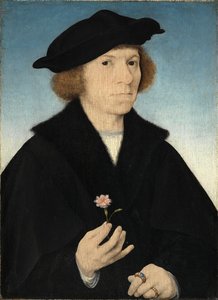
Joos van Cleve
1485 - 1540 , Germany
Quick Facts
- Artistic Movement Or Style: Renaissance Mannerism
- Artists Or Movements Influenced By This Artist: Italian Renaissance
- Artists Who Influenced This Artist: Jan Joest
- Date Of Birth: c. 1485
- Date Of Death: 1540
- Full Name: Joos van Cleve
- Nationality: Flemish
- Notable Artworks:
- The Adoration of the Magi - Left Wing
- The Holy Family
- Portrait of Henry VIII
- Place Of Birth: Krefeld, Germany
Related Articles
Early Netherlandish Masters: 10 Paintings That Revolutionized Art & Decor
Journey into the world of Early Netherlandish painting! Explore 10 masterpieces by Jan van Eyck, Rogier van der Weyden & more. Discover stunning detail, symbolism & Renaissance art for your home decor. Find museum-quality reproductions on ArtsDot.com

Rembrandt's Masterpieces: Explore 25 Iconic Paintings & Prints | ArtsDot
Journey through Rembrandt van Rijn's 25 most iconic paintings & etchings. Explore Dutch Golden Age masterpieces, dramatic chiaroscuro, and timeless portraits. Find museum-quality art reproductions to elevate your home decor on ArtsDot.com.
Early Netherlandish Masters: 10 Paintings That Revolutionized Art & Decor
Journey into the Early Netherlandish Renaissance! Explore 10 iconic paintings by Jan van Eyck, Rogier van der Weyden & more. Discover stunning detail, symbolism, and oil painting techniques. Find museum-quality art reproductions for your home at ArtsDot.com.
Hugo van der Goes: Devotion, Innovation & the Psychological Depth of Early Netherlandish Painting
Explore the revolutionary art of Hugo van der Goes – a master of Early Netherlandish painting renowned for his dramatic realism, psychological depth & profound influence on Renaissance artists. Discover his iconic works and lasting legacy.
Jan van Eyck: Innovation, Symbolism & the Dawn of Early Netherlandish Painting
Explore the revolutionary art of Jan van Eyck! Discover his groundbreaking oil painting techniques, hidden symbolism, and lasting impact on the Early Netherlandish Renaissance. A deep dive for art enthusiasts.