

 Preview
 Send
Send Share
Share
 Details

 Download
 Similars
 X-Ray
X-Ray Diaporama
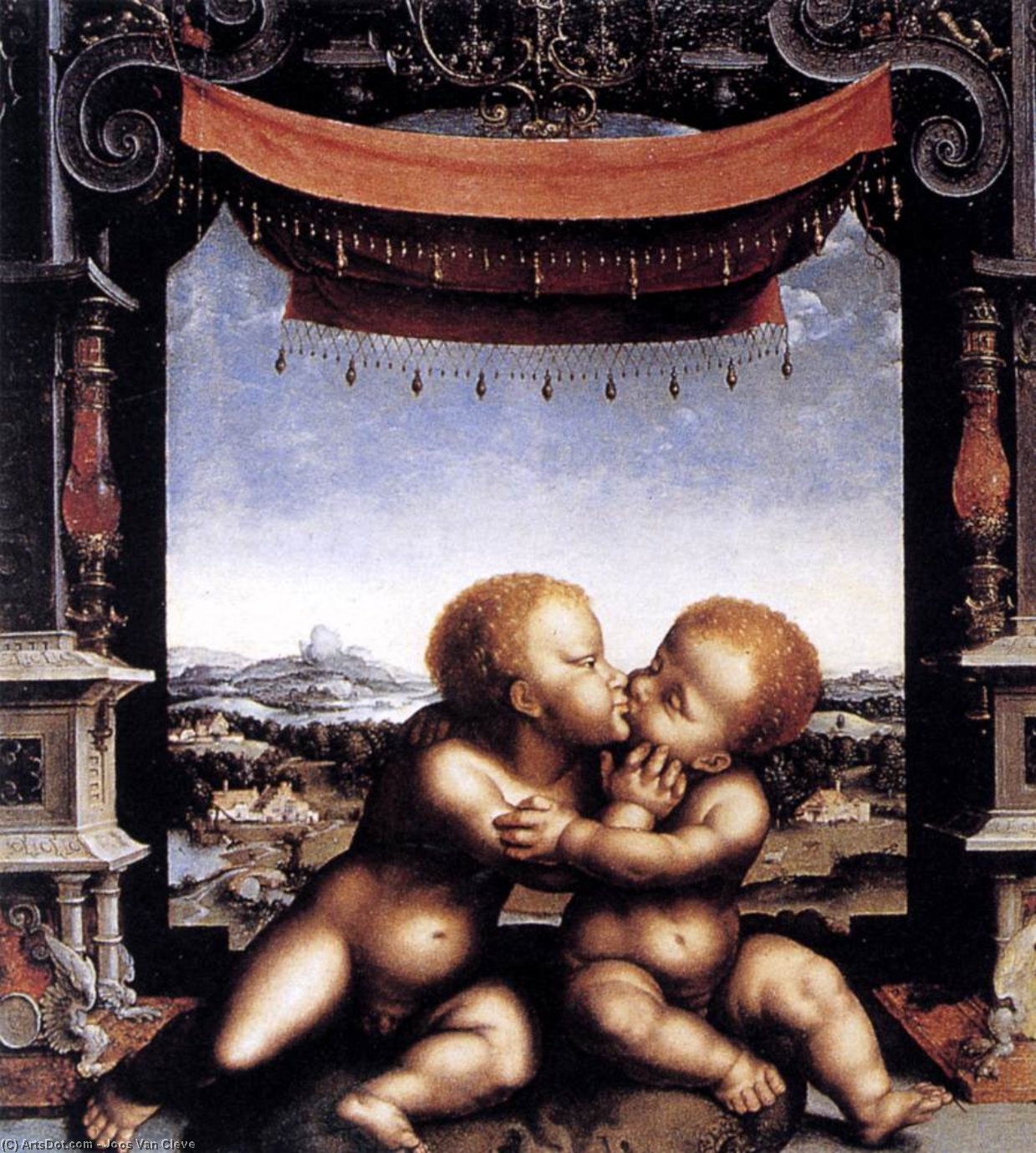
The Infants Christ and Saint John the Baptist Embracing
 Oil On Canvas
- WallArt
- Renaissance
 1525
1525 75.0 x 58.0 cm
 Art Institute of Chicago
 Read More
Purchase a high-resolution, enhanced digital image, far superior to the online preview.
Each file is meticulously prepared by our in-house specialists using advanced tools and expert manual retouching. We ensure every image has exceptional clarity, precise color accuracy, and fine detail.
The final file is delivered via email within 72 hours, optimized for immediate use in professional, editorial, and print environments. This is the same quality trusted by top-tier design studios, publishers, and galleries.
Digital Image
Download a high-resolution file for personal display, printing, and creative projects. ( Buy Print Buy Hand Made Painting)
Included in Every Digital Image Order
Expert Digital Delivery, Guaranteed
When you choose ArtsDot.com, you're not just getting an image - you're receiving a professionally enhanced digital artwork, crafted with precision and backed by a satisfaction guarantee. Here's everything that comes with your order, automatically:

Fast Email Delivery
Your high-resolution digital image file will be emailed to you within 72 hours of ordering - ready for immediate use.

AI-Enhanced Digital File
Your artwork is professionally optimized using advanced AI tools and manual editing, ensuring maximum detail, clarity, and color accuracy.

Free Lifetime Re-Delivery
Accidentally deleted or lost your file? No worries - we'll resend it to you anytime, free of charge.

No Import Fees - Ever
Enjoy your artwork instantly with zero customs, duties, or delivery fees - digital downloads are always tax-free.

Color Accuracy Guarantee
We ensure your digital image reflects the original colors as closely as possible using professional tools and color management.

60-Day Satisfaction Guarantee
If you're not satisfied with your digital image, we'll revise it or refund 100% within 60 days - no questions asked.

100% Money-Back Guarantee
Not satisfied? Get a full refund within 60 days of receiving your digital file - no questions asked.

Bulk Order Discounts
Buy 3 images, save 10% - Buy 5, save 15% - Buy 10+, save 20%. Great for creative projects, galleries, and agencies.
Collectible Description
A Tender Embrace: Joos van Cleve’s “The Infants Christ and Saint John the Baptist Embracing”
Joos van Cleve's "The Infants Christ and Saint John the Baptist Embracing," painted around 1525, is more than just a beautiful depiction of childhood; it’s a poignant meditation on innocence, divine connection, and the nascent promise of faith. This exquisite panel painting, now housed at The Art Institute of Chicago, offers a rare glimpse into the artistic sensibilities of a pivotal figure in the transition between late Gothic and early Renaissance art within the Netherlands. Van Cleve masterfully blended the established conventions of his Northern European training with burgeoning influences from Italy, creating an image that resonates with both familiar piety and a distinctly humanist sensibility.
The scene itself is deceptively simple: two nude infants, Christ and John the Baptist as child, nestled together in a serene embrace. Their postures are remarkably naturalistic, mirroring each other’s movements with a gentle fluidity that speaks to a profound connection. The composition is vertically oriented, drawing the eye upwards towards an arched window behind them – a subtle architectural element that frames the central scene like a sacred portal. This framing device lends a sense of grandeur and importance to the intimate moment unfolding before us.
Renaissance Roots, Northern Echoes
Van Cleve’s artistic lineage is complex, rooted in the rigorous training provided by Jan Joest in Antwerp. His early apprenticeship involved assisting Joest on the monumental high altar panel for Kalkar Nikolaikirche, exposing him to the scale and ambition of late Gothic and early Renaissance painting. However, “The Infants Christ and Saint John the Baptist Embracing” demonstrates a clear shift towards the more humanist ideals championed by Italian masters like Leonardo da Vinci. The infants’ poses, reminiscent of those found in Leonardo's "Virgin of the Rocks," are particularly striking – a testament to Van Cleve’s conscious engagement with the innovations of the Italian Renaissance.
Despite this Italian influence, the painting retains distinctly Northern European characteristics. The meticulous attention to detail in rendering the fabrics and drapery, the use of rich, jewel-toned colors—particularly the warm golds and reds—and the elaborate metalwork accents adorning the archway all point to a distinctly Flemish aesthetic. This skillful synthesis of influences is what makes Van Cleve’s work so compelling: he wasn't simply copying Italian models; he was adapting them to his own artistic vision, creating an image that feels both familiar and utterly unique.
Symbolism and Emotional Resonance
The symbolism within the painting is layered and deeply evocative. The nude figures represent innocence, vulnerability, and a profound connection to the divine. Their embrace symbolizes unity, love, and the beginning of life – themes central to Christian theology. The arched window, with its landscape beyond, suggests an idyllic setting, perhaps representing paradise or the realm of God. The inclusion of coats of arms—the emblems of Pompejus Occo, a prominent Amsterdam representative of the Fugger banking family—indicates that this painting was commissioned as a luxury item for a wealthy patron, further emphasizing its status and beauty.
Beyond its religious significance, “The Infants Christ and Saint John the Baptist Embracing” possesses a remarkable emotional resonance. The tenderness of the scene, the purity of the infants’ faces, and the gentle curve of their bodies all evoke a sense of quiet contemplation and profound peace. It's an image that invites viewers to pause, reflect, and consider the timeless themes of love, faith, and the enduring promise of hope.
Technical Details & Reproduction Considerations
Painted in oil on panel, Van Cleve’s technique is characterized by a masterful command of color and texture. The smooth rendering of the infants' skin tones contrasts beautifully with the slightly rougher texture of the landscape and architectural details. The use of light and shadow creates a sense of depth and volume, drawing the viewer into the scene. The painting’s dimensions are 75 x 58 cm (approximately 29 7/16 × 22 11/16 inches), making it a relatively compact yet powerfully expressive work.
Reproductions of “The Infants Christ and Saint John the Baptist Embracing” offer an exceptional opportunity to bring this timeless masterpiece into your home or office. When selecting a reproduction, consider the materials used – high-quality canvas prints with archival inks will ensure that the colors remain vibrant for years to come. A carefully crafted reproduction can capture not only the visual beauty of the original but also its emotional resonance, allowing you to experience the profound serenity and spiritual depth of this extraordinary painting.
Related Artworks

Artist Biography
The Master of Antwerp: The Life and Legacy of Joos van Cleve
In the bustling, mercantile heart of sixteenth-century Antwerp, a new era of visual storytelling was unfolding, driven by the brush of Joos van Cleve. Born around 1485 in Krefeld, Germany, this Flemish Renaissance master emerged not merely as a painter of great skill, but as a visionary bridge between two worlds. His career, which flourished from approximately 1511 until his death in 1540, represents a profound moment in art history where the meticulous, detailed traditions of the Netherlandish masters met the sweeping, atmospheric innovations flowing from the Italian Renaissance. To look upon a work by van Cleve is to witness a delicate dance between the tactile reality of Northern Europe and the idealized grace of the South.
The foundations of his genius were laid during his formative years under the tutelage of Jan Joest. This rigorous apprenticeship provided him with more than just technical proficiency; it immersed him in the monumental traditions of late Gothic art. One of his most significant early experiences involved assisting Joest on the high altar of the Kalkar Nikolaikirche, a project that demanded an understanding of grand scale and spiritual gravity. Through this work, van Clecept mastered the complex alchemy of pigment preparation and the painstaking layering of glazes—techniques that would later allow him to imbue his portraits with a lifelike luminosity and his religious scenes with a palpable sense of divinity.
A Synthesis of Northern Detail and Italian Grace
What truly distinguishes Joos van Cleve from his contemporaries was his restless, experimental spirit. While many artists of the period remained tethered to the rigid stylistic dogmas of their local guilds, van Cleve looked toward the horizon. He became a pioneer of Flemish Mannerism, a style characterized by an exceptional sensitivity to color and a remarkable unity of figures within a composition. Perhaps his most enduring contribution to the Northern Renaissance was his revolutionary use of landscape. Rather than utilizing static or symbolic backdrops, he introduced expansive, atmospheric vistas that breathed life into his subjects, creating a sense of depth and continuity between the human figure and the natural world.
This stylistic evolution was deeply influenced by the burgeoning trends in Italy. By integrating elements of Italianate perspective and a more fluid, rhythmic approach to anatomy, he transformed the traditional Flemish portrait into something far more psychologically complex. His subjects were no longer mere icons of status; they possessed an inner life, an emotional resonance that invited the viewer into a silent dialogue. This ability to convey profound human emotion through subtle facial expressions and delicate hand gestures remains one of his most celebrated achievements.
Historical Significance and Artistic Triumph
The legacy of Joos van Cleve is etched into the very fabric of Antwerp’s golden age. As a central figure in the city's artistic community, his workshop became a beacon of innovation, influencing generations of painters who followed. His ability to blend the following elements ensured his lasting impact on the history of European art:
- Technical Mastery: The seamless application of Netherlandish glazing techniques to achieve unparalleled texture and light.
- Compositional Innovation: The integration of vast, panoramic landscapes that expanded the narrative scope of religious and secular painting.
- Psychological Depth: A shift from purely symbolic representation toward a more humanistic, emotive portrayal of his subjects.
- Cultural Synthesis: The successful marriage of Northern European precision with the grace and movement of the Italian Renaissance.
Though his life ended in 1540, the echoes of his artistry continue to resonate. Joos van Cleve did not simply follow the trends of his time; he helped define them, leaving behind a body of work that serves as a testament to the transformative power of artistic synthesis. His paintings remain enduring windows into a period of immense cultural transition, capturing the moment when the medieval world began to dissolve into the light of the modern era.
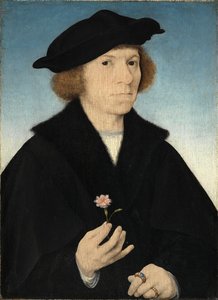
Joos van Cleve
1485 - 1540 , Germany
Quick Facts
- Artistic Movement Or Style: Renaissance Mannerism
- Artists Or Movements Influenced By This Artist: Italian Renaissance
- Artists Who Influenced This Artist: Jan Joest
- Date Of Birth: c. 1485
- Date Of Death: 1540
- Full Name: Joos van Cleve
- Nationality: Flemish
- Notable Artworks:
- The Adoration of the Magi - Left Wing
- The Holy Family
- Portrait of Henry VIII
- Place Of Birth: Krefeld, Germany

