 Preview
 Send
Send Share
Share
 Details

 Download
 Similars
 X-Ray
X-Ray Diaporama
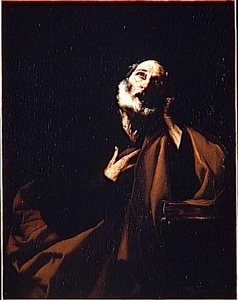
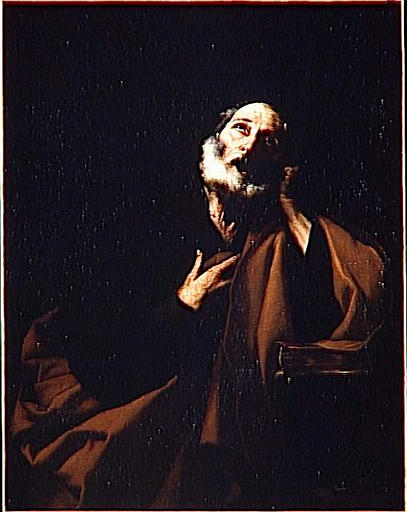
SAINT EN EXTASE LES LARMES DE SAINT PIERRE
 Read More
Giclée / Art Print
Museum-quality giclée or canvas print with fast production and flexible finish options. ( Buy Hand Made Painting Buy Image)




































Pick from our preset sizes that match the artwork's original proportions.

You may enter your own dimensions to fit a specific frame or space. If your selected size does not match the original image's proportions, we will either crop the artwork or extend the image with a mirrored or solid-fill edge. A digital mockup will be sent for your approval before production begins.
Please note that the on-screen preview does not reflect the actual cropping or extension. Only the mockup will accurately show the final composition.
While custom sizes are available, we recommend selecting a dimension from the predefined list to preserve the original proportions.
Worldwide Delivery () in 2 weeks instead of standard 4/5 weeks. (22 August)

Free Worldwide Express Shipping

High-Quality Linen Canvas

Full Shipping Insurance

Customs Tax Refund Guarantee

True Color Matching Guarantee

60-Day Return Policy (Defects Only)

100% Money-Back Guarantee

Bulk Discount Offer
 Glass option is only available in size under 110 CM

SAINT EN EXTASE LES LARMES DE SAINT PIERRE
Giclée / Art Print
Reproduction Size
-


Total Price
$ 63
Related Artworks



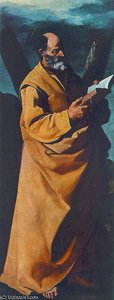


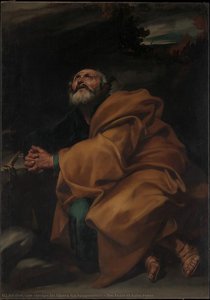
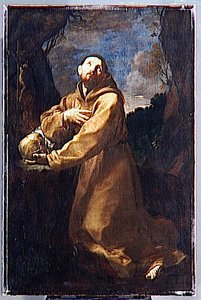
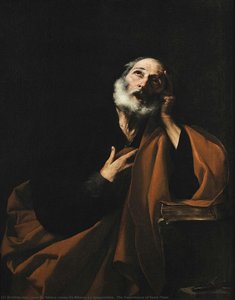

Artist Biography
José de Ribera (Spagnoletto): A Titan of Baroque Realism
José de Ribera (1591 – 1649), born José Martínez Ricci in Naples, Italy, stands as one of the most influential painters of the Spanish Baroque era. Though overshadowed by El Greco during his lifetime, Ribera’s uncompromising dedication to anatomical accuracy and dramatic chiaroscuro—the masterful use of light and shadow—earned him enduring fame and cemented his place among the foremost artists of his time. His work transcends mere representation; it embodies a profound psychological depth that continues to resonate with viewers centuries later.Early Life and Artistic Training
Born into a noble family, Ribera’s upbringing instilled in him a meticulous attention to detail and an appreciation for classical ideals. He initially pursued studies in theology at Salamanca University but quickly abandoned religious pursuits for the burgeoning artistic fervor of Naples. Recognizing his talent, Pedro Calderón de Sevilla, a celebrated sculptor and teacher, took Ribera under his wing, providing invaluable instruction in anatomy and disegno—the Italian term for drawing—skills crucial to mastering Baroque painting. Calderón’s influence shaped Ribera's stylistic approach, prioritizing observation and precise rendering of the human form.Naples: A Crucible of Innovation
Ribera established himself as a prolific artist in Naples, attracting commissions from wealthy patrons and gaining recognition for his groundbreaking innovations. Unlike many of his contemporaries who favored idealized depictions of saints and biblical figures, Ribera relentlessly pursued realism—capturing the textures, musculature, and emotional intensity of human subjects with unparalleled conviction. He rejected Mannerist conventions, favoring instead a technique characterized by stark contrasts between light and dark, reminiscent of Caravaggio’s dramatic style – a method known as tenebrism. This stylistic choice wasn't merely aesthetic; it served to heighten the psychological impact of his paintings, conveying profound sorrow, suffering, and spiritual torment.Notable Works and Artistic Style
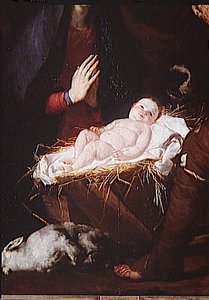
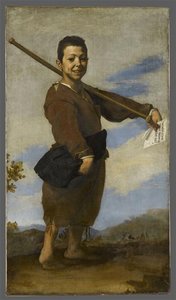
Ribera’s oeuvre comprises over 400 paintings, predominantly religious scenes depicting saints, martyrs, and biblical narratives. However, he also produced portraits that reveal a remarkable sensitivity to character and emotion. His monumental altarpiece in the Cappella di San Giuseppe in Toledo—featuring El Greco masterpieces—demonstrates his mastery of composition and color orchestration. “Le Pied Bot,” portraying a young boy with a limp, exemplifies Ribera’s meticulous anatomical rendering and expressive use of chiaroscuro, capturing both physical vulnerability and youthful innocence. Similarly, "L'Adoration des bergers" showcases the artist's ability to convey profound emotion through subtle gestures and facial expressions. His canvases are marked by an obsessive attention to detail—the folds of drapery, the texture of skin, the nuances of light—resulting in images that possess a visceral immediacy rarely achieved by other Baroque painters.Influence and Legacy
Ribera’s uncompromising realism profoundly impacted subsequent generations of artists. He championed disegno as the foundation for painting, rejecting illusionistic techniques favored by some of his peers. His influence extended beyond Spain, reaching artists across Europe who admired his dramatic style and unwavering commitment to anatomical accuracy. Ribera's legacy persists in the works of painters such as Rembrandt and Rubens, whose artistic endeavors bear testament to the enduring power of Baroque realism. He remains a pivotal figure in art history—a sculptor’s student who transformed painting into an instrument of psychological exploration and emotional intensity, securing his place as one of Spain’s greatest artistic geniuses.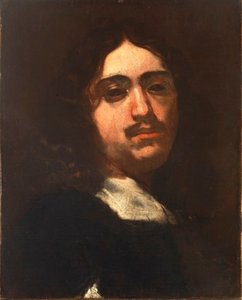
Quick Facts
- Artistic Movement Or Style: Baroque Realism
- Artists Or Movements Influenced By This Artist: ['Caravaggio']
- Artists Who Influenced This Artist: ['El Greco']
- Date Of Death: 1652
- Full Name: José de Ribera
- Nationality: Spanish
- Notable Artworks:
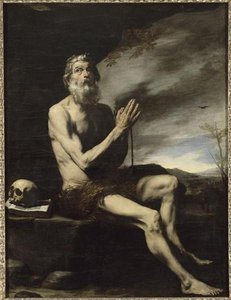
- Saint Paul ermite
- L'Adoration des bergers
- Le pied bot
- Place Of Birth: Valencia, Spain