 Preview
 Send
Send Share
Share
 Details

 Download
 Similars
 X-Ray
X-Ray Diaporama
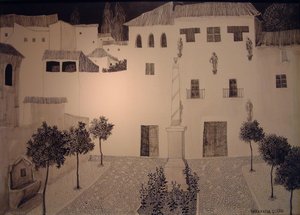
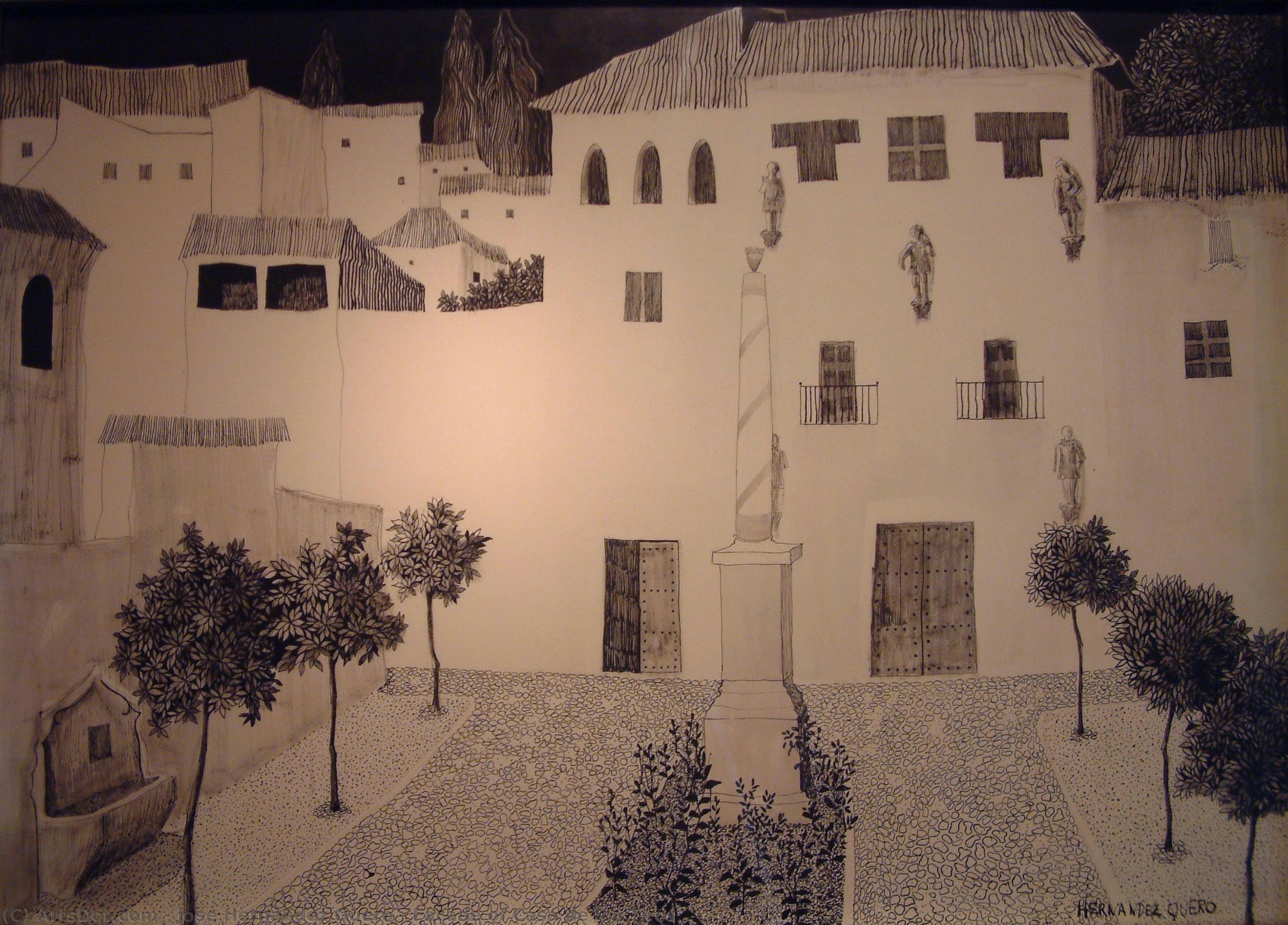
Facade of Casa de los Tiros
 Drawing
- WallArt
- Contemporary Realism
 1968
1968- Modern
 52.0 x 71.0 cm
 Museo Casa de los Tiros de Granada
 Read More
Hand Made Oil Reproduction
Hand-painted oil on canvas in your size and frame, made to order by our artists. ( Buy Print Buy Image)




P118B $10

P118H $10

P118W $10

P438Z $10

P508JH $12

P508YH $12

P805H $10

P805Z $10

P919BZ $10

P919G $10

P919XJ $10

P959ZH $10

P968JZ $12

W106C $8

W218G $10

W218JH $8

W218Y $10

W307PJ $10

W316G $10

W316PJ $8

W316Y $10

W398PJ $8

W4111J $10

W500HY $15

W500JH $15

W692G $12

W849H $8

W940BG $15

W953PJ $8




Pick from our preset sizes that match the artwork's original proportions.

You may enter your own dimensions to fit a specific frame or space. If your selected size does not match the original image's proportions, we will either crop the artwork or extend the painting with additional hand-painted elements. A digital mockup will be sent for your approval before production begins.
Please note that the on-screen preview does not reflect the actual cropping or extension. Only the mockup will accurately show the final composition.
While custom sizes are available, we recommend selecting a dimension from the predefined list to preserve the original proportions.
After order, ArtsDot.com team will email client for instructions and provide a mockup preview
Worldwide Delivery () in 3/4 weeks instead of standard 5 weeks. (25 August). No compromise on quality.

Free Worldwide Express Shipping

High-Quality Linen Canvas

Full Shipping Insurance

Customs Tax Refund Guarantee

True Color Matching Guarantee

60-Day Return Policy (Defects Only)

100% Money-Back Guarantee

Bulk Discount Offer
 Glass option is only available in size under 110 CM

Facade of Casa de los Tiros
Reproduction Medium
Reproduction Size
-


Total Price
$ 263
Artwork Description
A Timeless Glimpse into Granada's Soul
In his evocative 1968 drawing, Facade of Casa de los Tiros, the Spanish master Jose Hernandez Quero invites us to step into a moment frozen in time, capturing the rhythmic pulse of an Andalusian streetscape. Through a masterful use of monochrome tones, the artist strips away the distractions of color to focus our attention on the structural elegance and the lived-in atmosphere of Granada. The scene is far from static; it is a bustling tableau where the architecture of the past meets the transient movement of the present. As we gaze upon the street, we see figures drifting through the composition, their presence lending a sense of scale and human warmth to the historic stone facades. The inclusion of birds in flight and delicate potted plants scattered throughout the urban setting adds layers of organic life, suggesting a harmonious coexistence between the enduring monuments of Spanish history and the fleeting beauty of nature.
The technique employed by Hernandez Quero in this piece reflects his deep-rooted training at the prestigious Escuela de Bellas Artes de Sevilla. By utilizing a black and white medium, he achieves a profound level of contrast that defines the textures of the ancient buildings—from the ruggedness of weathered stone to the intricate shadows cast by the midday sun. This approach allows for a meticulous study of light and shadow, a hallmark of Spanish realism. The artist’s ability to render depth is remarkable; the way the figures recede into the distance creates an immersive perspective that draws the viewer's eye deep into the heart of the city. Every line serves a purpose, building a structural integrity that honors the architectural heritage of the Casa de los Tiros while maintaining a fluid, sketch-like spontaneity that captures the energy of a living city.
For the discerning collector or interior designer, this artwork offers much more than mere decoration; it serves as a window into the cultural heart of Spain. The piece carries a profound emotional weight, evoking feelings of nostalgia and reverence for the layers of history embedded in the streets of Granada. It is a work that speaks to the concept of continuity—how the shadows of the 16th century still dance upon the pavement of the modern era. Integrating such a high-quality reproduction into a sophisticated interior can provide a focal point of quiet contemplation and intellectual depth. Whether placed in a contemporary gallery setting or a classic study, Facade of Casa de los Tiros brings an air of historical prestige and artistic elegance, making it an incomparable choice for those who seek to surround themselves with art that tells a story of enduring human spirit and architectural grandeur.
Related Artworks




Artist Biography
Jose Hernandez Quero: A Granada Legacy Illuminated
The story of Jose Hernandez Quero is one deeply intertwined with the soul of Andalusia, a narrative that begins in the historic streets of Granada. Born in 1930, his early years were shaped by the profound cultural echoes of Moorish Spain, an environment where history and art are inseparable. This heritage provided him with a unique visual vocabulary, characterized by a meticulous eye for detail and a palette that could shift from the sun-drenched warmth of Spanish landscapes to the deep, contemplative shadows of architectural studies. His formal artistic journey was anchored in the prestigious traditions of his homeland, beginning with foundational studies at the Art School of Granada and later refining his technical mastery at the Escuela de Bellas Artes de Sevilla. It was here that he developed the rigorous command of light and texture that would become a hallmark of his Spanish Realist style.
As his career progressed, Hernandez Quero sought to expand the boundaries of his Mediterranean roots by venturing into the heart of the European avant-garde. His transformative expedition to Paris during the late 1950s and early 1960s acted as a vital catalyst for his creative evolution. Immersed in the vibrant Parisian art scene, he encountered groundbreaking innovations in both painting and sculpture that challenged his classical training. This period of exploration allowed him to integrate a more experimental conceptual framework into his work, blending the structural integrity of Spanish tradition with a newfound curiosity for modern techniques. The result was an artistic output that felt both timeless and contemporary, bridging the gap between the historical weight of his subjects and the fluid energy of 20th-century modernism.
A Mastery of Medium and Symbolism
The versatility of Hernandez Quero’s talent is perhaps most evident in the diverse range of mediums he commanded. Whether working with the rich, tactile depth of oil paintings, the precise intimacy of etchings, or the layered complexity of lithographs, his hand remained unmistakably his own. His canvases often served as stages for still lifes brimming with symbolic detail, where every object was rendered with such precision that they seemed to pulse with an inner life. These compositions were rarely mere studies of objects; rather, they were carefully constructed meditations on permanence and decay, using light to imbue everyday items with a sense of emotional resonance and spiritual weight.
Beyond the still life, his depictions of human figures and landscapes showcased a profound sensitivity to the fleeting nature of existence. In his architectural drawings, such as the evocative 1968 work Facade of Casa de los Tiros, he utilized monochrome tones to strip away the distractions of color, forcing the viewer to confront the raw, structural elegance of Granada’s historic monuments. Through a masterful use of contrast, he captured the ruggedness of weathered stone and the delicate interplay of shadow, creating an immersive perspective that draws the observer into the very heart of the Andalusian streetscape. In these works, the presence of figures and even the flight of birds add layers of organic life, suggesting a harmonious, if transient, coexistence between the enduring monuments of Spanish history and the ephemeral beauty of nature.
Artistic Lineage and Lasting Significance
The artistic vision of Hernandez Quero was not formed in isolation but was part of a continuous dialogue with the masters who preceded him. He drew significant inspiration from the traditions of Spanish landscape painting and the dramatic intensity of the Surrealist movement. Most notably, the influence of El Greco can be felt in his ability to use form and pigment to convey deep-seated emotion and spiritual fervor. By emulating the capacity for expressive power found in the masters of the Spanish Golden Age, Quero was able to imbue his modern subjects with a sense of mythic grandeur.
Today, the legacy of Jose Hernandez Quero remains a vital part of the 20th-century art canon. His work stands as a testament to the enduring power of realism when wedded to profound emotional depth and technical brilliance. Through his dedication to capturing both the monumental and the minute, he ensured that the cultural essence of Granada and the broader Spanish identity would be preserved through his art. For collectors and historians alike, his oeuvre offers more than just visual beauty; it provides a window into a period of intense artistic transition, where the echoes of the past met the bold innovations of a new era.
Jose Hernandez Quero
1930 - 2008 , Spain
Quick Facts
- Artistic Movement Or Style: Realism
- Artists Or Movements Influenced By This Artist: ['Toledo Paintings']
- Artists Who Influenced This Artist: ['El Greco']
- Date Of Birth: November 27, 1930
- Date Of Death: 2008
- Full Name: Jose Hernandez Quero
- Nationality: Spanish
- Notable Artworks:
- Facade of Casa de los Tiros
- Capilla de San José
- Place Of Birth: Granada, Spain
Related Articles

White on Canvas: 10 Masterpieces & Timeless Elegance for Your Home Decor
Explore 10 iconic white paintings by Monet, Whistler & Rothko! Discover the stories behind these serene masterpieces and their impact on art history. Find museum-quality reproductions for your home decor at .

Dark Masterpieces: 10 Iconic Paintings Dominated by Black Tones |
Explore 10 iconic paintings dominated by black tones, from Rembrandt’s chiaroscuro to Goya's dark expressions. Discover the stories behind these masterpieces & find museum-quality art reproductions for your home at .
Concrete Narratives: Exploring Urban Life in Modern & Contemporary Art
Explore the evolution of cityscape painting with ArtsDot. Discover key artists from Realism to contemporary movements & invest in timeless urban visions. Expert guidance, museum-quality reproductions.
Concrete Visions: Exploring the Urban Landscape in Painting – From Realism to Contemporary Art
Explore the evolution of cityscape painting from Realism to contemporary art with ArtsDot. Discover key artists & invest in timeless urban visions. Expert guidance, museum-quality reproductions.
Urban Visions: A Historical & Artistic Exploration of the Cityscape in Painting
Explore the evolution of cityscape painting from historical maps to Impressionist masterpieces. Discover artists like Caillebotte & Utrillo. Find museum-quality reproductions at ArtsDot.