 Preview
 Send
Send Share
Share
 Details

 Download
 Similars
 X-Ray
X-Ray Diaporama
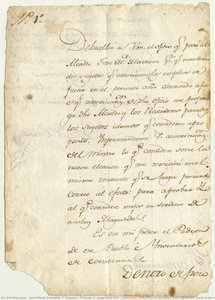
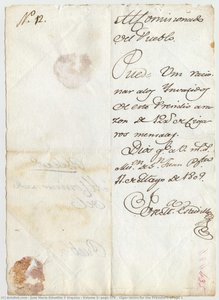
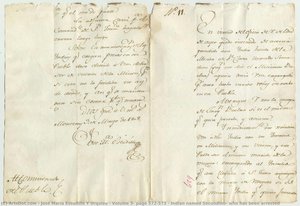
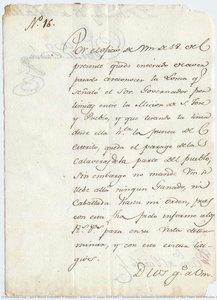
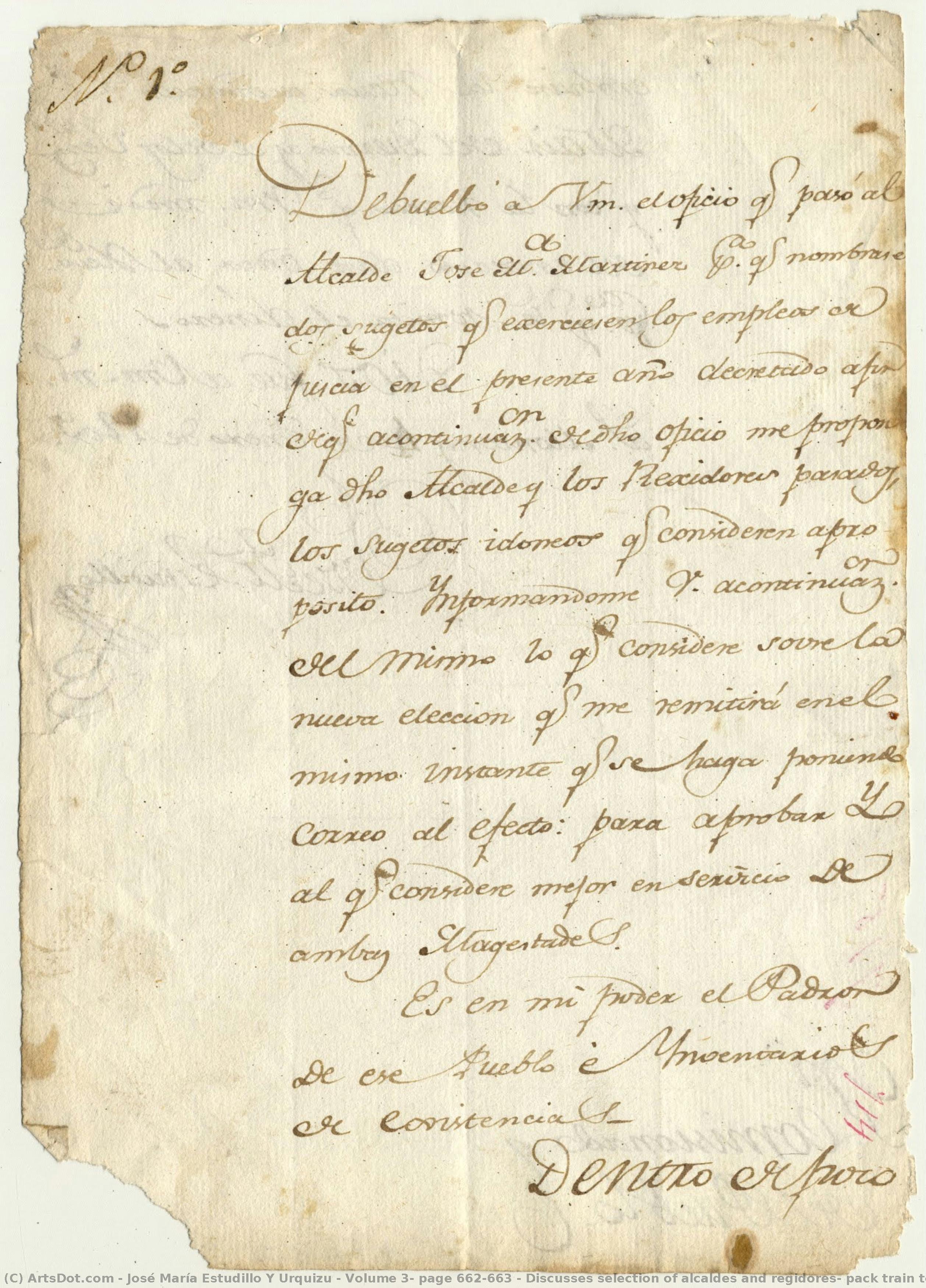
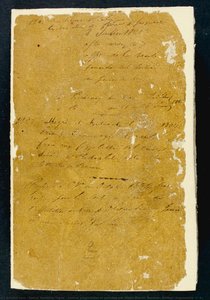
Volume 3, page 662-663 / Discusses selection of alcaldes and regidores; pack train to be sent for corn\n\nPage 1


 Read More
Hand Made Oil Reproduction
Hand-painted oil on canvas in your size and frame, made to order by our artists. ( Buy Print Buy Image)




































Pick from our preset sizes that match the artwork's original proportions.

You may enter your own dimensions to fit a specific frame or space. If your selected size does not match the original image's proportions, we will either crop the artwork or extend the painting with additional hand-painted elements. A digital mockup will be sent for your approval before production begins.
Please note that the on-screen preview does not reflect the actual cropping or extension. Only the mockup will accurately show the final composition.
While custom sizes are available, we recommend selecting a dimension from the predefined list to preserve the original proportions.
After order, ArtsDot.com team will email client for instructions and provide a mockup preview
Worldwide Delivery () in 3/4 weeks instead of standard 5 weeks. (29 August). No compromise on quality.

Free Worldwide Express Shipping

High-Quality Linen Canvas

Full Shipping Insurance

Customs Tax Refund Guarantee

True Color Matching Guarantee

60-Day Return Policy (Defects Only)

100% Money-Back Guarantee

Bulk Discount Offer
 Glass option is only available in size under 110 CM

Volume 3, page 662-663 / Discusses selection of alcaldes and regidores; pack train to be sent for corn\n\nPage 1
Reproduction Medium
Reproduction Size
-


Total Price
$ 263
A Whisper from the Past: The Living History of 1809
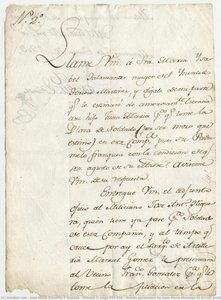
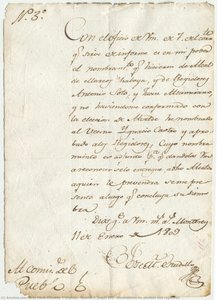
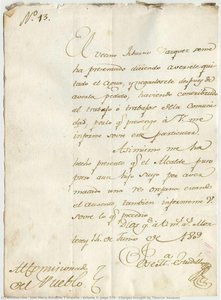
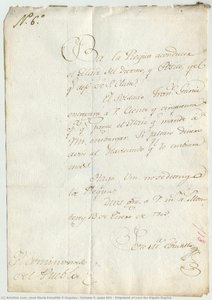
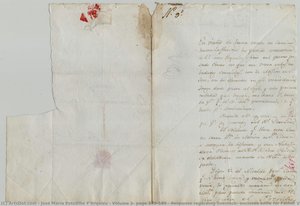
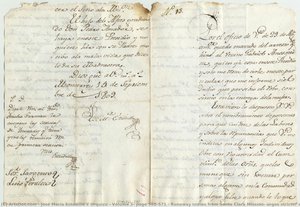
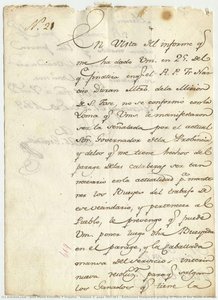
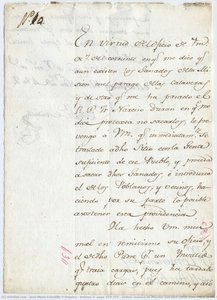
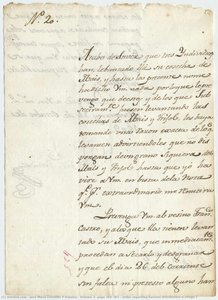
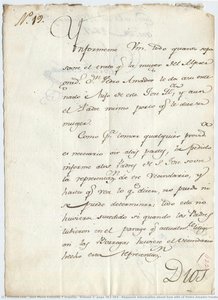
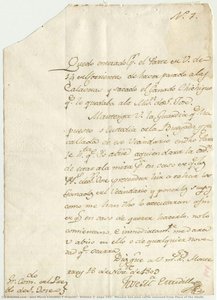
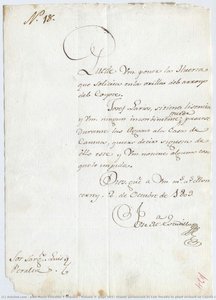
In the quiet presence of this extraordinary manuscript, one does not merely observe paper and ink; one encounters a direct, tactile connection to the dawn of California’s colonial era. This document, dating back to 1809, serves as a profound temporal window into a world defined by Spanish administration and the rugged frontier life of the Presidio. The parchment, bathed in a warm, amber hue that speaks of centuries passed, carries the weight of official responsibility. As the eye wanders across the elegant, flowing cursive, there is an undeniable sense of witnessing a moment frozen in time—a communication regarding the selection of alcaldes and regidores, and the vital logistics of a pack train sent to secure corn for a growing settlement.
The aesthetic allure of this piece lies in its organic authenticity. The delicate wear along the edges and the subtle discolorations of the aged paper create a natural patina that no modern imitation could replicate. For the discerning collector or interior designer, this work offers more than just historical data; it provides a soulful texture to a space. It evokes the atmosphere of a private library or a stately study, where the shadows of history dance upon the walls. The rhythmic, handwritten script acts as a visual melody, guiding the viewer through the bureaucratic nuances of the Spanish military command under figures like José María Estudillo y Urquizu.
The Artistry of the Written Word
While not a painting in the traditional sense, this manuscript possesses a unique calligraphic beauty that transcends mere utility. The technique employed by the scribe—likely a trained hand within the Spanish military or colonial administration—demonstrates a disciplined yet expressive mastery of the quill. Each stroke of the ink carries a deliberate weight, creating a visual cadence that reflects the gravity of the subject matter. The way the ink has settled into the fibers of the paper over two hundred years creates a depth of tone that is mesmerizing under soft, ambient lighting.
From a decorative perspective, this piece functions as an exquisite specimen of historical ephemera. It embodies the "Old World" charm that is so highly sought after in classical interior design. When featured in a curated collection, it serves as a conversation piece that bridges the gap between art and archaeology. The document does not demand attention through loud colors or grand gestures; instead, it commands respect through its quiet, dignified presence and the sheer endurance of its physical form. It is an invitation to contemplate the lives of those who navigated the complexities of life in Monterey and San Diego during a transformative period of human history.
A Legacy Captured in Ink
To possess or display a reproduction of such a significant historical artifact is to embrace the narrative of the Californio pioneers. The document is inextricably linked to the legacy of José María Estudillo y Urquizu, a man whose life was woven into the very fabric of California's founding. Through these lines of text, we feel the pulse of a community organizing itself, managing its resources, and establishing the foundations of law and order in a distant territory. There is a profound emotional resonance in seeing the logistical struggles—the need for corn, the appointment of officials—rendered with such permanence.
For those looking to infuse their surroundings with a sense of heritage and intellectual depth, this piece offers an unparalleled opportunity. It is a fragment of a larger story, a single page from a much grander epic of exploration and settlement. Whether integrated into a gallery wall of historical documents or used as a focal point in a room dedicated to the study of history, this manuscript brings with it an aura of wisdom, permanence, and the enduring spirit of the human endeavor.
Related Artworks
Artist Biography
José María Estudillo y Urquizu: A Pioneer of California’s Founding
José María Estudillo y Urquizu (1776 – 1830) stands as a pivotal figure in the annals of Californian history, embodying the spirit of exploration, military leadership, and the establishment of a lasting legacy. Born in Monterey, Spain, Estudillo's journey to California began with his marriage to Gertrudis Horcasitas, forging a family that would shape the region’s future for generations. His unwavering dedication to service propelled him into the ranks of the Spanish Military, culminating in his commandorship of the Presidio of San Diego – a position he held during two crucial periods (1820-1821 and 1827-1830), overseeing the burgeoning settlement and securing vital strategic interests.- Early Life & Family: Estudillo’s formative years were spent in Monterey, where he established a family rooted in Spanish traditions. His marriage to Gertrudis Horcasitas produced numerous children, including José Antonio Estudillo, José Joaquín Estudillo, and María Dolores Estudillo – individuals who would themselves contribute significantly to California's growth and development.
- Military Career & Leadership: Estudillo’s military prowess was recognized early on, earning him commendations for his service in Spain and Mexico. However, it was his commandorship of San Diego that cemented his reputation as a visionary leader. During this time, he championed the ambitious expedition led by José Romero to explore Sonora and Alta California, demonstrating an understanding of geopolitical strategy vital to securing Spanish dominion over the Southwest.
- The Casa Estudillo & Rancho Grants: Estudillo’s enduring contribution to California lies in his architectural vision – the Casa Estudillo of San Diego, now a National Historic Landmark. This grand residence stands as testament to his ambition and represents a cornerstone of San Diego's heritage. Furthermore, Estudillo secured numerous ranch grants, establishing landholdings that would become integral to the economic fabric of the region, notably Rancho San Leandro and Rancho Otay.
- Diarist & Historical Record: Estudillo’s meticulous observations during the Romero expedition provided invaluable insight into the challenges faced by Spanish settlers venturing westward. His diaries offer a firsthand account of the hardships endured and the strategic considerations guiding colonial policy – documents that continue to inform historians today.
Artistic Influences & Legacy While biographical details regarding Estudillo’s artistic inclinations are scarce, his involvement in shaping California's landscape undoubtedly fostered an appreciation for natural beauty and grandeur. His leadership instilled a sense of civic responsibility and ambition within his descendants, who pursued careers in law, agriculture, and governance. Estudillo’s legacy extends beyond mere administrative achievements; it resides in the enduring spirit of innovation and determination that characterized the formative years of California – values reflected in the architectural marvel of Casa Estudillo and celebrated through the historical records documenting his pioneering endeavors.
Further Exploration
For deeper insights into José María Estudillo y Urquizu’s life and accomplishments, consult resources such as Wikipedia () and explore the History San José museum database (). Examining archival documents related to his ranch grants and military expeditions offers invaluable perspectives on his role in shaping California’s history.
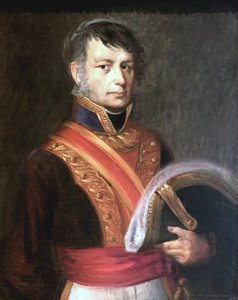
josé maría estudillo y urquizu
1776 - 1830 , Spain
Quick Facts
- Date Of Birth: Monterey, Spain (1776)
- Date Of Death: San Diego (1830)
- Full Name: José María Estudillo y Urquizu
- Nationality: Spanish
- Notable Artworks: ['Casa de Estudillo']
- Place Of Birth: Monterey
Related Articles
Acrylic on Paper: A Modern Canvas for Contemporary Expression
Explore the versatility of acrylic painting on paper! Discover expert techniques, artist insights & archival practices for creating stunning contemporary art. Learn more at ArtsDot.
The Golden Age Reforged: Dramatic Realism & Religious Zeal in Spanish Baroque Art
Explore the dramatic world of Spanish Baroque art! Discover masters like Zurbarán & the powerful influence of religious zeal on painting techniques – a guide for collectors and enthusiasts.
Golden Hues: 10 Masterpieces Dominated by Chrome Yellow | ArtsDot
Immerse yourself in golden light! Explore 10 famous paintings dominated by 'Chrome Yellow', from Van Gogh’s Sunflowers to Monet's Haystacks. Discover the stories behind these iconic Impressionist & Post-Impressionist masterpieces and find museum-quality art reproductions at ArtsDot.com.
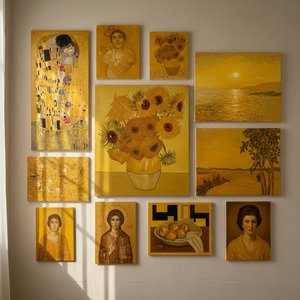
Golden Hues: Top 10 Paintings Dominated by Yellow Ochre |
Explore 10 iconic paintings bathed in golden yellow ochre! From Van Gogh's sunflowers to Monet’s haystacks, discover the stories behind these masterpieces. Find museum-quality art reproductions & elevate your home decor on .

The Golden Hue: Exploring Symbolism & Emotion in Yellow Art
Explore the rich symbolism & emotional power of yellow in art history! From Van Gogh to Kandinsky, discover how artists used this vibrant hue. Expert analysis & high-quality reproductions at ArtsDot.