 Preview
 Send
Send Share
Share
 Details

 Download
 Similars
 X-Ray
X-Ray Diaporama
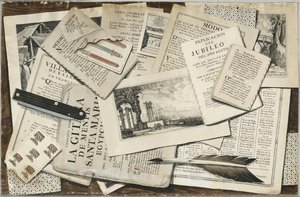
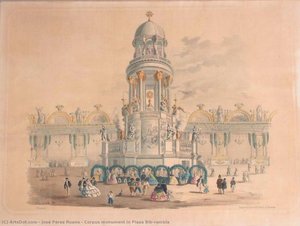
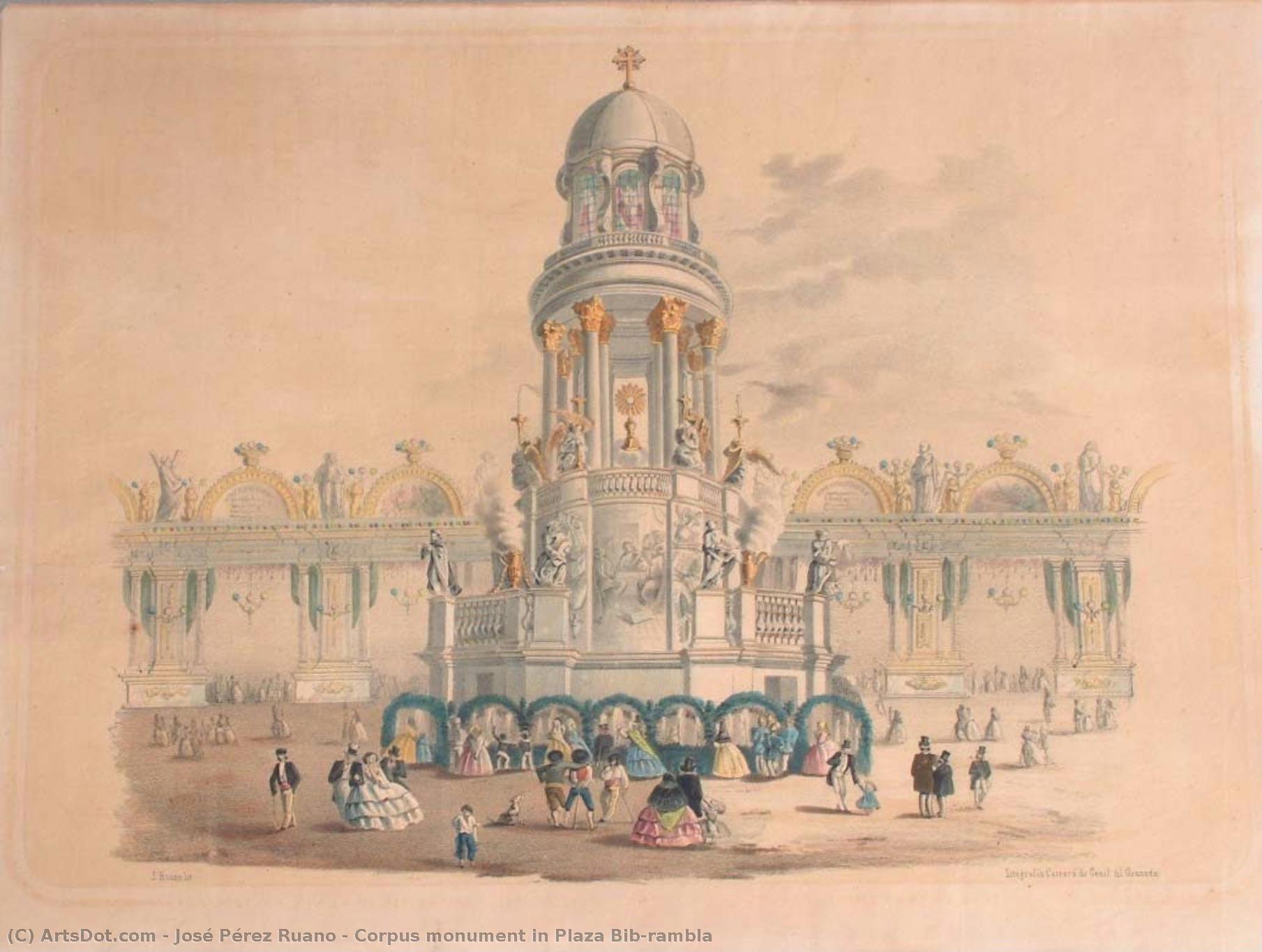
Corpus monument in Plaza Bib-rambla
 Trompe l'oeil
 1859
1859- 19th Century
 61.0 x 46.0 cm
 Museo Casa de los Tiros de Granada
 Read More
Hand Made Oil Reproduction
Hand-painted oil on canvas in your size and frame, made to order by our artists. ( Buy Print Buy Image)




P118B $10

P118H $10

P118W $10

P438Z $10

P508JH $12

P508YH $12

P805H $10

P805Z $10

P919BZ $10

P919G $10

P919XJ $10

P959ZH $10

P968JZ $12

W106C $8

W218G $10

W218JH $8

W218Y $10

W307PJ $10

W316G $10

W316PJ $8

W316Y $10

W398PJ $8

W4111J $10

W500HY $15

W500JH $15

W692G $12

W849H $8

W940BG $15

W953PJ $8




Pick from our preset sizes that match the artwork's original proportions.

You may enter your own dimensions to fit a specific frame or space. If your selected size does not match the original image's proportions, we will either crop the artwork or extend the painting with additional hand-painted elements. A digital mockup will be sent for your approval before production begins.
Please note that the on-screen preview does not reflect the actual cropping or extension. Only the mockup will accurately show the final composition.
While custom sizes are available, we recommend selecting a dimension from the predefined list to preserve the original proportions.
After order, ArtsDot.com team will email client for instructions and provide a mockup preview
Worldwide Delivery () in 3/4 weeks instead of standard 5 weeks. (17 August). No compromise on quality.

Free Worldwide Express Shipping

High-Quality Linen Canvas

Full Shipping Insurance

Customs Tax Refund Guarantee

True Color Matching Guarantee

60-Day Return Policy (Defects Only)

100% Money-Back Guarantee

Bulk Discount Offer
 Glass option is only available in size under 110 CM

Corpus monument in Plaza Bib-rambla
Reproduction Medium
Reproduction Size
-


Total Price
$ 263
Artwork Description
A Window into the Soul of Córdoba
In the heart of a bustling cityscape, where history breathes through every stone and spire, lies the captivating essence of Corpus monument in Plaza Bib-rambla. This evocative painting serves as more than just a depiction of architecture; it is a temporal bridge that transports the viewer to the year 1859. The scene unfolds with a magnificent building dominating the canvas, its facade a complex tapestry of sculptural grandeur. As your eyes wander across the intricate clock tower, crowned by a solemn cross, you begin to feel the weight of time and the enduring spirit of Spanish heritage. The presence of angels and celestial figures adorning the architecture lends an ethereal quality to the structure, suggesting that even in the midst of daily human commerce, the divine remains ever-present.
The artist masterfully captures a moment of vibrant urban life, weaving together the monumental with the mundane. Amidst the architectural splendor, one finds the rhythmic pulse of the city: figures strolling through the plaza, people gathered in quiet conversation, and even the unexpected silhouette of a horse in the background. This interplay between the permanent, stone-carved monuments and the fleeting, transient movements of living beings creates a profound emotional resonance. It is a study in contrasts—the stillness of history versus the kinetic energy of the present—inviting collectors and art enthusiasts to contemplate their own place within the grand continuum of time.
Mastery of Illusion and Atmosphere
While the subject matter celebrates architectural triumph, the technical execution speaks to a deep understanding of light and atmosphere. The painting utilizes a rich, layered approach to texture, allowing the viewer to almost feel the weathered grain of the stone and the soft movement of the crowd. There is a subtle, luminous quality to the light that bathes the plaza, casting gentle shadows that define the depth of the building's many alcoves and statues. This careful manipulation of light does not merely illuminate the scene; it creates a mood of nostalgic reverence, making the 19th-century setting feel tangibly real.
For the discerning interior designer or art collector, this piece offers an unparalleled opportunity to introduce a sense of historical depth and narrative complexity into a space. The composition, characterized by its verticality and grand scale, acts as a focal point that commands attention without overwhelming its surroundings. Whether placed in a sophisticated gallery setting or used to anchor a classical living room, the artwork provides a sophisticated dialogue between the modern environment and the storied past. It is an investment in beauty, a piece that promises to spark conversation and provide a window into a world of architectural elegance and timeless human connection.
Related Artworks
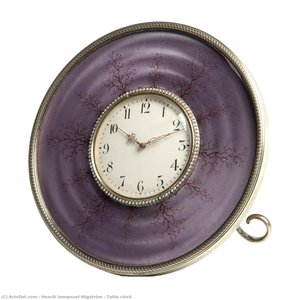
Artist Biography
introduction
josé pérez ruano was a spanish artist born in córdoba, spain in 1750. he died in 1810, leaving behind a legacy in the genre of trampantojo or engañifa, particularly in the creation of 'mesas de papeles revueltos' (tables with messy papers). his expertise in this area earned him an important prize in a barcelona exhibition for one of his 'mesas de papeles revueltos'. four of his works in this genre have been acquired by the junta de andalucía for the museum of fine arts in córdoba.artistic style and contributions
josé pérez ruano's artistic style is characterized by his use of trampantojo, a technique that creates illusions or tricks the viewer's eye. his 'mesas de papeles revueltos' are a prime example of this style, featuring tables with messy papers and other objects. this unique approach to art has made him a notable figure in spanish art history.notable works and exhibitions
some of josé pérez ruano's notable works include his 'mesas de papeles revueltos', which have been exhibited at various museums, including the museum of fine arts in córdoba. his work has also been featured in several exhibitions, such as the one held at the josé pérez ruano page on ArtsDot.com.- josé pérez ruano's 'mesas de papeles revueltos' are a unique example of trampantojo art.
- his work has been acquired by the junta de andalucía for the museum of fine arts in córdoba.
- josé pérez ruano's artistic style is characterized by his use of trampantojo and engañifa techniques.
- his work has been featured in several exhibitions, including the one held at the josé pérez ruano page on ArtsDot.com.
legacy and impact
josé pérez ruano's legacy in the art world is significant, with his unique trampantojo style influencing many other artists. his work continues to be admired and studied by art enthusiasts and scholars alike. as a notable figure in spanish art history, josé pérez ruano's contributions to the world of art are undeniable.conclusion
in conclusion, josé pérez ruano was a talented artist who left a lasting impact on the art world. his unique trampantojo style and contributions to the genre of engañifa make him a notable figure in spanish art history. his work continues to be admired and studied by art enthusiasts and scholars alike, and his legacy will undoubtedly continue to inspire future generations of artists.
josé pérez ruano
1750 - 1810 , Spain
Quick Facts
- Artistic Movement Or Style: Trompe l'oeil / Engañifa
- Date Of Birth: 1750 Córdoba, Spain
- Date Of Death: 1810
- Full Name: José Pérez Ruano
- Nationality: Spanish
- Notable Artworks: ['Table with messy papers']
- Place Of Birth: Córdoba
Related Articles
The Commanding Presence: Architectural Integration & Proportional Strategies for Monumental Art Reproductions in Luxury Interiors
Discover the art of integrating monumental reproductions into luxury interiors. Expert guidance on spatial harmony, authentic materials & bespoke design for a commanding presence in your home. Elevate your space with ArtsDot.
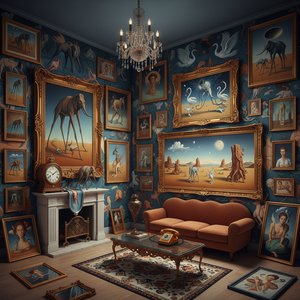
Salvador Dalí's Masterpieces: 25 Surrealist Visions for Your Home | ArtsDot
Journey into the surreal world of Salvador Dalí! Explore 25 iconic paintings—from 'The Persistence of Memory' to his boldest creations. Discover the stories behind these masterpieces & find museum-quality art reproductions for your home at ArtsDot.com.
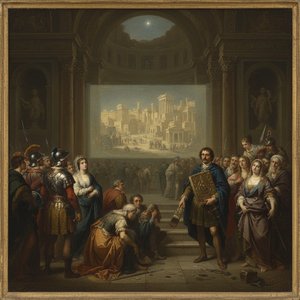
Hippolyte Delaroche: History Painting & the Spectacle of a Vanished Past
Explore the captivating historical paintings of Hippolyte Delaroche, a master of Romantic realism. Discover his dramatic scenes, meticulous detail & lasting influence on 19th-century art. Learn more at ArtsDot.

Jacopo Tintoretto's Masterpieces: 25 Paintings That Define Venetian Drama | ArtsDot
Explore 25 breathtaking masterpieces by Jacopo Tintoretto, the Venetian master of drama and light. Discover the stories behind iconic Renaissance paintings & find museum-quality art reproductions to elevate your home decor on ArtsDot.com.

Emblems of Belonging: Exploring Civic Pride Through Historical & Contemporary Artworks
Explore the evolution of civic art & its powerful role in shaping national identity. From Rembrandt to Monet, discover how masterpieces reflect community values and historical narratives. Learn more at ArtsDot.