 Preview
 Send
Send Share
Share
 Details

 Download
 Similars
 X-Ray
X-Ray Diaporama
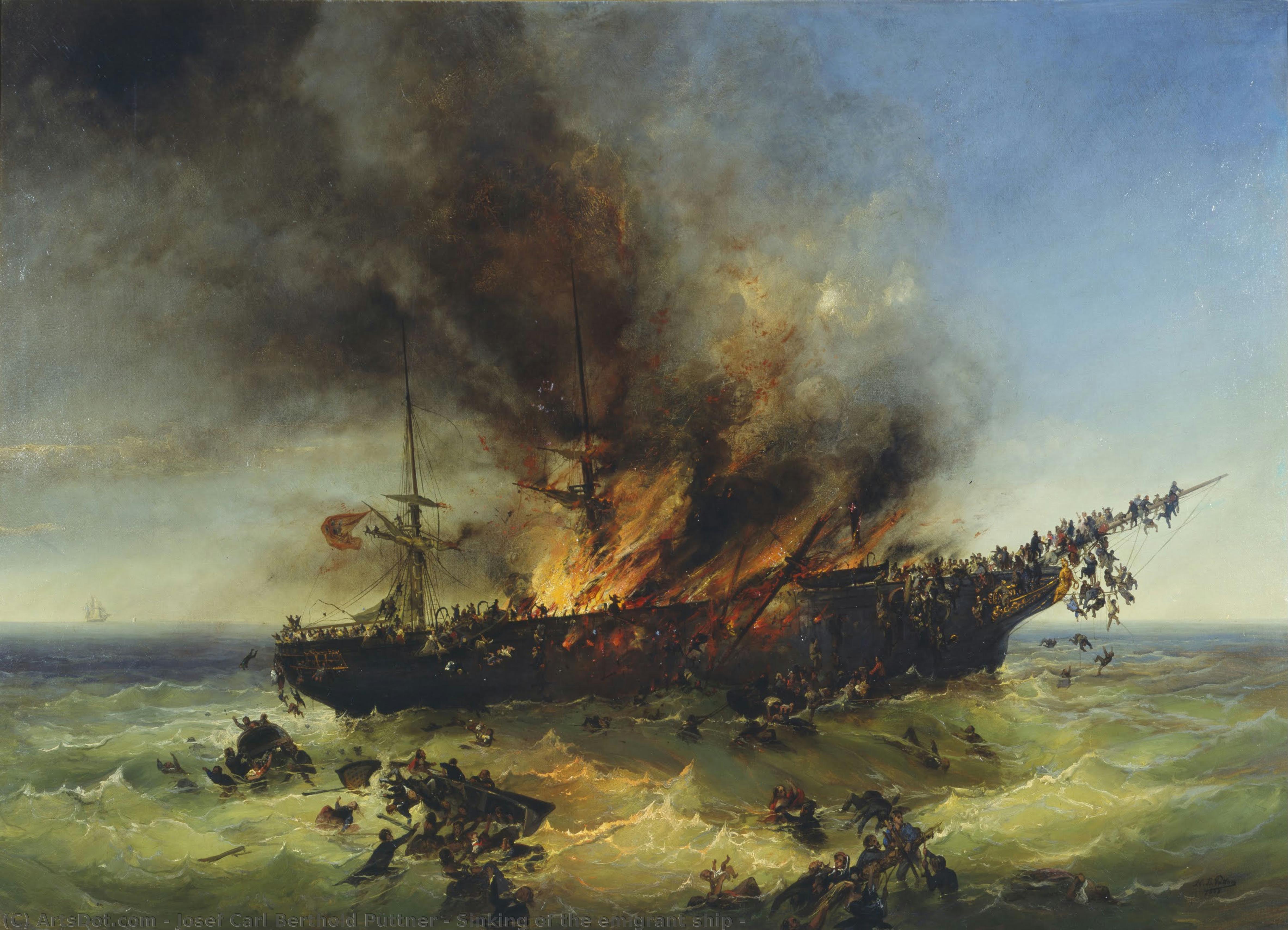
Sinking of the emigrant ship
 Oil On Canvas
- WallArt
- Romanticism
 1858
1858 112.0 x 154.0 cm
 German Historical Museum
 Read More
Hand Made Oil Reproduction
Hand-painted oil on canvas in your size and frame, made to order by our artists. ( Buy Print Buy Image)




P118B $10

P118H $10

P118W $10

P438Z $10

P508JH $12

P508YH $12

P805H $10

P805Z $10

P919BZ $10

P919G $10

P919XJ $10

P959ZH $10

P968JZ $12

W106C $8

W218G $10

W218JH $8

W218Y $10

W307PJ $10

W316G $10

W316PJ $8

W316Y $10

W398PJ $8

W4111J $10

W500HY $15

W500JH $15

W692G $12

W849H $8

W940BG $15

W953PJ $8




Pick from our preset sizes that match the artwork's original proportions.

You may enter your own dimensions to fit a specific frame or space. If your selected size does not match the original image's proportions, we will either crop the artwork or extend the painting with additional hand-painted elements. A digital mockup will be sent for your approval before production begins.
Please note that the on-screen preview does not reflect the actual cropping or extension. Only the mockup will accurately show the final composition.
While custom sizes are available, we recommend selecting a dimension from the predefined list to preserve the original proportions.
After order, ArtsDot.com team will email client for instructions and provide a mockup preview
Worldwide Delivery () in 3/4 weeks instead of standard 5 weeks. (17 August). No compromise on quality.

Free Worldwide Express Shipping

High-Quality Linen Canvas

Full Shipping Insurance

Customs Tax Refund Guarantee

True Color Matching Guarantee

60-Day Return Policy (Defects Only)

100% Money-Back Guarantee

Bulk Discount Offer
 Glass option is only available in size under 110 CM

Sinking of the emigrant ship
Reproduction Medium
Reproduction Size
-


Total Price
$ 263
Artwork Description
The Harrowing Reality of Emigration: Püttner's "Sinking of the Emigrant Ship"
Théodore Géricault’s “Sinking of the Emigrant Ship” (1858), a monumental oil on canvas measuring 112 x 154 cm, stands as a visceral testament to the perilous realities faced by those seeking new lives in the 19th century. Painted during a period of immense social upheaval and mass emigration, this artwork transcends mere historical documentation; it’s a profoundly moving exploration of human desperation, loss, and the fragility of hope. Josef Carl Berthold Püttner, working under Géricault's influence, masterfully captures the chaotic aftermath of a maritime disaster, offering a stark portrayal of a tragedy that unfolded with devastating frequency during this era.
- Subject Matter: The painting depicts the immediate consequences of an emigrant ship’s sinking in the unforgiving expanse of the ocean. It's not a heroic depiction of rescue or triumph, but rather a raw and unflinching portrayal of suffering and chaos.
- Historical Context: The mid-19th century witnessed unprecedented waves of emigration from Europe, driven by poverty, political unrest, and the promise of opportunity in the Americas. These voyages were notoriously dangerous, with countless ships lost at sea due to storms, disease, and inadequate provisions.
A Romantic Vision: Style and Technique
“Sinking of the Emigrant Ship” firmly establishes itself within the Romantic movement, rejecting the cool rationality of Neoclassicism in favor of intense emotion and dramatic subject matter. Püttner’s brushwork is characterized by a dynamic energy, evident in the swirling waves, the billowing flames consuming the ship, and the frantic movements of the figures. The composition itself is deliberately unbalanced, mirroring the instability and terror experienced by those aboard. The artist employs a tenebrist style – a dramatic contrast between light and dark – to heighten the emotional impact, focusing attention on key moments of despair and struggle. Note the use of impasto, particularly in the depiction of the flames, adding texture and emphasizing the destructive power of the event.
- Composition: The painting’s pyramidal structure draws the viewer's eye towards the central vortex of chaos, intensifying the sense of drama.
- Color Palette: Dominated by somber tones of grey, brown, and ochre, punctuated by flashes of fiery red and orange, the color scheme reinforces the themes of death, destruction, and despair.
Symbolism and Emotional Impact
Beyond its immediate depiction of a maritime disaster, “Sinking of the Emigrant Ship” is laden with symbolic meaning. The scattered bodies represent not only individual lives lost but also the shattered dreams and aspirations of those who sought a better future. The act of struggling to escape from the burning vessel embodies the universal human desire for freedom and survival. The sheer scale of the painting – nearly two meters tall – amplifies its emotional impact, immersing the viewer in the scene’s harrowing reality. It's a powerful reminder of the human cost of ambition and the unpredictable nature of fate.
- Human Figures: The numerous figures depicted represent the diverse nationalities and backgrounds of those who embarked on these perilous journeys – a microcosm of humanity facing its ultimate test.
- The Ship Itself: The decaying ship symbolizes not just physical destruction but also the collapse of hope and security.
A Timeless Masterpiece - Reproduction Options
ArtsDot offers meticulously crafted hand-painted reproductions of “Sinking of the Emigrant Ship,” allowing you to bring this powerful artwork into your home or office. Our skilled artisans employ traditional techniques, faithfully recreating Püttner’s dramatic style and capturing the painting's emotional intensity. Available in a range of sizes, including this stunning 112 x 154 cm edition, our reproductions are produced on high-quality canvas with archival inks, ensuring lasting beauty and value. This artwork is more than just a decoration; it’s a poignant historical statement and a testament to the enduring power of art to evoke empathy and reflection.
Related Artworks


Artist Biography
Théodore Géricault: A Titan of Romanticism
Théodore Géricault (1821 – 1874) stands as a pivotal figure in the transition from Neoclassicism to Romanticism, a painter whose turbulent life and intensely dramatic works profoundly shaped the course of French art. Born into a family with Huguenot roots—a Protestant minority fleeing religious persecution—Géricault’s early experiences instilled within him a deep sense of social awareness and a fascination with human suffering. His career, though tragically short, was marked by radical subject matter, innovative techniques, and an unwavering commitment to portraying the realities of his time, solidifying his legacy as one of the most important artists of the 19th century.Early Life and Influences
Géricault’s childhood in Paris was far from idyllic. His father, a shipowner, died when he was young, leaving him and his siblings in precarious circumstances. This early exposure to hardship fostered within him a keen empathy for the marginalized and oppressed—themes that would repeatedly surface in his art. He received limited formal artistic training, initially apprenticed to a painter of portraits and miniatures before pursuing his own path. Crucially, he studied anatomy at the École Royale des Beaux-Arts, driven by a desire to accurately depict the human form, particularly in moments of intense emotion. His exposure to the works of Michelangelo—particularly the dynamism and emotional power of *The Pietà*—proved profoundly influential, shaping his approach to composition and dramatic storytelling. The influence of classical sculpture was also significant, informing his understanding of anatomy and ideal forms, which he then deliberately subverted in his own work.The Revolutionary Years: *Le Radeau de la Méduse* and Beyond
Géricault’s career truly ignited with the completion of *Le Radeau de la Méduse* (1819-1823), a monumental painting depicting the harrowing aftermath of the French frigate *Méduse*'s shipwreck in 1816. The ship, carrying colonists to Senegal, ran aground due to incompetence and negligence, leaving over 150 passengers adrift on a makeshift raft. Géricault meticulously researched the event, interviewing survivors and studying corpses in hospitals to capture the physical and psychological devastation of starvation, thirst, and despair. This work was not merely a historical depiction; it served as a searing indictment of governmental corruption and indifference. The painting’s raw realism, its unflinching portrayal of human suffering, and its monumental scale shocked audiences and established Géricault as a voice for the voiceless. Following *Le Radeau de la Méduse*, Géricault continued to explore themes of social injustice and mortality. He produced a series of powerful lithographs documenting the plight of London’s poor—a stark contrast to the idealized depictions of urban life favored by Neoclassical artists. He also embarked on a deeply personal project: *The Apotheosis of Homer* (1824-1827), a massive group portrait celebrating the Greek poet, which he ultimately abandoned due to its overly formal and celebratory nature. This experience highlighted his growing dissatisfaction with traditional artistic conventions and his desire for greater emotional honesty.Technique and Style: A Synthesis of Realism and Romanticism
Géricault’s style was characterized by a remarkable synthesis of realism and Romanticism. He meticulously studied anatomy, employing rigorous observation to render the human form with unprecedented accuracy. However, he rejected the smooth surfaces and idealized forms of Neoclassicism in favor of dynamic brushwork, dramatic chiaroscuro (contrast between light and dark), and intense color palettes—techniques borrowed from Caravaggio and Turner. His paintings are imbued with a palpable sense of movement and energy, reflecting the turbulent emotions he sought to convey. He utilized large-scale canvases, often employing a pyramidal composition to create a sense of grandeur and drama. His use of *grisaille* (monochromatic underpainting) allowed him to build up complex tonal values before applying color, contributing to the dramatic intensity of his works.Legacy and Historical Significance
Théodore Géricault’s impact on art history is undeniable. He shattered the conventions of academic painting by embracing contemporary subjects, depicting human suffering with unflinching honesty, and prioritizing emotional expression over formal perfection. *Le Radeau de la Méduse* remains a landmark achievement in the history of art, demonstrating the power of painting to expose social injustice and evoke profound empathy. His influence extended far beyond his own lifetime, inspiring generations of artists—including Delacroix, Manet, and Courbet—to challenge established norms and explore new modes of artistic expression. Géricault’s legacy lies not only in his individual masterpieces but also in his pioneering spirit and his unwavering commitment to portraying the complexities and contradictions of the human experience. He is remembered as a true revolutionary, a titan of Romanticism who forever altered the landscape of French art.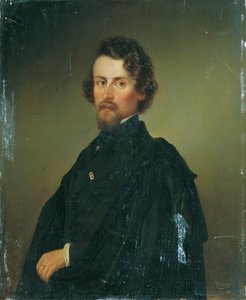
josef carl berthold püttner
1821 - 1881 , Czech Republic
Quick Facts
- Artistic Movement Or Style: Romanticism
- Artists Or Movements Influenced By This Artist:
- Romanticism
- Delacroix
- Artists Who Influenced This Artist:
- Michelangelo
- David
- Ingres
- Date Of Birth: 1821
- Date Of Death: 1881
- Full Name: Théodore Géricault
- Nationality: French
- Notable Artworks:
- Raft of the Medusa
- Charging Chasseur
- The Shipwrecked Sailors
- Place Of Birth: Paris, France
Related Articles

Shipping & Returns
APS delivers expert worldwide art shipping with museum-grade care, full tracking, and a 30-day money-back guarantee. From customs support to Priority Production, trust transparent service, secure packaging, and reliable delivery for collectors, designers, and galleries.

Giclée Prints: Archival Quality & Aesthetic Nuances for the Discerning Collector
Explore the world of giclée prints with ArtsDot. Learn about archival quality, aesthetic nuances & investment potential. Expert guidance for discerning art collectors seeking museum-quality reproductions and lasting value.

Romantic Realism's Finest: 10 Masterpieces for Your Home | ArtsDot
Explore 10 defining masterpieces of Romantic Realism! Discover Courbet, Millet & Daumier's powerful paintings—capturing emotion and social realities. Find museum-quality reproductions for your home at ArtsDot.com.

Echoes of Time: Exploring the Enduring Appeal & Historical Context of Vintage Art Prints
Explore the captivating world of vintage art prints! Discover their history, collecting tips & enduring appeal. Expert insights on chromolithography and building a legacy collection with ArtsDot.

The Enduring Legacy of Fine Art Prints: Technique, History & Aesthetic Impact
Explore the rich history & techniques of fine art prints. Discover investment potential, assess authenticity, and learn how to preserve your collection with expert guidance. Trusted insights for discerning collectors.