 Preview
 Send
Send Share
Share
 Details

 Download
 Similars
 X-Ray
X-Ray Diaporama
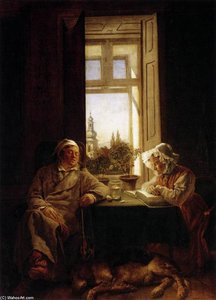
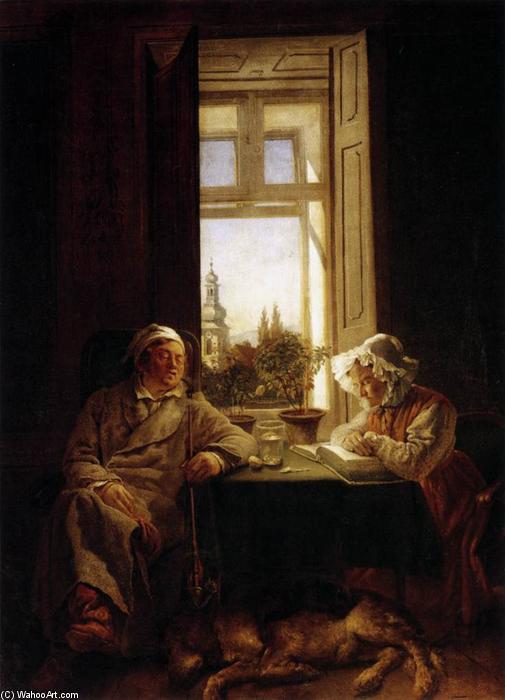
Siesta (The Sleepers)


 Read More
Giclée / Art Print
Museum-quality giclée or canvas print with fast production and flexible finish options. ( Buy Hand Made Painting Buy Image)




P118B $10

P118H $10

P118W $10

P438Z $10

P508JH $12

P508YH $12

P805H $10

P805Z $10

P919BZ $10

P919G $10

P919XJ $10

P959ZH $10

P968JZ $12

W106C $8

W218G $10

W218JH $8

W218Y $10

W307PJ $10

W316G $10

W316PJ $8

W316Y $10

W398PJ $8

W4111J $10

W500HY $15

W500JH $15

W692G $12

W849H $8

W940BG $15

W953PJ $8




Pick from our preset sizes that match the artwork's original proportions.

You may enter your own dimensions to fit a specific frame or space. If your selected size does not match the original image's proportions, we will either crop the artwork or extend the image with a mirrored or solid-fill edge. A digital mockup will be sent for your approval before production begins.
Please note that the on-screen preview does not reflect the actual cropping or extension. Only the mockup will accurately show the final composition.
While custom sizes are available, we recommend selecting a dimension from the predefined list to preserve the original proportions.
Worldwide Delivery () in 2 weeks instead of standard 4/5 weeks. (21 August)

Free Worldwide Express Shipping

High-Quality Linen Canvas

Full Shipping Insurance

Customs Tax Refund Guarantee

True Color Matching Guarantee

60-Day Return Policy (Defects Only)

100% Money-Back Guarantee

Bulk Discount Offer
 Glass option is only available in size under 110 CM

Siesta (The Sleepers)
Giclée / Art Print
Reproduction Size
-


Total Price
$ 63
Collectible Description
Siesta (The Sleepers) – A Moment of Tranquility Captured in Pastel Hues
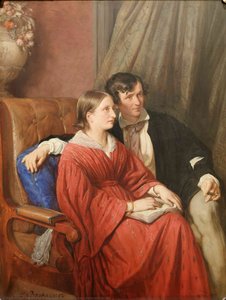
Josef Franz Danhauser’s “Siesta” stands as a quintessential example of Biedermeier art—a movement characterized by its understated elegance and focus on domestic life. Completed in 1831, this pastel painting resides within the Szépmûvészeti Múzeum in Budapest, Hungary, offering viewers an intimate glimpse into a serene tableau of companionship.
Danhauser’s masterful use of color is immediately striking. Predominantly bathed in soft hues—pale yellows, creams, and muted pinks—the palette evokes the warmth of sunlight filtering through a window onto a comfortable interior space. These pastel shades contribute significantly to the painting's overall mood of calm repose.
Composition and Technique – Observing Detail
The composition is carefully balanced, centering on two figures seated upon a bench beneath an arched window. A man, dressed in brown attire, reclines with his head resting against the backrest—a posture conveying profound relaxation. Beside him sits a woman, adorned in a crimson gown, absorbed in reading a book; her gaze directed intently towards the text exemplifies concentration and intellectual engagement.
Danhauser’s technique is notable for its meticulous attention to detail. The artist skillfully employs hatching and blending—characteristic of pastel painting—to create subtle gradations of tone and texture. Light plays across the surfaces of the figures and the window frame, enhancing depth and realism while simultaneously reinforcing the feeling of warmth.
Historical Context – Romanticism’s Embrace of Everyday Life
“Siesta” emerged during a period marked by significant artistic innovation—the Romantic era. Unlike preceding Neoclassical styles that prioritized grandeur and idealized forms, Romantic artists sought inspiration in nature and explored themes of emotion and subjectivity. Danhauser's depiction of ordinary human interaction aligns perfectly with this movement’s fascination for capturing authentic moments of life.
The inclusion of a dog nestled at the feet of the figures adds to the painting’s idyllic atmosphere, symbolizing loyalty and companionship—values central to Romantic ideals. Furthermore, the window framing the scene serves as a visual conduit to the outside world, subtly suggesting an urban setting yet emphasizing the importance of domestic tranquility.
Symbolism – Restorative Beauty
Beyond its aesthetic qualities, “Siesta” carries symbolic resonance. The act of sleeping represents respite from worldly concerns and embodies the pursuit of inner peace—a theme frequently explored in Romantic art. Danhauser’s portrayal of a couple sharing a moment of quiet contemplation underscores the significance of human connection and reinforces the painting's overarching message of serenity.
Ultimately, “Siesta” transcends mere representation; it aspires to evoke emotion and inspire contemplation. Danhauser’s masterful blending of technique and symbolism secures its place as a timeless masterpiece—a testament to the enduring power of art to capture beauty and convey profound human experience.
Related Artworks

Artist Biography
Charles Gough: A Romantic Martyr of the Lake District
The story of Charles Gough is a haunting one, inextricably linked to the dramatic beauty and perilous landscapes of the English Lake District. Born in 1784, Gough was an artist whose talent, tragically, was cut short by a fatal encounter with the unforgiving terrain of Helvellyn in April 1805. While his life remains shrouded in mystery—a lack of extensive documentation contributing to the enduring fascination surrounding his death—his brief career as a landscape painter reveals a sensitivity and evocative style that aligns him firmly within the burgeoning Romantic movement.
Gough’s early years were marked by a somewhat unconventional upbringing. He was apprenticed to a local artist, likely in Manchester, where he honed his skills before venturing into the wilds of Cumbria. His decision to undertake a solitary walk across Helvellyn, a notoriously challenging peak, is itself intriguing. Accounts suggest he was commissioned to create a study of the area for another artist, but his adventurous spirit and perhaps a desire for independent exploration led him to embark on this risky expedition. The circumstances surrounding his death—discovered skeletal with his dog Foxie guarding his remains – fueled speculation and romanticized notions of a tragic hero sacrificed to the grandeur of nature. The discovery of his possessions – fishing tackle, a gold watch, silver pencil, and two glasses – further added to the mystique, suggesting a man prepared for both artistic pursuits and solitary adventure.
Influences and Artistic Style
Gough’s work demonstrates a clear debt to earlier landscape painters, particularly those who embraced the sublime qualities of nature. His style is characterized by a delicate handling of watercolor, capturing the atmospheric conditions and subtle shifts in light that define the Lake District's ethereal beauty. While his output was limited—only a handful of known works survive—they reveal an artist deeply attuned to the emotional resonance of the landscape. There’s a certain melancholy and introspection present in his compositions, reflecting perhaps the isolation and vulnerability experienced by a solitary traveler amidst such vastness.
Interestingly, Gough's work shares stylistic similarities with Jean-Baptiste Greuze, a prominent French painter known for his sentimental genre scenes. Both artists focused on capturing human emotion within domestic settings, albeit in vastly different landscapes. The influence of Dutch Golden Age landscape painting is also evident in Gough’s compositions—a tradition emphasizing atmospheric perspective and the depiction of natural beauty.
A Legacy Forged in Tragedy
Despite his tragically short life, Charles Gough's death quickly transformed him into a Romantic icon. The sensational details surrounding his discovery – the skeletal remains, the loyal dog guarding the body – captivated the public imagination and fueled numerous poems, ballads, and artistic interpretations. Artists like William Blake created engravings based on the story, solidifying Gough’s image as a martyr to the beauty and danger of nature. This romanticized narrative served to elevate his brief career, transforming him from an unknown artist into a symbol of Romantic ideals – courage, solitude, and the sublime power of the natural world.
The enduring fascination with Gough's story speaks to our continuing attraction to tales of tragic heroes and the allure of wild landscapes. His fate serves as a poignant reminder of the risks inherent in pursuing artistic vision and the profound connection between humanity and the environment.
Connections to Other Artists
- William Blake: Blake’s engravings based on Gough's story are a direct reflection of the Romantic fascination with his fate.
- Jean-Baptiste Greuze: Shared interest in capturing human emotion within domestic settings, though in vastly different landscapes.
- Henry Fuseli: Both artists explored themes of darkness, the supernatural, and the power of nature – although Fuseli’s work is more overtly fantastical.
Gough's legacy endures not through a substantial body of work, but through the enduring myth surrounding his death—a testament to the Romantic sensibility’s fascination with tragedy, beauty, and the untamed wilderness.
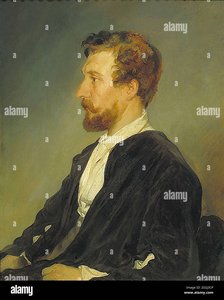
josef franz danhauser
1805 - 1845 , Austria
Quick Facts
- Artistic Movement Or Style: Romanticism
- Artists Who Influenced This Artist: ['None],\n "Artists or movements influenced by this artist": [Jean-Baptiste Greuze']
- Date Of Birth: 1784
- Date Of Death: April 1805
- Full Name: Charles Gough
- Nationality: British
- Notable Artworks:
- Striding Edge
- Helvellyn
- Place Of Birth: Manchester, England
Related Articles

Romantic Landscapes: 10 Masterpieces for Your Home | ArtsDot
Journey through 10 Romantic landscape masterpieces by Friedrich, Turner & Cole. Explore emotional art, sublime nature scenes & iconic 19th-century paintings. Find museum-quality reproductions for your home at ArtsDot.com – discover the full collection online!

Beyond the Horizon: 10 Landscape Masterpieces for Your Home Decor
Journey through 10 breathtaking landscape paintings by Monet, Van Gogh & more! Explore iconic artworks, artistic techniques & find inspiration for your home decor. Museum-quality reproductions at ArtsDot.com. Discover all masterpieces on ArtsDot.com

Evocations of Place: A Historical Journey Through Landscape Art
Explore the rich history of landscape art with ArtsDot. Discover renowned artists, movements like Impressionism & Romanticism, and expert guidance for collecting timeless pieces. Find your perfect serene escape today!

John Constable's Masterpieces: Explore 25 Iconic Landscapes for Your Home
Journey through John Constable's 25 most celebrated landscapes. Explore Romanticism, Dedham Vale & his masterful use of light in iconic paintings like 'Hay Wain'. Find museum-quality art reproductions and elevate your home decor on ArtsDot.com.

The Sublime and the Picturesque: Exploring Emotion & Nature in Romantic Landscape Painting
Explore the emotional power of Romantic landscape painting! Discover the sublime & picturesque traditions, key artists like Friedrich & Cole, and find your perfect artwork at ArtsDot.