 Preview
 Send
Send Share
Share
 Details

 Download
 Similars
 X-Ray
X-Ray Diaporama
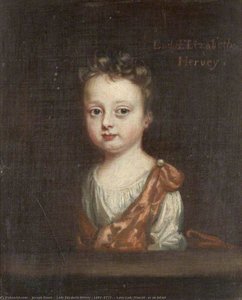
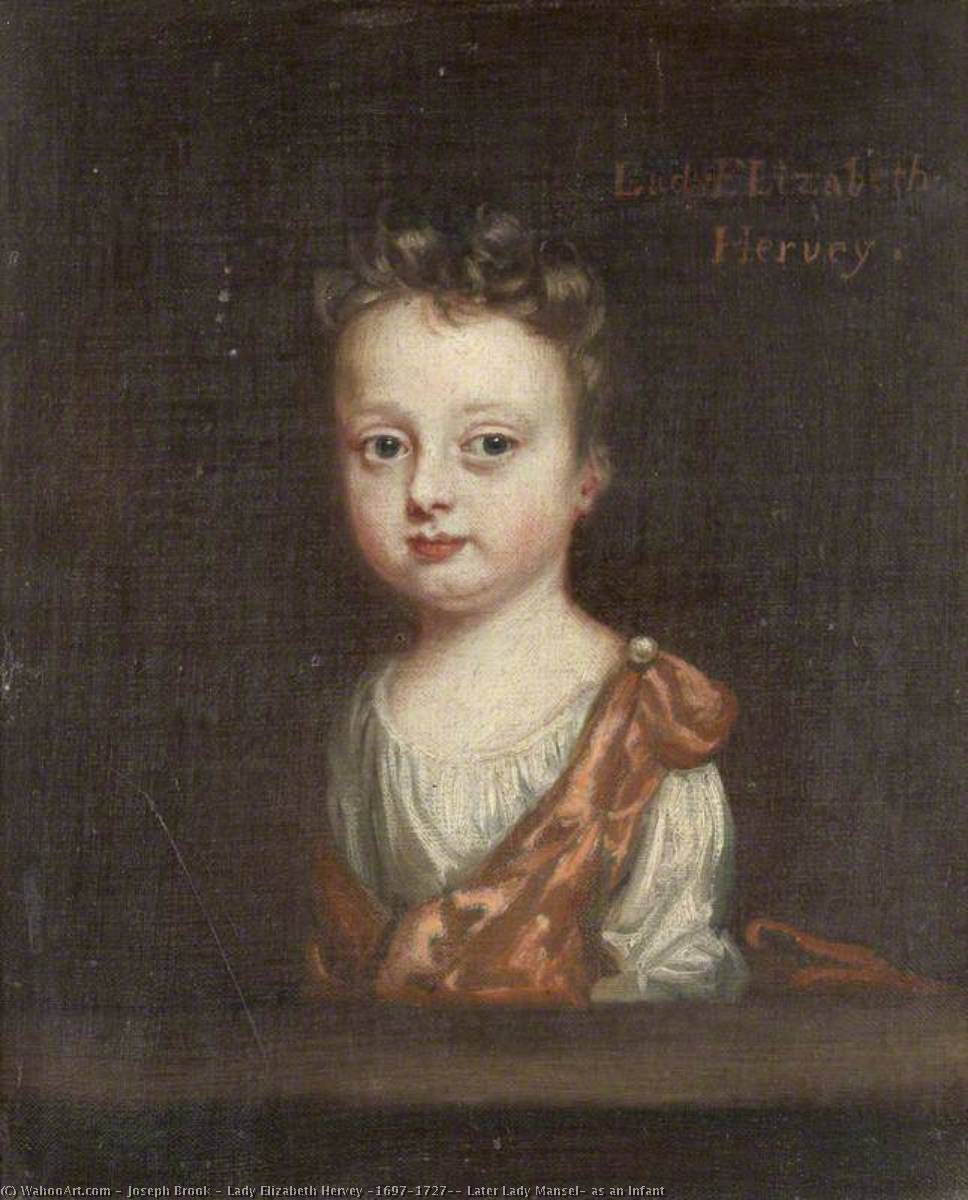
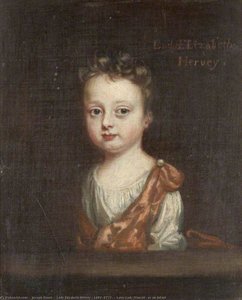
Lady Elizabeth Hervey (1697–1727), Later Lady Mansel, as an Infant
 1700
1700 29.0 x 24.0 cm
 Read More
Hand Made Oil Reproduction
Hand-painted oil on canvas in your size and frame, made to order by our artists. ( Buy Print Buy Image)




































Pick from our preset sizes that match the artwork's original proportions.

You may enter your own dimensions to fit a specific frame or space. If your selected size does not match the original image's proportions, we will either crop the artwork or extend the painting with additional hand-painted elements. A digital mockup will be sent for your approval before production begins.
Please note that the on-screen preview does not reflect the actual cropping or extension. Only the mockup will accurately show the final composition.
While custom sizes are available, we recommend selecting a dimension from the predefined list to preserve the original proportions.
After order, ArtsDot.com team will email client for instructions and provide a mockup preview
Worldwide Delivery () in 3/4 weeks instead of standard 5 weeks. (30 August). No compromise on quality.

Free Worldwide Express Shipping

High-Quality Linen Canvas

Full Shipping Insurance

Customs Tax Refund Guarantee

True Color Matching Guarantee

60-Day Return Policy (Defects Only)

100% Money-Back Guarantee

Bulk Discount Offer
 Glass option is only available in size under 110 CM

Lady Elizabeth Hervey (1697–1727), Later Lady Mansel, as an Infant
Reproduction Medium
Reproduction Size
-


Total Price
$ 263
Related Artworks





Artist Biography
The Elegance of an Era: The Artistry of Joseph Brook
In the delicate tapestry of eighteenth-century British art, few names evoke the quiet grandeur of the Georgian period quite like Joseph Brook. An artist whose brush captured the very essence of aristocratic grace and the tender vulnerability of youth, Brook operated within a world of refined sensibilities and burgeoning realism. His work serves as a window into an age defined by both rigid social hierarchies and a deep, burgeoning appreciation for the individual spirit. Through his mastery of portraiture, he did not merely record faces; he preserved the fleeting dignity of a bygone era, imbuing his subjects with a timelessness that transcends the centuries.
The legacy of Brook is most profoundly felt in his ability to navigate the diverse spectrums of his subjects, from the high-born nobility to the earthy, spirited realism of equestrian life. His technical prowess was particularly evident in his command of light and texture, a skill that allowed him to render the heavy silks of a lady's gown or the soft, porcelain skin of an infant with equal breathtaking precision. There is a palpable sense of intimacy in his compositions, as if the viewer has been granted a private moment into the lives of the 1700s elite.
Mastery of Form and Subject
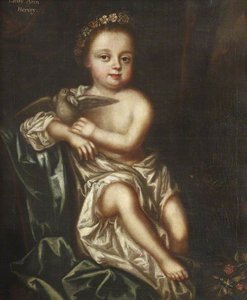
Brook’s oeuvre is characterized by a remarkable versatility that allowed him to move seamlessly between the miniature and the grand oil painting. His approach to portraiture often leaned toward a sophisticated realism, where every detail served to tell a story of status, lineage, or character. One might observe his Baroque miniatures, such as the exquisite depiction of Lady Anne Hervey, where the meticulous attention to detail captures a sense of youthful elegance and historical weight. In these smaller works, Brook demonstrated an incredible ability to convey depth and emotion within a confined space, making each piece a jewel-like treasure of historical record.
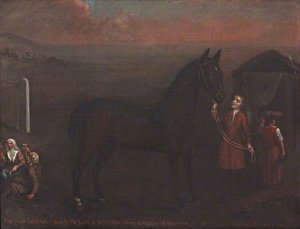
Beyond the intimate confines of portraiture, Brook also explored the more dynamic and rugged aspects of contemporary life. His 1716 oil painting, A Horse Called 'Wenn', with His Groom and Other Figures, at Newmarket, stands as a testament to his ability to capture movement and atmosphere. In this work, the artist moves away from the polished stillness of the court to embrace a more grounded, earthy palette. Here, the interplay of light and shadow brings a sense of vitality to the equestrian scene, showcasing a mastery of composition that balances human figures with the powerful presence of the animal subjects.
A Lasting Historical Impression
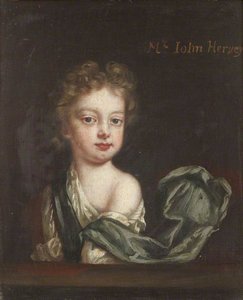
The historical significance of Joseph Brook lies in his role as a chronicler of the British social fabric during a transformative period. His portraits of prominent families—such as the Hervey lineage—provide invaluable genealogical and cultural insights, documenting the faces of those who shaped the political and social landscape of the eighteenth century. By capturing subjects like Lord John Hervey or Lady Elizabeth Hervey in their most formative years, he created a visual archive of childhood innocence set against the backdrop of aristocratic expectation.
While the specific biographical details of his early life remain shrouded in the mists of time, the enduring impact of his aesthetic remains clear. His work represents a bridge between the formal traditions of the late seventeenth century and the more naturalistic movements that would follow. Today, as we look upon his canvases, we see more than just historical artifacts; we encounter a profound artistic vision that continues to resonate with anyone moved by the beauty of realism and the enduring power of the human portrait.
joseph brook
1725
Quick Facts
- Artistic Movement Or Style: Baroque and Realism
- Date Of Death: 1725
- Full Name: Joseph Brook
- Nationality: British
- Notable Artworks:
- Lady Anne Hervey
- A Horse Called 'Wenn'
- Lady Elizabeth Hervey