 Preview
 Send
Send Share
Share
 Details

 Download
 Similars
 X-Ray
X-Ray Diaporama
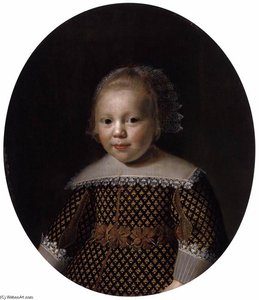
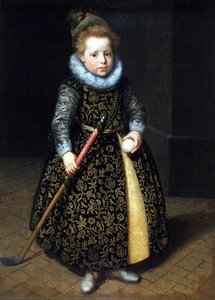
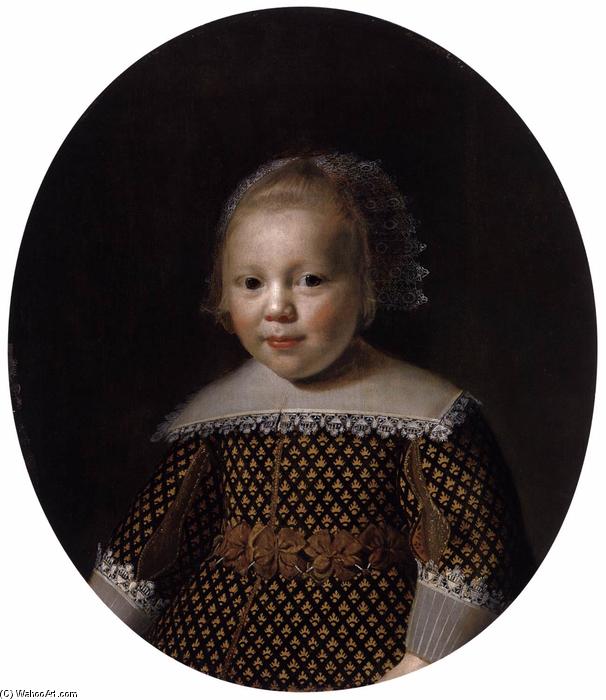
Portrait of a Young Boy
 Acrylic On Canvas
- WallArt
- Dutch Golden Age Portraiture
 1630
1630 58.0 x 50.0 cm
 Metropolitan Museum of Art
 Read More
Hand Made Oil Reproduction
Hand-painted oil on canvas in your size and frame, made to order by our artists. ( Buy Print Buy Image)




P118B $10

P118H $10

P118W $10

P438Z $10

P508JH $12

P508YH $12

P805H $10

P805Z $10

P919BZ $10

P919G $10

P919XJ $10

P959ZH $10

P968JZ $12

W106C $8

W218G $10

W218JH $8

W218Y $10

W307PJ $10

W316G $10

W316PJ $8

W316Y $10

W398PJ $8

W4111J $10

W500HY $15

W500JH $15

W692G $12

W849H $8

W940BG $15

W953PJ $8




Pick from our preset sizes that match the artwork's original proportions.

You may enter your own dimensions to fit a specific frame or space. If your selected size does not match the original image's proportions, we will either crop the artwork or extend the painting with additional hand-painted elements. A digital mockup will be sent for your approval before production begins.
Please note that the on-screen preview does not reflect the actual cropping or extension. Only the mockup will accurately show the final composition.
While custom sizes are available, we recommend selecting a dimension from the predefined list to preserve the original proportions.
After order, ArtsDot.com team will email client for instructions and provide a mockup preview
Worldwide Delivery () in 3/4 weeks instead of standard 5 weeks. (16 August). No compromise on quality.

Free Worldwide Express Shipping

High-Quality Linen Canvas

Full Shipping Insurance

Customs Tax Refund Guarantee

True Color Matching Guarantee

60-Day Return Policy (Defects Only)

100% Money-Back Guarantee

Bulk Discount Offer
 Glass option is only available in size under 110 CM

Portrait of a Young Boy
Reproduction Medium
Reproduction Size
-


Total Price
$ 263
Artwork Description
A Window into Seventeenth-Century Dutch Life: The Portrait of a Young Boy by Paulus Moreelse
Paulus Moreelse’s “Portrait of a Young Boy,” painted around 1630, is more than just a depiction of childhood; it's a meticulously crafted window into the social and artistic landscape of early modern Netherlands. This captivating work, now housed in a private collection, offers a rare glimpse into the burgeoning world of Dutch portraiture during the Golden Age – an era defined by its wealth, artistic innovation, and a profound interest in capturing individual character.
Moreelse, a prominent Utrecht painter, belonged to a generation deeply influenced by the legacy of Italian Renaissance masters like Caravaggio. However, he skillfully adapted these influences to create a distinctly Dutch style characterized by a dramatic use of light and shadow, a focus on realism, and an intimate portrayal of his subjects. The painting’s composition immediately draws the eye to the young boy, presented in a circular format – a technique common at the time that emphasized the subject's importance and created a sense of immediacy. His direct gaze invites the viewer into the scene, fostering a connection that transcends centuries.
The Details of Dress and Symbolism
The boy’s attire is remarkably detailed, offering valuable insights into 17th-century fashion and social status. He wears a richly patterned bodice dress in shades of brown and gold, adorned with lace – a testament to the wealth and refinement of his family. The white collar, also embellished with delicate lace, further underscores this sense of elegance. Notably, a ribbon tied around his neck suggests a formal occasion or portrait session, hinting at a special event or perhaps even a symbolic representation of youth and innocence.
Beyond mere clothing, the details within the portrait are laden with symbolism. The boy’s fair skin and light-colored hair reflect the prevailing ideals of beauty during this period – pale complexions were associated with nobility and refinement. His small smile conveys an air of gentle curiosity and perhaps even a touch of mischief, capturing the fleeting emotions characteristic of childhood. The dark background serves to further highlight the boy's features, drawing attention to his expressive eyes and youthful countenance.
Caravaggism in Utrecht: Light and Shadow
Moreelse’s masterful use of light and shadow is a hallmark of Caravaggio’s influence and a defining characteristic of Dutch Golden Age painting. He employs chiaroscuro – the dramatic contrast between light and dark – to sculpt the boy's face, creating a sense of depth and volume. The subtle gradations of light illuminate his features, emphasizing his youthful vitality while simultaneously casting shadows that add mystery and intrigue. This technique not only enhances the realism of the portrait but also imbues it with an emotional resonance, evoking feelings of warmth, tenderness, and perhaps even nostalgia.
The painting’s style aligns closely with Utrecht Caravaggism, a regional variation of the Italian master's techniques that flourished in the Netherlands. Utrecht artists like Moreelse embraced Caravaggio’s bold approach to light and shadow, adapting it to their own artistic sensibilities and creating a uniquely Dutch interpretation of this influential style.
A Timeless Portrait: Reproduction and Beyond
Reproductions of “Portrait of a Young Boy” offer an exceptional opportunity to bring this captivating work into your home or office. The meticulous detail, evocative lighting, and profound sense of character captured by Moreelse continue to resonate with viewers today. Whether you’re an art enthusiast, a collector seeking a piece of Dutch history, or simply someone looking for a beautiful and inspiring addition to your space, this portrait is sure to captivate and delight.
Consider commissioning a hand-painted reproduction – a faithful recreation that preserves the original's beauty and authenticity. This ensures that you own a truly unique piece of art, connecting you directly to the artistic legacy of Paulus Moreelse and the vibrant world of 17th-century Netherlands.
Related Artworks
Artist Biography
Michelangelo Merisi da Caravaggio: A Revolutionary of Light and Shadow
Michelangelo Merisi, better known as Caravaggio, remains one of the most enigmatic and influential figures in art history. Born in Milan around 1571, his life was a whirlwind of dramatic events—a volatile temper, brushes dipped in both brilliance and blood, and a legacy that continues to captivate audiences centuries later. His journey from a relatively obscure Lombard painter to a celebrated master in Rome is a testament to his raw talent, audacious techniques, and the profound impact he had on the course of Western art. Caravaggio’s story is not simply one of artistic achievement; it's a tale interwoven with scandal, violence, and ultimately, an enduring fascination.Early Life and Training: Milan and the Seeds of Innovation
Caravaggio’s early life remains shrouded in some mystery, though we know he was born into a family connected to the powerful Sforza and Colonna families of Lombardy. His father, Fermo Merisi, worked as a household administrator for the Marchese of Caravaggio, and his mother, Lucia Aratori, came from a prosperous family within the same district. He received an apprenticeship in Milan under Simone Peterzano, a follower of Titian, during which he spent four years honing his skills. This period exposed him to the prevailing artistic conventions of the time – a style characterized by elegance, balance, and a focus on idealized forms. However, even at this early stage, Caravaggio demonstrated a willingness to deviate from established norms, hinting at the revolutionary approach that would soon define his work. The influence of Leonardo da Vinci’s Last Supper, viewed during his formative years in Milan, is often cited as a key factor in shaping his later dramatic compositions and innovative use of perspective.Rome: A Crucible of Talent and Turmoil
In 1592, Caravaggio fled Milan for Rome, arriving amidst the city’s vibrant artistic scene and seeking refuge from unspecified “quarrels.” He quickly found himself working as a studio assistant for Giuseppe Cesari, a successful painter employed by Pope Clement VIII. This period was marked by hard labor and limited recognition, but it provided him with invaluable experience and access to influential patrons. Crucially, he began experimenting with his own style, producing works like *The Boy Bitten by a Lizard* (circa 1594), which showcased his distinctive use of tenebrism – a dramatic contrast between light and dark—and his penchant for depicting ordinary people in extraordinary circumstances. This marked a decisive break from the idealized figures prevalent in much of Renaissance art, as Caravaggio deliberately chose models with rough features and unrefined appearances, imbuing them with an unprecedented sense of immediacy and realism.The Revolutionary Technique: Tenebrism and Naturalistic Detail
Caravaggio’s artistic innovations extended far beyond his choice of subjects and modeling techniques. His mastery of *chiaroscuro*, the manipulation of light and shadow, was utterly transformative. He employed a technique known as tenebrism, where dark shadows dominate the scene, plunging figures into near-total darkness while highlighting key elements with intense pools of light. This created a dramatic, theatrical effect that heightened emotional impact and drew the viewer’s eye to specific points within the composition. Furthermore, Caravaggio meticulously observed and rendered details—the texture of fabrics, the wrinkles on faces, the sheen of metal—with astonishing accuracy. He painted directly onto the canvas, often without preliminary sketches, allowing for a spontaneous and intensely personal approach. This technique, combined with his use of live models, resulted in paintings that felt remarkably immediate and alive, as if capturing fleeting moments of human experience.Later Years and Legacy: Scandal, Exile, and Enduring Influence
Caravaggio’s life took a dark turn in 1606 when he was involved in a violent altercation resulting in the death of a young man. Rather than face justice, he fled Rome, traveling through Naples, Malta, and Sicily. In Malta, his volatile temper led to another conflict, culminating in his expulsion from the Knights of St. John. He eventually returned to Naples, where he was fatally wounded during a brawl. Caravaggio died in Porto Ercole, Tuscany, in 1610, leaving behind a relatively small body of work but an immeasurable impact on subsequent generations of artists. His influence can be seen in the works of Rembrandt, Velázquez, Géricault, and countless others who adopted his dramatic lighting, realistic portrayal of figures, and innovative approach to composition. Caravaggio’s legacy extends beyond painting; he fundamentally altered the way artists approached representation, shifting the focus from idealized beauty to the raw realities of human experience—a shift that continues to resonate with audiences today. His paintings remain intensely powerful, evoking a sense of drama, emotion, and timeless relevance.
paulus moreelse
1571 - 1638 , Netherlands
Quick Facts
- Artistic Movement Or Style: Baroque; Tenebrism
- Artists Or Movements Influenced By This Artist:
- Rembrandt
- Velázquez
- Géricault
- Artists Who Influenced This Artist:
- Titian
- Giorgione
- Date Of Birth: September 29, 1571
- Date Of Death: July 18/19, 1610
- Full Name: Michelangelo Merisi da Caravaggio
- Nationality: Italian
- Notable Artworks:
- The Calling of Saint Matthew
- Supper at Emmaus
- David and Goliath
- Death of the Virgin
- Place Of Birth: Milan, Italy
Related Articles
Masterpieces of the 17th Century: Art, History & Decor Inspiration | ArtsDot
Journey through 17th century art with masterpieces by Rembrandt, Vermeer & Caravaggio. Explore Baroque paintings, Dutch Golden Age techniques & timeless beauty. Find museum-quality reproductions and elevate your home decor on ArtsDot.com.
Illuminating a Century of Change: Artistic Expression & Societal Shifts in 17th-Century Europe
Explore the artistic brilliance of the 17th-century Dutch Golden Age & Baroque period. Discover Rembrandt, genre painting, and chiaroscuro techniques. Expert insights for art lovers & collectors.

Dutch Baroque Masters: 10 Paintings That Shaped an Era | ArtsDot
Journey through the Golden Age with our guide to the Top 10 Dutch Baroque masterpieces! Explore iconic paintings by Rembrandt, Vermeer & Frans Hals. Find museum-quality art reproductions and elevate your home decor at ArtsDot.com.

Golden Age Reflections: Dutch Baroque Painting & Cultural Innovation
Explore the Dutch Golden Age of painting! Discover key artists like Vermeer & ter Borch, their innovative techniques, and the rich cultural context behind these Baroque masterpieces. Learn about collecting & appreciating this iconic art period.

Dutch Masters: 10 Golden Age Paintings That Still Inspire |
Journey into the Dutch Golden Age! Explore 10 iconic paintings by Rembrandt, Vermeer & Hals. Discover the stories behind these Baroque masterpieces and find museum-quality art reproductions to elevate your home decor on .