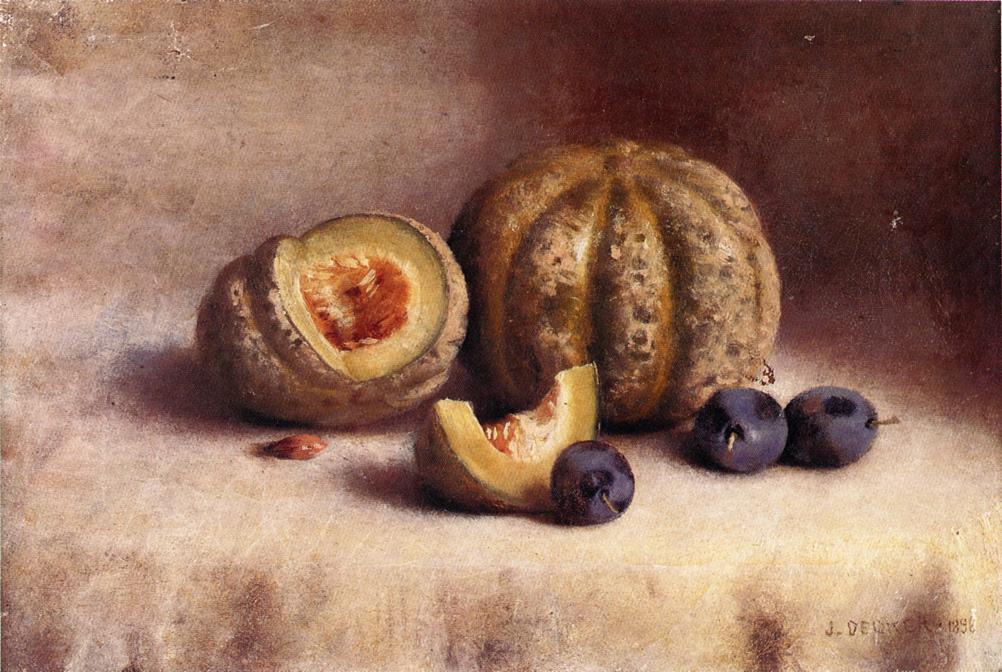
 Preview
 Send
Send Share
Share
 Details

 Download
 Similars
 X-Ray
X-Ray Diaporama
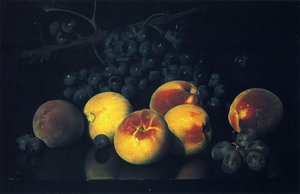
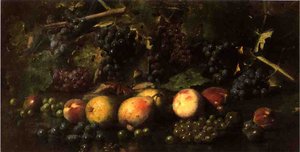
Still Life with Plums and Melons


 Read More
Hand Made Oil Reproduction
Hand-painted oil on canvas in your size and frame, made to order by our artists. ( Buy Print Buy Image)




P118B $10

P118H $10

P118W $10

P438Z $10

P508JH $12

P508YH $12

P805H $10

P805Z $10

P919BZ $10

P919G $10

P919XJ $10

P959ZH $10

P968JZ $12

W106C $8

W218G $10

W218JH $8

W218Y $10

W307PJ $10

W316G $10

W316PJ $8

W316Y $10

W398PJ $8

W4111J $10

W500HY $15

W500JH $15

W692G $12

W849H $8

W940BG $15

W953PJ $8




Pick from our preset sizes that match the artwork's original proportions.

You may enter your own dimensions to fit a specific frame or space. If your selected size does not match the original image's proportions, we will either crop the artwork or extend the painting with additional hand-painted elements. A digital mockup will be sent for your approval before production begins.
Please note that the on-screen preview does not reflect the actual cropping or extension. Only the mockup will accurately show the final composition.
While custom sizes are available, we recommend selecting a dimension from the predefined list to preserve the original proportions.
After order, ArtsDot.com team will email client for instructions and provide a mockup preview
Worldwide Delivery () in 3/4 weeks instead of standard 5 weeks. (23 August). No compromise on quality.

Free Worldwide Express Shipping

High-Quality Linen Canvas

Full Shipping Insurance

Customs Tax Refund Guarantee

True Color Matching Guarantee

60-Day Return Policy (Defects Only)

100% Money-Back Guarantee

Bulk Discount Offer
 Glass option is only available in size under 110 CM

Still Life with Plums and Melons
Reproduction Medium
Reproduction Size
-


Total Price
$ 263
Related Artworks
Artist Biography
The Luminous World of Joseph Decker
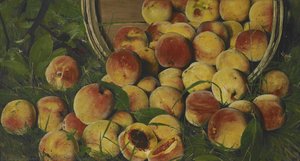
Joseph Decker (1853–1924) was a master of the quiet moment, an artist capable of transforming the simplest edible subjects into profound meditations on light and texture. Born in the Kingdom of Württemberg, Germany, Decker’s journey to the United States as a young boy in 1867 set the stage for a career that would bridge European technical rigor with American artistic innovation. While his early years were marked by practical labor—apprenticing as a house painter in Brooklyn and working as a sign painter—his true calling lay in the delicate nuances of the still life. His evolution from a craftsman to a sophisticated painter is a testament to a lifelong devotion to the fine details of the natural world, capturing not just objects, but the very atmosphere that surrounds them.
The foundation of Decker’s technical prowess was built upon a rigorous academic lineage. After honing his skills in Brooklyn, he sought formal instruction at the National Academy of Design, where it is believed he studied under John George Brown. This American training was later enriched by a transformative year in Munich in 1879, studying under the history painter Wilhelm Lindenschmit. This exposure to European traditions instilled in him a reverence for the Old Master techniques of glazing and layering. As his career progressed, Decker’s work began to exhibit a remarkable shift; while he initially gained recognition for portraits and landscapes exhibited at prestigious venues like the Brooklyn Art Association and the Art Institute of Chicago, he eventually found his most enduring voice in the realm of still lifes. His compositions often focused on organic, edible subjects—vibrant fruits, sweet confections, and luscious textures—rendered with an ethereal glow that seems to emanate from within the canvas itself.
Technique, Light, and the Art of Observation
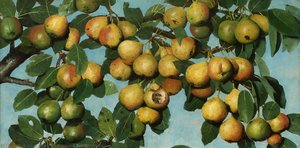
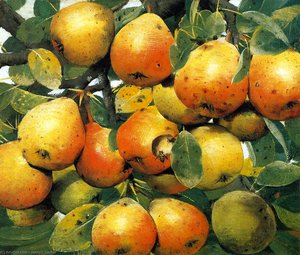
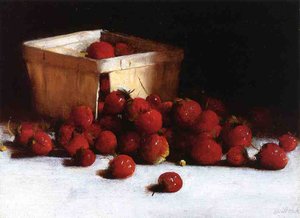
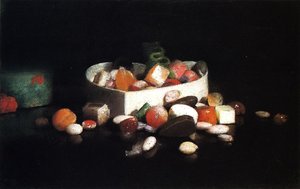
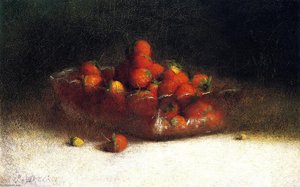
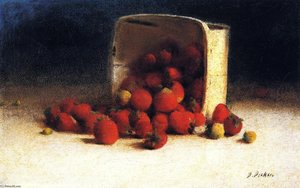
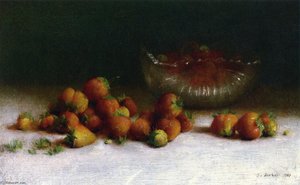
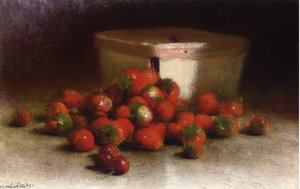
What distinguishes a Decker painting is the palpable sense of tranquility and the meticulous attention to the interplay of light and shadow. His style is characterized by a soft, evocative quality that avoids harsh outlines in favor of atmospheric depth. This technique allowed him to capture the moisture on a piece of fruit or the delicate translucency of a sugar coating with breathtaking realism. In works such as 'Hard Candy' or 'Strawberries in a Cut Glass Bowl', the viewer is invited into a sensory experience where the tactile nature of the subject matter becomes almost palpable. This mastery of light was not merely a technical feat but a way to elevate the mundane to the level of the sublime, turning a simple bowl of fruit into a moment of spiritual contemplation.
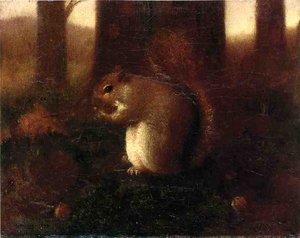
Later in his life, Decker’s palette and tone underwent further refinement, moving toward a softer, more atmospheric approach that some scholars suggest may have been influenced by the landscape painter George Inness. This period saw him experimenting with genre scenes and even unique novelties shaped like an artist's palette. Even when his subjects were as small as his pet squirrel, Bonnie, or as intricate as the restoration of fine porcelain for his patron Thomas B. Clarke, Decker maintained a consistent commitment to precision and beauty. Though much of his work fell into obscurity following his death in a Brooklyn hospital in 1924, the mid-20th century revival led by art historians like Alfred Frankenstein brought his luminous talent back to the light, ensuring that his contribution to the American still-life tradition would never be forgotten.
joseph decker
1853 - 1924
Quick Facts
- Artistic Movement Or Style: Still Life Painting
- Artists Or Movements Influenced By This Artist: ['Art Renewal Center']
- Artists Who Influenced This Artist: ['Gustav Klimt']
- Date Of Birth: 1853
- Date Of Death: 1924
- Full Name: Joseph Decker
- Nationality: German American
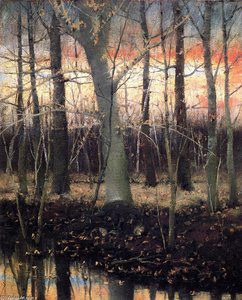
- Notable Artworks: ['In the Woods']
- Place Of Birth: Germany
Related Articles
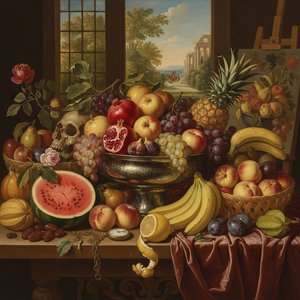
The Bountiful Still Life: Symbolism & Artistic Representation of Fruit Across Art History
Explore the rich history of still life painting & the symbolism of fruit across art movements. Discover masterpieces from Caravaggio to Cézanne with ArtsDot – expert guidance & museum-quality reproductions.
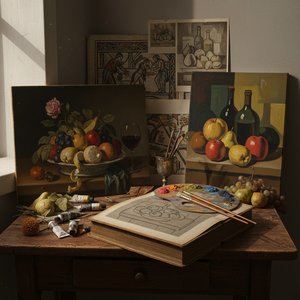
Silent Narratives: Exploring the Enduring Appeal of Still Life Painting Across Centuries
Explore the rich history of still life painting with ArtsDot. Discover Dutch Masters, decode vanitas symbolism & learn about collecting timeless art. Expert insights and museum-quality reproductions.
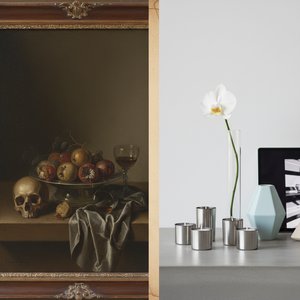
The Enduring Appeal of Still Life: A Historical & Contemporary Exploration
Explore the rich history & symbolism of still life painting with ArtsDot. Discover masterpieces from the Dutch Golden Age, learn about vanitas art, and find expert guidance for collecting timeless artworks.
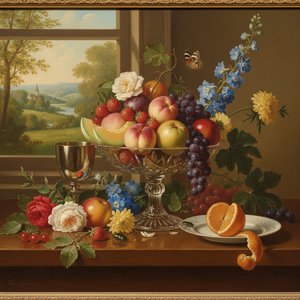
Severin Roesen: Evoking National Identity Through American Still Life Painting
Explore the captivating world of Severin Roesen, a major American still life painter influenced by Dutch masters. Discover his lush compositions and the symbolism within his art – a window into 19th-century America.
Clyfford Still's Abstract Expressionism: A Study of Color, Form & the Existential Landscape
Explore the profound world of Clyfford Still's Abstract Expressionism with ArtsDot. Discover his unique style, existential themes & investment potential. Expert analysis for discerning collectors.