 Preview
 Send
Send Share
Share
 Details

 Download
 Similars
 X-Ray
X-Ray Diaporama
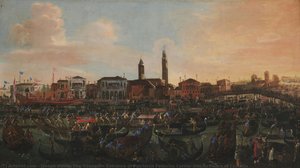
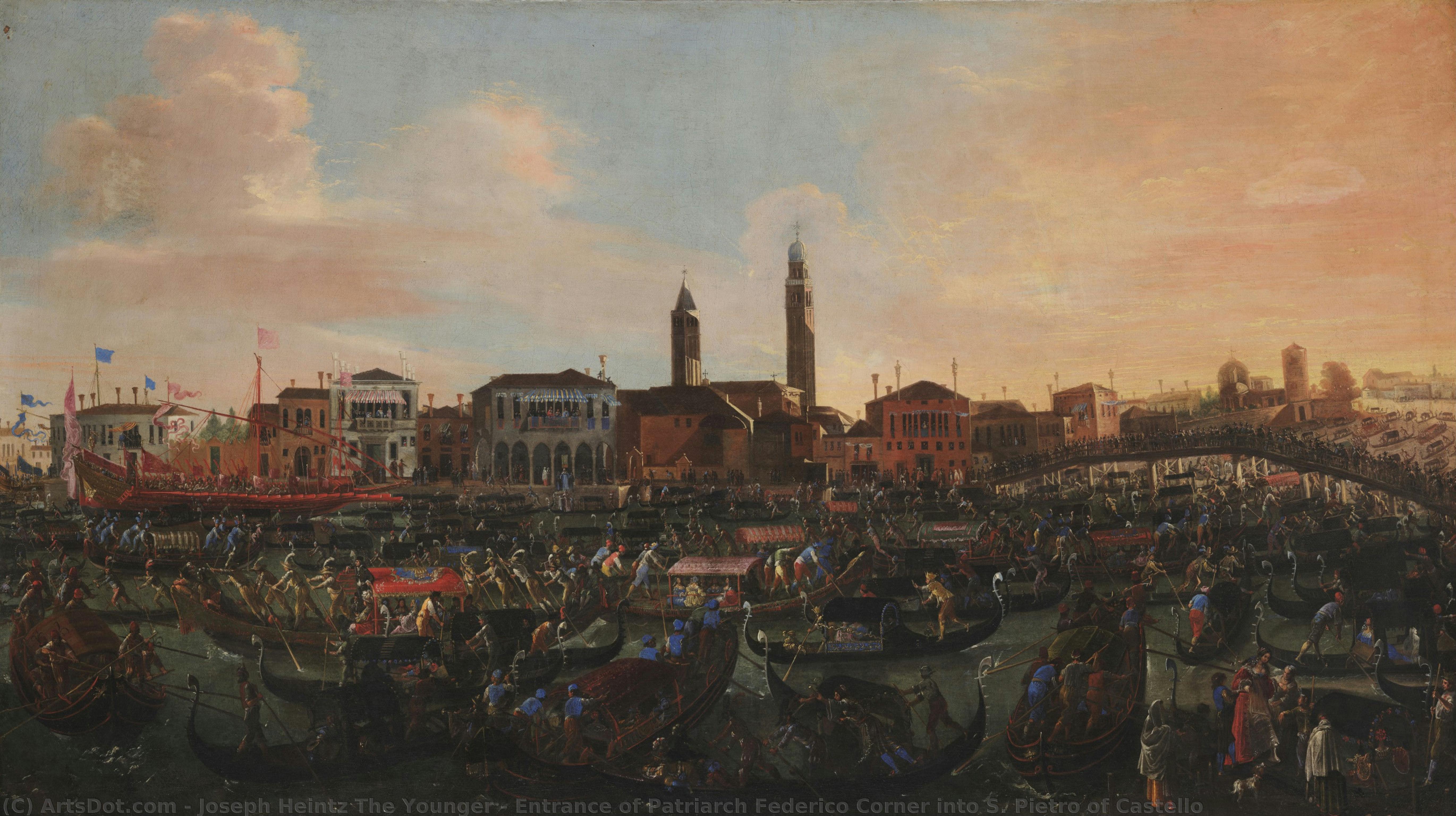
Entrance of Patriarch Federico Corner into S. Pietro of Castello
 Oil On Canvas
- WallArt
- Baroque
 1649
1649- Early Modern
 117.0 x 217.0 cm
 Museo Correr
 Read More
Hand Made Oil Reproduction
Hand-painted oil on canvas in your size and frame, made to order by our artists. ( Buy Print Buy Image)




P118B $10

P118H $10

P118W $10

P438Z $10

P508JH $12

P508YH $12

P805H $10

P805Z $10

P919BZ $10

P919G $10

P919XJ $10

P959ZH $10

P968JZ $12

W106C $8

W218G $10

W218JH $8

W218Y $10

W307PJ $10

W316G $10

W316PJ $8

W316Y $10

W398PJ $8

W4111J $10

W500HY $15

W500JH $15

W692G $12

W849H $8

W940BG $15

W953PJ $8




Pick from our preset sizes that match the artwork's original proportions.

You may enter your own dimensions to fit a specific frame or space. If your selected size does not match the original image's proportions, we will either crop the artwork or extend the painting with additional hand-painted elements. A digital mockup will be sent for your approval before production begins.
Please note that the on-screen preview does not reflect the actual cropping or extension. Only the mockup will accurately show the final composition.
While custom sizes are available, we recommend selecting a dimension from the predefined list to preserve the original proportions.
After order, ArtsDot.com team will email client for instructions and provide a mockup preview
Worldwide Delivery () in 3/4 weeks instead of standard 5 weeks. (7 September). No compromise on quality.

Free Worldwide Express Shipping

High-Quality Linen Canvas

Full Shipping Insurance

Customs Tax Refund Guarantee

True Color Matching Guarantee

100-Day Return Policy (Defects Only)

100% Money-Back Guarantee

Bulk Discount Offer
 Glass option is only available in size under 110 CM

Entrance of Patriarch Federico Corner into S. Pietro of Castello
Reproduction Medium
Reproduction Size
-


Total Price
$ 263
A Grand Procession in Oil: The Majesty of Venice Captured
In the sweeping expanse of Joseph Heintz the Younger’s masterpiece, Entrance of Patriarch Federico Corner into S. Pietro of Castello, the viewer is not merely an observer but a participant in a momentous Venetian occasion. Painted around 1649, this large-scale oil on canvas serves as a breathtaking window into the mid-seventeenth century, capturing the rhythmic pulse of a city defined by its water and its devotion. The scene unfolds with a cinematic grandeur, depicting the solemn yet celebratory arrival of Patriarch Federico Corner at the San Pietro di Castello cathedral. Through Heintz’s masterful command of composition, the canvas breathes with the energy of a bustling waterfront, where the convergence of noble figures, common citizens, and maritime activity creates a tapestry of Venetian life that feels both monumental and intimately alive.
The technique employed by Heintz reflects the sophisticated evolution of the Baroque era, blending the precision of his Northern European heritage with the luminous, atmospheric qualities of the Venetian school. The artist utilizes a rich palette to distinguish the various layers of the scene; from the shimmering reflections on the water near the shore to the detailed textures of the gathered crowds. One cannot help but be captivated by the way light plays across the canvas, illuminating the architectural dignity of the cathedral and the movement of the boats that dot the foreground. The inclusion of a prominent clock serves as a subtle yet profound memento mori or a marker of historical significance, anchoring the fleeting moment of the procession within the eternal flow of time.
For the discerning collector or interior designer, this artwork offers more than mere decoration; it provides a profound sense of narrative depth and historical prestige. The painting’s immense scale—stretching over two meters in width—makes it an ideal centerpiece for grand halls, libraries, or sophisticated dining environments where conversation and atmosphere are paramount. It embodies the spirit of Venetian Baroque, offering a sophisticated blend of social documentation and artistic drama. Owning a high-quality reproduction of this work allows one to bring the storied elegance of the 1640s into a contemporary space, evoking a sense of timelessness and cultural richness that inspires awe in every guest.
Beyond its visual splendor, the piece resonates with an emotional complexity. There is a palpable tension between the structured, ceremonial movement of the Patriarch and the spontaneous, chaotic vitality of the Venetian streets. This duality—the sacred meeting the secular, the official meeting the everyday—is what gives the painting its enduring soul. It invites the viewer to contemplate the layers of history embedded in the stones of San Pietro di Castello and the transient nature of human gatherings. To display such a work is to celebrate the enduring legacy of art as a vessel for memory, grandeur, and the eternal beauty of the human experience.
Related Artworks




Artist Biography
Joseph Heintz the Younger: Venetian Magic and Habsburg Patronage
Joseph Heintz the Younger (ca. 1600 – after 1678) stands as a pivotal figure in Baroque art, particularly Venetian painting, embodying a synthesis of Mannerist elegance and Northern European dynamism under the patronage of Emperor Rudolf II and later Matthias Habsburg. Born in Augsburg around 1600, he was the son of Joseph Heintz the Elder, a celebrated Swiss painter who served Rudolf II’s court, establishing a lineage steeped in artistic excellence and royal favor. This familial connection profoundly shaped his formative years, immersing him in the intellectual fervor of Prague and fostering an early appreciation for humanist ideals.- Early Training & Influences: Heintz II honed his skills under Matthäus Gundelach, Rudolf II’s court painter, absorbing techniques rooted in Mannerism – characterized by stylized figures, dramatic poses, and a deliberate rejection of naturalistic representation—but crucially adapting them to the burgeoning Venetian artistic landscape. The Elder's legacy instilled in him not only technical proficiency but also an understanding of Habsburg imperial ambition and artistic prestige.
- Venetian Period & Artistic Style: Moving to Venice around 1625, Heintz II swiftly ascended to prominence as a painter’s assistant and eventually established his own studio. His Venetian style—influenced by artists like Titian and Tintoretto—embraced vibrant color palettes, theatrical compositions, and an obsession with illusionistic depth. However, unlike many of his contemporaries, he eschewed the grand narratives favored by Venetian Mannerism, opting instead for a distinctive genre: topographical views and capricci – fantastical scenes depicting imaginary landscapes populated by mythological creatures and supernatural apparitions.
Capriccio Landscapes & Mythological Visions
Heintz II’s contribution to Venetian art is most notably recognized through his breathtaking capricci, which transcended mere landscape painting into a realm of imaginative storytelling. These canvases captured fleeting moments of grandeur and drama—often incorporating ruins, architectural fragments, and celestial phenomena—creating immersive environments that mirrored the anxieties and aspirations of the Habsburg era. Unlike traditional landscapes focused on accurate depiction, Heintz II prioritized conveying mood and atmosphere, utilizing techniques borrowed from Bosch and Grünewald to evoke a sense of unease and wonder. His masterpiece, “Entrance of Patriarch Federico Corner into S. Pietro of Castello,” exemplifies this approach—a monumental vista depicting the solemn procession into St Peter’s Basilica, rendered with meticulous detail and infused with an unsettling blend of realism and fantasy.- Technique & Innovation: Heintz II's mastery lay in his ability to synthesize disparate influences into a singular artistic vision. His use of atmospheric perspective—a technique pioneered by Venetian painters—created convincing illusions of depth, enhancing the dramatic impact of his scenes. Furthermore, he skillfully employed chiaroscuro – the interplay of light and shadow – to sculpt figures and illuminate architectural spaces, mirroring the stylistic innovations championed by Tintoretto.
- Notable Works: Among his most celebrated paintings are “The Temptation of Saint Anthony Abbot” and “Joseph Heintz de Jongere,” which showcase his distinctive style and thematic preoccupations. These works demonstrate a profound engagement with religious iconography—particularly Saint Anthony’s symbolism—reflecting the Habsburg court's fervent piety and its desire to project an image of imperial grandeur.
Imperial Patronage & Legacy
Rudolf II’s unwavering support fueled Heintz II’s artistic endeavors, securing him commissions that allowed him to explore ambitious projects—including monumental frescoes adorning St Joseph Chapel in Balasszújfalu—and solidify his reputation as one of Venice's foremost painters. Matthias Habsburg continued this tradition, recognizing Heintz II’s talent and commissioning works that celebrated Habsburg dominion and artistic excellence. His legacy extends beyond individual paintings; he established a workshop that nurtured the careers of numerous artists, disseminating Venetian stylistic principles throughout Europe. Joseph Heintz the Younger remains an enduring symbol of Baroque artistry—a testament to the transformative power of patronage and the ability to synthesize diverse influences into a singular, unforgettable aesthetic vision.Concluding Remarks: A Venetian Visionary
Joseph Heintz II’s artistic output represents more than just stylistic innovation; it embodies a profound engagement with humanist ideals and Habsburg imperial ambition. His capricci landscapes—infused with mythological symbolism and unsettling grandeur—continue to captivate audiences today, offering glimpses into the anxieties and aspirations of a pivotal moment in European history. Through meticulous technique and unwavering dedication, Heintz II cemented his place as one of Venice’s most influential painters, ensuring that his artistic legacy would endure for centuries to come.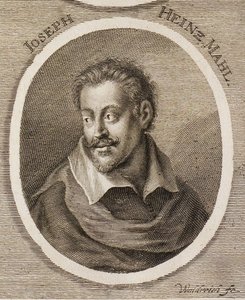
Quick Facts
- Artistic Movement Or Style: Baroque
- Artists Or Movements Influenced By This Artist: ['Hieronymus Bosch']
- Artists Who Influenced This Artist: ['Joseph Heintz the Elder']
- Full Name: Joseph Heintz the Younger
- Nationality: German
- Notable Artworks: ['Entrance of Patriarch Federico Corner into S. Pietro of Castello']
- Place Of Birth: Augsburg
Related Articles

Jacopo Tintoretto's Masterpieces: 25 Paintings That Define Venetian Drama | ArtsDot
Explore 25 breathtaking masterpieces by Jacopo Tintoretto, the Venetian master of drama and light. Discover the stories behind iconic Renaissance paintings & find museum-quality art reproductions to elevate your home decor on ArtsDot.com.
Pietro Longhi's Venetian Scenes: A Study of Rococo Society & Domestic Life
Explore the captivating world of Pietro Longhi's Venetian scenes! Discover insightful analysis of his Rococo masterpieces & social commentary on 18th-century life. Learn about this 'Venetian Hogarth' and his lasting artistic legacy.

Baroque Drama: Bringing Opulence & Emotion into Contemporary Interiors
Explore the opulent world of Baroque interior design! Discover key elements, modern applications & how to bring dramatic elegance into your home with ArtsDot.com's authentic reproductions.

The Dramatic Flourish: Exploring the Baroque Movement's Enduring Legacy in Art History
Explore the dramatic world of Baroque art! Discover iconic artists like Caravaggio & Rubens, defining techniques, and its lasting impact on art history. Expert insights for collectors & enthusiasts at ArtsDot.

Baroque Masterpieces: 10 Paintings That Defined an Era |
Journey through the drama & grandeur of Baroque art! Explore 10 masterpieces by Caravaggio, Rembrandt, Rubens & more. Discover stunning oil paintings, rich colors & timeless stories. Find museum-quality reproductions at .