 Preview
 Send
Send Share
Share
 Details

 Download
 Similars
 X-Ray
X-Ray Diaporama
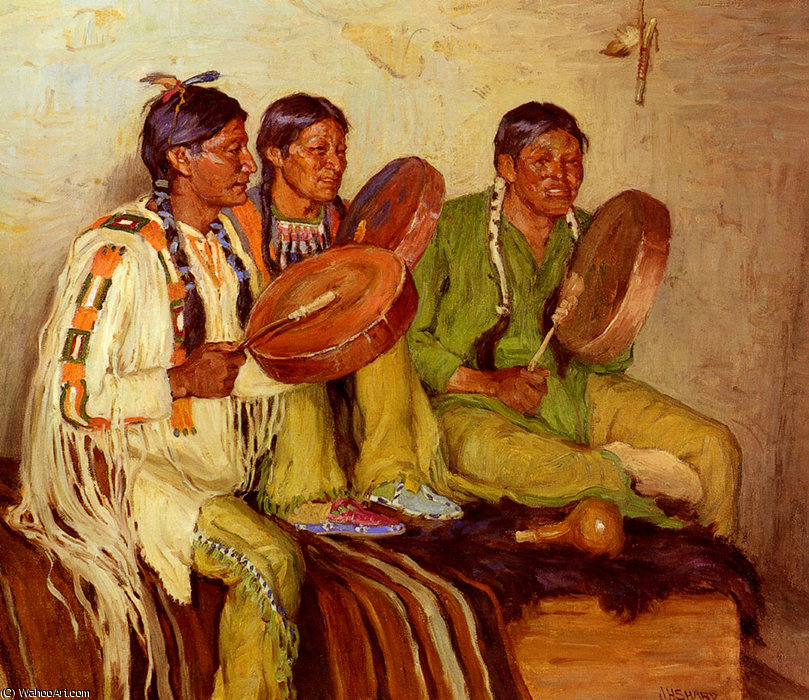
Hunting song

 Read More
Hand Made Oil Reproduction
Hand-painted oil on canvas in your size and frame, made to order by our artists. ( Buy Print Buy Image)




































Pick from our preset sizes that match the artwork's original proportions.

You may enter your own dimensions to fit a specific frame or space. If your selected size does not match the original image's proportions, we will either crop the artwork or extend the painting with additional hand-painted elements. A digital mockup will be sent for your approval before production begins.
Please note that the on-screen preview does not reflect the actual cropping or extension. Only the mockup will accurately show the final composition.
While custom sizes are available, we recommend selecting a dimension from the predefined list to preserve the original proportions.
After order, ArtsDot.com team will email client for instructions and provide a mockup preview
Worldwide Delivery () in 3/4 weeks instead of standard 5 weeks. (17 August). No compromise on quality.

Free Worldwide Express Shipping

High-Quality Linen Canvas

Full Shipping Insurance

Customs Tax Refund Guarantee

True Color Matching Guarantee

60-Day Return Policy (Defects Only)

100% Money-Back Guarantee

Bulk Discount Offer
 Glass option is only available in size under 110 CM

Hunting song
Reproduction Medium
Reproduction Size
-


Total Price
$ 263
Artwork Description
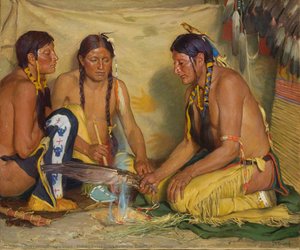
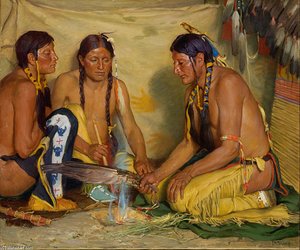
A Captivating Glimpse into Native American Culture: "Hunting Song"
Joseph Henry Sharp’s “Hunting Song” offers a poignant window into the vibrant cultural life of Native Americans in the late 19th and early 20th centuries. This evocative painting depicts three men, likely members of a Plains tribe, deeply engrossed in the act of drumming – a central element of their spiritual practices, social gatherings, and storytelling traditions. The scene is imbued with a sense of quiet reverence and communal harmony, capturing a moment of shared experience and cultural expression. Sharp’s choice to portray these men not as stoic figures but as individuals engaged in an active and joyful ritual speaks volumes about his respect for Native American culture.Style and Technique: Realism Rooted in Observation
Sharp was known for his realistic style, meticulously observing the details of Native American life and translating them onto canvas with remarkable accuracy. In "Hunting Song," this is evident in the careful rendering of the men’s clothing – traditional garments adorned with intricate beadwork and quillwork – as well as their facial features and expressions. The artist employs a muted color palette dominated by earthy tones, reflecting the natural environment and lending an air of authenticity to the scene. His brushstrokes are deliberate yet fluid, creating a sense of depth and texture that brings the figures and objects within the painting to life. Sharp’s mastery of light and shadow further enhances the realism, highlighting the contours of the men's faces and the surfaces of their drums and belongings.Historical Context: A Pioneer in Cross-Cultural Representation
Painted during a period of significant cultural exchange – and often fraught with tension – between European Americans and Native American communities, "Hunting Song" stands out for its respectful portrayal of Indigenous culture. Sharp’s extensive time living among the Crow people in Montana (building his “Absarokee Hut” as mentioned in his biography) allowed him to develop a deep understanding and appreciation for their traditions. His commission by Theodore Roosevelt to paint portraits of surviving Little Bighorn warriors further underscores his unique position as an artist bridging two worlds. While some contemporary depictions of Native Americans were often stereotypical or romanticized, Sharp strived for accuracy and dignity in his representations, contributing to a more nuanced understanding of Indigenous life during this era.Symbolism and Emotional Impact
Beyond its documentary value, "Hunting Song" resonates with deeper symbolic meaning. The drums themselves are powerful symbols of connection – connecting the men to each other, to their ancestors, and to the spiritual realm. The act of drumming is not merely musical; it’s a form of prayer, storytelling, and communal bonding. The bowl and cups nearby suggest sustenance and shared rituals, further emphasizing the importance of community in Native American culture. Emotionally, the painting evokes a sense of tranquility, reverence, and cultural pride. It invites viewers to contemplate the richness and resilience of Native American traditions while acknowledging the historical complexities surrounding cross-cultural representation. The quiet intensity of the scene creates an intimate connection with the subjects, leaving a lasting impression on the viewer.Related Artworks
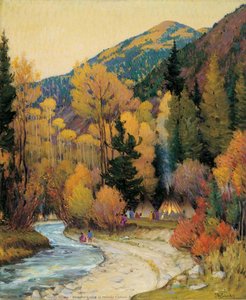
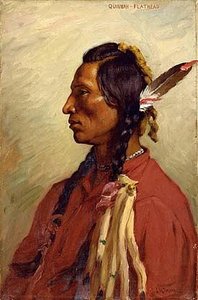
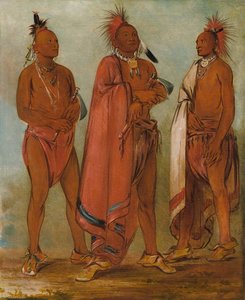
Artist Biography
Early Life and Background
- Born: September 27, 1859, Bridgeport, Ohio
- Died: August 29, 1953
- Parents: Irish immigrant parents; father was a merchant.
- Early Fascination: Developed a strong interest in American Indians from a young age.
- Hearing Loss: Nearly drowned as a boy, resulting in permanent hearing loss which significantly impacted his education and communication. He learned to read lips and carried a writing pad.
- Early Work: Worked in a nail factory at the age of 12 to support his family after his father's death.
Education and Artistic Training
- McMicken School of Design, Cincinnati: Briefly attended before financial constraints forced him to leave school.
- European Studies (1881-1886): Traveled to Europe where he studied at the Royal Academy of Fine Arts in Antwerp, Belgium.
- Return to Cincinnati & Mentorship: Returned to Cincinnati and worked alongside Henry Farny, though Farny discouraged painting Native Americans.
- Royal Academy of Munich: Studied at the Royal Academy of Fine Arts (Munich) and later with Frank Duveneck in Italy.
- Académie Julian, Paris: Furthered his studies at the Académie Julian in Paris, influenced by Barbizon painters and Impressionists.
Artistic Style and Subject Matter
- Realism & Portraiture: Known for realistic portrayals of American Indians, focusing on their cultural life and individual characteristics.
- Influences: Influenced by the Barbizon school and Impressionism, evident in his use of light and shadow and broad brushstrokes.
- Key Subjects: Primarily painted portraits of Native American warriors, chiefs, and everyday people, as well as Western landscapes.
- Commissioned Work: Received a significant commission from President Theodore Roosevelt to paint 200 portraits of Native American warriors who survived the Battle of Little Bighorn.
- Absarokee Hut: Built a cabin (Absarokee Hut) on Crow Agency land in Montana, allowing him extended time to study and depict Native American life.
Major Achievements and Recognition
- Taos Society of Artists Founding Member: A founding member of the Taos Society of Artists, considered its "spiritual father."
- Smithsonian Institution Acquisition: The Smithsonian Institution purchased eleven of his portraits in 1901.
- Phoebe Hearst Patronage: Received significant support from Phoebe Hearst, who acquired over 150 of his works.
- Thomas Gilcrease Collection: A large portion of his work and personal collection were purchased by Thomas Gilcrease, now housed at the Gilcrease Institute.
- Recognition for Ethnographic Value: Recognized by curator W.H. Holmes for the accuracy with which he portrayed Native American physiognomy and costumes.
Historical Significance
- Documenting Native American Culture: Sharp's work provides valuable documentation of Native American life during a period of significant cultural change and displacement.
- Early Western Artist in Taos: One of the earliest European-American artists to establish a presence in Taos, New Mexico, contributing to its artistic development.
- Influence on Southwestern Art: His focus on Native American subjects helped shape the direction of Southwestern art and influenced subsequent generations of artists.
- Preservation of Portraiture: Created a significant body of portraiture that captures the likenesses and dignity of individuals from various Native American tribes, preserving their memory for posterity.
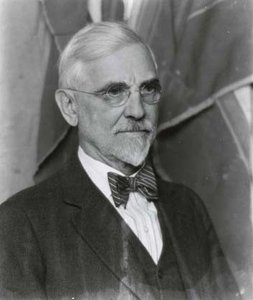
Joseph Henry Sharp
1859 - 1953 , United States of America
Quick Facts
- Artistic Movement Or Style: Realism
- Artists Who Influenced This Artist: ['Frank Duveneck']
- Date Of Birth: September 27, 1859
- Date Of Death: August 29, 1953
- Full Name: Joseph Henry Sharp
- Nationality: American
- Notable Artworks:
- Apache Camp in Hondo Cañon
- Blackfoot Girl
- Chief Spotted Elk
- Quinnah
- Chief American Horse
- Place Of Birth: Bridgeport, Ohio
Related Articles
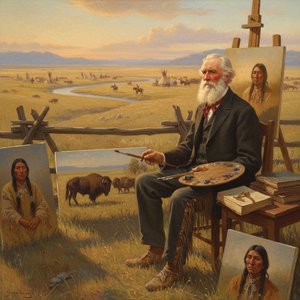
Joseph Henry Sharp: Capturing the Spirit of the Plains – Life, Art & Legacy
Explore the life & art of Joseph Henry Sharp, a founding member of the Taos Society of Artists renowned for his realistic depictions of Native American culture and Western landscapes. Discover his legacy with ArtsDot.

Henri Matisse's Masterpieces: Explore 25 Iconic Paintings & Art Decor Ideas
Journey through Henri Matisse's 25 most iconic paintings! Explore Fauvism, vibrant colors & the stories behind masterpieces like 'The Dance'. Find museum-quality art reproductions and curated decor ideas to elevate your space. Discover all masterpieces on ArtsDot.com.
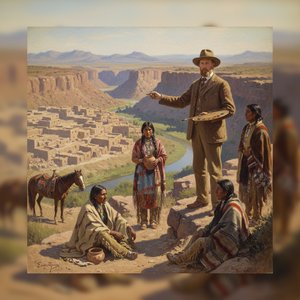
Eanger Irving Couse: Bridging Tradition & Modernity in American Southwest Art
Explore the life & art of Eanger Irving Couse, a pivotal figure in Southwestern Impressionism and founder of the Taos Society of Artists. Discover his captivating paintings & legacy.
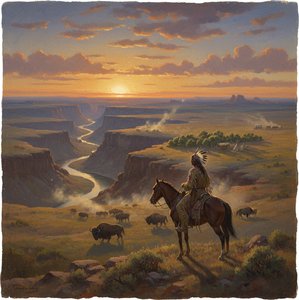
Henry Farny: Romantic Visions of the American West & Indigenous Life
Explore the evocative paintings of Henry Farny, renowned for his romantic realism & depictions of Native American life in the 19th-century West. Discover his legacy and key artworks at ArtsDot.
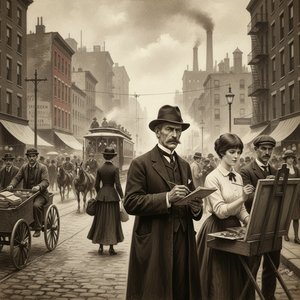
Robert Henri & the Spirit of American Realism: A Legacy of Urban Life and Artistic Independence
Explore the life & legacy of Robert Henri, a pivotal figure in American Realism. Discover his captivating portraits, influence on the Ashcan School, and enduring impact on art history. Learn more at ArtsDot.