

 Preview
 Send
Send Share
Share
 Details

 Download
 Similars
 X-Ray
X-Ray Diaporama
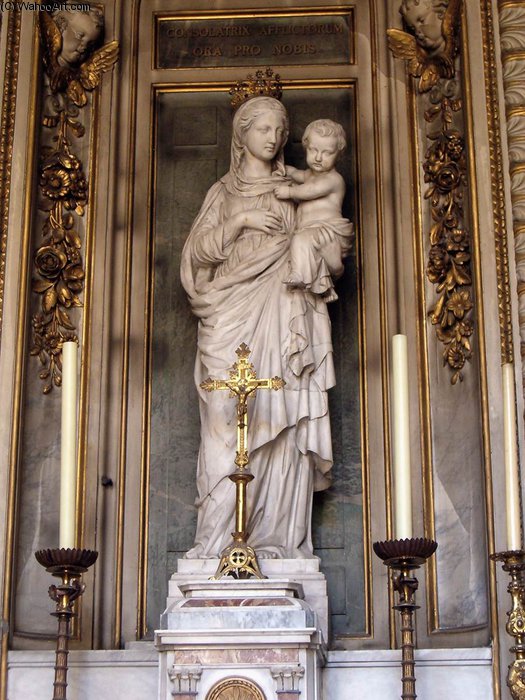
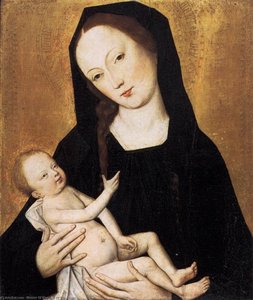
Virgin And Child
 Read More
Purchase a high-resolution, enhanced digital image, far superior to the online preview.
Each file is meticulously prepared by our in-house specialists using advanced tools and expert manual retouching. We ensure every image has exceptional clarity, precise color accuracy, and fine detail.
The final file is delivered via email within 72 hours, optimized for immediate use in professional, editorial, and print environments. This is the same quality trusted by top-tier design studios, publishers, and galleries.
Digital Image
Download a high-resolution file for personal display, printing, and creative projects. ( Buy Print Buy Hand Made Painting)
Included in Every Digital Image Order
Expert Digital Delivery, Guaranteed
When you choose ArtsDot.com, you're not just getting an image - you're receiving a professionally enhanced digital artwork, crafted with precision and backed by a satisfaction guarantee. Here's everything that comes with your order, automatically:

Fast Email Delivery
Your high-resolution digital image file will be emailed to you within 72 hours of ordering - ready for immediate use.

AI-Enhanced Digital File
Your artwork is professionally optimized using advanced AI tools and manual editing, ensuring maximum detail, clarity, and color accuracy.

Free Lifetime Re-Delivery
Accidentally deleted or lost your file? No worries - we'll resend it to you anytime, free of charge.

No Import Fees - Ever
Enjoy your artwork instantly with zero customs, duties, or delivery fees - digital downloads are always tax-free.

Color Accuracy Guarantee
We ensure your digital image reflects the original colors as closely as possible using professional tools and color management.

60-Day Satisfaction Guarantee
If you're not satisfied with your digital image, we'll revise it or refund 100% within 60 days - no questions asked.

100% Money-Back Guarantee
Not satisfied? Get a full refund within 60 days of receiving your digital file - no questions asked.

Bulk Order Discounts
Buy 3 images, save 10% - Buy 5, save 15% - Buy 10+, save 20%. Great for creative projects, galleries, and agencies.
Related Artworks
Artist Biography
Early Life and Academic Foundations
Joseph-Hugues Fabisch, born in Aix-en-Provence in 1812, embarked on a path that would see him become a prominent figure in 19th-century French sculpture, particularly celebrated for his deeply devotional religious works. His early life was steeped in the artisanal traditions of his family; his father, Charles Fabisch, an immigrant cloth weaver from Poland, instilled a sense of craftsmanship and dedication to labor. This background likely influenced young Joseph’s initial inclination towards artistic pursuits. In 1840, he began his formal teaching career as a professor of drawing at the university in Saint-Étienne, laying the groundwork for a future distinguished by both creation and pedagogy. However, it was his move to Lyon in 1845 that truly cemented his trajectory. He secured a professorship at the prestigious École des Beaux-Arts de Lyon, an institution where he would nurture generations of artists, eventually rising to become its director in 1874. This position afforded him considerable influence over the artistic landscape of the region and allowed him to champion a style that blended classical precision with heartfelt religious expression.The Virgin of Fourvière and the Birth of a Festival
Fabisch’s name is inextricably linked to the iconic Basilica of Notre-Dame de Fourvière in Lyon, and specifically, to the magnificent gilded statue of the Virgin Mary that graces its chapel. Commissioned in 1852, this sculpture was not merely an artistic undertaking but a symbol of gratitude for the city's deliverance from plague. Fabisch meticulously crafted the statue within his studio on the banks of the Saône River. A twist of fate—a sudden flood that inundated his workshop—delayed its unveiling until December 8th, 1852. This unforeseen postponement serendipitously established a tradition: Lyon’s now-famous *Fête des Lumières* (Festival of Lights). The citizens began lighting candles in thanks for the Virgin's protection, and this spontaneous act evolved into an annual spectacle that continues to captivate audiences worldwide. The statue itself embodies a neoclassical elegance, yet it is imbued with a sense of spiritual fervor that resonated deeply with the public.A Pilgrimage to Lourdes and the Pursuit of Authenticity
The mid-19th century was marked by growing religious fervor, and Fabisch found himself at the center of one of its most significant events: the apparitions of the Virgin Mary to Bernadette Soubirous in Lourdes. In September 1863, he journeyed to Lourdes, not as a mere observer but as an artist tasked with capturing the essence of these visions. Commissioned by the Lacour sisters and overseen by Abbot Blanc, Fabisch was charged with creating a statue that would faithfully represent the young visionary’s descriptions. He engaged in direct dialogue with Bernadette, seeking precise details about her encounters. The resulting marble sculpture, dedicated on April 4th, 1864, before an audience of twenty thousand people, became his acknowledged masterpiece—a work widely copied across the globe. However, its creation was not without controversy; Bernadette herself expressed reservations, finding that the statue did not fully capture the humility and grace she remembered. This highlights Fabisch’s challenge: translating a deeply personal spiritual experience into a tangible form accessible to a wider audience.Religious Statuary and Artistic Legacy
Beyond the Virgin of Fourvière and the Lourdes sculpture, Fabisch produced a substantial body of religious work throughout his career. He created altarpieces, chapels, and individual statues for cathedrals and basilicas across France. His style consistently blended neoclassical forms with an emotional depth that appealed to both the devout and art connoisseurs. His sculptures were not simply representations of biblical figures; they were intended as vehicles for prayer and contemplation. Fabisch’s influence extended beyond his own creations, shaping a generation of sculptors through his teaching at the École des Beaux-Arts de Lyon. He fostered an environment that valued technical skill alongside spiritual understanding. His legacy lies not only in the enduring beauty of his works but also in the artists he inspired to carry forward his vision.Historical Significance and Enduring Appeal
Joseph-Hugues Fabisch’s work reflects the religious climate of 19th-century France, a period marked by both fervent faith and social upheaval. His sculptures served as powerful symbols of hope and devotion during times of uncertainty. The *Fête des Lumières*, born from the delayed unveiling of his Virgin of Fourvière, stands as a testament to the enduring power of art to unite communities and inspire collective celebration. While his Lourdes statue sparked debate regarding its accuracy, it remains one of the most recognizable depictions of the Virgin Mary in the world.- Fabisch’s ability to blend classical technique with emotional resonance made him a sought-after sculptor.
- His role as director of the École des Beaux-Arts de Lyon solidified his position as a leading figure in French art education.
- The enduring popularity of his works, particularly those associated with Notre-Dame de Fourvière and Lourdes, ensures his place in art history.
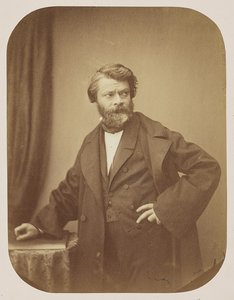
joseph hugues fabisch
1812 - 1886 , France
Quick Facts
- Artistic Movement Or Style: Romanticism
- Artists Or Movements Influenced By This Artist: ['École française']
- Artists Who Influenced This Artist: ['Jean Auguste Ingres']
- Date Of Birth: 1812 Aix-en-Provence, France
- Date Of Death: 1886 Lyon, France
- Full Name: Joseph-Hugues Fabisch
- Nationality: French
- Notable Artworks:
- Virgin on top of the chapel of Notre Dame de Fourvière
- Beatrix
- Saint Joseph Chapel
- Place Of Birth: Aix-en-Provence

