 Preview
 Send
Send Share
Share
 Details

 Download
 Similars
 X-Ray
X-Ray Diaporama
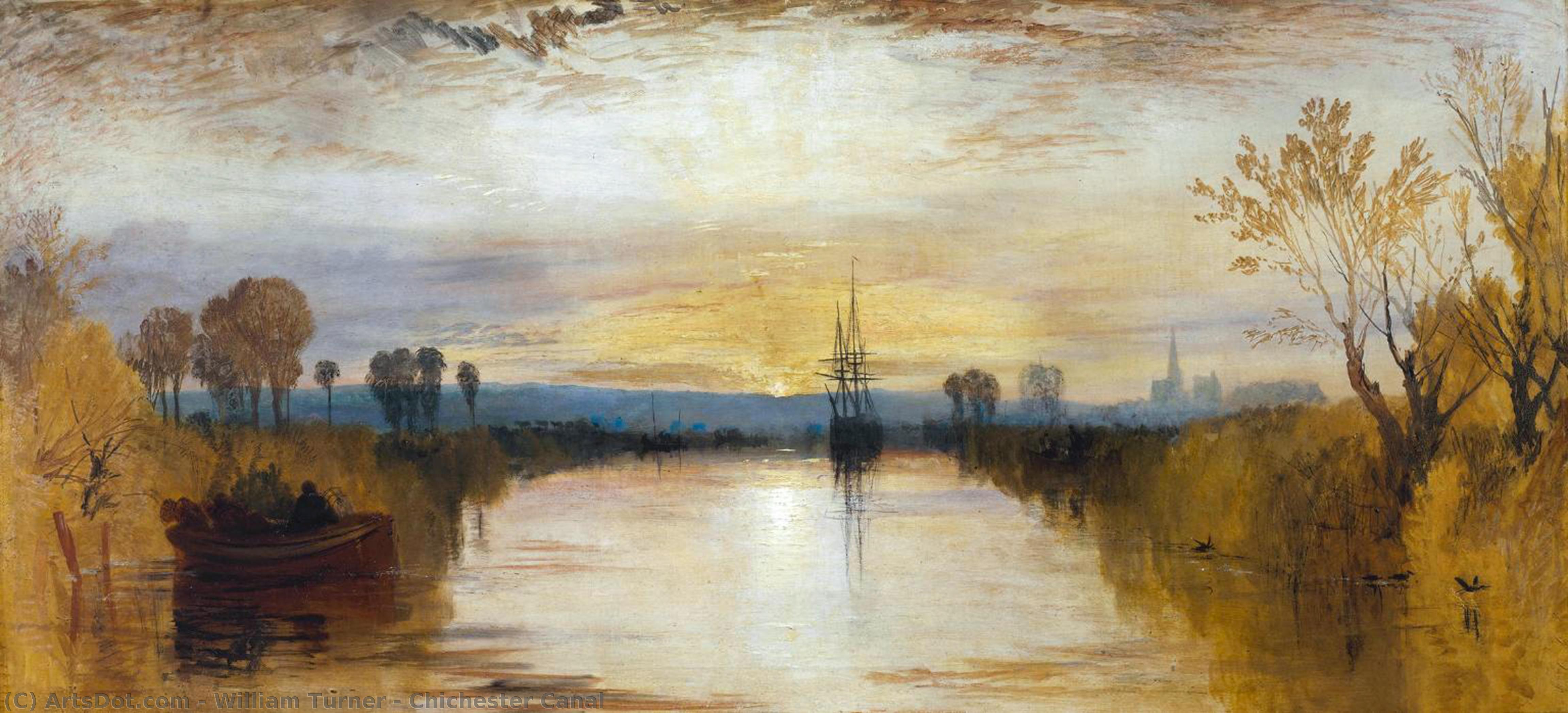
Chichester Canal


 Read More
Hand Made Oil Reproduction
Hand-painted oil on canvas in your size and frame, made to order by our artists. ( Buy Print Buy Image)




P118B $10

P118H $10

P118W $10

P438Z $10

P508JH $12

P508YH $12

P805H $10

P805Z $10

P919BZ $10

P919G $10

P919XJ $10

P959ZH $10

P968JZ $12

W106C $8

W218G $10

W218JH $8

W218Y $10

W307PJ $10

W316G $10

W316PJ $8

W316Y $10

W398PJ $8

W4111J $10

W500HY $15

W500JH $15

W692G $12

W849H $8

W940BG $15

W953PJ $8




Pick from our preset sizes that match the artwork's original proportions.

You may enter your own dimensions to fit a specific frame or space. If your selected size does not match the original image's proportions, we will either crop the artwork or extend the painting with additional hand-painted elements. A digital mockup will be sent for your approval before production begins.
Please note that the on-screen preview does not reflect the actual cropping or extension. Only the mockup will accurately show the final composition.
While custom sizes are available, we recommend selecting a dimension from the predefined list to preserve the original proportions.
After order, ArtsDot.com team will email client for instructions and provide a mockup preview
Worldwide Delivery () in 3/4 weeks instead of standard 5 weeks. (17 August). No compromise on quality.

Free Worldwide Express Shipping

High-Quality Linen Canvas

Full Shipping Insurance

Customs Tax Refund Guarantee

True Color Matching Guarantee

60-Day Return Policy (Defects Only)

100% Money-Back Guarantee

Bulk Discount Offer
 Glass option is only available in size under 110 CM

Chichester Canal
Reproduction Medium
Reproduction Size
-


Total Price
$ 263
Artwork Description
The Ethereal Glow of the Chichester Canal
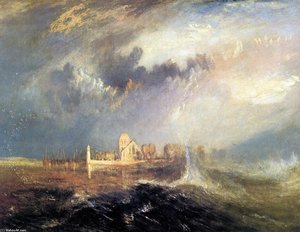
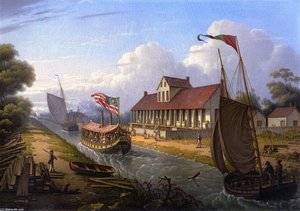
In the vast and storied repertoire of Joseph Mallord William Turner, few works capture the quiet, transformative power of the English landscape as intimately as Chichester Canal. Painted in 1828, this masterpiece serves as a profound window into the heart of the Romantic movement, an era defined by an intense emotional connection to the natural world. The scene unfolds along the tranquil waters of the canal, where the artist masterfully orchestrates a symphony of light and atmosphere. As the sun begins its descent, the sky is washed in a palette of soft, golden hues, casting a dreamy, almost otherworldly glow upon the surface of the water. A solitary collier brig ship glides through the calm, its silhouette etched against the shimmering reflections, embodying the peaceful coexistence between human industry and the sublime beauty of nature.
The technique employed in this work is nothing short of revolutionary, showcasing Turner’s unparalleled ability to manipulate light to evoke mood. Rather than focusing on rigid, photographic detail, the artist utilizes fluid brushstrokes and a delicate layering of color to create an atmospheric haze. This approach allows the boundaries between the water, the sky, and the distant shore to blur, inviting the viewer to lose themselves in the misty, ethereal quality of the twilight. The subtle interplay of shadows and highlights creates a sense of depth that pulls the observer into the very heart of the scene, making the stillness of the canal feel palpable. For the discerning collector, this painting offers more than just a depiction of a waterway; it offers an immersive sensory experience of a fleeting moment captured in time.
A Legacy of Light and Emotion
Beyond its technical brilliance, Chichester Canal carries a deep symbolic resonance that speaks to the Romantic fascination with the sublime. The presence of the boat, moving steadily through the quiet canal, can be seen as a metaphor for the journey of life—a steady progression through the changing lights and shadows of existence. The inclusion of small, lifelike details, such as a bird in flight or a solitary figure near the water's edge, adds a layer of vitality to the composition, preventing the stillness from becoming stagnant. Instead, these elements introduce a gentle rhythm of movement that mirrors the breathing of the landscape itself.
For interior designers and art enthusiasts alike, bringing a high-quality reproduction of this work into a living space offers an opportunity to introduce a sense of serenity and historical grandeur. The painting’s ability to evoke tranquility makes it an ideal centerpiece for rooms designed for reflection and calm. Whether placed in a sophisticated study or a sunlit gallery, Turner's Chichester Canal acts as a portal to the nineteenth century, reminding us of the enduring power of nature to inspire awe and peace. To possess such a piece is to hold a fragment of art history, a testament to the man known as the "Luminary of Light," whose vision continues to illuminate the halls of the world's greatest museums.
Related Artworks


Artist Biography
The Luminary of Light: A Journey Through the Life and Art of J.M.W. Turner
Joseph Mallord William Turner, a name synonymous with the sublime power of landscape and the evocative dance of light, remains one of Britain’s most celebrated and influential artists. Born in Covent Garden, London, in 1775, Turner's journey from a barber’s son to a master painter was fueled by an innate talent, relentless dedication, and a visionary spirit that would forever alter the course of art history. From his earliest days sketching architectural details to his later, almost abstract explorations of atmosphere and color, Turner consistently pushed the boundaries of artistic expression.
His formal training began at the Royal Academy Schools in 1789, where he quickly distinguished himself as a promising student. However, Turner was not content with merely replicating established styles; he sought to capture the very essence of nature – its raw power, its fleeting beauty, and its inherent drama. Early works reveal a meticulous attention to topographical detail, reflecting the prevailing artistic tastes of the time. Yet, even in these early pieces, hints of his future direction are visible—a sensitivity to light and shadow, a willingness to experiment with color, and an emerging fascination with the sublime.
The Evolution of a Visionary: From Topography to Transcendence
Turner’s artistic development was marked by constant experimentation and a growing desire to move beyond mere representation. Influenced by masters like Claude Lorrain and J.M.W. Cozens, he began to infuse his landscapes with a romantic sensibility, emphasizing emotional response over precise depiction. His travels throughout Europe, beginning in 1802, proved pivotal, exposing him to diverse landscapes and inspiring new approaches to composition and color. He wasn’t simply recording what he saw; he was interpreting it through the lens of his own unique vision.
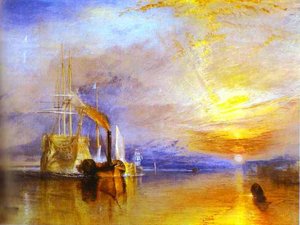
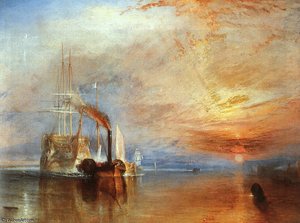
The early 19th century witnessed a shift in Turner's style towards greater expressiveness. His seascapes, in particular, became increasingly dramatic, capturing the fury and majesty of the ocean with unprecedented intensity. Paintings like “The Fighting Temeraire Tugged to Her Last Berth to Be Broken Up” (1839) are not merely depictions of a ship being towed to its final resting place; they are poignant meditations on mortality, loss, and the relentless march of progress. The use of light in this work is particularly striking—a golden sunset casting a melancholic glow over the scene, symbolizing the passing of an era.
A Master of Atmosphere: Light, Color, and the Sublime
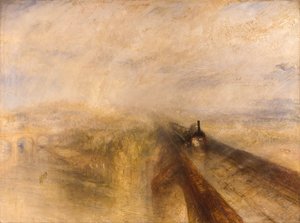
Turner’s later works are characterized by an almost radical departure from traditional artistic conventions. He increasingly prioritized atmosphere and color over form and detail, creating paintings that seem to dissolve into pure light and energy. Works like “Rain, Steam and Speed – The Great Western Railway” (1844) exemplify this approach—a swirling vortex of color and motion that captures the dynamism of the industrial age. Critics were often baffled by these later works, but their influence on subsequent generations of artists would prove profound.
He was a pioneer in exploring the effects of light and atmosphere, anticipating the Impressionists’ focus on capturing fleeting moments and subjective perceptions. His use of color was equally innovative—bold, vibrant hues applied with loose brushstrokes to create a sense of movement and energy. Turner wasn't simply painting landscapes; he was attempting to convey the very *feeling* of being in nature – the awe, the wonder, the terror.
Legacy and Influence: The Painter Who Changed Painting
J.M.W. Turner’s legacy extends far beyond his prolific output—over 550 oil paintings, 2,000 watercolors, and 30,000 works on paper. He left an indelible mark on the history of art, influencing countless artists who followed in his footsteps. The Impressionists, particularly Claude Monet, were deeply inspired by Turner’s exploration of light and color, while abstract expressionists like Mark Rothko acknowledged their debt to his atmospheric compositions.
Turner's willingness to challenge conventions, his relentless experimentation, and his unwavering commitment to artistic vision continue to resonate with artists and art lovers today. He remains a pivotal figure in the development of modern art, a true visionary who transformed the way we see and experience the world around us. His works are housed in major museums worldwide, including the Tate Britain in London, where visitors can immerse themselves in the luminous beauty and profound emotional depth of his extraordinary paintings.
Notable Works & Collections
- The Morning After the Deluge (1843): A powerful depiction of nature’s forces, housed in the Tate Collection, London.
- Chichester Canal (1828): Commissioned by George Wyndham, currently at the Tate Collection.
- Ruins of Tintern Abbey: A stunning watercolor showcasing his mastery of light and atmosphere, found in the Calouste Gulbenkian Museum (Lisboa, Portugal).
- The Fighting Temeraire Tugged to Her Last Berth to Be Broken Up (1839): A poignant masterpiece exploring themes of loss and change.
- Rain, Steam and Speed – The Great Western Railway (1844): Capturing the dynamism of the industrial age with swirling color and motion.
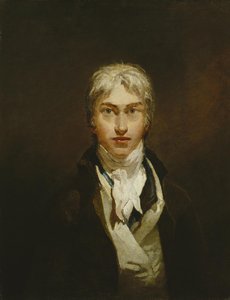
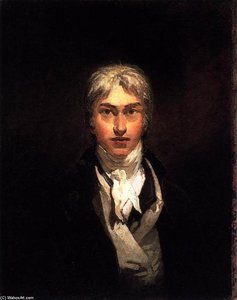
Joseph Mallord William Turner
1775 - 1851 , United Kingdom
Quick Facts
- Artistic Movement Or Style: Romanticism
- Artists Or Movements Influenced By This Artist:
- Claude Monet
- Mark Rothko
- Impressionism
- Date Of Birth: April 23, 1775
- Date Of Death: December 19, 1851
- Full Name: Joseph Mallord William Turner
- Nationality: British
- Notable Artworks:
- The Morning After the Deluge
- Chichester Canal
- Ruins of Tintern Abbey
- Place Of Birth: London, United Kingdom
Related Articles
J.M.W. Turner: Light, Atmosphere & the Romantic Sublime
Explore the life & art of J.M.W. Turner, a master of Romantic landscape painting. Discover his innovative techniques, key works, and lasting influence on Impressionism. Find high-quality reproductions at ArtsDot.
Golden Hours: Sunset Motifs in Western Art History
Explore the captivating history of sunset motifs in Western art! Discover iconic paintings by Monet, Van Gogh & Kuindzhi. Learn about Romanticism, Impressionism & collecting these timeless masterpieces. Expert insights at ArtsDot.
Romanticism's Greatest Artworks: 10 Masterpieces for Your Home |
Journey through Romanticism's soul with 10 iconic artworks by Delacroix, Goya & Turner. Explore emotional landscapes and historical drama. Find museum-quality art reproductions to elevate your home at – Discover all masterpieces online!
The Evocative Brushstroke: Exploring Emotion, Individuality & the Sublime in Romanticism's Artistic Landscape
Explore the passionate world of Romanticism! Discover masterpieces by Friedrich & Goya, delve into the sublime, and understand the movement's lasting impact on art history. Expert analysis & insights at ArtsDot.
The Sublime and the Sensual: Exploring Emotion & Individuality in Romanticism's Artistic Revolution
Explore the passionate world of Romanticism! Discover masterpieces by Friedrich & Goya, delve into the sublime, and understand the movement's lasting impact on art history. Expert analysis & insights.