 Preview
 Send
Send Share
Share
 Details

 Download
 Similars
 X-Ray
X-Ray Diaporama
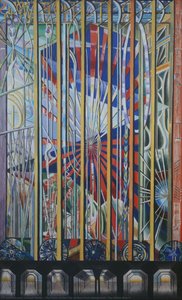
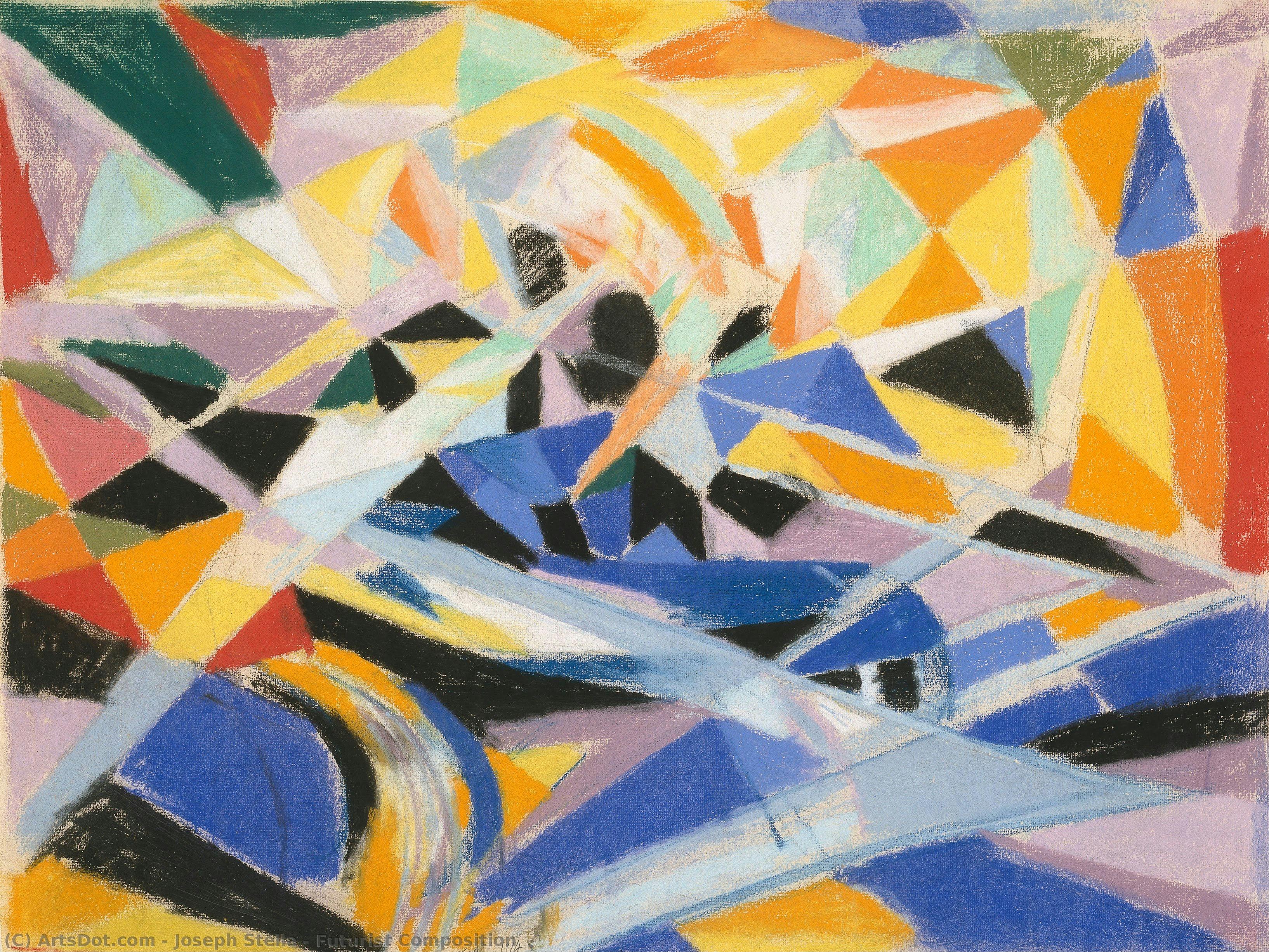
Futurist Composition
 Acrylic On Canvas
- WallArt
- Futurist Composition
 1914
1914 55.0 x 41.0 cm
 Amon Carter Museum of American Art
 Read More
Hand Made Oil Reproduction
Hand-painted oil on canvas in your size and frame, made to order by our artists. ( Buy Print Buy Image)




P118B $10

P118H $10

P118W $10

P438Z $10

P508JH $12

P508YH $12

P805H $10

P805Z $10

P919BZ $10

P919G $10

P919XJ $10

P959ZH $10

P968JZ $12

W106C $8

W218G $10

W218JH $8

W218Y $10

W307PJ $10

W316G $10

W316PJ $8

W316Y $10

W398PJ $8

W4111J $10

W500HY $15

W500JH $15

W692G $12

W849H $8

W940BG $15

W953PJ $8




Pick from our preset sizes that match the artwork's original proportions.

You may enter your own dimensions to fit a specific frame or space. If your selected size does not match the original image's proportions, we will either crop the artwork or extend the painting with additional hand-painted elements. A digital mockup will be sent for your approval before production begins.
Please note that the on-screen preview does not reflect the actual cropping or extension. Only the mockup will accurately show the final composition.
While custom sizes are available, we recommend selecting a dimension from the predefined list to preserve the original proportions.
After order, ArtsDot.com team will email client for instructions and provide a mockup preview
Worldwide Delivery () in 3/4 weeks instead of standard 5 weeks. (16 August). No compromise on quality.

Free Worldwide Express Shipping

High-Quality Linen Canvas

Full Shipping Insurance

Customs Tax Refund Guarantee

True Color Matching Guarantee

60-Day Return Policy (Defects Only)

100% Money-Back Guarantee

Bulk Discount Offer
 Glass option is only available in size under 110 CM

Futurist Composition
Reproduction Medium
Reproduction Size
-


Total Price
$ 263
Artwork Description
Futurist Composition by Joseph Stella – A Symphony of Motion and Color
The Futurist movement, born in Italy at the dawn of the 20th century, sought to shatter traditional artistic conventions and embrace the dynamism of modern life—a radical departure from the academic art world that dominated Europe. Among its most influential figures was Joseph Stella (1877-1946), an American artist who wholeheartedly adopted this revolutionary aesthetic, producing works that capture the energy and excitement of a rapidly changing era. Stella’s “Futurist Composition,” created in 1914, exemplifies this spirit perfectly.- Subject Matter: The painting depicts a sprawling landscape—a blend of land and sea—dominated by a vibrant blue sky punctuated with bursts of yellow and orange hues. At its center is a boat gliding across the water, surrounded by stylized trees and hills.
- Style & Technique: Stella’s approach aligns squarely with Futurism's core tenets. He employs geometric shapes – triangles, rectangles, circles—to represent movement and speed, mirroring the perceived acceleration of industrial progress. The pastel medium lends itself beautifully to capturing subtle tonal variations and creating a luminous surface texture that enhances the visual impact.
- Historical Context: Produced during World War I, “Futurist Composition” reflects the anxieties and aspirations of its time. Futurists championed technology, violence, and upheaval as catalysts for societal transformation—themes powerfully conveyed through Stella’s bold color palette and dynamic composition. It stands alongside other Futurist paintings exploring similar subjects like Brooklyn Bridge and industrial landscapes.
- Symbolism: The dominant blue sky symbolizes aspiration and transcendence, while the yellow and orange hues represent vitality and optimism. The boat itself embodies forward momentum—a visual metaphor for overcoming obstacles and embracing change. Stella’s deliberate simplification of forms contributes to a sense of universality, conveying emotions beyond specific narratives.
- Emotional Impact: Viewing “Futurist Composition” evokes a feeling of exhilaration and wonder. Stella's masterful use of color and form compels the viewer to experience the energy of the scene—a testament to his ability to translate abstract concepts into emotionally resonant imagery.
Provenance & Display Location
Currently residing at the Amon Carter Museum of American Art in Fort Worth, Texas, “Futurist Composition” offers visitors a tangible connection to Stella’s artistic vision and the broader context of Futurism's influence on early 20th-century art. Its presence within the museum’s permanent collection underscores its significance as a landmark achievement of modernist painting.Further Exploration
To delve deeper into Joseph Stella’s oeuvre, consider visiting MoMA's Inventing Abstraction exhibition, where “Futurist Composition” is prominently featured alongside other groundbreaking artworks of the period. Alternatively, explore Stella’s Untitled (497) on WikiArt for detailed analysis and stylistic comparisons. Examining related works by Stella—such as “Brooklyn Bridge”—provides valuable insight into his artistic evolution and the enduring legacy of Futurism.Related Artworks





Artist Biography
A Bridge Between Worlds: The Life and Art of Joseph Stella
Born in the small Italian village of Muro Lucano in 1877, Joseph Stella’s journey was one of constant reinvention and a passionate embrace of modernity. Initially destined for a career in medicine after his family emigrated to New York City in 1896, Stella quickly found himself drawn to the world of art, abandoning medical studies to enroll at the Art Students League and later the New York School of Art under the tutelage of William Merritt Chase. His early work reflected a gritty realism, depicting the harsh realities of immigrant life in the city’s slums – a far cry from the vibrant dynamism that would come to define his mature style. These initial paintings, though significant for their social commentary, served as a foundation upon which he would build a truly unique artistic vision. He honed his skills as an illustrator during this period, contributing drawings to various magazines, but a yearning for something more profound began to stir within him.The Allure of Europe and the Embrace of Modernism
A sense of dissatisfaction with American life prompted Stella’s return to Italy in 1909, seeking reconnection with his roots. However, this journey proved transformative in unexpected ways. It was during his time in Europe, particularly in Paris, that he encountered the burgeoning modernist movements – Fauvism, Cubism, and most importantly, Futurism – which would irrevocably alter the course of his artistic development. The Parisian salon of Gertrude Stein became a pivotal hub, introducing him to key figures like Umberto Boccioni and Gino Severini, artists who championed the dynamism and technological fervor of the modern age. Stella was captivated by the Futurist manifesto’s celebration of speed, machinery, and urban life, principles that resonated deeply with his own evolving artistic sensibilities. He began incorporating these ideas into his work, forging a style that blended European avant-garde aesthetics with an distinctly American subject matter.Dynamic Visions: Key Works and Artistic Style
Stella’s breakthrough came with Battle of Lights, Coney Island (1913-14), widely considered one of the earliest and most significant examples of Futurist painting in America. This work captures the exhilarating energy of the amusement park, translating its flashing lights, swirling crowds, and mechanical rides into a dazzling display of color and motion. It wasn’t merely a depiction of Coney Island; it was an attempt to convey the sensation of being *in* Coney Island. He continued this exploration in works like Der Rosenkavalier (1914) and Spring (The Procession – A Chromatic Sensation) (1914-16), pushing towards increasingly vigorous color abstractions. While closely associated with Futurism, Stella’s style also demonstrated elements of Precisionism, characterized by clean lines and geometric forms, particularly evident in his iconic depictions of the Brooklyn Bridge. He wasn't simply replicating what he saw; he was interpreting it through a lens of dynamic energy and structural clarity. The bridge became for him a symbol of American ingenuity and progress, a testament to the power of modern engineering. His paintings weren’t just images; they were statements about the changing world around him.Legacy and Lasting Influence
Joseph Stella's participation in the landmark Armory Show of 1913 catapulted him into the spotlight, gaining recognition for his innovative approach to painting and influencing a generation of American artists. His work was further championed by Katherine Dreier’s Societe Anonyme, New York's first museum dedicated to advanced contemporary art, solidifying his position within the avant-garde movement. Stella is now recognized as a seminal figure in the development of early 20th-century American modernism, successfully synthesizing European modernist movements with an American sensibility and subject matter. He died in 1946, leaving behind a legacy of vibrant and dynamic depictions of industrial America. His later works, including Pyrotechnic Fires and various untitled pieces, continued to explore new stylistic avenues, demonstrating his unwavering commitment to artistic exploration. Joseph Stella remains a pivotal figure who helped bridge the gap between European modernism and American art, forever changing the landscape of 20th-century painting.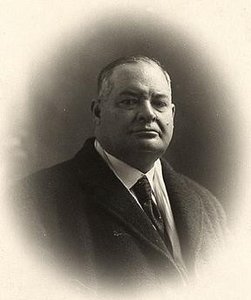
Joseph Stella
1877 - 1946 , Italy
Quick Facts
- Artistic Movement Or Style: Futurism, Precisionism
- Artists Or Movements Influenced By This Artist: ['American Modernism']
- Artists Who Influenced This Artist:
- Umberto Boccioni
- Gino Severini
- Date Of Birth: 1877
- Date Of Death: 1946
- Full Name: Joseph Stella
- Nationality: Italian-American
- Notable Artworks:
- Battle of Lights, Coney Island
- Der Rosenkavalier
- Spring
- Brooklyn Bridge studies
- Place Of Birth: Muro Lucano, Italy
Related Articles

John Constable's Masterpieces: Explore 25 Iconic Landscapes for Your Home
Journey through John Constable's 25 most celebrated landscapes. Explore Romanticism, Dedham Vale & his masterful use of light in iconic paintings like 'Hay Wain'. Find museum-quality art reproductions and elevate your home decor on ArtsDot.com.

Cézanne's Masterpieces: 25 Iconic Artworks to Transform Your Space
Journey through 25 iconic artworks by Paul Cézanne – a master of Impressionism and Post-Impressionism. Explore his landscapes, still lifes, and the stories behind these timeless masterpieces. Discover museum-quality reproductions & curated decor at ArtsDot.com.

Beyond the Horizon: 10 Landscape Masterpieces for Your Home Decor
Journey through 10 breathtaking landscape paintings by Monet, Van Gogh & more! Explore iconic artworks, artistic techniques & find inspiration for your home decor. Museum-quality reproductions at ArtsDot.com. Discover all masterpieces on ArtsDot.com

Joseph Stella: Modernism's Dynamic Vision of Industry, Urban Life & the American Spirit
Explore the captivating world of Joseph Stella, a pioneer of American Modernism. Discover his iconic depictions of industry, urban life & the Brooklyn Bridge. Expert analysis for art collectors.

Romantic Landscapes: 10 Masterpieces for Your Home | ArtsDot
Journey through 10 Romantic landscape masterpieces by Friedrich, Turner & Cole. Explore emotional art, sublime nature scenes & iconic 19th-century paintings. Find museum-quality reproductions for your home at ArtsDot.com – discover the full collection online!