 Preview
 Send
Send Share
Share
 Details

 Download
 Similars
 X-Ray
X-Ray Diaporama
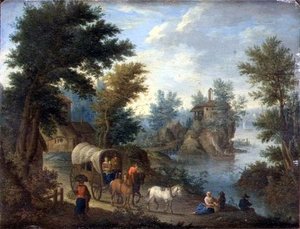
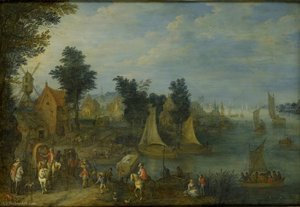
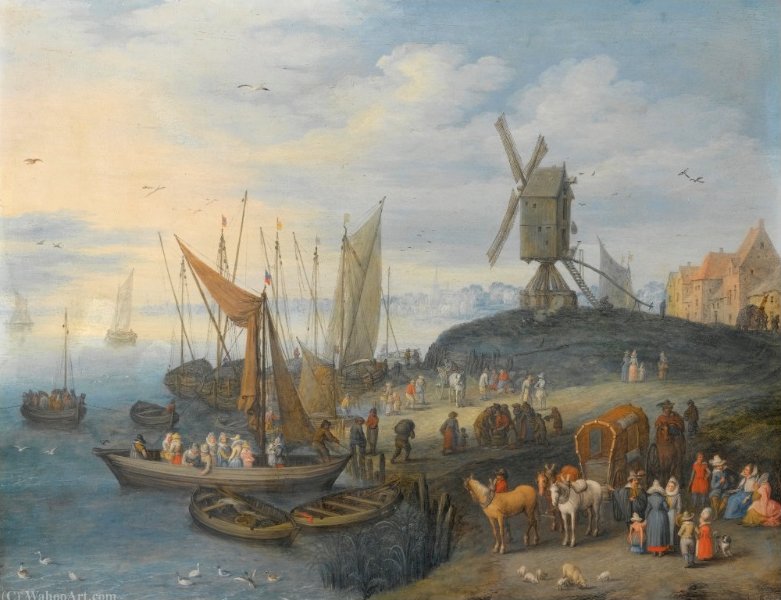
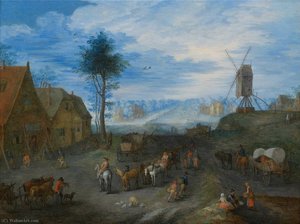
A River Landscape with Figures both on a Ferry and Waiting on the Shore Beneath a Windmill
 Read More
Giclée / Art Print
Museum-quality giclée or canvas print with fast production and flexible finish options. ( Buy Hand Made Painting Buy Image)




































Pick from our preset sizes that match the artwork's original proportions.

You may enter your own dimensions to fit a specific frame or space. If your selected size does not match the original image's proportions, we will either crop the artwork or extend the image with a mirrored or solid-fill edge. A digital mockup will be sent for your approval before production begins.
Please note that the on-screen preview does not reflect the actual cropping or extension. Only the mockup will accurately show the final composition.
While custom sizes are available, we recommend selecting a dimension from the predefined list to preserve the original proportions.
Worldwide Delivery () in 2 weeks instead of standard 4/5 weeks. (18 August)

Free Worldwide Express Shipping

High-Quality Linen Canvas

Full Shipping Insurance

Customs Tax Refund Guarantee

True Color Matching Guarantee

60-Day Return Policy (Defects Only)

100% Money-Back Guarantee

Bulk Discount Offer
 Glass option is only available in size under 110 CM

A River Landscape with Figures both on a Ferry and Waiting on the Shore Beneath a Windmill
Giclée / Art Print
Reproduction Size
-


Total Price
$ 63
Related Artworks
Artist Biography
A Legacy of Light: The Life and Art of Joseph van Bredael
In the heart of Antwerp, a city that pulsed with the creative energy of the Flemish Baroque, Joseph van Bredael was born into a world where art was as much a lineage as it was a vocation. Born in 1688, he was the second son of Joris van Bredael, part of an illustrious dynasty of painters that included his grandfather Peeter and his uncles Jan Frans and Jan Peeter. This immersion from birth into a family steeped in artistic tradition provided him with more than just technical instruction; it offered him a profound connection to the very soul of Antwerp’s golden age. While history often remembers the titans of the era, Bredael carved out a singular space for himself, becoming a master of tranquility whose works captured the quiet, breathing moments of rural and Italianate life.
The development of Bredael's hand was shaped by the rigorous mentorship of Jan Baptist Philips Houbraken, an artist renowned for his command of the Baroque style. Under this guidance, Joseph learned to marry meticulous detail with a dramatic sense of composition. His early training instilled in him a fascination with the interplay of light and shadow, a skill that would later allow him to master the pathetic perspective—a technique designed to evoke deep emotional resonance through tonal gradations. As his style matured, he moved beyond mere visual accuracy, seeking instead to create an illusion of depth that invited the viewer to step into his landscapes, feeling the warmth of a sun-drenched meadow or the cool mist of a wooded riverbank.
The Art of the Pastoral and the Italianate
Bredael’s oeuvre is characterized by a remarkable ability to oscillate between the grand and the intimate. He was particularly celebrated for his genre scenes, which brought the bustling vitality of village life to the canvas. His paintings often serve as windows into a bygone era, depicting cattle markets, fairs, and the rhythmic movements of peasants navigating their daily labors. Yet, even within these busy compositions, there remains an underlying sense of peace. He possessed a unique gift for portraying Italianate landscapes—scenes that blended the familiarity of Flemish topography with the idealized, sun-drenched atmosphere of the Mediterranean.
His technical mastery is most evident in his handling of natural elements and light. Whether he was painting a winding river or a cluster of cottages nestled among rolling hills, his brushstrokes remained deliberate and controlled. This precision allowed him to capture the subtle textures of bark, the translucency of water, and the soft glow of twilight. Some of his most enduring achievements include:
- A Wooded River Landscape With Travellers: A piece that exemplifies his ability to weave human narrative into the vastness of nature.
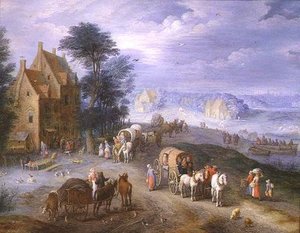
- Landscape With Peasants, Carts And A Ferry: A masterful study of movement and rural industry within a serene setting.
- Village Scene With A Windmill: An evocative glimpse into the architectural and social heart of 17th-century Flemish life.
Historical Significance and Final Years
As the 18th century progressed, the artistic landscape began to shift, yet Bredael’s commitment to the atmospheric beauty of the landscape remained steadfast. His work acted as a bridge between the robust drama of the early Baroque and the more refined, light-filled sensibilities of the coming era. Though he spent his final years in France, working in Paris, his heart and his artistic foundation remained firmly rooted in the traditions of Antwerp. He passed away in 1739, leaving behind a substantial body of work that continues to captivate collectors and historians alike.
The historical significance of Joseph van Bredael lies not only in his technical proficiency but in his ability to document the emotional landscape of his time. Through his eyes, we see a world of tranquility and grace, where the struggles of village life are elevated by the beauty of the natural world. His paintings remain vital testaments to the Flemish spirit, offering a timeless sanctuary of light and peace for all who gaze upon them.
joseph van bredael
1688 - 1739 , Belgium
Quick Facts
- Artistic Movement Or Style: Dutch Landscape Art
- Artists Or Movements Influenced By This Artist: ['Baroque']
- Artists Who Influenced This Artist: ['Philips Wouwerman']
- Date Of Birth: Antwerp, Belgium (1688)
- Full Name: Joseph van Bredael
- Nationality: Flemish
- Notable Artworks:
- A Mountainous Landscape With A Figure Reading Before A Cottage
- Landscape With Peasants, Carts And A Ferry
- Place Of Birth: Antwerp