 Preview
 Send
Send Share
Share
 Details

 Download
 Similars
 X-Ray
X-Ray Diaporama
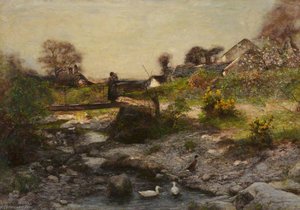
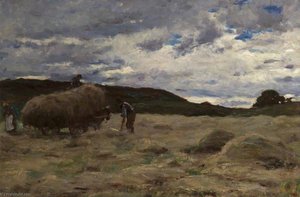
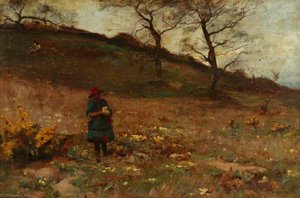
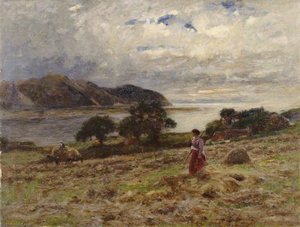
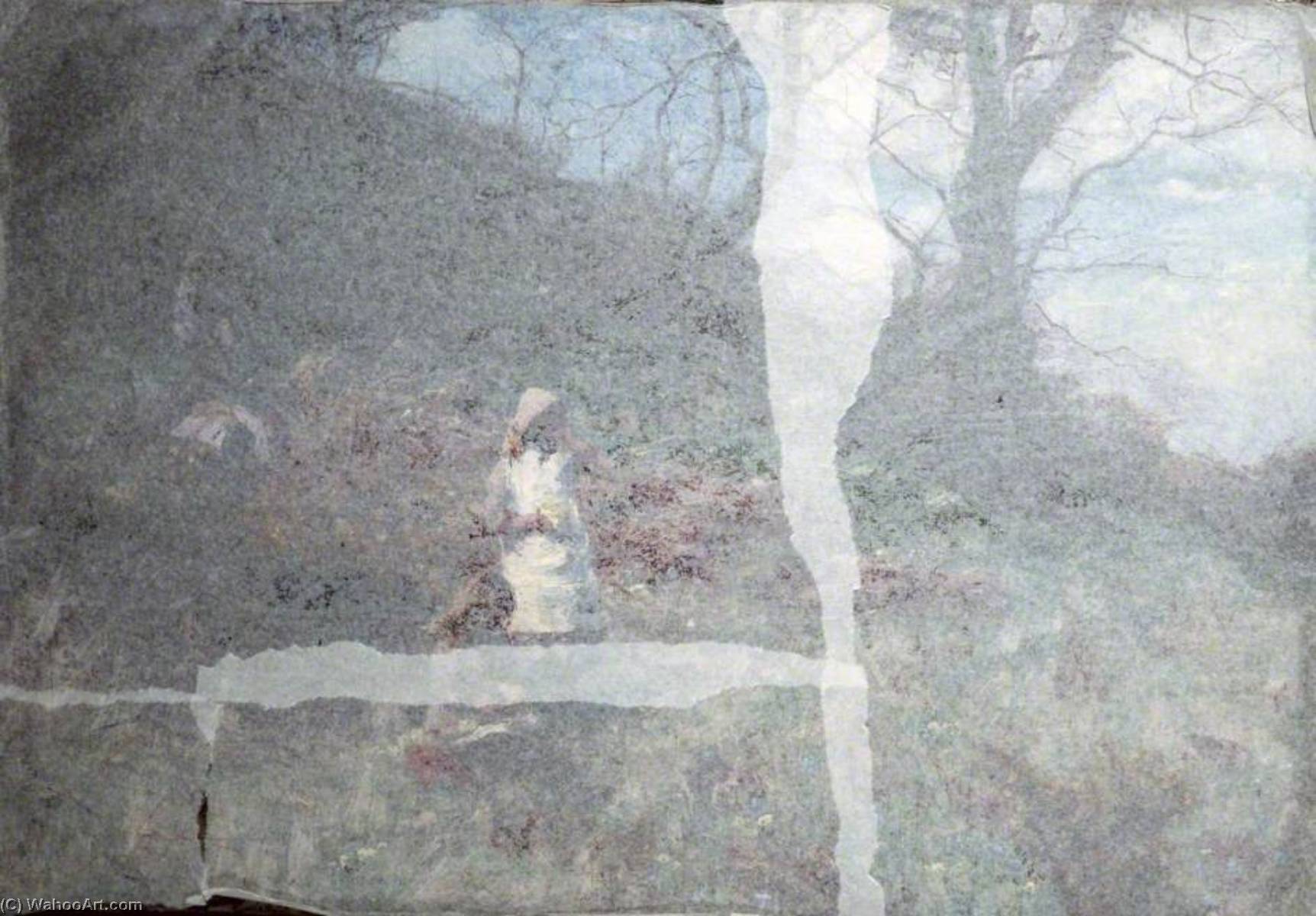
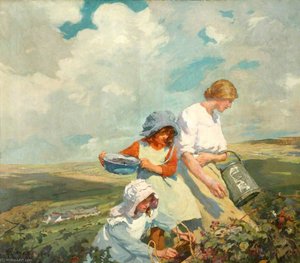
Primrose Gatherers
 Impressionism
 1888
1888 71.0 x 102.0 cm
 Walker Art Gallery
 Read More
Hand Made Oil Reproduction
Hand-painted oil on canvas in your size and frame, made to order by our artists. ( Buy Print Buy Image)




P118B $10

P118H $10

P118W $10

P438Z $10

P508JH $12

P508YH $12

P805H $10

P805Z $10

P919BZ $10

P919G $10

P919XJ $10

P959ZH $10

P968JZ $12

W106C $8

W218G $10

W218JH $8

W218Y $10

W307PJ $10

W316G $10

W316PJ $8

W316Y $10

W398PJ $8

W4111J $10

W500HY $15

W500JH $15

W692G $12

W849H $8

W940BG $15

W953PJ $8




Pick from our preset sizes that match the artwork's original proportions.

You may enter your own dimensions to fit a specific frame or space. If your selected size does not match the original image's proportions, we will either crop the artwork or extend the painting with additional hand-painted elements. A digital mockup will be sent for your approval before production begins.
Please note that the on-screen preview does not reflect the actual cropping or extension. Only the mockup will accurately show the final composition.
While custom sizes are available, we recommend selecting a dimension from the predefined list to preserve the original proportions.
After order, ArtsDot.com team will email client for instructions and provide a mockup preview
Worldwide Delivery () in 3/4 weeks instead of standard 5 weeks. (17 August). No compromise on quality.

Free Worldwide Express Shipping

High-Quality Linen Canvas

Full Shipping Insurance

Customs Tax Refund Guarantee

True Color Matching Guarantee

60-Day Return Policy (Defects Only)

100% Money-Back Guarantee

Bulk Discount Offer
 Glass option is only available in size under 110 CM

Primrose Gatherers
Reproduction Medium
Reproduction Size
-


Total Price
$ 263
Related Artworks
Artist Biography
Joshua Anderson Hague: A Victorian Master of Welsh Landscapes
Joshua Anderson Hague (1850–1916) stands as a significant, yet often underappreciated, figure in 19th-century British art. Recognized primarily for his evocative depictions of the Welsh countryside – particularly the Conwy Valley – Hague’s work represents a pivotal moment in landscape painting, bridging the gap between academic tradition and a more expressive, painterly approach. Born in Rusholme, Manchester, to Jonathan Hague and Mary Henshall (née Anderson), his early life was marked by a significant physical trauma: at the age of seven, he suffered a severe injury to his right hand following an explosion involving a pistol. Despite this debilitating accident, which necessitated leaving school at thirteen, Hague demonstrated remarkable resilience and pursued his artistic ambitions with unwavering determination.Early Influences and Artistic Training
Hague’s formal art education began at the Manchester School of Fine Arts, where he honed his skills under a more rigid, academic system. However, disillusioned by what he perceived as restrictive teaching methods, along with five fellow students, he staged a dramatic departure in 1873, forming their own independent artistic collective. This act of rebellion signaled a rejection of the established norms and a commitment to exploring new avenues of expression. The group sought inspiration from the Barbizon School painters of France, who championed a direct, observational approach to nature, prioritizing capturing the essence of light and atmosphere over meticulous detail. They embraced a looser brushstroke and a more emotive palette, laying the groundwork for what would become known as the “Manchester School” of painting. This period also saw Hague’s immersion in the artistic community of Pont-Aven in Brittany, France, where he spent the summer of 1872, absorbing the techniques and philosophies of established artists like Gustave Courbet and Jean-François Millet.The Rise of a Welsh Visionary
In 1878, Hague made a decisive shift, relocating to North Wales with his wife, Sarah Henshall. This move proved profoundly influential, providing him with the ideal subject matter for his artistic vision – the dramatic landscapes and picturesque villages of the Conwy Valley. He established a home in Deganwy, creating a haven where he could dedicate himself entirely to painting. The rugged beauty of the Welsh terrain, its rolling hills, meandering streams, and dramatic skies, provided an endless source of inspiration. Hague’s paintings are characterized by their vibrant colors, dynamic compositions, and skillful rendering of light and shadow – capturing not just the visual appearance of the landscape but also its inherent mood and atmosphere. He became a founding member and later vice president of the Royal Cambrian Academy of Art in 1882, further solidifying his position as a leading figure in Welsh art.Technique and Style: The Manchester School’s Distinctive Approach
Hague's style is often categorized within the broader “Manchester School” of painting, though he possessed a unique voice within that movement. His technique was characterized by a bold, expressive use of color and a distinctive application of paint – notably his preference for using a palette knife to apply thick layers of pigment directly to the canvas, rather than relying solely on brushes. This approach created a textured surface and a sense of immediacy, conveying a feeling of spontaneity and energy. His compositions frequently featured dramatic skies, reflecting the changeable weather patterns of North Wales, and he skillfully depicted the interplay of light and shadow across the landscape. Hague’s work is not simply a representation of scenery; it's an emotional response to the beauty and power of nature.Legacy and Recognition
Joshua Anderson Hague died in 1916 at his home in Deganwy, leaving behind a substantial body of work that continues to be admired for its evocative qualities and its contribution to the development of British landscape painting. His paintings are held in numerous public collections throughout Britain, including the Manchester City Art Gallery, where a memorial exhibition was held three years after his death, showcasing 97 of his works. Hague’s influence extended beyond his own artistic output; he played a key role in fostering a vibrant artistic community in North Wales and helped to establish the Royal Cambrian Academy as a center for artistic innovation. His legacy endures as a testament to the power of observation, the importance of artistic independence, and the enduring appeal of the Welsh countryside.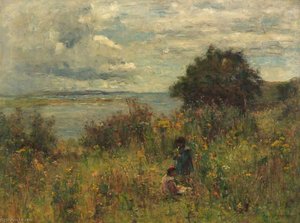
joshua anderson hague
1850 - 1916
Quick Facts
- Artistic Movement Or Style: Victorian landscape painting
- Artists Or Movements Influenced By This Artist: ['Manchester School']
- Artists Who Influenced This Artist: ['Pont-Aven artists']
- Date Of Birth: June 17, 1850
- Date Of Death: 1916
- Full Name: Joshua Anderson Hague
- Nationality: British
- Notable Artworks:
- Bathers
- Evening at Tal-y-Cafyn
- Orchard at Roe Wen
- Place Of Birth: Rusholme, Manchester, England
Related Articles
Sir Joshua Reynolds' Masterpieces: 25 Portraits of Power & Refinement | ArtsDot
Explore 25 captivating portraits by Sir Joshua Reynolds, a master of British art. Discover stories behind his iconic paintings, elegant style & historical influence. Find museum-quality reproductions and elevate your home decor on ArtsDot.com.

Renoir's Masterpieces: Explore 25 Iconic Paintings & Bring Art Home | ArtsDot
Explore 25 iconic Pierre-Auguste Renoir paintings! Discover the stories behind Impressionist masterpieces like 'Dance at Le Moulin de la Galette' & 'Luncheon of the Boating Party'. Find museum-quality art reproductions and elevate your home decor with ArtsDot.com.
Impressionist Landscapes: 10 Masterpieces for Your Home | ArtsDot
Journey through 10 iconic Impressionist landscapes by Monet, Renoir & Degas. Explore the history, techniques & emotions behind these masterpieces. Find museum-quality reproductions for your home at ArtsDot.com – where art comes to life! Discover all masterpieces on ArtsDot.com
Impressionistic Realism's Finest: 10 Masterpieces for Your Home | ArtsDot
Journey through Impressionistic Realism with 10 iconic masterpieces by Monet, Renoir & Van Gogh. Explore art history, techniques & find museum-quality reproductions for your home at ArtsDot.com. Discover all masterpieces online!

Impressionistic Landscapes: 10 Masterpieces That Changed Art & Decor
Journey into the heart of Impressionism! Explore 10 masterpieces by Monet, Renoir & Degas that revolutionized landscape art. Discover their stories, techniques & find museum-quality reproductions to elevate your home decor on ArtsDot.com.