 Preview
 Send
Send Share
Share
 Details

 Download
 Similars
 X-Ray
X-Ray Diaporama
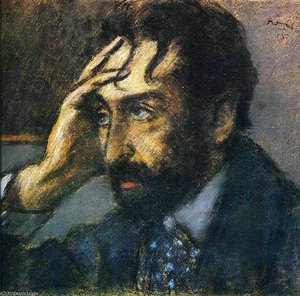
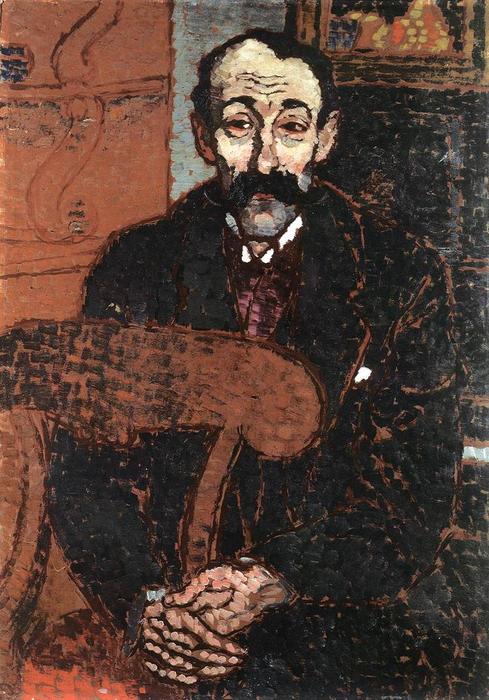
Portrait of Pianist Riccardo Vines Roda


 Read More
Giclée / Art Print
Museum-quality giclée or canvas print with fast production and flexible finish options. ( Buy Hand Made Painting Buy Image)




































Pick from our preset sizes that match the artwork's original proportions.

You may enter your own dimensions to fit a specific frame or space. If your selected size does not match the original image's proportions, we will either crop the artwork or extend the image with a mirrored or solid-fill edge. A digital mockup will be sent for your approval before production begins.
Please note that the on-screen preview does not reflect the actual cropping or extension. Only the mockup will accurately show the final composition.
While custom sizes are available, we recommend selecting a dimension from the predefined list to preserve the original proportions.
Worldwide Delivery () in 2 weeks instead of standard 4/5 weeks. (29 August)

Free Worldwide Express Shipping

High-Quality Linen Canvas

Full Shipping Insurance

Customs Tax Refund Guarantee

True Color Matching Guarantee

60-Day Return Policy (Defects Only)

100% Money-Back Guarantee

Bulk Discount Offer
 Glass option is only available in size under 110 CM

Portrait of Pianist Riccardo Vines Roda
Giclée / Art Print
Reproduction Size
-


Total Price
$ 63
A Moment of Contemplation: József Rippl-Rónai's Portrait of Pianist Riccardo Vines Roda
This captivating portrait, painted in 1914 by Hungarian master József Rippl-Rónai, offers a glimpse into the life of Riccardo Vines Roda, likely a prominent figure within Budapest’s vibrant artistic circles. The painting transcends a simple likeness; it's an exploration of character and atmosphere, rendered with the distinctive stylistic hallmarks of Rippl-Rónai’s mature period. The subject is depicted seated in a formal setting, his hands gently folded on his lap, suggesting a moment of quiet reflection or perhaps a pause between musical performances. The overall impression is one of dignified seriousness, hinting at the intellectual and artistic depth of the sitter.Style and Technique: Bridging Impressionism and Modernity
Rippl-Rónai was a pivotal figure in introducing modern art movements to Hungary, drawing inspiration from Impressionism, Post-Impressionism, and Symbolism. This portrait exemplifies his unique synthesis of these influences. Notice the subtle use of color – not vibrant as in some of his earlier works like *The Inn at Pont-Aven*, but rather a more muted palette that contributes to the painting's contemplative mood. The brushwork is loose yet controlled, creating a sense of texture and movement without sacrificing clarity. Rippl-Rónai avoids sharp outlines, instead employing soft transitions between tones to create a harmonious and almost dreamlike quality. The composition itself – the placement of the figure within the room, the inclusion of books suggesting intellectual pursuits, and the blurred background—demonstrates his mastery of spatial relationships and atmospheric perspective.Historical Context: Budapest's Artistic Scene in 1914
Painted on the eve of World War I, this portrait reflects a period of relative peace and flourishing artistic activity in Budapest. The city was becoming a significant cultural hub, attracting artists and intellectuals from across Europe. Rippl-Rónai’s work resonated with a desire for modernity and a break from traditional academic styles. Portraits like this one were highly valued as representations of social standing and personal character within the burgeoning middle class and aristocratic circles. The presence of books in the background further emphasizes the sitter's intellectual pursuits, aligning him with the values of education and refinement that were increasingly important during this era.Symbolism and Emotional Impact
Beyond its aesthetic qualities, the portrait invites deeper interpretation. The folded hands suggest introspection and perhaps a certain weariness or burden carried by the sitter – a common theme in portraits of intellectuals and artists of the time. The dimly lit room and the muted colors contribute to an atmosphere of quiet melancholy, while the carefully rendered details—the texture of the suit, the subtle expression on the face—reveal Rippl-Rónai’s skill in capturing psychological nuance. The painting evokes a sense of timelessness, inviting viewers to contemplate not only the life of Riccardo Vines Roda but also the universal themes of reflection, solitude, and the human condition. It's a work that resonates with quiet dignity and understated emotion, making it a compelling addition to any collection or interior space.Related Artworks
Artist Biography
József Rippl-Rónai: A Pioneer of Hungarian Modernism
- Born: Kápósvar, Hungary (1861)
- Died: 1927
József Rippl-Rónai was a pivotal figure in the introduction and development of modern artistic movements within the Hungarian art scene. Born in 1861 in Kaposvár, Hungary, his journey as an artist took him through rigorous training and exposure to diverse influences that shaped his unique style.
Early Life and Artistic Development
Rippl-Rónai's formal artistic education began at the Munich Academy of Fine Arts before continuing at the Académie Julian in Paris. His early works demonstrated a vibrant use of color, bold brushstrokes, and innovative compositions, reflecting his engagement with Impressionism, Post-Impressionism, and Symbolism. A notable early piece, *The Inn at Pont-Aven*, established his ability to convey atmosphere through nuanced color palettes and expressive techniques. He was influenced by Mihály Munkácsy and later embraced the philosophies of Les Nabis.
Key Works and Artistic Style
- My Grandmother (1894): This painting marked a significant turning point in Rippl-Rónai's career, achieving considerable success and showcasing his evolving style.
- Portrait of Hungarian Pianist and Composer Zdenka Ticharich (1921): Demonstrates his versatility as a portrait artist.
- "Rippl-Rónai Impressions 1890-1900" Exhibition: While initially met with mixed reception in Hungary, this exhibition eventually gained recognition and solidified his position within the art world.
His artistic style evolved over time, characterized by a progression from darker, more atmospheric works to brighter, more fragmented compositions often referred to as "corn kernels," where distinct patches of color create a textured visual effect.
Legacy and Recognition
- Rippl-Rónai Museum (Kaposvár): Established in 1934, this museum houses over 400 of his paintings, drawings, and personal items, serving as a vital center for preserving and promoting his legacy.
- Influence on Hungarian Art: Rippl-Rónai played a crucial role in introducing modern artistic concepts to Hungary, inspiring subsequent generations of artists.
- Design Contributions: Beyond painting, he contributed significantly to design, undertaking commissions such as the interior design of the Andrássy palace and creating stained-glass windows for the Ernst Museum.
József Rippl-Rónai's contributions to Hungarian modern art are undeniable. His innovative approach to color, composition, and subject matter cemented his place as a key figure in the development of Hungarian artistic identity during a period of significant change.
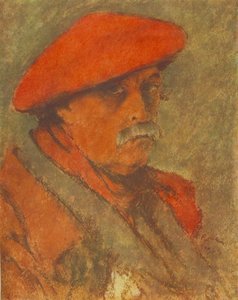
József Rippl-Rónai
1861 - 1927 , Hungary
Quick Facts
- Artistic Movement Or Style:
- Impressionism
- Post-Impressionism
- Symbolism
- Artists Who Influenced This Artist:
- Mihály Munkácsy
- Les Nabis
- Date Of Birth: May 23, 1861
- Date Of Death: November 25, 1927
- Full Name: József Rippl-Rónai
- Nationality: Hungarian
- Notable Artworks:
- My Grandmother (1894)
- Portrait of Zdenka Ticharich
- The Inn at Pont-Aven
- My Parents after Fourty Years
- Place Of Birth: Kápósvar, Hungary
Related Articles
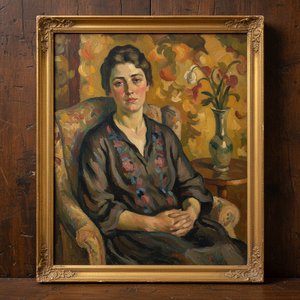
József Rippl-Rónai: A Hungarian Master of Intimacy & Modernism
Explore the captivating world of József Rippl-Rónai, a pioneering Hungarian painter. Discover his intimate portraits, unique style blending Impressionism & Symbolism, and lasting legacy in modern art history.