

 Preview
 Send
Send Share
Share
 Details

 Download
 Similars
 X-Ray
X-Ray Diaporama
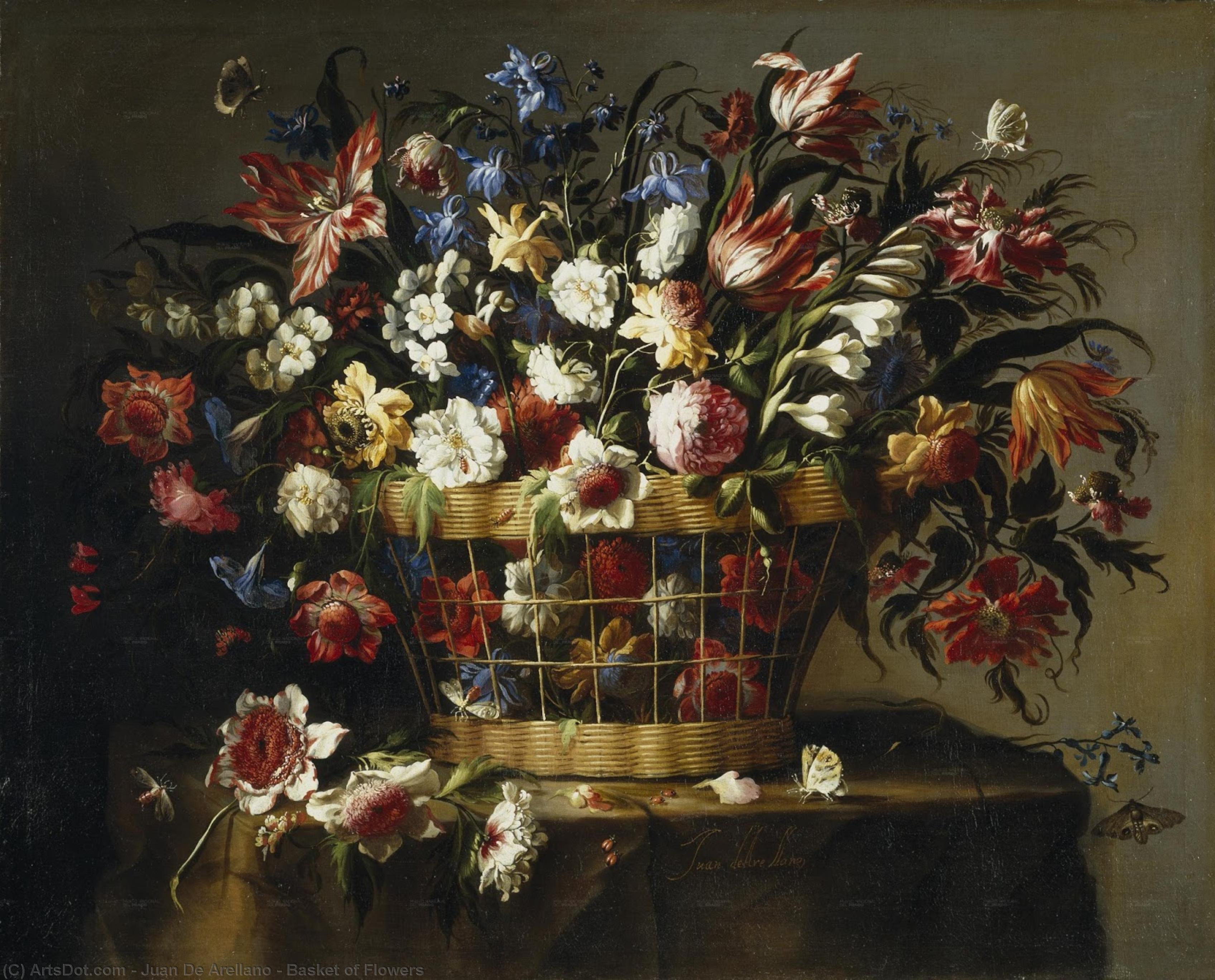
Basket of Flowers
 Oil On Canvas
- WallArt
- Baroque
 1670
1670- Early Modern
 84.0 x 100.0 cm
 Museo del Prado
 Read More
Purchase a high-resolution, enhanced digital image, far superior to the online preview.
Each file is meticulously prepared by our in-house specialists using advanced tools and expert manual retouching. We ensure every image has exceptional clarity, precise color accuracy, and fine detail.
The final file is delivered via email within 72 hours, optimized for immediate use in professional, editorial, and print environments. This is the same quality trusted by top-tier design studios, publishers, and galleries.
Digital Image
Download a high-resolution file for personal display, printing, and creative projects. ( Buy Print Buy Hand Made Painting)
Included in Every Digital Image Order
Expert Digital Delivery, Guaranteed
When you choose ArtsDot.com, you're not just getting an image - you're receiving a professionally enhanced digital artwork, crafted with precision and backed by a satisfaction guarantee. Here's everything that comes with your order, automatically:

Fast Email Delivery
Your high-resolution digital image file will be emailed to you within 72 hours of ordering - ready for immediate use.

AI-Enhanced Digital File
Your artwork is professionally optimized using advanced AI tools and manual editing, ensuring maximum detail, clarity, and color accuracy.

Free Lifetime Re-Delivery
Accidentally deleted or lost your file? No worries - we'll resend it to you anytime, free of charge.

No Import Fees - Ever
Enjoy your artwork instantly with zero customs, duties, or delivery fees - digital downloads are always tax-free.

Color Accuracy Guarantee
We ensure your digital image reflects the original colors as closely as possible using professional tools and color management.

60-Day Satisfaction Guarantee
If you're not satisfied with your digital image, we'll revise it or refund 100% within 60 days - no questions asked.

100% Money-Back Guarantee
Not satisfied? Get a full refund within 60 days of receiving your digital file - no questions asked.

Bulk Order Discounts
Buy 3 images, save 10% - Buy 5, save 15% - Buy 10+, save 20%. Great for creative projects, galleries, and agencies.
Collectible Description
A Baroque Ode to Ephemeral Beauty
To gaze upon this magnificent still life, Basket of Flowers, is to step directly into the opulent, light-dappled world of 17th-century Spanish art. Juan de Arellano, a master whose very name became synonymous with botanical splendor, has captured not merely flowers, but the fleeting perfection of nature itself. The composition is an overwhelming tapestry woven from countless blooms—crimson reds asserting themselves against softer hues—all gathered within an array of intricately rendered baskets. It speaks to a profound love for life’s delicate excesses, presenting a moment of perfect, vibrant abundance that seems suspended just outside the reach of time.
Mastery in Light and Shadow: Technique and Detail
Arellano's technical prowess is breathtakingly evident in every petal and leaf. He employed the dramatic interplay of light and shadow, or chiaroscuro, with an almost scientific precision. Notice how the light seems to emanate from an unseen source, catching the velvety texture of the petals while allowing deep, rich shadows to anchor the arrangement to the table below. This meticulous attention to detail is characteristic of his training, absorbing influences from both Flemish realism and Italian grandeur. The inclusion of smaller, scattered baskets adds a wonderful sense of depth, inviting the viewer's eye to wander deeper into the painted scene, exploring layers upon layers of floral narrative.
The Symbolism of Floral Abundance
In the context of Baroque painting, such lavish still lifes were rarely just decorative exercises. They carried weight—a rich tapestry of symbolism. The sheer profusion of flowers often served as a vanitas reminder; while they represent life’s peak beauty and sensory delight, their very existence in paint reminds us that all earthly splendor is transient. Yet, Arellano tempers this melancholy with such vibrant color and masterful composition that the overall feeling remains one of joyous celebration—a commemoration of nature's enduring, breathtaking generosity.
A Touch for the Modern Collector
For the contemporary admirer or designer, this piece offers more than just aesthetic pleasure; it is an infusion of historical romance. Reproducing the depth and luminosity of Arellano’s original work allows one to bring a piece of Spanish Baroque genius into modern living spaces. Imagine this vibrant tableau gracing a drawing-room wall or serving as the centerpiece for a curated collection. It promises not just decoration, but a conversation starter—a tangible link to an era when art was used to elevate the spirit and celebrate the exquisite complexity of existence.
Related Artworks
Artist Biography
The Master of Botanical Splendor
In the golden age of the Spanish Baroque, few artists captured the ephemeral grace of nature with as much precision and passion as Juan de Arellano. Born in 1614 in Santorcaz, near the vibrant heart of Madrid, Arellano emerged as a singular force in a century often defined by dramatic religious fervor and somber realism. While his contemporaries frequently turned toward grand historical narratives or intense martyrdoms, Arellano found his calling in the delicate, silent language of petals and stems. His life and work represent a masterful intersection of Spanish sensibility and the lush, ornamental traditions flowing from the Flemish and Italian schools, creating a legacy that remains a cornerstone of seventeenth-century still life painting.
The foundations of Arellano’s artistry were laid under the guidance of Juan de Solís, a painter whose expertise in landscapes provided a structural backdrop to the artist's burgeoning interest in botanical detail. However, it was the broader European artistic currents that truly shaped his vision. By absorbing the meticulous, almost scientific precision of Flemish masters like Daniel Seghers and the dramatic, light-drenched compositions of Italian painters such as Mario Nuzzi, Arellano developed a unique stylistic vocabulary. He mastered the art of chiaroscuro, using the profound interplay between deep, velvety shadows and brilliant, luminous highlights to breathe life into every rose, tulip, and lily he rendered.
A Vision of Precision and Pragmatism
There is a fascinating duality in the story of Arellano’s career—a blend of artistic devotion and shrewd professional intellect. Historical accounts suggest that the artist made a deliberate choice to specialize exclusively in floral still lifes. This was not merely an aesthetic preference but a pragmatic decision; by focusing on this specific genre, he could navigate the burgeoning art market with greater efficiency, offering highly sought-after botanical studies that were both lucrative and less physically demanding than the monumental canvases required for altarpieces. This focus allowed him to achieve an unparalleled level of technical mastery, turning each canvas into a window of hyper-realistic beauty.
His compositions are far more than simple arrangements of flora; they are carefully orchestrated dramas of color and form. In his hands, a bouquet becomes a complex narrative of texture and light. He possessed an extraordinary ability to capture the fleeting moments of a bloom's peak—the slight curl of a wilting petal, the dewy sheen on a leaf, or the translucent quality of a petal caught in a sunbeam. Through his brushwork, the viewer is invited into a realm of serene contemplation, where the transient beauty of the natural world is frozen in eternal, vibrant perfection.
Legacy and Artistic Significance
The historical significance of Juan de Arellano lies in his ability to elevate the still life from a secondary genre to a profound medium of artistic expression. His work serves as a vital link between the heavy, symbolic traditions of the early Baroque and the more decorative, light-filled aesthetics that would follow. Through his paintings, we see the influence of international styles harmonizing with a distinctly Spanish elegance, creating a body of work that transcends borders.
Today, the impact of Arellano’s oeuvre can be felt in the prestigious halls of museums worldwide, where his iconic bouquets continue to captivate audiences. His contributions to the art world include:
- Technical Innovation: The sophisticated application of light and shadow to create three-dimensional botanical realism.
- Genre Elevation: Transforming the floral still life into a prestigious subject capable of profound emotional and symbolic depth.
- Cultural Synthesis: Successfully merging Flemish detail with Italian drama and Spanish grace, creating a unique European aesthetic.
As we look upon his masterpieces, such as his celebrated Bouquet of Flowers, we are reminded that true artistry lies in the ability to find the infinite within the infinitesimal, and to find eternal beauty in the most delicate of transient things.
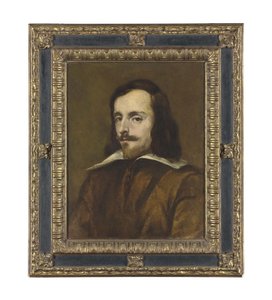
Juan de Arellano
1614 - 1676 , Spain
Quick Facts
- Artistic Movement Or Style: Baroque
- Artists Or Movements Influenced By This Artist: ['Daniel Seghers']
- Artists Who Influenced This Artist: ['Juan de Solís']
- Date Of Birth: 1614
- Date Of Death: 1676
- Full Name: Juan de Arellano
- Nationality: Spanish
- Notable Artworks:
- Bouquet of Flowers
- Garland of Flowers
- Place Of Birth: Santorcaz, Spain

