 Preview
 Send
Send Share
Share
 Details

 Download
 Similars
 X-Ray
X-Ray Diaporama
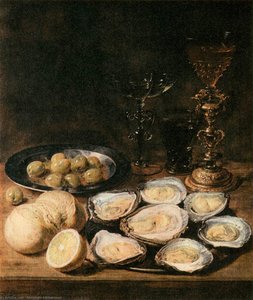
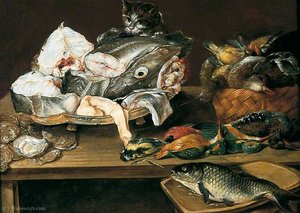
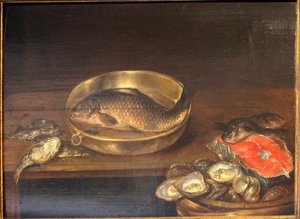
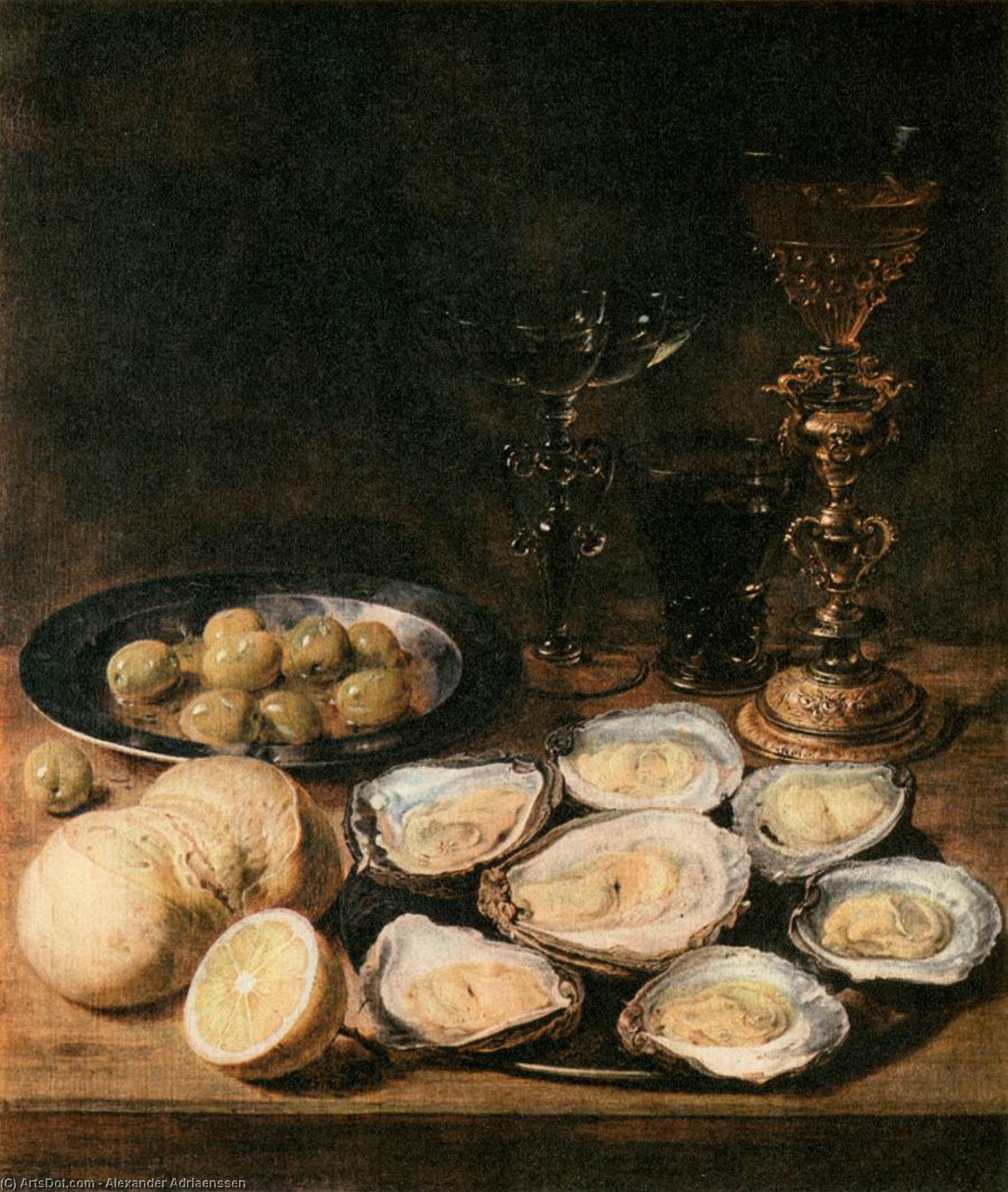
Still-Life with Oysters
 Oil On Canvas
- WallArt
- Flemish Baroque
 1630
1630 44.0 x 36.0 cm
 Národní Galerie
 Read More
Hand Made Oil Reproduction
Hand-painted oil on canvas in your size and frame, made to order by our artists. ( Buy Print Buy Image)




P118B $10

P118H $10

P118W $10

P438Z $10

P508JH $12

P508YH $12

P805H $10

P805Z $10

P919BZ $10

P919G $10

P919XJ $10

P959ZH $10

P968JZ $12

W106C $8

W218G $10

W218JH $8

W218Y $10

W307PJ $10

W316G $10

W316PJ $8

W316Y $10

W398PJ $8

W4111J $10

W500HY $15

W500JH $15

W692G $12

W849H $8

W940BG $15

W953PJ $8




Pick from our preset sizes that match the artwork's original proportions.

You may enter your own dimensions to fit a specific frame or space. If your selected size does not match the original image's proportions, we will either crop the artwork or extend the painting with additional hand-painted elements. A digital mockup will be sent for your approval before production begins.
Please note that the on-screen preview does not reflect the actual cropping or extension. Only the mockup will accurately show the final composition.
While custom sizes are available, we recommend selecting a dimension from the predefined list to preserve the original proportions.
After order, ArtsDot.com team will email client for instructions and provide a mockup preview
Worldwide Delivery () in 3/4 weeks instead of standard 5 weeks. (17 August). No compromise on quality.

Free Worldwide Express Shipping

High-Quality Linen Canvas

Full Shipping Insurance

Customs Tax Refund Guarantee

True Color Matching Guarantee

60-Day Return Policy (Defects Only)

100% Money-Back Guarantee

Bulk Discount Offer
 Glass option is only available in size under 110 CM

Still-Life with Oysters
Reproduction Medium
Reproduction Size
-


Total Price
$ 263
Artwork Description
A Symphony of Abundance: Alexander Adriaenssen’s Still-Life with Oysters
This exquisite still life, measuring 44 x 36 cm and dating from 1630, offers a captivating glimpse into the opulent world of 17th-century Antwerp. Attributed to the masterful Alexander Adriaenssen (1587 – 1661), a pivotal figure in Flemish Baroque painting renowned for his meticulously rendered still lifes, particularly those featuring seafood and lavish banquet scenes, this artwork is more than just a depiction of food; it’s an exploration of wealth, indulgence, and the fleeting beauty of nature. Adriaenssen's legacy rests firmly on his ability to capture textures with astonishing realism – from the glistening sheen of oysters to the velvety skin of apples – transforming everyday objects into subjects worthy of profound artistic contemplation.
The Baroque Embrace: Style and Technique
Created during the height of Antwerp’s Baroque period, this piece exemplifies the movement's dramatic use of light and shadow, known as *tenebrism*, to heighten emotional impact. Adriaenssen employs a sophisticated technique characterized by delicate watercolor washes layered over oil glazes, creating a luminous quality that is both incredibly detailed and remarkably atmospheric. The composition itself is carefully constructed, drawing the viewer’s eye across the table with a dynamic arrangement of objects. Notice how he uses overlapping forms and subtle variations in tone to suggest depth and volume, making each oyster appear plump and fresh. The artist's mastery of color – rich reds, deep blues, and shimmering whites – further enhances the painting’s luxurious feel.
Symbolism Within the Feast
Still lifes during this era were rarely purely decorative; they were often laden with symbolic meaning. The prominent oysters, a recurring motif in Adriaenssen's work, represented wealth, luxury, and even resurrection – a reference to the biblical story of Jonah in the whale. The scattered apples, symbols of temptation and knowledge, alongside the oranges, associated with prosperity and fertility, add layers of interpretation. The two wine glasses suggest conviviality and celebration, while the cup hints at quiet contemplation. This careful arrangement elevates the still life beyond a simple representation of food to a complex visual allegory.
A Window into Antwerp’s Golden Age
Painted in 1630, this artwork reflects the thriving artistic environment of Antwerp, a major European center for trade and culture during the Dutch Golden Age. Alexander Adriaenssen was deeply embedded within this vibrant scene, benefiting from the patronage of wealthy merchants and civic leaders who commissioned works to adorn their homes and display their status. This particular piece offers a tangible connection to that era – a testament to the skill and vision of one of Antwerp’s most celebrated Baroque artists. Its enduring appeal lies not only in its technical brilliance but also in its ability to transport us back to a time of lavish indulgence and artistic innovation.
Related Artworks
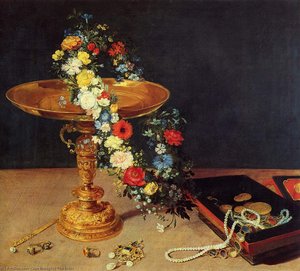
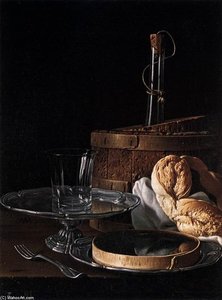
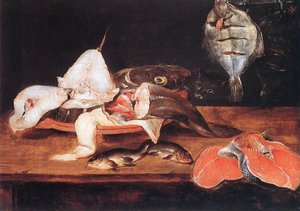
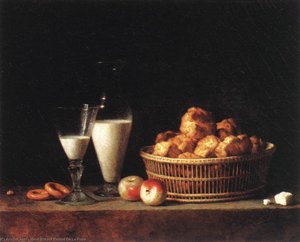
Artist Biography
The Master of the Flemish Banquet: The Life and Legacy of Alexander Adriaenssen
In the vibrant, bustling heart of seventeenth-century Antwerp, a period defined by the opulent textures of the Baroque, the name Alexander Adriaenssen emerged as a whisper of elegance amidst the grandeur. Born in 1587 to a family steeped in the melodic traditions of Flanders—his father being the renowned lutenist Emmanuel Adriaenssen—Alexander’s journey was one of transforming auditory harmony into visual splendor. While his brothers pursued the drama of battle scenes and portraiture, Alexander found his soul in the quiet, profound beauty of the still life. His early training under Artus van Laeck provided him with a foundational precision, yet it was his innate ability to capture the glistening scales of a fresh catch or the delicate dew on a petal that would eventually secure his place in the pantheon of Flemish masters.
Adriaenssen’s ascent within the Guild of St. Luke was not merely a professional milestone but a testament to his growing mastery over light and substance. Initially recognized for his skill in watercolor and the meticulous painting of heraldic coats of arms on parchment, he soon transitioned into the rich, emotive medium of oil. This versatility allowed him to participate in some of the most significant civic celebrations of his era. Most notably, during the triumphant entry of Cardinal Ferdinand into Antwerp in 1635, Adria and his contemporaries worked under the watchful eye of none other than Peter Paul Rubens. To contribute to the triumphal arches of such a monumental event was a profound honor, signaling that Adriaenssen was no longer just a craftsman, but a vital storyteller of the Baroque age.
A Symphony of Texture and Light
The true genius of Adriaenssen lies in his ability to elevate the mundane to the magnificent. He became a specialist in what is often termed pronkstillevens—ostentatious still lifes that celebrate abundance and wealth. His canvases are not merely depictions of food; they are sensory experiences. When one gaz于s upon his renderings of fish, game, and banquet spreads, the eye is immediately drawn to the hyper-realistic textures: the cold, wet sheen of a trout, the rugged skin of an artichoke, or the heavy, tactile weight of pewter plates and stoneware jugs. There is a certain purity of color in his work that critics have long admired, a clarity that prevents even the most crowded compositions from feeling chaotic.
His thematic repertoire was as diverse as the bounty of the Low Countries. Beyond the famous fish pieces, he explored:
- Banquet Pieces: Elaborate displays of meats, cheeses, and sausages that evoke the sensory richness of a Flemish feast.
- Floral Still Lifes: Delicate studies of blossoms in glass vases, where light refracts through crystal to create a sense of ethereal fragility.
- Game Pieces: Dramatic compositions featuring dead game, showcasing his ability to render fur, feather, and bone with anatomical precision.
This mastery of detail served a deeper purpose than mere imitation. In the context of the seventeenth century, these paintings often functioned as meditations on vanitas—the fleeting nature of life and the inevitability of decay. By capturing the peak of freshness in a piece of fruit or a shimmering fish, Adriaenssen simultaneously celebrated the bounty of the earth and whispered a poignant reminder of its transience.
Historical Significance and Enduring Influence
As the decades progressed, Adriaenssen’s reputation solidified, making him a peer to the greatest names of his generation. His connection to the artistic elite was profound; the fact that Rubens recognized his talent enough to commission related works—and that his family was intertwined with the likes of Antony van der Does and Isabella Brandt—places him at the very center of the Antwerp artistic web. Even as he traveled, perhaps honing his craft alongside his brother Nicolas in Haarlem, his stylistic roots remained firmly planted in the Flemish tradition of meticulous realism.
Though he passed away in Antwerp in 1661, leaving behind a legacy etched in oil and pigment, Adriaenssen’s influence endured. He bridged the gap between the heraldic precision of the late Renaissance and the lush, emotive abundance of the High Baroque. Today, his works serve as windows into a lost world of splendor, reminding us that there is profound art to be found in the simplest elements of life—a silver spoon, a crust of bread, or the light reflecting off a single drop of water. He remains a master who taught the world to look closer, to see the extraordinary within the ordinary.
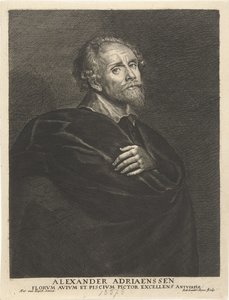
Alexander Adriaenssen
1587 - 1661 , Belgium
Quick Facts
- Artistic Movement Or Style: Baroque
- Artists Or Movements Influenced By This Artist: ['Dutch Baroque']
- Artists Who Influenced This Artist:
- Rubens
- Arthus van Laeck
- Date Of Birth: 1587 Antwerp Belgium
- Date Of Death: 1661
- Full Name: Alexander Adriaenssen
- Nationality: Flemish
- Notable Artworks:
- Fish & Dead Game
- Still life
- Flowers in a Glass Vase
- Place Of Birth: Antwerp Belgium
Related Articles
Giclée Prints: Archival Quality & Aesthetic Nuances for the Discerning Collector
Explore the world of giclée prints with ArtsDot. Learn about archival quality, aesthetic nuances & investment potential. Expert guidance for discerning art collectors seeking museum-quality reproductions and lasting value.
Decoding Baroque Grandeur: A Guide to the Drama and Emotion of 17th-Century Art
Explore the breathtaking drama of 17th-century Baroque art. Our expert guide decodes the use of chiaroscuro, emotional intensity, and historical grandeur to help you appreciate and curate timeless masterpieces for your collection.

The Visceral Stage: Exploring Dramatic Narratives & Emotional Intensity in Baroque Art
Explore the dramatic world of Baroque art! Discover iconic masters like Caravaggio & Rembrandt, their techniques, and the movement's lasting impact. Expert insights for collectors & enthusiasts at ArtsDot.

Baroque Masterpieces: 10 Paintings That Defined an Era |
Journey through the drama & grandeur of Baroque art! Explore 10 masterpieces by Caravaggio, Rembrandt, Rubens & more. Discover stunning oil paintings, rich colors & timeless stories. Find museum-quality reproductions at .
Baroque Classicism: Reconciling Drama & Order in 17th-Century Art
Explore the captivating world of Baroque Classicism! Discover its history, key artists like Caravaggio & Rubens, and defining characteristics. Expert insights & high-quality reproductions at ArtsDot.