 Preview
 Send
Send Share
Share
 Details

 Download
 Similars
 X-Ray
X-Ray Diaporama
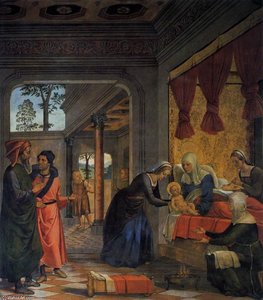
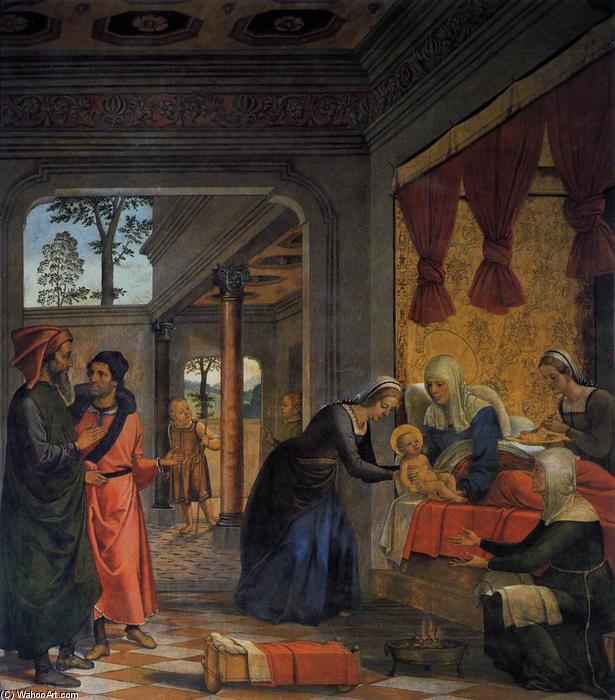
The Birth of the Virgin


 Read More
Giclée / Art Print
Museum-quality giclée or canvas print with fast production and flexible finish options. ( Buy Hand Made Painting Buy Image)




































Pick from our preset sizes that match the artwork's original proportions.

You may enter your own dimensions to fit a specific frame or space. If your selected size does not match the original image's proportions, we will either crop the artwork or extend the image with a mirrored or solid-fill edge. A digital mockup will be sent for your approval before production begins.
Please note that the on-screen preview does not reflect the actual cropping or extension. Only the mockup will accurately show the final composition.
While custom sizes are available, we recommend selecting a dimension from the predefined list to preserve the original proportions.
Worldwide Delivery () in 2 weeks instead of standard 4/5 weeks. (26 August)

Free Worldwide Express Shipping

High-Quality Linen Canvas

Full Shipping Insurance

Customs Tax Refund Guarantee

True Color Matching Guarantee

60-Day Return Policy (Defects Only)

100% Money-Back Guarantee

Bulk Discount Offer
 Glass option is only available in size under 110 CM

The Birth of the Virgin
Giclée / Art Print
Reproduction Size
-


Total Price
$ 63
Related Artworks
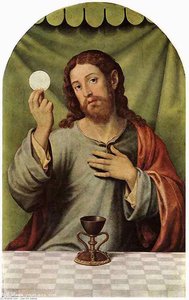
Artist Biography
A Pioneering Flemish Voice in the Spanish Renaissance: Juan de Borgoña
Juan de Borgoña, a name resonating with the subtle elegance of the High Renaissance, stands as a pivotal figure in the introduction of Northern artistic sensibilities to Spain. Born in Burgundy around 1470 – a region poised on the cusp of significant political change – his journey led him southwards, where he became a transformative presence in Toledo and beyond. While precise details regarding his early life remain elusive, it is believed that Borgoña’s formative years were steeped in the artistic traditions of Flanders, an environment renowned for its meticulous detail and burgeoning oil painting techniques. His arrival in Spain around 1495 coincided with a period of cultural ferment, as the Catholic Monarchs sought to elevate the arts and establish a distinctly Spanish aesthetic identity.
Early Commissions and Artistic Foundations
Borgoña’s initial documented work appears within the cloister of Toledo Cathedral in 1495. This commission – encompassing a ‘Visitation’ scene alongside various coats of arms – served as his introduction to the Spanish art world, immediately establishing him as a skilled craftsman. Crucially, this arrival wasn't isolated; he entered a milieu already influenced by artists like Juan de Flandes and Pedro Berruguete. Connections with these figures suggest potential prior collaborations or shared artistic training, hinting at a network of Northern masters actively shaping the Spanish visual landscape. Borgoña’s style, even in these early works, reveals a fascinating synthesis: while demonstrating Flemish precision, it also bears traces of Italian influence – a testament to his likely exposure to Renaissance ideals during his formative years.
The Tuscan Embrace and a Blossoming Style
A defining characteristic of Borgoña’s artistic development is the discernible impact of the Tuscan school. Although concrete evidence of an actual sojourn in Italy remains absent, his paintings exhibit a clear affinity for artists like Domenico Ghirlandaio, Piero della Francesca, and Melozzo da Forli. This influence manifests in the balanced compositions, graceful figures, and sophisticated use of light and perspective that became hallmarks of his style. However, Borgoña didn’t simply replicate Italian models; he skillfully integrated these elements with existing Castilian traditions – notably the lavish use of gold backgrounds and intricate decorative details. His paintings are characterized by a serene tranquility, featuring elegantly posed figures set against either expansive landscapes reminiscent of Umbria or richly embroidered drapery, creating an atmosphere of refined beauty.
Major Achievements and Lasting Legacy
Borgoña’s most celebrated achievement lies in the decoration of the chapter hall at Toledo Cathedral between 1509 and 1511. This monumental fresco cycle represents a pinnacle of early Spanish Renaissance art, showcasing his mastery of narrative storytelling and illusionistic space. The frescoes, imbued with Italian-inspired architectural settings and lush backgrounds, create a captivating trompe l’oeil effect that draws the viewer into the scene. Beyond Toledo Cathedral, Borgoña received commissions throughout central Spain – Madrid, Cuenca, Guadalajara, and Salamanca – indicating his widespread renown and the demand for his distinctive style. He established a thriving workshop, passing on his knowledge to a generation of artists including Pedro de Cisneros the Elder, Antonio de Comontes, Juan Correa de Vivar, and notably, his own son, Juan de Borgoña the Younger.
Historical Significance: Bridging Traditions
Juan de Borgoña’s significance extends beyond his technical prowess. He played a crucial role in bridging the artistic gap between Northern European realism and Italian Renaissance ideals within Spain. His work didn't merely introduce new styles; it fostered a unique synthesis that laid the foundation for subsequent generations of Spanish painters. By seamlessly blending Flemish precision, Tuscan elegance, and Castilian decorative traditions, Borgoña helped usher in a new era of artistic sophistication in Castile. He stands as a testament to the power of cultural exchange and the enduring legacy of an artist who skillfully navigated diverse influences to create a distinctly captivating visual language. His paintings continue to enchant viewers with their serene beauty, meticulous detail, and profound sense of grace – a lasting tribute to a pioneering Flemish voice in the Spanish Renaissance.
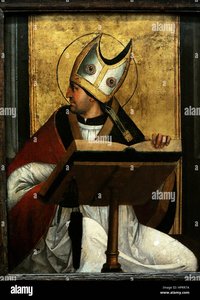
juan de borgoña
1470 - 1536 , France
Quick Facts
- Artistic Movement Or Style: High Renaissance
- Artists Or Movements Influenced By This Artist:
- Pedro de Cisneros
- Antonio de Comontes
- Artists Who Influenced This Artist:
- Domenico Ghirlandaio
- Gerard David
- Piero della Francesca
- Date Of Birth: c. 1470
- Date Of Death: 1536
- Full Name: Juan de Borgoña
- Nationality: Spanish
- Notable Artworks:
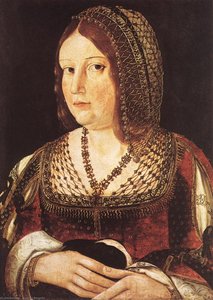
- Lady with a Hare
- The Birth of the Virgin
- Place Of Birth: Burgundy, France
Related Articles

Goya's Masterpieces: Explore 25 Iconic Paintings & Art Prints | ArtsDot
Delve into the world of Francisco Goya with ArtsDot. Explore 25 iconic paintings – from 'The Third of May' to his haunting Black Paintings. Discover the stories, techniques & emotions behind these Spanish masterpieces. Find museum-quality art reproductions for your home at ArtsDot.com!

About Us
Discover our story! We bring world-class art into your life through expert curation, personalized creations, and free previews. Trusted by individuals and businesses since 2000.

Fra Angelico's Masterpieces: 25 Renaissance Paintings for Your Home | ArtsDot
Explore 25 breathtaking masterpieces by Fra Angelico, a Renaissance master. Discover the stories behind his iconic frescoes, Annunciations & religious art. Find museum-quality reproductions and elevate your home decor with ArtsDot.com.
Jacob Henricus Maris: A Master of Dutch Atmospheric Realism & the Intimate Landscape
Explore the captivating world of Jacob Henricus Maris, a leading figure of the Dutch Hague School. Discover his atmospheric landscapes, signature brushstrokes & lasting influence on 19th-century art. Learn more at ArtsDot.
Juan de Valdés Leal: Baroque Realism, Memento Mori & Theatricality of Spanish Grief
Explore the powerful Baroque realism of Juan de Valdés Leal (1622-1690). Discover his somber masterpieces, iconic 'In Ictu Oculi', and profound explorations of mortality. Museum-quality reproductions available at ArtsDot.